
 한국어
한국어 English
 日本語
日本語 中文(简体)
 Viewing now
Zejula 100 mg Tablet (Niraparib tosylate monohydrate)
Niraparib Tosylate Monohydrate 159.3mg
Tablet · Prescription medication
Takeda Pharmaceutical Co., Ltd.
MFDS item code 202401351 · Approved 2024.05.31 · Insurance code 696300760
Maintenance therapy effect for ovarian cancer (tubal cancer, peritoneal cancer)
This medicine is used as a single-agent maintenance therapy for patients with ovarian cancer, tubal cancer, or primary peritoneal cancer who have responded to first-line platinum-based chemotherapy. It is also utilized as a single-agent maintenance therapy for platinum-sensitive recurrent high-grade serous ovarian cancer patients who have responded to second-line or higher platinum-based chemotherapy. It helps to safely maintain therapy in specific situations related to ovarian cancer, continuing to improve the treatment effect for patients.
The recommended starting dose of this medication is 200 mg (2 x 100 mg tablets) administered orally once daily. Patients weighing 77 kg or more and with a platelet count of 150,000/µl or more should receive 300 mg (3 x 100 mg tablets) administered orally once daily. This medication should be taken at approximately the same time every day, and the tablets should not be chewed, crushed, or split. It can be taken with or without food.
This medication can cause serious blood disorders such as myelodysplastic syndrome and acute myeloid leukemia, so blood status should be periodically monitored during treatment. It may harm the fetus during pregnancy, thus women of childbearing age should ensure effective contraception while taking this medication and for 6 months after its discontinuation. This medication should not be used in patients with allergies to its components or specific genetic disorders such as lactose intolerance. During treatment, various side effects such as nausea, thrombocytopenia, anemia, fatigue, constipation, myalgia, and vomiting may occur; if symptoms worsen, patients must promptly notify healthcare professionals. Dosage adjustment or discontinuation may be necessary based on blood test results, especially if platelet counts are low or if severe anemia symptoms occur. Patients with hypertension or cardiovascular diseases should frequently monitor their blood pressure and heart rate while taking this medication and receive appropriate treatment if necessary. Reversible posterior leukoencephalopathy syndrome, a rare neurological effect may occur, requiring immediate hospital visits if there are headaches, vision changes, or changes in mental state. Caution is needed when driving or operating machinery as fatigue or dizziness may occur due to this medication. Pregnant or breastfeeding women should avoid this medication; it is recommended to discontinue breastfeeding while taking this medication. Patients with impaired kidney or liver function may require dosage adjustment based on the physician's instructions. There is no specific antidote for overdose, and treatment will be symptomatic based on the patient's condition. This medication should be kept out of reach of children, and expired medications should not be used.
Myelodysplastic syndrome/acute myeloid leukemia, severe thrombocytopenia, severe anemia, severe neutropenia, severe allergic reactions (hypersensitivity, anaphylaxis), reversible posterior leukoencephalopathy syndrome (PRES), hypertension and hypertensive crisis, life-threatening bowel perforation and pleural effusion, respiratory distress (breathing difficulties), serious neurological symptoms (including seizure potential)
Not everyone experiences these, and they can vary from person to person.
This medication should be stored in a tightly sealed container to prevent exposure to air or moisture. It is important to maintain storage temperatures between 15 to 30 degrees Celsius.
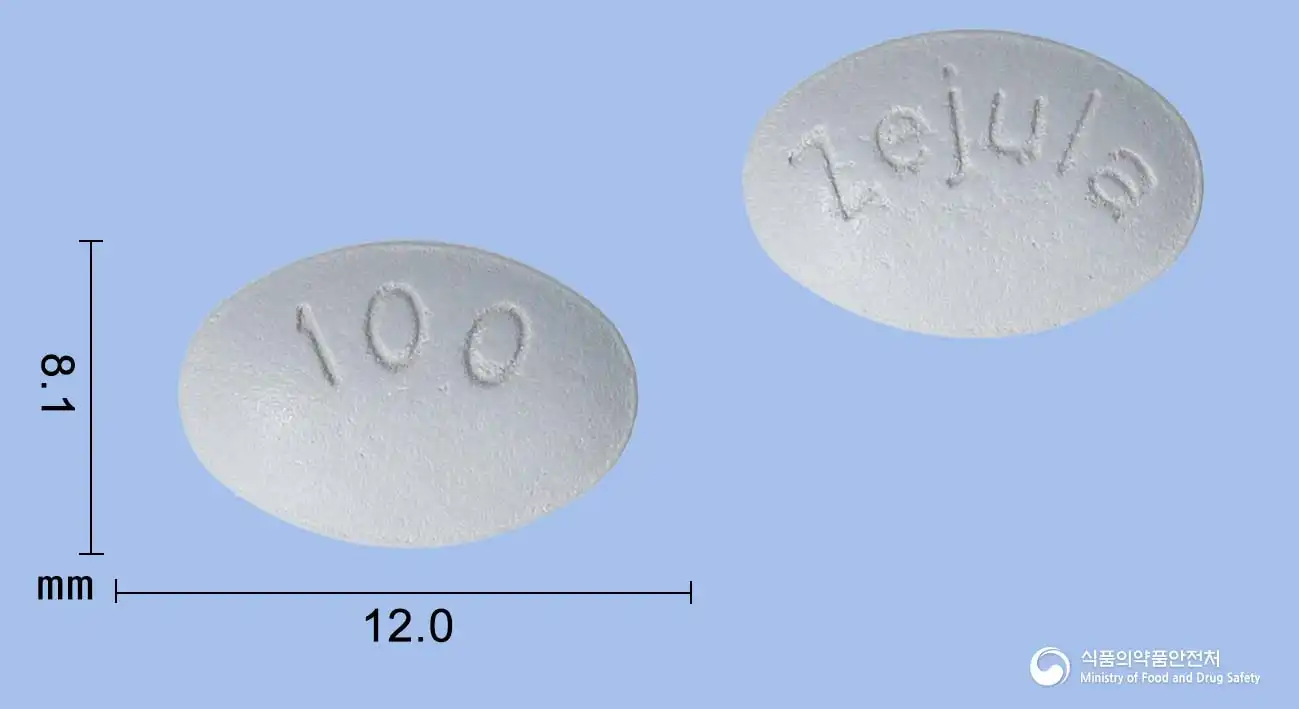
This medication is a gray oval film-coated tablet engraved with the number '100' on one side and 'Zejula' on the other side.
30 tablets/box [10 tablets/PTPX3]
Even with the same ingredient, strength, dosage form and how it is taken can differ.
Viewing nowNiraparib Tosylate Monohydrate 159.3mg
Tablet · Prescription medication
Takeda Pharmaceutical Co., Ltd.
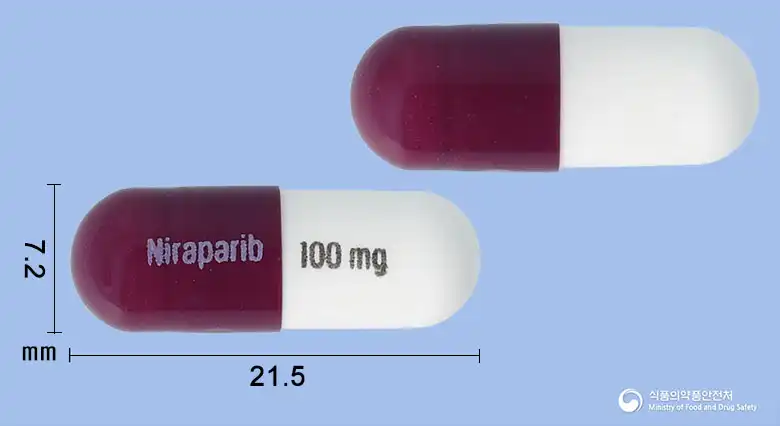
Niraparib Tosylate Monohydrate 159.4mg
Hard capsule · Prescription medication
Takeda Korea Pharmaceutical Co., Ltd.
Even with the same ingredient, the dose and directions can differ by strength and dosage form. Talk to a doctor or pharmacist before switching from a medication you are already taking.
No questions yet.
For anything that needs medical judgment, consult a doctor or pharmacist.
This drug information is based on data provided by the Korea Ministry of Food and Drug Safety.
Consult a doctor or pharmacist for accurate dosage, administration, and usage instructions.