
 한국어
 English
 日本語
 中文(简体)
Dosage form image
Viewing nowMireidivalprostar 250 mg (Divalproex Sodium)
Divalproex Sodium 269.06mg
Tablet · Prescription medication
Mirebiopharma Co., Ltd.
MFDS item code 202401255 · Approved 2024.05.22
Treatment of seizures (complex partial, absence, etc.) and mania, prevention of migraine
This medication is used to treat various forms of seizures in children aged 10 and older, as well as adults, particularly complex partial seizures and absence seizures, either as monotherapy or adjunctive therapy. It is also effective in preventing migraines in adults, which is separate from the acute treatment of migraines. Additionally, it is utilized for the treatment of acute mania or mixed episodes related to bipolar disorder. However, the safety and efficacy should be continuously monitored with long-term use (over 3 weeks) for the treatment of mania. It is used to improve symptoms of various neurological and psychiatric disorders.
This medication is a once-daily dosage form. Do not crush or chew it; swallow the tablet whole. 1. Treatment of seizures 1) Complex partial seizures (1) Monotherapy (initial treatment) This medication has not been systematically studied as initial therapy. In general, the optimal clinical response occurs at doses of 60mg/kg of body weight per day or less. If a satisfactory clinical response is not achieved, measure the blood concentration to determine whether it is within the generally accepted therapeutic range (50~100㎍/mL). The safety of doses of valproate greater than 60mg/kg of body weight per day has not been established; therefore, such doses are not recommended. The likelihood of thrombocytopenia increases significantly when the total trough valproate blood concentration is 110㎍/mL or higher in women or 135㎍/mL or higher in men. The benefits of seizure control at higher doses should be weighed against the possibility of an increased incidence of adverse reactions. (2) Conversion to monotherapy Begin treatment according to the same daily dose and dosing schedule as described above for monotherapy. The dose of the other concomitant antiepileptic medication is usually reduced by approximately 25% every 2 weeks. Dose reduction may begin at the same time as the conversion to this medication or 1~2 weeks after starting this medication, because of concerns about seizures associated with dose reduction. The rate and duration of discontinuation of the concomitant antiepileptic medication may vary; therefore, carefully monitor patients for an increase in seizure frequency during this period. (3) Adjunctive therapy This medication may be added to the existing treatment regimen at the same daily dose and dosing schedule as described above for monotherapy. In adjunctive therapy trials in patients with complex partial seizures receiving carbamazepine or phenytoin in addition to divalproex sodium delayed-release tablets, no dose adjustment of carbamazepine or phenytoin was necessary. Because valproate may interact with these two medications, as well as with other medications and other concomitant antiepileptic medications, periodic measurement of the blood concentrations of concomitant antiepileptic medications is recommended at the start of treatment. 2) Simple and complex absence seizures No significant correlation has been established between the daily dose and blood concentration or therapeutic effect; however, the therapeutic blood concentration of valproate is 50~100㎍/mL in most patients. Some patients, however, are controlled at lower or higher blood concentrations. As the dose of this medication is increased, it may affect the blood concentrations of phenobarbital and phenytoin. In patients receiving antiepileptic medication to prevent major seizures, the medication should not be discontinued abruptly because of the high likelihood of accompanying hypoxia and potentially life-threatening status epilepticus. 3) Conversion from divalproex sodium delayed-release tablets to this medication Total daily dose of divalproex sodium delayed-release tablets (mg) 500*-625 → Dose of this medication (mg) 750 Total daily dose of divalproex sodium delayed-release tablets (mg) 750*-875 → Dose of this medication (mg) 1000 Total daily dose of divalproex sodium delayed-release tablets (mg) 1000*-1125 → Dose of this medication (mg) 1250 Total daily dose of divalproex sodium delayed-release tablets (mg) 1250-1375 → Dose of this medication (mg) 1500 Total daily dose of divalproex sodium delayed-release tablets (mg) 1500-1625 → Dose of this medication (mg) 1750 Total daily dose of divalproex sodium delayed-release tablets (mg) 1750 → Dose of this medication (mg) 2000 Total daily dose of divalproex sodium delayed-release tablets (mg) 1875-2000 → Dose of this medication (mg) 2250 Total daily dose of divalproex sodium delayed-release tablets (mg) 2125-2250 → Dose of this medication (mg) 2500 Total daily dose of divalproex sodium delayed-release tablets (mg) 2375 → Dose of this medication (mg) 2750 Total daily dose of divalproex sodium delayed-release tablets (mg) 2500-2750 → Dose of this medication (mg) 3000 Total daily dose of divalproex sodium delayed-release tablets (mg) 2875 → Dose of this medication (mg) 3250 Total daily dose of divalproex sodium delayed-release tablets (mg) 3000-3125 → Dose of this medication (mg) 3500 *: The total daily dose of divalproex sodium delayed-release tablets at these doses cannot be converted directly to this medication at a total daily dose 8-20% higher, because this medication is not available in the required strengths. At the physician's discretion, increasing the total daily dose of divalproex sodium delayed-release tablets to the next higher dose may be considered before converting to an appropriate total daily dose of this medication. The mean minimum blood valproate concentration (Cmin) with this medication is equivalent to that with divalproex sodium delayed-release tablets, but may vary among patients after conversion. If a satisfactory clinical response is not achieved, measure the blood concentration to determine whether it is within the generally accepted therapeutic range (50-100㎍/mL). 2. Prevention of migraine The usual starting dose is 500mg once daily for 1 week, then increase to 1000mg once daily. Doses other than 1000mg once daily of this medication have not been studied in patients with migraine; however, the effective dose range for divalproex sodium delayed-release tablets is 500mg~1000mg per day. As with other valproate formulations, dose adjustments may be necessary for some patients. If precise dose adjustment is needed, adjust the dose using divalproex sodium delayed-release tablets. 3. Treatment of mania In placebo-controlled clinical trials in patients with acute mania or mixed episodes, clinical response was observed at blood concentrations of 85~125㎍/mL. Notes on use 1) Dosage in elderly patients The starting dose should be reduced in elderly patients because clearance of unbound valproate may be decreased and sensitivity to drowsiness may be increased. If the starting dose in an elderly patient is less than 250mg, administer divalproex sodium delayed-release tablets and increase the dose gradually while regularly monitoring fluid and nutritional intake, dehydration, drowsiness, and other adverse reactions. Consider reducing the dose or discontinuing the medication in elderly patients with reduced fluid or food intake and excessive drowsiness. The ultimate therapeutic dose depends on tolerability and clinical response. 2) Dose-related adverse reactions The frequency of adverse reactions (particularly elevated liver enzyme levels and thrombocytopenia) may be dose-related. The likelihood of thrombocytopenia appears to increase significantly when the total valproate blood concentration is 110㎍/mL or higher (women) or 135㎍/mL or higher (men). The therapeutic benefits of higher doses should be evaluated against the possibility of a higher incidence of adverse reactions. 3) Gastrointestinal irritation For patients who experience gastrointestinal irritation, it is advisable to take the medication with food or to start with a low dose of divalproex sodium delayed-release tablets. 4) Adherence Instruct patients to take this medication once daily as prescribed. If a dose is missed, take it as soon as possible unless it is almost time for the next dose. If a dose is missed, do not take double the dose at the next dosing time.
May be administered to children aged 10 years and older and adults. 1. Seizure treatment 1) Complex partial seizures (1) Monotherapy (initial therapy) The initial dose is 10~15mg/kg of body weight per day, and the dose is increased by 5~10mg/kg of body weight per day each week until the optimal clinical response is achieved. 2) Simple and mixed absence seizures The initial dose is 15mg/kg of body weight per day. Increase the dose by 5~10mg/kg of body weight per day at 1-week intervals until seizures are controlled or adverse effects occur with dose escalation. The maximum recommended daily dose is 60mg/kg of body weight per day. 3) Switching from divalproex sodium delayed-release tablets to this medicine When switching to this medicine in children aged 10 years and older and adult patients who previously received divalproex sodium delayed-release tablets for seizure treatment, administer this medicine once daily at a dose 8~20% higher than the previous total daily dose of divalproex sodium delayed-release tablets. 3. Treatment of mania The recommended initial dose is 25mg/kg of body weight per day, given as a single dose. Increase the dose as rapidly as possible to the lowest therapeutic dose that achieves the desired clinical effect or serum concentration range. The maximum recommended dose is 60mg/kg per day.
This medication requires special caution for women who are pregnant or may become pregnant, and effective contraceptive measures must be followed. In particular, this medication should not be administered during pregnancy, and those planning to become pregnant should consult a doctor to consider alternative treatments. This medication may affect liver function, therefore, patients with liver disease or a history of liver dysfunction should use it cautiously, and regular liver function tests are required before and after use. Caution is needed when administering this medication alone to children, especially those under 3 years of age, due to the risk of liver damage and pancreatitis. This medication can cause pancreatitis; if symptoms such as abdominal pain, nausea, vomiting, or appetite loss occur, immediate medical consultation is required. Blood abnormalities like thrombocytopenia may occur, so routine blood tests to check platelet levels are necessary. During treatment with this medication, there may be changes in mental health such as suicidal thoughts or behaviors and depression, so patients and caregivers should observe for these symptoms carefully. There may be interactions with other medications, especially in combination with carbapenem antibiotics or estrogen-containing compounds, so it is essential to consult a doctor. This medication can cause drowsiness or dizziness due to central nervous system depressant effects, so caution should be exercised while driving or operating dangerous machinery. Sudden discontinuation may worsen symptoms, so dosage should be tapered slowly according to a doctor's instructions. Serious side effects such as hyperammonemic encephalopathy may occur; if symptoms such as changes in consciousness, lethargy, or vomiting occur, immediate medical assistance should be sought. This medication contains lactose, so patients with lactose intolerance should not take it. Regular blood tests, liver function tests, and clinical symptom observations are crucial for monitoring adverse reactions.
headache, weakness, fever, nausea, vomiting, abdominal pain, diarrhea, loss of appetite, dyspepsia, constipation, drowsiness, tremors, dizziness, double vision, amblyopia/blurred vision, ataxia, oscillopsia, emotional instability, abnormal thoughts, forgetfulness, influenza syndrome, infection, bronchitis, rhinitis, alopecia, weight loss, thrombocytopenia, petechiae, weight gain, peripheral edema, insomnia, neurosis, depression, pharyngitis, dyspnea, tinnitus, pain, accidental injury, low back pain, chest pain, fatigue, tachycardia, hypertension, palpitations, increased appetite, flatulence, hematemesis, belching, pancreatitis, periodontal abscess, punctate bleeding, increased SGOT, increased SGPT, myalgia, singular contraction, arthralgia, leg cramps, myasthenia, anxiety, confusion, speech disorder, abnormal gait, sensory disturbance, tension and excess, inability to cooperate, abnormal dreams, personality disorder, sinusitis, increased cough, pneumonia, epistaxis, rash, pruritus, dry skin, taste disturbances, visual disturbances, ear abnormalities, deafness, otitis media, urinary incontinence, vaginitis, menstrual irregularities, amenorrhea, frequency of urination, hypotension, constipation, dry mouth, stomatitis, peripheral edema, leg cramps, abnormal dreams, cognitive disturbance, dyspnea, pruritus, uterine bleeding, fungal infection, myalgia, conjunctivitis, urinary tract infection, myasthenia, hair loss, discoid lupus erythematosus, dry skin, furunculosis, papular rash, seborrhea, cardiomegaly, galactorrhea, parotid gland swelling, hypertrichosis, masculinization in females, acne, male-pattern baldness, increased androgen, irregular menstruation, secondary amenorrhea, hyperammonemia, hyponatremia, inappropriate secretion of antidiuretic hormone, Fanconi syndrome, hyperglycinemia, insulin resistance, dyslipidemia, enuresis, renal failure, interstitial nephritis, urinary tract infection, azoospermia, abnormal semen, reduced sperm count, sperm morphology abnormalities, aspermia, reduced sperm motility, reversible or irreversible hearing loss, ear pain, allergic reaction, anaphylaxis, limb edema, lupus erythematosus, rhabdomyolysis, biotin deficiency, bone pain, increased cough, pneumonia, otitis media, bradycardia, cutaneous vasculitis, fever, low body temperature, multiorgan hypersensitivity, DRESS syndrome, lymphadenopathy, hepatitis, abnormal liver function tests, hematological abnormalities, eosinophilia, thrombocytopenia, neutropenia, pruritus, nephritis, decreased urine output, hepato-renal syndrome, arthralgia, arthropathy, singular contraction, anxiety, memory loss, coordination difficulties, tension response, depression, double vision, stuttering, emotional instability, speech disorder, hallucinations, reduced motor function, coordination disorder, psychosis, increased reflexes, sleep disturbances, akathisia, apnea, discoid lupus erythematosus, erythema nodosum, sweating, photophobia, taste disturbances, cystitis, dysmenorrhea, urination disorder, menstrual disorder, suicidal ideation, suicidal behavior
Not everyone experiences these, and they can vary from person to person.
This medication should be stored in a tightly closed container to prevent air or moisture from entering, and it is safe to store it at room temperature between 1 and 30 degrees Celsius. Proper storage will help maintain the medication's effectiveness.
White to off-white oval prolonged-release tablets
30 tablets/bottle, 100 tablets/bottle
Even with the same ingredient, strength, dosage form and how it is taken can differ.
Divalproex Sodium 269.06mg
Tablet · Prescription medication
Mirebiopharma Co., Ltd.
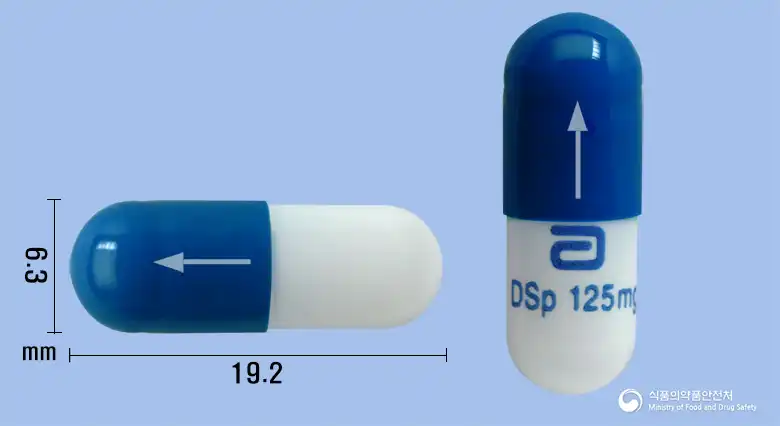
Divalproex Sodium 134.5mg
Hard capsule · Prescription medication
Abbott Korea LLC

Divalproex Sodium 538.1mg
Tablet · Prescription medication
Abbott Korea, Co., Ltd.

Divalproex Sodium 269.1mg
Tablet · Prescription medication
Abbott Korea Co., Ltd.
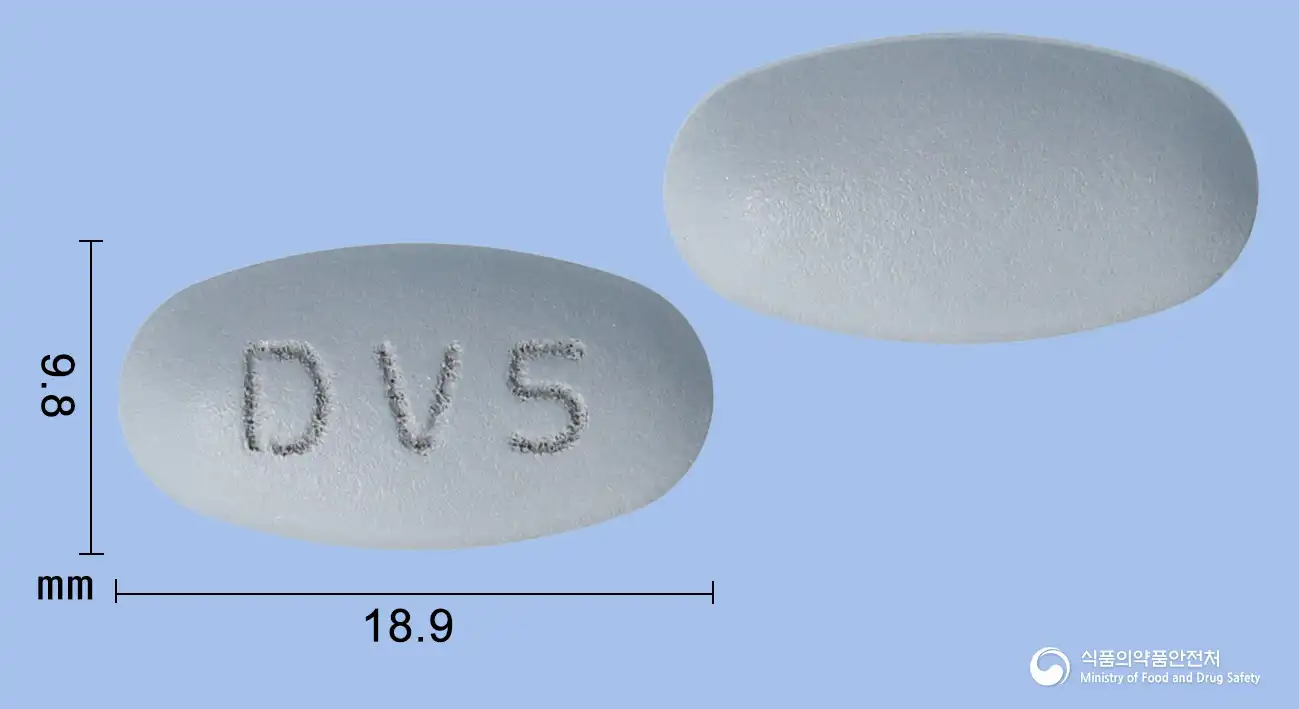
Divalproex Sodium 538.1mg
Tablet · Prescription medication
Korea Pharma Co., Ltd.
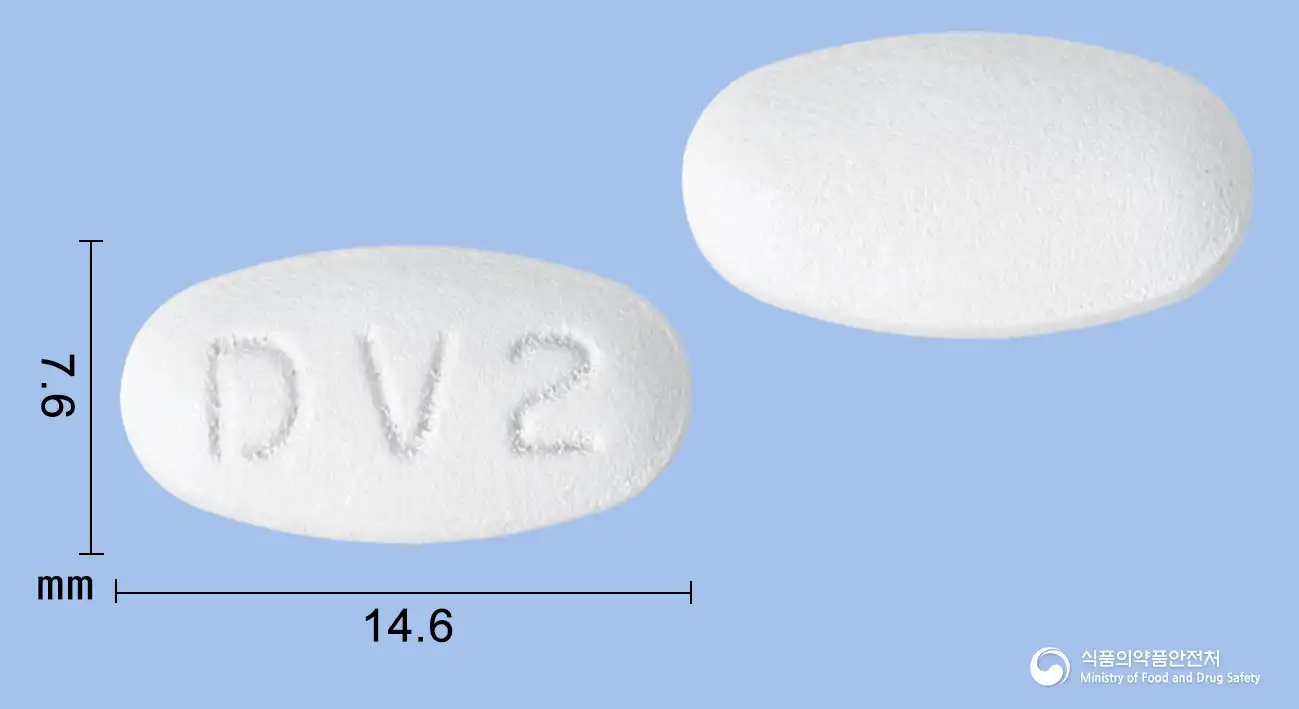
Divalproex Sodium 269.05mg
Tablet · Prescription medication
Korea Pharma Co., Ltd.
Divalproex Sodium 538.12mg
Tablet · Prescription medication
Mirae Bio Pharmaceutical Co., Ltd.
Even with the same ingredient, the dose and directions can differ by strength and dosage form. Talk to a doctor or pharmacist before switching from a medication you are already taking.
No questions yet.
For anything that needs medical judgment, consult a doctor or pharmacist.
This drug information is based on data provided by the Korea Ministry of Food and Drug Safety.
Consult a doctor or pharmacist for accurate dosage, administration, and usage instructions.