
 한국어
 English
 日本語
 中文(简体)
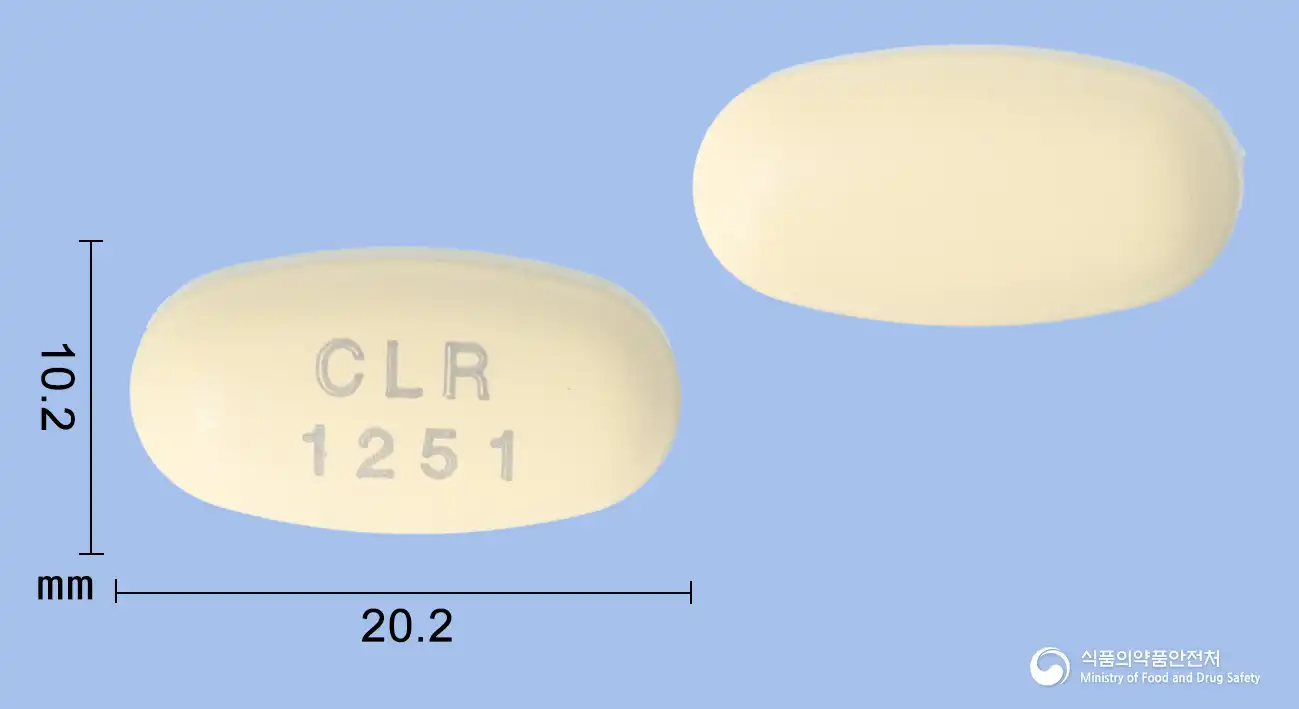 Viewing nowCombination
Nesinamet Sustained Release Tablet 12.5/1000 mg (Alogliptin, Metformin Hydrochloride)
Metformin Hydrochloride 1000mg · Alogliptin Benzoate 17mg
Tablet · Prescription medication · Combination
Celltrion Pharmaceutical Co., Ltd.
MFDS item code 202302755 · Approved 2023.09.14 · Insurance code 693904020
Improvement of glycemic control in patients with type 2 diabetes mellitus
This medication is used to assist in blood sugar control in patients with type 2 diabetes by combining alogliptin and metformin. It helps to lower blood sugar levels effectively when used alongside dietary and exercise regimens. This plays a crucial role in diabetes management and contributes to the overall health improvement of patients.
In antidiabetic therapy, the dose of this medication should be adjusted according to efficacy and tolerability, without exceeding the maximum recommended daily dose of each component: 25mg as alogliptin and 2000mg as extended-release metformin hydrochloride. The initial dose of this medication is determined based on the patient's current treatment regimen. To reduce gastrointestinal adverse reactions associated with metformin use, this medication should be taken once daily, preferably with the evening meal, and the dose of metformin hydrochloride should be increased gradually. Take 1 tablet of this medication 25/1000mg extended-release tablet once daily. Patients taking this medication 12.5/1000mg or 12.5/500mg extended-release tablets should take 2 tablets together once daily. 1. Patients not currently receiving metformin The initial total daily dose of this medication is alogliptin 25mg and metformin hydrochloride 1000mg. If adequate glycemic control cannot be achieved with the initial dose, the dose may be gradually increased up to the maximum recommended daily dose of 2000mg to reduce gastrointestinal adverse reactions to metformin. 2. Patients receiving metformin - For patients who cannot achieve adequate glycemic control with metformin monotherapy, the initial dose of this medication is a total daily dose of alogliptin 25mg and the patient's current dose of metformin hydrochloride. - For patients who cannot achieve adequate glycemic control with combination therapy of metformin and pioglitazone or metformin and insulin, the initial dose of this medication is a total daily dose of alogliptin 25mg, and the initial dose of metformin hydrochloride should take the patient's blood glucose level and current dose into consideration. When this medication is coadministered with insulin, a reduction in the insulin dose may be necessary to reduce the risk of hypoglycemia. - Replacement of combination therapy with alogliptin and metformin When switching from combination therapy with alogliptin and metformin to this medication, the dose of this medication should be equivalent to the current doses of alogliptin and metformin hydrochloride. Patients with renal impairment Because dose adjustment based on renal function is necessary, assessment of renal function is recommended before treatment with this medication and periodically thereafter. No dose adjustment is required in patients with mild renal impairment (creatinine clearance ≥60mL/min). In patients with moderate renal impairment (CKD stage 3A) with creatinine clearance ≥45mL/min and <60mL/min, who do not have other conditions that may increase the risk of lactic acidosis, the dose may be adjusted as follows. - The daily dose of alogliptin is 12.5mg. - The starting dose of extended-release metformin hydrochloride is 500mg or 750mg once daily, and the maximum daily dose is 1000mg. If creatinine clearance decreases to <45mL/min, treatment with this medication should be discontinued immediately.
This medication can cause severe lactic acidosis or hypoglycemia; therefore, it should not be used especially in patients with poor kidney function or heart disease. Patients with allergic reactions to alogliptin or metformin or those who have had serious skin reactions in the past should not take this medication. Patients with moderate to severe renal impairment, acute heart failure, or myocardial infarction should not take this medication, and it should be temporarily discontinued before and after undergoing examinations using iodinated contrast agents. Caution is required when using this medication in conditions such as diabetic ketoacidosis, severe infections, pre- and post-surgery, malnutrition, liver dysfunction, severe pulmonary disease, and excessive alcohol consumption. This medication can cause side effects such as gastrointestinal disturbances, headache, infections, and hypoglycemia, so it is important to closely monitor blood sugar changes due to the risk of hypoglycemia. If symptoms of liver dysfunction appear, you should consult a doctor immediately, and it is important to regularly undergo liver function tests and kidney function tests. If acute dehydration or severe vomiting, diarrhea occurs while taking this medication, you must stop taking it immediately and seek medical attention. It is safer for women who are pregnant or may become pregnant or who are breastfeeding not to take this medication. Combining with other antidiabetic agents or certain medications may increase the risk of hypoglycemia, so if there are concomitant medications, you must consult with healthcare professionals. In special circumstances such as surgery or radiological examinations, this medication should be temporarily discontinued, and it should be resumed after confirming that renal function is normal. In the elderly, kidney function decline is common, so renal function should be frequently monitored, and the dosage should be adjusted while taking this medication. In cases of overdose, special treatment may be necessary, and for metformin, dialysis may be helpful. This medication should be taken strictly according to a doctor's prescription and guidance, and if any abnormal symptoms appear, immediate consultation with healthcare professionals is required.
Not everyone experiences these, and they can vary from person to person.
This medication should be stored in a sealed container to prevent air exposure, and it is recommended to keep it at room temperature between 1 to 30 degrees Celsius. This way of storage helps maintain the medication's efficacy and prevents deterioration.
Pale yellow oval-shaped sustained-release film-coated tablet
30 tablets/bottle, 100 tablets/bottle
Even with the same ingredient, strength, dosage form and how it is taken can differ.
Viewing nowCombinationMetformin Hydrochloride 1000mg · Alogliptin Benzoate 17mg
Tablet · Prescription medication · Combination
Celltrion Pharmaceutical Co., Ltd.
Alogliptin Benzoate 17mg · Metformin Hydrochloride 500mg
Tablet · Prescription medication · Combination
Celltrion Pharmaceutical Co., Ltd.
Alogliptin Benzoate 17mg · Metformin Hydrochloride 1000mg
Tablet · Prescription medication · Combination
Celltrion Healthcare Co., Ltd.
Alogliptin Benzoate 17mg · Metformin Hydrochloride 850mg
Tablet · Prescription medication · Combination
Celltrion Pharmaceutical Co., Ltd.
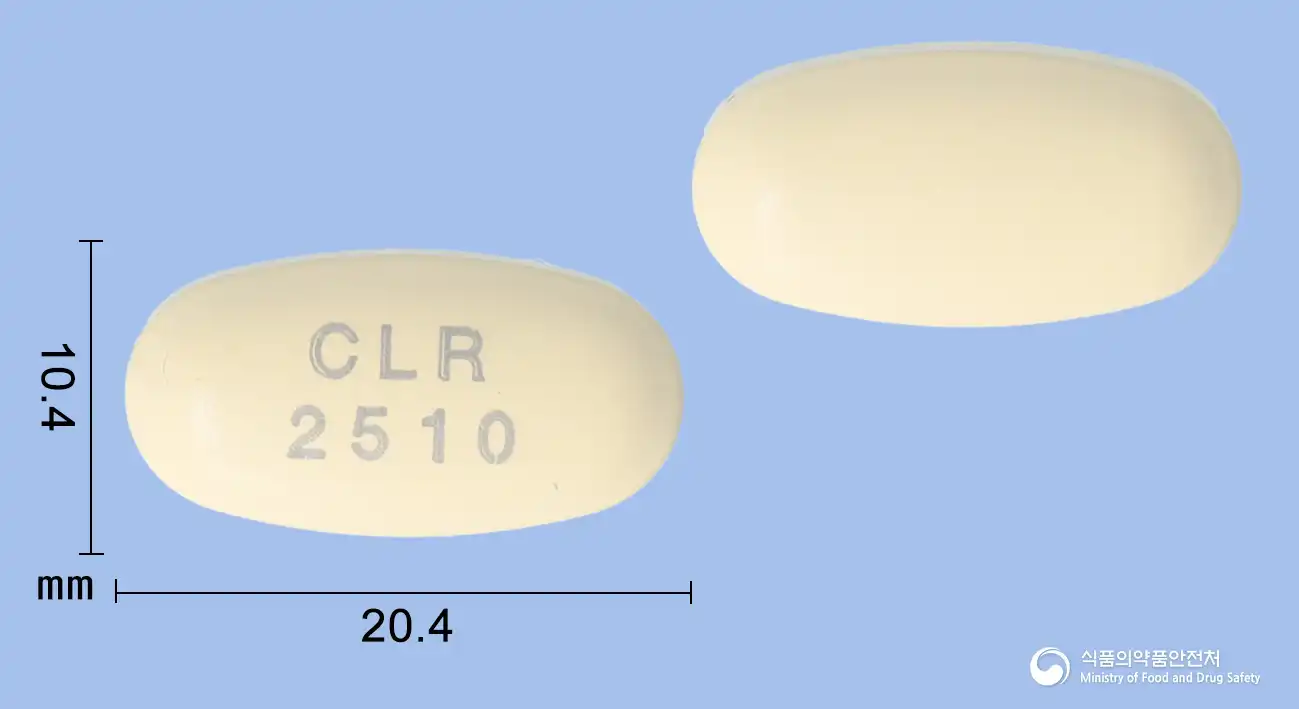 Combination
Metformin Hydrochloride 1000mg · Alogliptin Benzoate 34mg
Tablet · Prescription medication · Combination
Celltrion Pharmaceutical Co., Ltd.
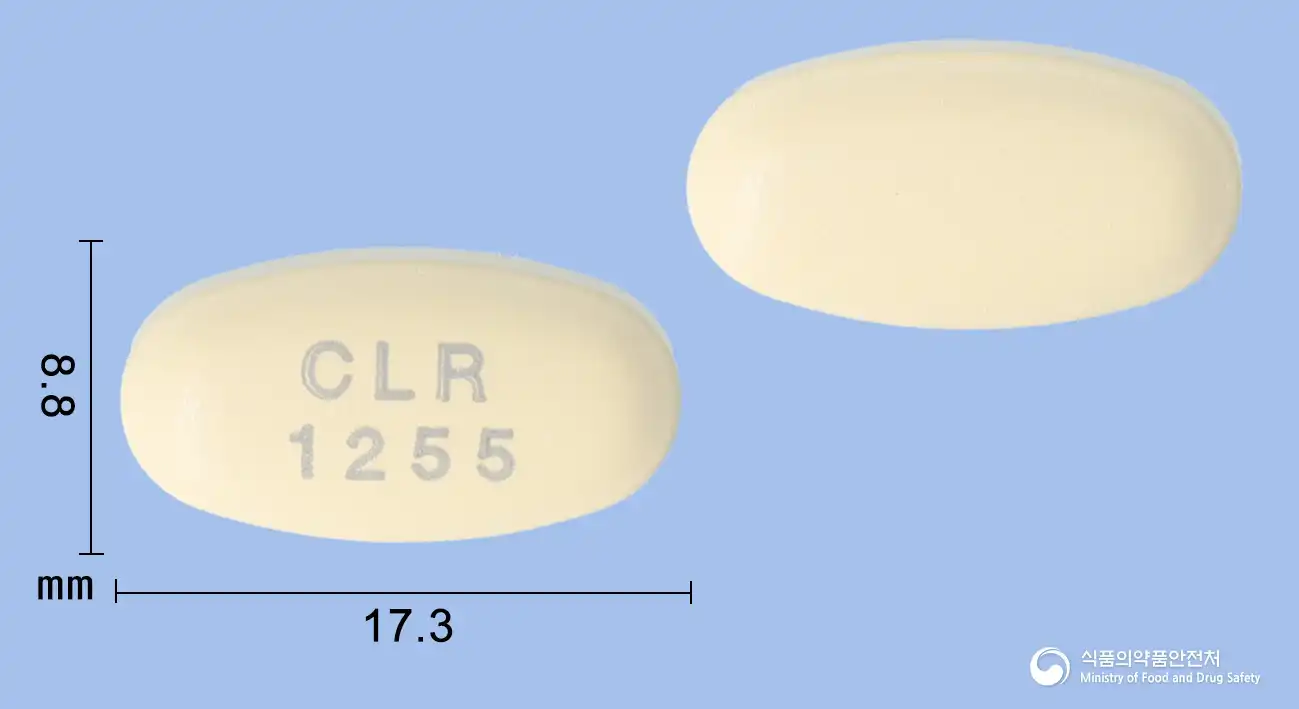 Combination
Metformin Hydrochloride 500mg · Alogliptin Benzoate 17mg
Tablet · Prescription medication · Combination
Celltrion Pharmaceutical Co., Ltd.
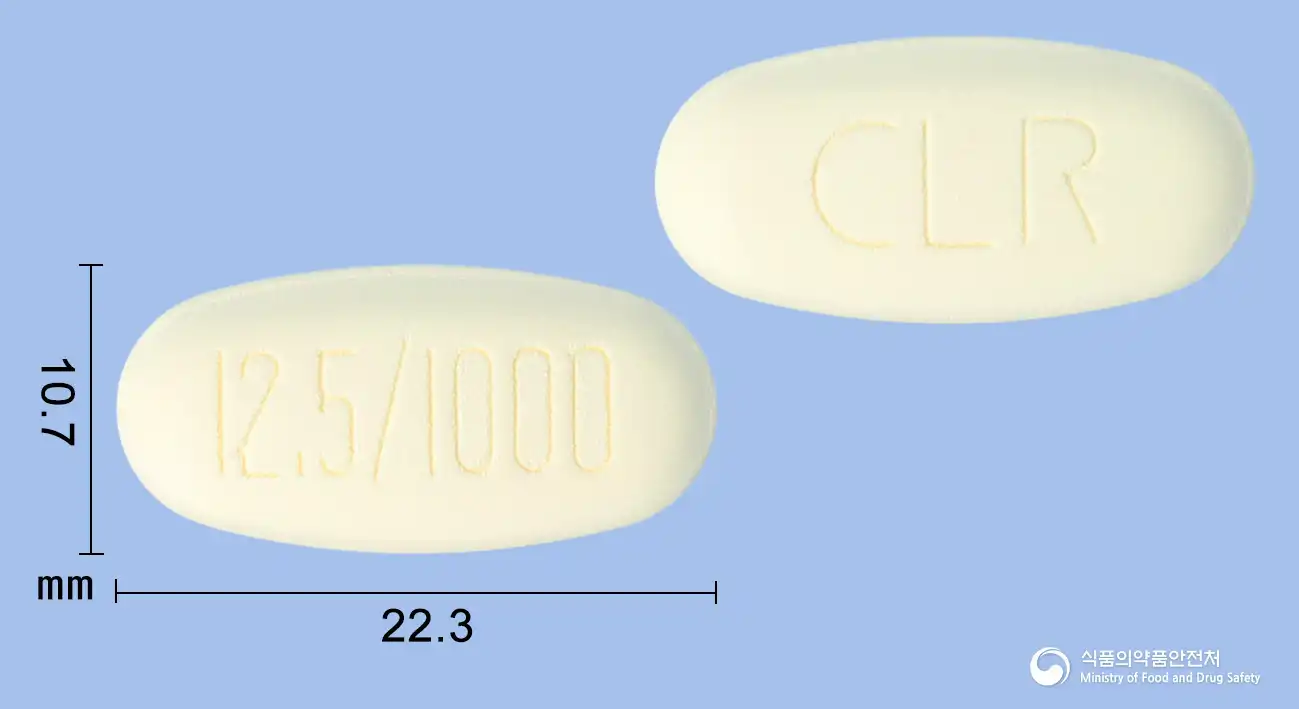 Combination
Alogliptin Benzoate 17mg · Metformin Hydrochloride 1000mg
Tablet · Prescription medication · Combination
Celltrion Pharmaceutical Co., Ltd.
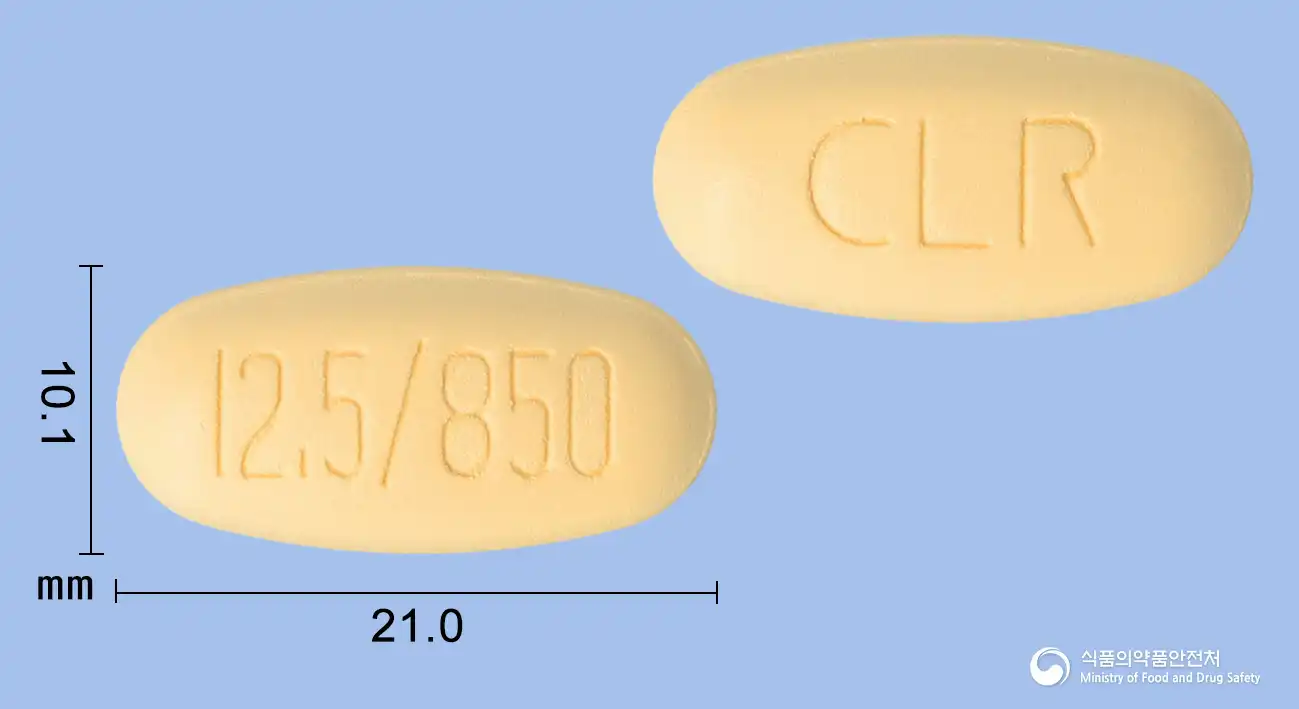 Combination
Alogliptin Benzoate 17mg · Metformin Hydrochloride 850mg
Tablet · Prescription medication · Combination
Celltrion Pharmaceutical Co., Ltd.
Even with the same ingredient, the dose and directions can differ by strength and dosage form. Talk to a doctor or pharmacist before switching from a medication you are already taking.
No questions yet.
For anything that needs medical judgment, consult a doctor or pharmacist.
This drug information is based on data provided by the Korea Ministry of Food and Drug Safety.
Consult a doctor or pharmacist for accurate dosage, administration, and usage instructions.