
 한국어
 English
 日本語
 中文(简体)
 Viewing nowCombination
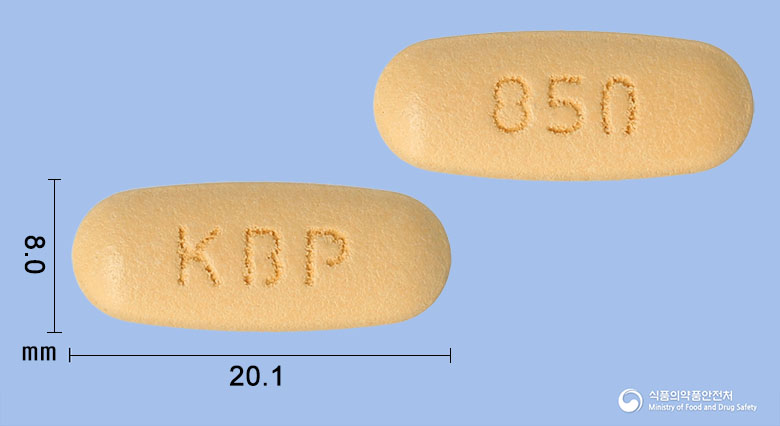
BILDAMET Tablet 50/850 mg
Vildagliptin Nitrate 60.4mg · Metformin Hydrochloride 850mg
Tablet · Prescription medication · Combination
Kyungbo Pharmaceutical Co., Ltd.
MFDS item code 202107713 · Approved 2021.11.30 · Insurance code 665003140
Improvement of glycemic control in type 2 diabetes mellitus
This medication is prescribed to assist patients with type 2 diabetes in controlling blood sugar levels by utilizing vildagliptin and metformin together. It is more effective when used in conjunction with diet and exercise. This medication helps reduce the risk of diabetes-related complications by stabilizing blood sugar levels. Consistent use significantly aids in improving blood sugar control.
For the treatment of patients with type 2 diabetes, the dose of this medicine should be individualized based on efficacy and tolerability, without exceeding vildagliptin 100mg and metformin 2000mg. Doses of vildagliptin greater than 100mg per day are not recommended. This medicine should generally be taken with food or immediately after a meal to reduce gastrointestinal adverse reactions caused by metformin. 1. Patients with no previous antidiabetic drug treatment whose blood glucose is inadequately controlled with monotherapy: The initial dose is 1 tablet of this medicine 50/500mg once daily; the dose may be gradually increased to 1 tablet of 50/1000mg twice daily. 2. Patients whose blood glucose is not adequately controlled with metformin monotherapy: The initial dose is vildagliptin 100mg per day plus the patient's current metformin dose. The initial dose of this medicine is determined according to the patient's current treatment regimen; take 1 tablet of this medicine 50mg/850mg or 50mg/1000mg twice daily, in the morning and evening. 3. Patients switching from concomitant vildagliptin and metformin therapy: Patients switching from concomitant vildagliptin and metformin therapy to this medicine may start at their previous doses of vildagliptin and metformin. 4. Use in combination with a sulfonylurea or insulin: Administer vildagliptin 50mg twice daily (total daily dose 100mg) and metformin at a dose similar to the patient's existing dose. - When this medicine is used in combination with a sulfonylurea, the sulfonylurea dose may need to be reduced to decrease the risk of hypoglycemia. No studies have evaluated the safety and efficacy of switching from another oral hypoglycemic agent to this medicine. Any change in type 2 diabetes treatment may alter blood glucose control; use caution and ensure appropriate monitoring. If a dose of this medicine is missed, take it with the next meal unless it is time to take the missed dose; do not take a double dose at one time to make up for a missed dose. Patients with hepatic impairment This medicine is not recommended for patients with clinical or laboratory evidence of hepatic impairment, including patients whose ALT or AST level before treatment exceeds 2.5 times the upper limit of normal.
This medication can cause severe lactic acidosis and hypoglycemia, so extreme caution is necessary. It should not be administered to patients with moderate to severe renal impairment, heart failure, acute myocardial infarction, sepsis, or other serious conditions. Additionally, patients who are scheduled to undergo exams using radiocontrast agents containing iodine should discontinue this medication 48 hours before the examination and can resume it only after normal renal function is confirmed. Women who are pregnant or breastfeeding should not use this medication. Irregular meals, strenuous exercise, or co-administration with other drugs may increase the risk of lactic acidosis and hypoglycemia; therefore, caution is warranted. Regular monitoring of liver and kidney function tests is necessary during treatment to ensure no abnormalities occur. Patients with compromised liver function or decreased renal function should avoid or use this medication with close monitoring. This medication is not suitable for type 1 diabetes patients who require insulin treatment or patients with diabetic ketoacidosis. Due to the risk of acute pancreatitis, if symptoms of pancreatitis occur, consult a physician immediately. Alcohol consumption may increase the risk of lactic acidosis; hence, excessive drinking should be avoided during treatment. Symptoms of hypoglycemia may arise; caution is especially needed when taking in conjunction with other hypoglycemic agents or when meals are skipped. During treatment, regularly monitor blood sugar and glycosylated hemoglobin levels to assess treatment effectiveness. Elderly patients or those with poor nutritional status are at higher risk of hypoglycemia and lactic acidosis, necessitating further caution. Treatment with this medication should be suspended for a certain period before and after surgery, and can only be resumed after confirming normal renal function post-surgery. In case of overdose, visit a medical facility immediately for appropriate treatment, and, if necessary, blood dialysis may be helpful. The safety and efficacy of this medication in children and adolescents have not been established, so it should be avoided. If any unusual skin reactions such as blisters or ulcers occur during the use of this medication, inform a physician immediately. Lastly, this medication should be kept out of the reach of children and should not be transferred to other containers.
Lactic acidosis, hypoglycemia, hepatitis, liver dysfunction, increased transaminase levels, angioedema, tremors, headache, dizziness, fatigue, nausea, gastroesophageal reflux, diarrhea, abdominal distension, chills, decreased blood sugar, asthenia, sweating, constipation, arthralgia, upper respiratory tract infection, rhinitis, peripheral edema, nausea, vomiting, diarrhea, abdominal pain, decreased appetite, taste disturbance, skin reactions (erythema, pruritus, urticaria), pancreatitis, urticaria, blisters, desquamative skin lesions, severe and disabling arthralgia, cutaneous vasculitis, dyspepsia, abdominal discomfort, gastrointestinal disturbances, increased serum amylase, increased lipase, gastrointestinal disorders, weight loss, acute pancreatitis, vesicular pemphigoid, myalgia, paresthesia, fever, edema, swelling of the hands and feet, increased creatine phosphokinase, elevated AST, increased C-reactive protein, elevated myoglobin levels, megaloblastic anemia
Not everyone experiences these, and they can vary from person to person.
This medication must be stored in a tightly closed container to prevent air and moisture from entering. It is also important to keep it in a cool place below 30 degrees Celsius to maintain its efficacy.
Yellow oval film-coated tablet
Bottle - 30 tablets/bottle, Bottle - 60 tablets/bottle
Even with the same ingredient, strength, dosage form and how it is taken can differ.
Viewing nowCombinationVildagliptin Nitrate 60.4mg · Metformin Hydrochloride 850mg
Tablet · Prescription medication · Combination
Kyungbo Pharmaceutical Co., Ltd.
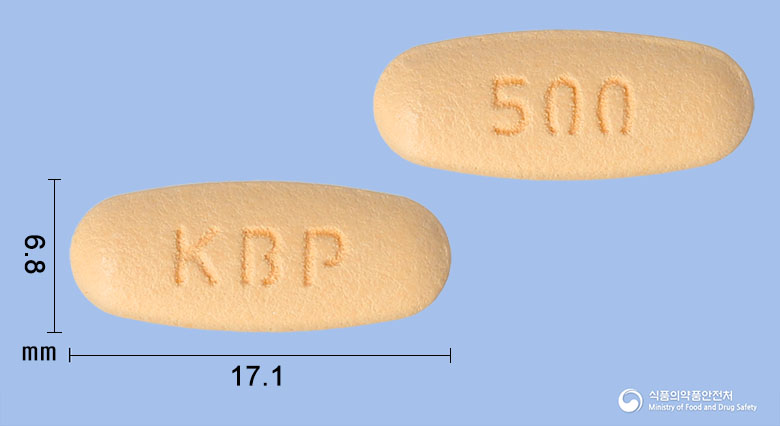 Combination
Vildagliptin Nitrate 60.4mg · Metformin Hydrochloride 500mg
Tablet · Prescription medication · Combination
Kyeongbo Pharmaceutical Co., Ltd.
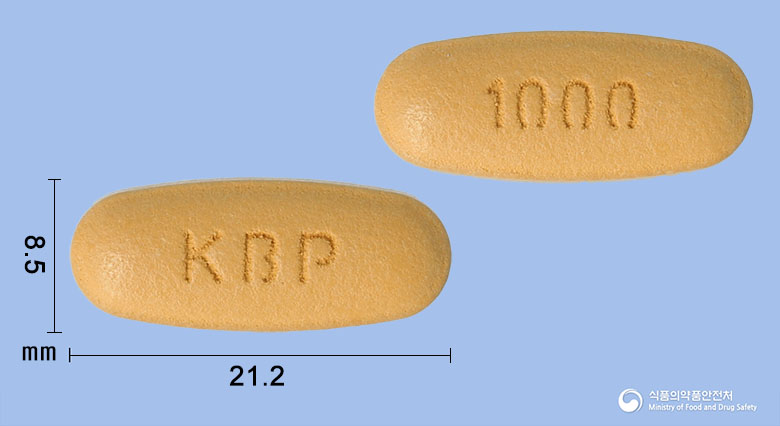 Combination
Vildagliptin Nitrate 60.4mg · Metformin Hydrochloride 1000mg
Tablet · Prescription medication · Combination
Kyungbo Pharmaceutical Co., Ltd.
Even with the same ingredient, the dose and directions can differ by strength and dosage form. Talk to a doctor or pharmacist before switching from a medication you are already taking.
No questions yet.
For anything that needs medical judgment, consult a doctor or pharmacist.
This drug information is based on data provided by the Korea Ministry of Food and Drug Safety.
Consult a doctor or pharmacist for accurate dosage, administration, and usage instructions.