
 한국어
 English
 日本語
 中文(简体)
Dosage form image
Viewing nowCombinationK-Sillin Duo Syrup [Amoxicillin-Potassium Clavulanate (7:1)]
Amoxicillin Hydrate 36.3143g · Dilute Potassium Clavulanate 5.1878g
Syrup · Prescription medication · Combination
KS Pharmaceutical Co., Ltd.
MFDS item code 202001014 · Notified 2020.02.14 · Insurance code 059000611
Treatment of respiratory and ear, nose, and throat infections, genitourinary infections, and skin, bone, and dental infections
This medication is effective in treating infections caused by various bacteria. It is used for respiratory diseases such as acute and chronic bronchitis, lobar and bronchopneumonia, empyema, and lung abscess. It is effective against tonsillitis, sinusitis, and otitis media. Additionally, it helps treat urinary tract infections such as cystitis, urethritis, and pyelonephritis. It is used for the treatment of pelvic infections and sexually transmitted diseases like gonorrhea. It is also effective against skin and soft tissue infections such as furuncle, abscess, cellulitis, and wound infections. It is widely used to treat osteomyelitis and dental infections and can be used against various resistant strains including several beta-lactamase producing strains. This drug effectively treats various bacterial infections.
For moderately severe infections such as recurrent tonsillitis, upper respiratory infections, lower respiratory infections, urinary tract infections, and skin and soft tissue infections, take 25 mg/3.6 mg per kg of body weight divided into two doses per day. For severe infections such as otitis media and sinusitis, as well as lower respiratory infections like bronchopneumonia and urinary tract infections, take 45 mg/6.4 mg per kg of body weight divided into two doses per day. To minimize the potential gastrointestinal intolerance, it is advised to administer at the beginning of meals.
○ For mild to moderate infections, including upper respiratory tract infections such as recurrent tonsillitis, lower respiratory tract infections, urinary tract infections, and skin and soft tissue infections, the usual dose is 25 mg/3.6 mg per kg of body weight per day of amoxicillin/potassium clavulanate, taken in 2 divided doses. ○ For severe infections, including upper respiratory tract infections such as otitis media and sinusitis, lower respiratory tract infections such as bronchopneumonia, and urinary tract infections, the usual dose is 45 mg/6.4 mg per kg of body weight per day of amoxicillin/potassium clavulanate, taken in 2 divided doses. ㆍ The 7 : 1 suspension is not suitable for infants younger than 2 months. ㆍ The 7 : 1 suspension is not suitable for pediatric patients with renal failure.
This medication contains the artificial sweetener aspartame, and should not be used in patients with the genetic disorder phenylketonuria. The daily intake of aspartame is restricted based on body weight, so the minimum amount possible should be used. Patients who have had hypersensitivity reactions to this drug's components or to beta-lactam antibiotics should not take this medication. Patients with infectious mononucleosis or lymphocytic leukemia should be cautious due to the risk of rash. Patients with a history of liver dysfunction or jaundice may have a risk of recurrence upon use of this drug and should avoid it. This medication contains lactose and should not be administered to patients with lactose intolerance or related genetic disorders. Patients with impaired liver or kidney function should carefully consider dosage adjustments and administration intervals when using this drug. Patients with allergies or gastrointestinal diseases are at increased risk for side effects and require careful monitoring. If any abnormal symptoms such as diarrhea, abdominal pain, or rash occur during use, they should consult a doctor immediately. Serious side effects such as pseudomembranous colitis due to antibiotic use may occur; therefore, this medication should be discontinued immediately upon symptom onset. Regular checks for resistance bacteria and abnormalities in liver and kidney function are important during long-term use. This medication may interact with other drugs, so inform healthcare providers of any other medications being taken. Women who are pregnant or nursing should carefully assess the benefits and risks of using this drug, especially during early pregnancy. The safety of this medication has not been established in children, particularly neonates under 2 months of age, and caution is advised. Elderly individuals are at higher risk of side effects due to decreased physical function and should use this drug with dosage and administration intervals adjusted carefully. This medication should be stored in a refrigerator and used within 7 days after preparation. In case of overdose, gastrointestinal symptoms or allergic reactions may occur; therefore, immediate medical attention should be sought.
Diarrhea, pseudomembranous colitis, dyspepsia, stomatitis, gastritis, glossitis, black hairy tongue, nausea, vomiting, loss of appetite, abdominal pain, abdominal distension, constipation, colonic pain, hyperacidity, soft stools, dry mouth, acute pancreatitis, candidiasis, antibiotic-associated colitis, hematochezia, itching, erythema multiforme, mucous membrane syndrome, toxic epidermal necrolysis, vesiculobullous dermatitis, acute generalized exanthematous pustulosis, eosinophilia, angioedema, anaphylaxis, serum sickness syndrome, hypersensitivity vasculitis, bronchospasm, dyspnea, laryngeal edema, anaphylactic shock, reversible leukopenia, thrombocytopenia, hemolytic anemia, anemia, thrombocytopenic purpura, eosinophilia, leukemia, agranulocytosis, lymphopenia, thrombocytosis, bone marrow suppression, prolonged bleeding time, prolonged prothrombin time, vaginal itching, vaginal burning, increased discharge, restlessness, anxiety, behavior changes, confusion, drowsiness, insomnia, hyperactivity, dizziness, headache, seizures, antispasmodic, fever, clouding of consciousness, aseptic meningitis, acute renal failure, interstitial nephritis, hematuria, crystalluria, symptoms of vitamin K deficiency, hypoprothrombinemia, bleeding tendency, symptoms of vitamin B group deficiency, taste disorder, malaise, dermatitis, oral edema, gastric pain, electrolyte and fluid imbalance, rash, hyperactivity, drowsiness, decreased urination, renal failure, interstitial brain seizures, hypersensitivity shock, skin reactions, bleeding, pancytopenia
Not everyone experiences these, and they can vary from person to person.
This medication should be stored in a tightly sealed container to protect it from air and moisture, maintaining a storage temperature between 1 to 25 degrees Celsius. Therefore, it is important to keep the medication in a cool and dry place until it is used.
A whitish powder with a peculiar smell, a syrup that dissolves prior to use.
50 milliliters/bottle
Even with the same ingredient, strength, dosage form and how it is taken can differ.
Amoxicillin Hydrate 36.3143g · Dilute Potassium Clavulanate 5.1878g
Syrup · Prescription medication · Combination
KS Pharmaceutical Co., Ltd.
 Combination
Amoxicillin Hydrate 500mg · Dilute Potassium Clavulanate 215.52mg
Tablet · Prescription medication · Combination
Geonil Pharmaceutical Co., Ltd.
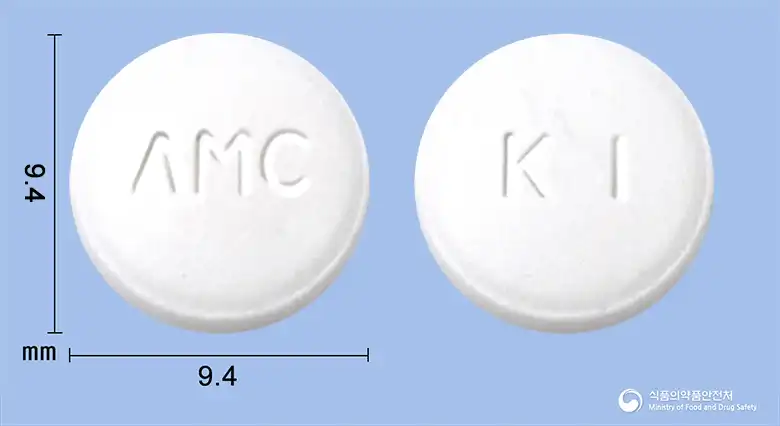 Combination
Amoxicillin Hydrate 125mg · Dilute Potassium Clavulanate 107.76mg
Tablet · Prescription medication · Combination
Geonil Pharmaceutical Co., Ltd.
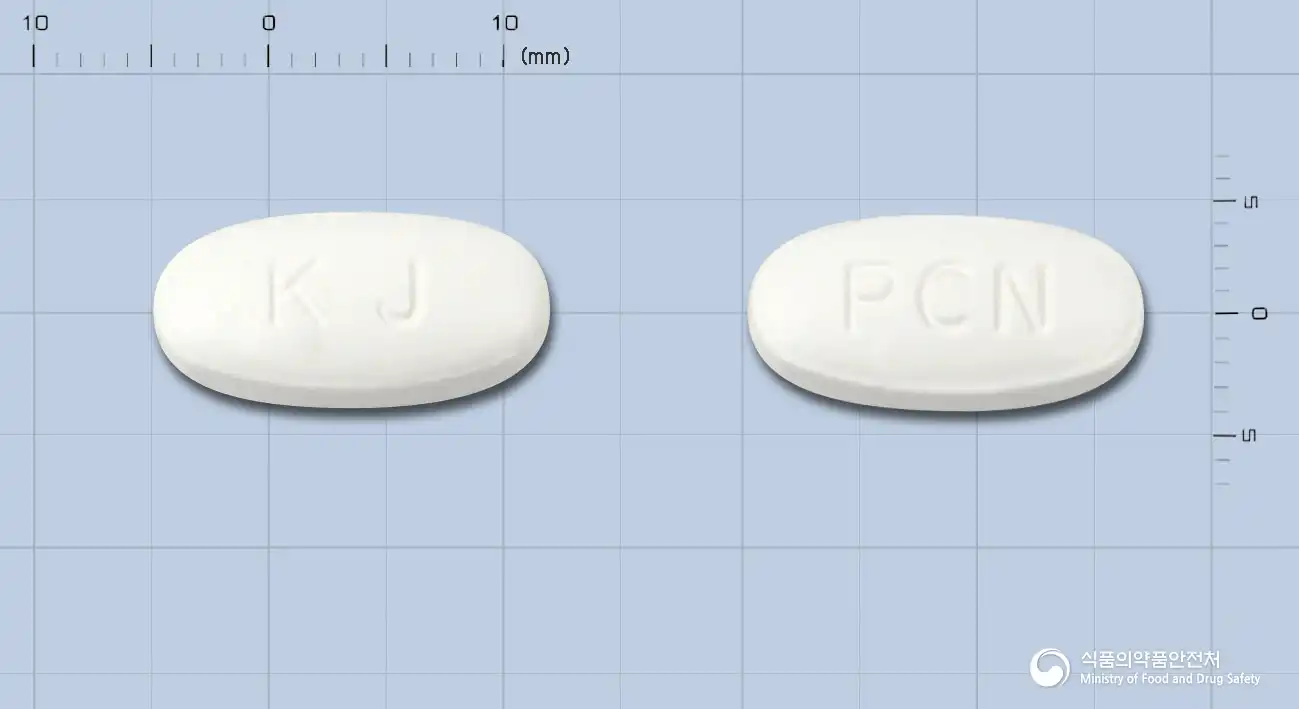 Combination
Amoxicillin Hydrate 250mg · Dilute Potassium Clavulanate 212.73mg
Tablet · Prescription medication · Combination
International Pharmaceutical Co., Ltd.
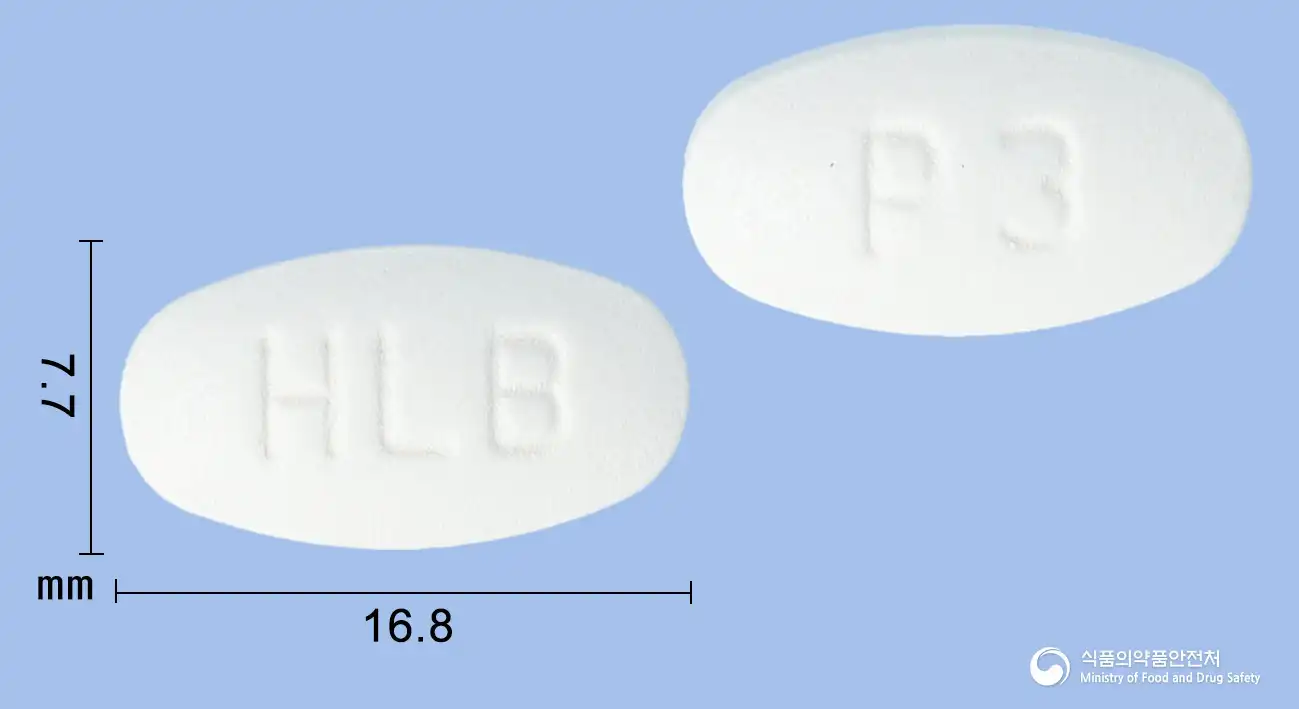 Combination
Amoxicillin Hydrate 250mg · Dilute Potassium Clavulanate 215.52mg
Tablet · Prescription medication · Combination
HLB Pharmaceutical Co., Ltd.
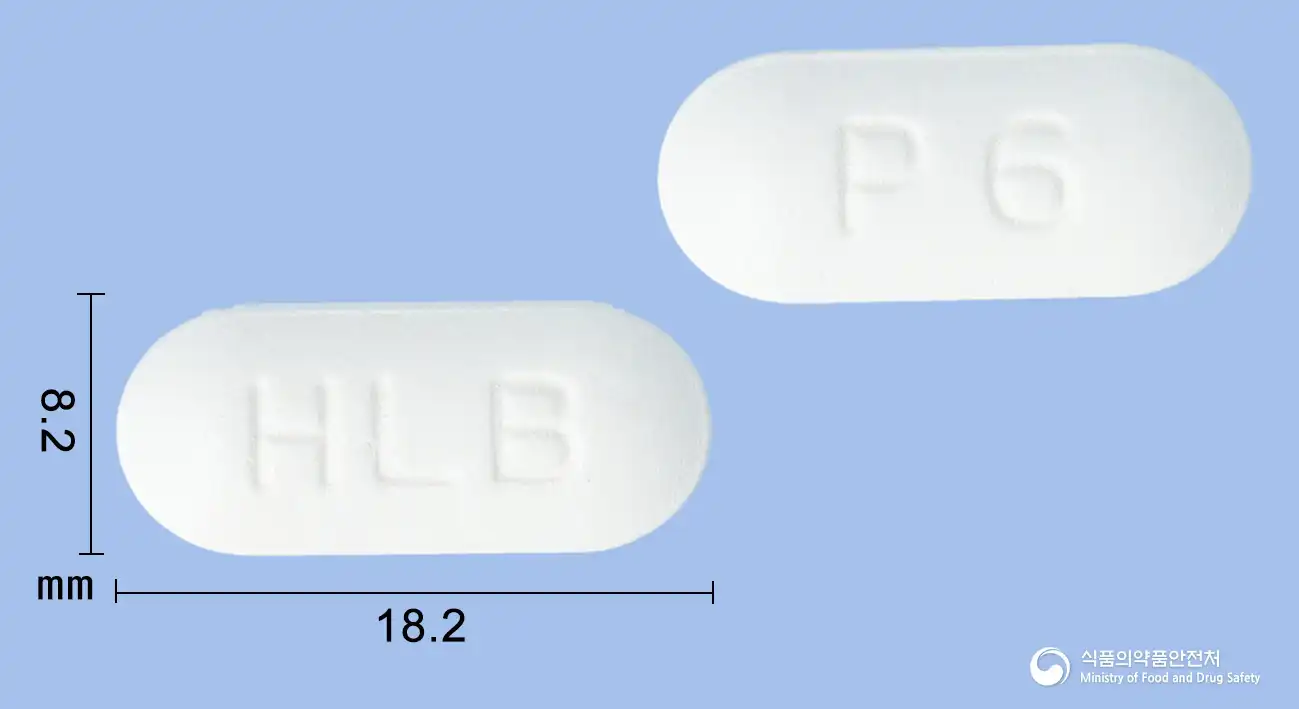 Combination
Amoxicillin Hydrate 500mg · Dilute Potassium Clavulanate 215.52mg
Tablet · Prescription medication · Combination
HLB Pharmaceuticals Co., Ltd.
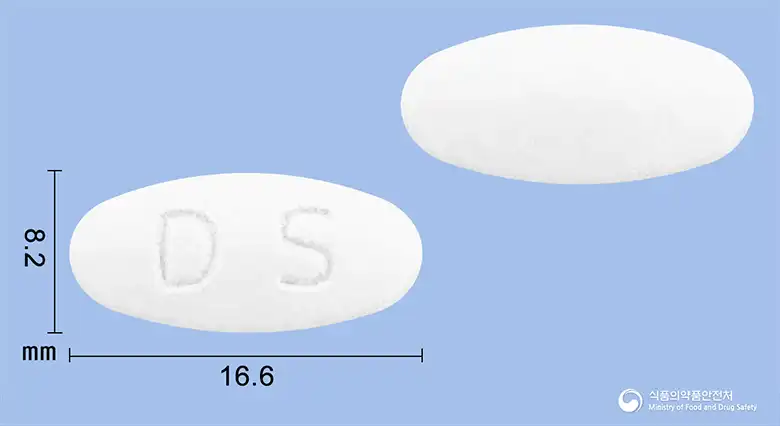 Combination
Amoxicillin Hydrate 250mg · Dilute Potassium Clavulanate 215.52mg
Tablet · Prescription medication · Combination
Dong Sung Pharmaceutical Co., Ltd.
 Combination
Amoxicillin Hydrate 250mg · Dilute Potassium Clavulanate 212.73mg
Tablet · Prescription medication · Combination
Youngjin Pharmaceutical Co., Ltd.
Even with the same ingredient, the dose and directions can differ by strength and dosage form. Talk to a doctor or pharmacist before switching from a medication you are already taking.
No questions yet.
For anything that needs medical judgment, consult a doctor or pharmacist.
This drug information is based on data provided by the Korea Ministry of Food and Drug Safety.
Consult a doctor or pharmacist for accurate dosage, administration, and usage instructions.