
 한국어
 English
 日本語
 中文(简体)
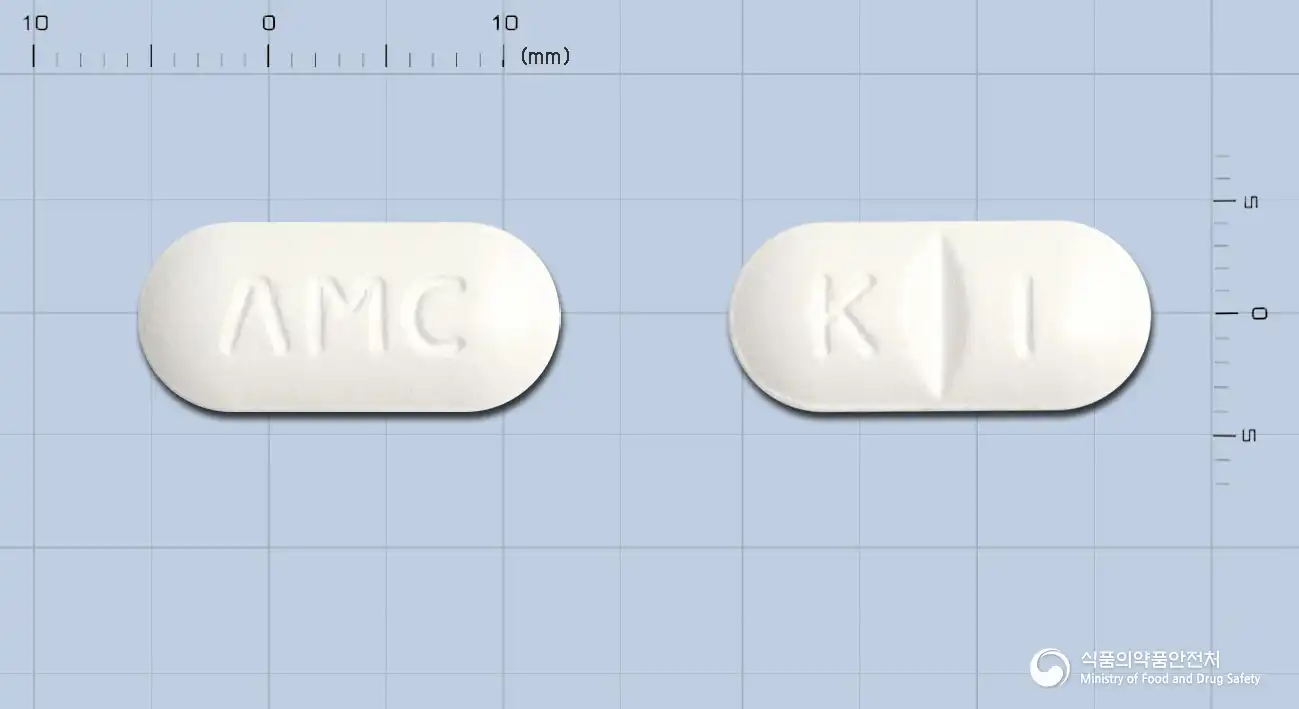
Dosage form image
Viewing nowCombinationSincra 625 mg (Amoxicillin-Potassium Clavulanate)
Amoxicillin Hydrate 500mg · Dilute Potassium Clavulanate 212.73mg
Tablet · Prescription medication · Combination
Sinil Pharmaceutical Co., Ltd.
MFDS item code 201906887 · Approved 2019.09.27
This product's status changed to Expired on 2024.09.27. It may no longer be sold, so consult a doctor or pharmacist before taking it.
Treatment of respiratory and ear, nose, and throat infections, genitourinary infections, and skin, bone, and dental infections
This medication is used to treat various infectious diseases caused by different bacteria. It is effective for respiratory infections such as acute and chronic bronchitis, pneumonia, tonsillitis, sinusitis, and otitis media. It also helps treat urinary tract infections such as cystitis, urethritis, and pyelonephritis, as well as sexually transmitted diseases like gonorrhea. It is also used to treat bacterial infections in various sites including skin and soft tissue infections, osteomyelitis, and dental infections. These infections are caused by various bacteria, including Staphylococcus aureus, Escherichia coli, and Streptococcus pneumoniae, and this medication is effective against resistant strains, including those producing beta-lactamase. It is used to treat infections caused by a wide range of bacteria.
Adults: The recommended dose is 250 mg/125 mg of amoxicillin/potassium clavulanate per dose, taken orally 3 times daily every 8 hours. For severe infections and respiratory tract infections, the dose may be increased to 500 mg/125 mg of amoxicillin/potassium clavulanate per dose. For patients with renal impairment, adjust the dose appropriately according to creatinine clearance. Creatinine clearance 10 ~ 30 mL/min: Administer 250 ~ 500 mg of amoxicillin per dose orally every 12 hours. Creatinine clearance 10 mL/min or less: Administer 250 mg of amoxicillin per dose every 24 hours, without exceeding the dose. However, for dental infections, administer 250 mg of amoxicillin per dose 3 times daily for 5 days.
Children aged 12 years or older or weighing 40 kg or more: The recommended dose is 250 mg/125 mg of amoxicillin/potassium clavulanate per dose, taken orally 3 times daily every 8 hours. For severe infections and respiratory tract infections, the dose may be increased to 500 mg/125 mg of amoxicillin/potassium clavulanate per dose. Children with renal impairment: Reduce the dose in the same manner.
This medication should not be used in certain patients. Patients who have had allergic reactions to this medication or beta-lactam antibiotics, patients with viral infections such as infectious mononucleosis or lymphocytic leukemia, and those with a history of liver dysfunction or jaundice due to this medication or penicillin-related drugs should not take this medication. Patients with impaired liver function or severe kidney impairment should use this medication more cautiously. Caution is also needed for patients with a history of allergies, gastrointestinal symptoms such as vomiting and diarrhea, as well as elderly patients or those in poor health. Various side effects can occur during treatment with this medication, especially gastrointestinal issues such as diarrhea, abdominal pain, and vomiting are commonly reported. Rarely, various side effects such as liver dysfunction, skin rash, allergic reactions, blood abnormalities, neurological symptoms, and kidney problems can occur, so immediate consultation with a doctor is necessary if any unusual signs appear. It is important to regularly monitor liver and kidney function and blood status during the use of this medication. Additionally, this medication may interact with other drugs, so it is essential to inform healthcare providers about any other medications being taken, especially when using it alongside anticoagulants or certain antibiotics. Women who are pregnant or breastfeeding should carefully weigh the risks and benefits before using this medication, especially avoiding use during the first three months of pregnancy. Caution is needed when administering this medication to children and the elderly, as the elderly may be at higher risk of bleeding due to vitamin K deficiency, and their condition should be closely monitored. In case of overdose, gastrointestinal symptoms, renal failure, rashes, and seizures may occur, so immediate discontinuation and appropriate treatment should be sought. This medication should be stored away from direct sunlight in a cool, dry place at or below 25 degrees Celsius.
Not everyone experiences these, and they can vary from person to person.
This medication should be stored in a sealed container to avoid moisture, preferably in a cool and dry place at or below 25 degrees Celsius. By storing it this way, the effectiveness of the medication can be preserved and deterioration can be prevented.
White or almost white oval film-coated tablets
40 tablets (4 tablets/PTP*10), 60 tablets (6 tablets/PTP*10)
Even with the same ingredient, strength, dosage form and how it is taken can differ.
Amoxicillin Hydrate 500mg · Dilute Potassium Clavulanate 212.73mg
Tablet · Prescription medication · Combination
Sinil Pharmaceutical Co., Ltd.
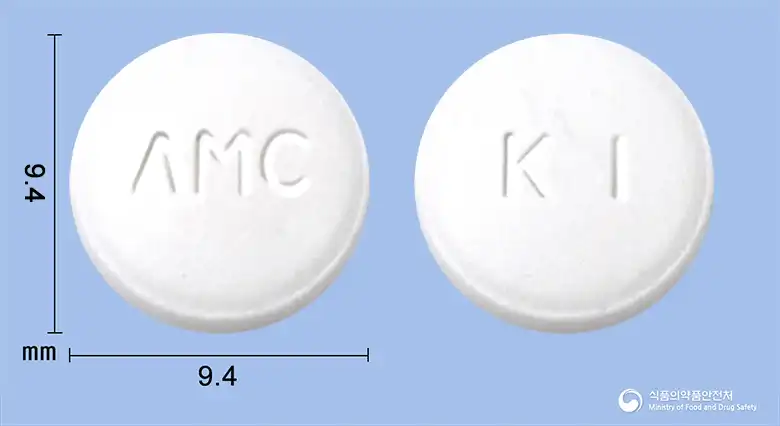
 Combination
Amoxicillin Hydrate 500mg · Dilute Potassium Clavulanate 215.52mg
Tablet · Prescription medication · Combination
Geonil Pharmaceutical Co., Ltd.
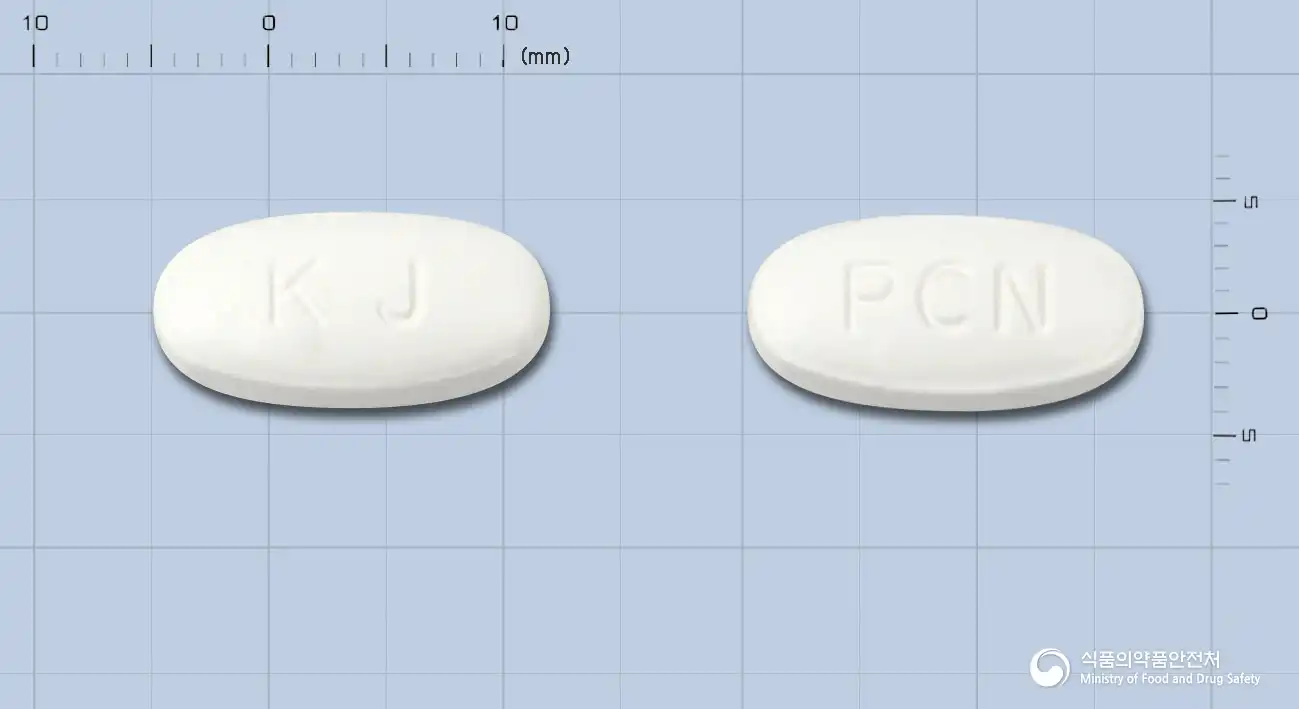
 Combination
Amoxicillin Hydrate 125mg · Dilute Potassium Clavulanate 107.76mg
Tablet · Prescription medication · Combination
Geonil Pharmaceutical Co., Ltd.
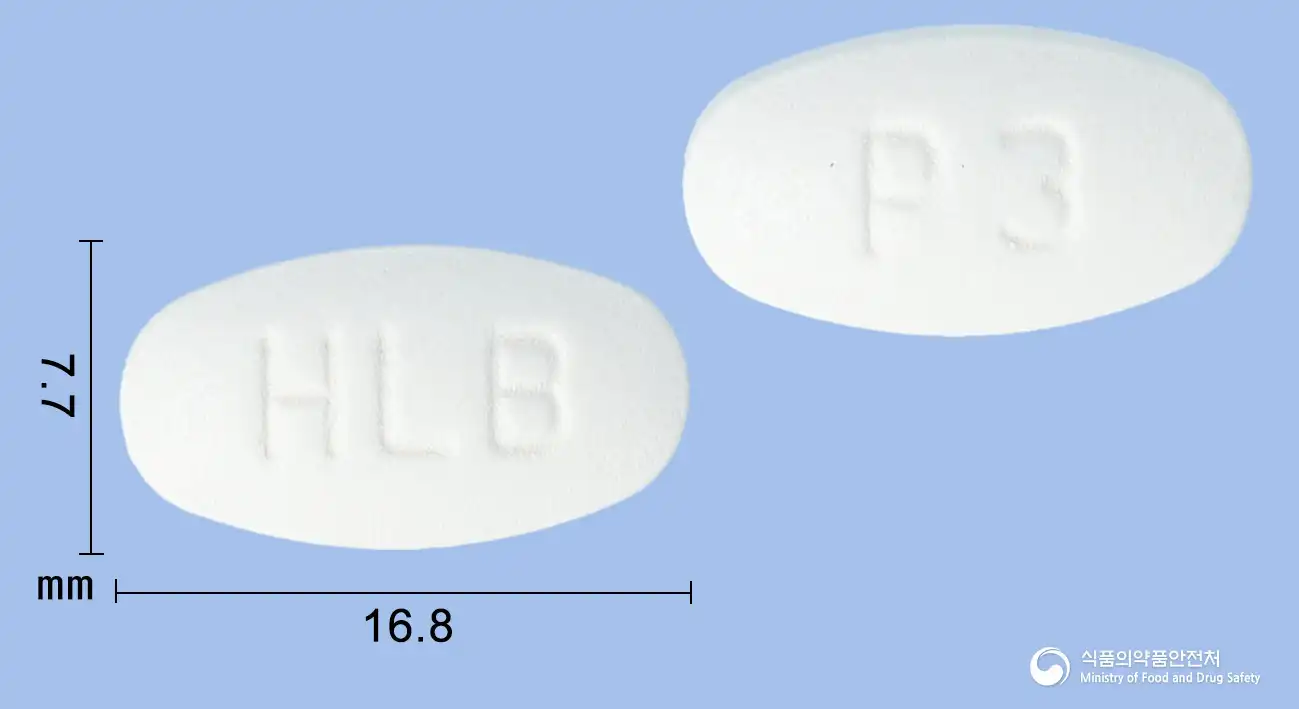
 Combination
Amoxicillin Hydrate 250mg · Dilute Potassium Clavulanate 212.73mg
Tablet · Prescription medication · Combination
International Pharmaceutical Co., Ltd.
 Combination
Amoxicillin Hydrate 250mg · Dilute Potassium Clavulanate 215.52mg
Tablet · Prescription medication · Combination
HLB Pharmaceutical Co., Ltd.
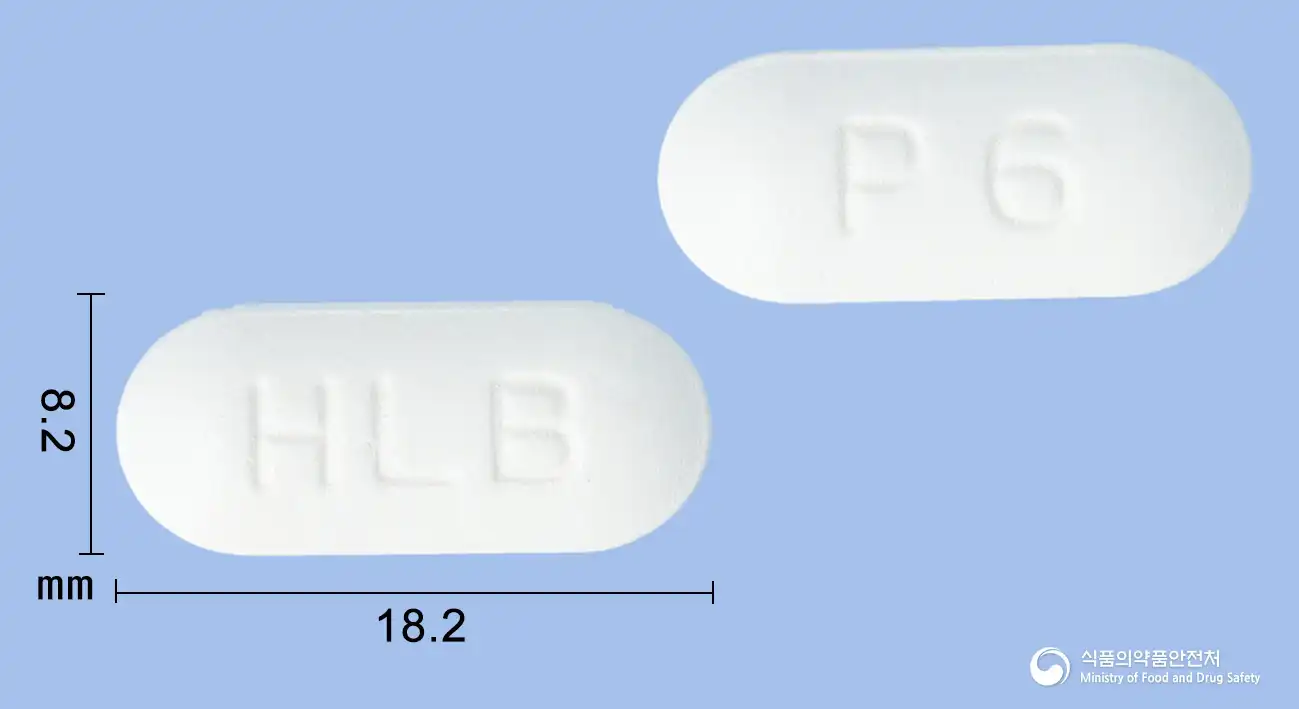 Combination
Amoxicillin Hydrate 500mg · Dilute Potassium Clavulanate 215.52mg
Tablet · Prescription medication · Combination
HLB Pharmaceuticals Co., Ltd.
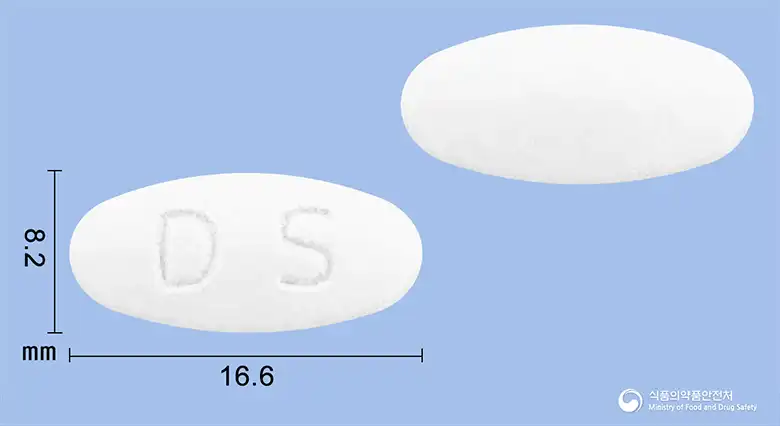 Combination
Amoxicillin Hydrate 250mg · Dilute Potassium Clavulanate 215.52mg
Tablet · Prescription medication · Combination
Dong Sung Pharmaceutical Co., Ltd.
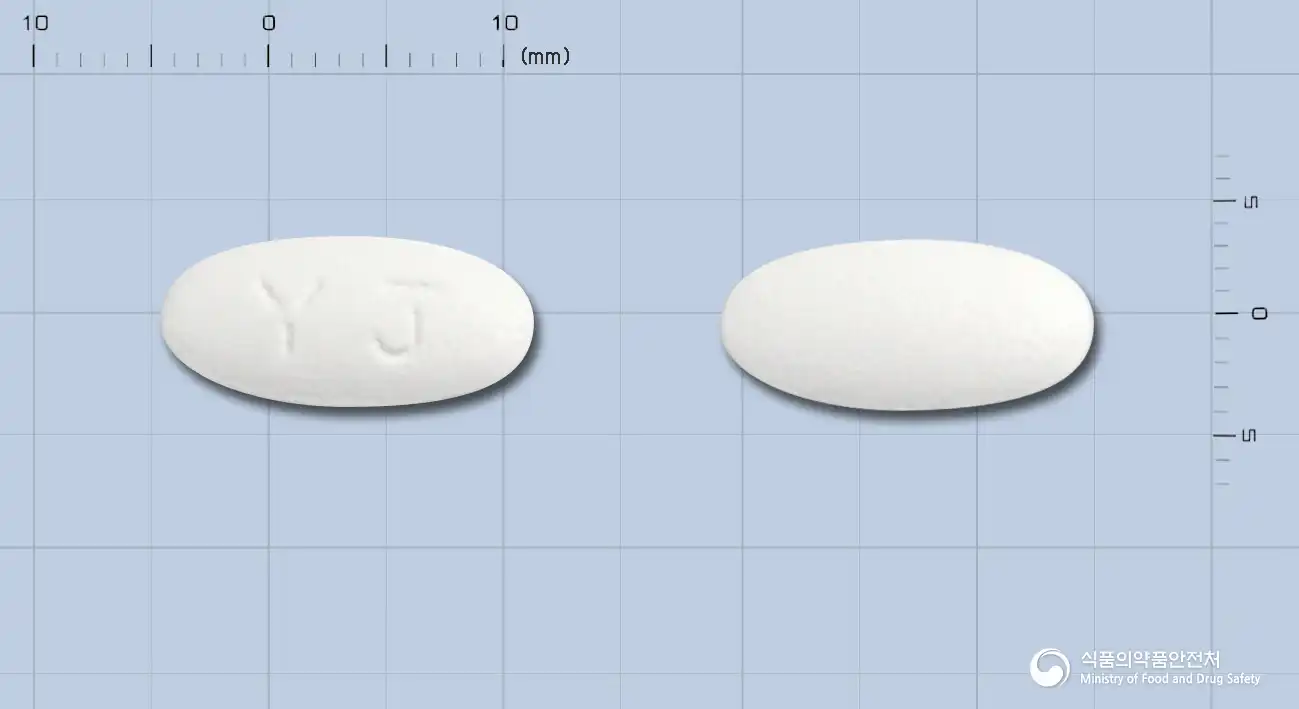 Combination
Amoxicillin Hydrate 250mg · Dilute Potassium Clavulanate 212.73mg
Tablet · Prescription medication · Combination
Youngjin Pharmaceutical Co., Ltd.
Even with the same ingredient, the dose and directions can differ by strength and dosage form. Talk to a doctor or pharmacist before switching from a medication you are already taking.
No questions yet.
For anything that needs medical judgment, consult a doctor or pharmacist.
This drug information is based on data provided by the Korea Ministry of Food and Drug Safety.
Consult a doctor or pharmacist for accurate dosage, administration, and usage instructions.