
 한국어
 English
 日本語
 中文(简体)
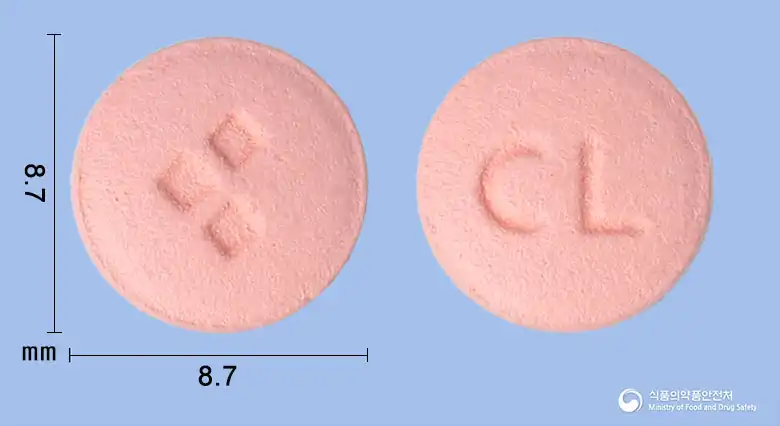 Viewing now
Clopidogrel 75 mg (Clopidogrel Sulfate)
Clopidogrel Bisulfate 97.875mg
Tablet · Prescription medication
Myungin Pharmaceutical Co., Ltd.
MFDS item code 201902793 · Approved 2019.04.30 · Insurance code 651904840
Improvement of atherosclerotic symptoms; prevention of atherothrombotic and thromboembolic events in patients with atrial fibrillation
This medication is used to improve atherosclerotic symptoms in adult patients with ischemic stroke, myocardial infarction, or peripheral artery disease. It is also effective in reducing the risk of cardiovascular complications in patients with acute coronary syndrome, unstable angina, or non-ST elevation myocardial infarction who have undergone drug therapy, coronary intervention, or coronary artery bypass surgery. Additionally, it helps reduce the risk of stroke and thromboembolism in patients with atrial fibrillation who have one or more vascular risk factors but for whom the use of vitamin K antagonists is not suitable and the risk of bleeding is low. In summary, this medication improves atherosclerotic symptoms and reduces the risk of thrombus formation, thereby enhancing cardiovascular health.
○ Adults 1. For patients with ischemic stroke, myocardial infarction, or peripheral arterial disease, administer clopidogrel 75 mg orally once daily. 2. For patients with acute coronary syndrome (unstable angina or non-Q-wave myocardial infarction), on the day treatment with this medicine is initiated, start with a loading dose of 300 mg once daily, followed by a maintenance dose of 75 mg orally once daily. Aspirin 75 ~ 325 mg should be administered in combination with this medicine once daily. 3. For patients with atrial fibrillation, administer this medicine 75 mg orally once daily. Aspirin 75 ~ 100 mg should be administered in combination with this medicine once daily. ○ Patients with renal impairment : Treatment experience in patients with renal impairment is limited. ○ Patients with hepatic impairment : Treatment experience in patients with moderate hepatic disease and a bleeding diathesis is limited. This medicine may be administered with or without food.
This medication is an antiplatelet agent that prevents platelets from aggregating to form clots. There may be an increased risk of bleeding while taking this medication, and it may take longer for bleeding to stop. Any bleeding that does not stop or any prolonged bleeding should be reported to a doctor immediately. In particular, patients with genetically decreased activity of the CYP2C19 enzyme may experience reduced efficacy of this medication; therefore, treatment methods may need to be adjusted or alternative medications considered. Additionally, co-administration with drugs that activate the CYP2C19 enzyme can increase the concentration of this medication, thereby increasing the risk of bleeding, so co-administration should be avoided. Patients with allergies to this medication, severe bleeding conditions, severe liver impairment, nursing mothers, and those with certain genetic lactose intolerances should not take this medication. Patients at high risk of bleeding or scheduled for surgery must consult a doctor before taking this medication, and may need to discontinue use 5 to 7 days prior to surgery. Care should also be taken when co-administering this medication with aspirin or other drugs that increase the risk of bleeding. During treatment with this medication, regular monitoring through blood tests or other means to check for bleeding or blood abnormalities is required. Rarely, this medication can cause serious thrombocytopenia or blood disorders, so if fever or signs of infection occur, the doctor should be informed immediately. Gastrointestinal symptoms may include abdominal pain, dyspepsia, diarrhea, and allergic reactions such as skin rashes or itching have also been reported. Elderly patients or those with impaired renal or liver function are at increased risk of bleeding and should use this medication with caution, as dose adjustments or monitoring may be necessary. Pregnant women are advised to discontinue use before delivery, as there may be an increased risk of bleeding. Nursing mothers should consult their doctor regarding whether to continue breastfeeding or discontinue use, as this medication may be secreted in breast milk. Overdose may further increase the risk of bleeding and since there is no specific antidote, platelet transfusion or other treatment may be necessary if there is severe bleeding. The safety and efficacy of this medication in children have not been established, so caution is advised when using it. Before starting or stopping any new medications during the use of this medication, it is essential to consult with a doctor or pharmacist, especially if co-administering with other drugs that increase the risk of bleeding.
Not everyone experiences these, and they can vary from person to person.
This medication should be stored in a tightly closed container to protect it from air and moisture. It is best to maintain a storage temperature between 1 and 30 degrees Celsius.
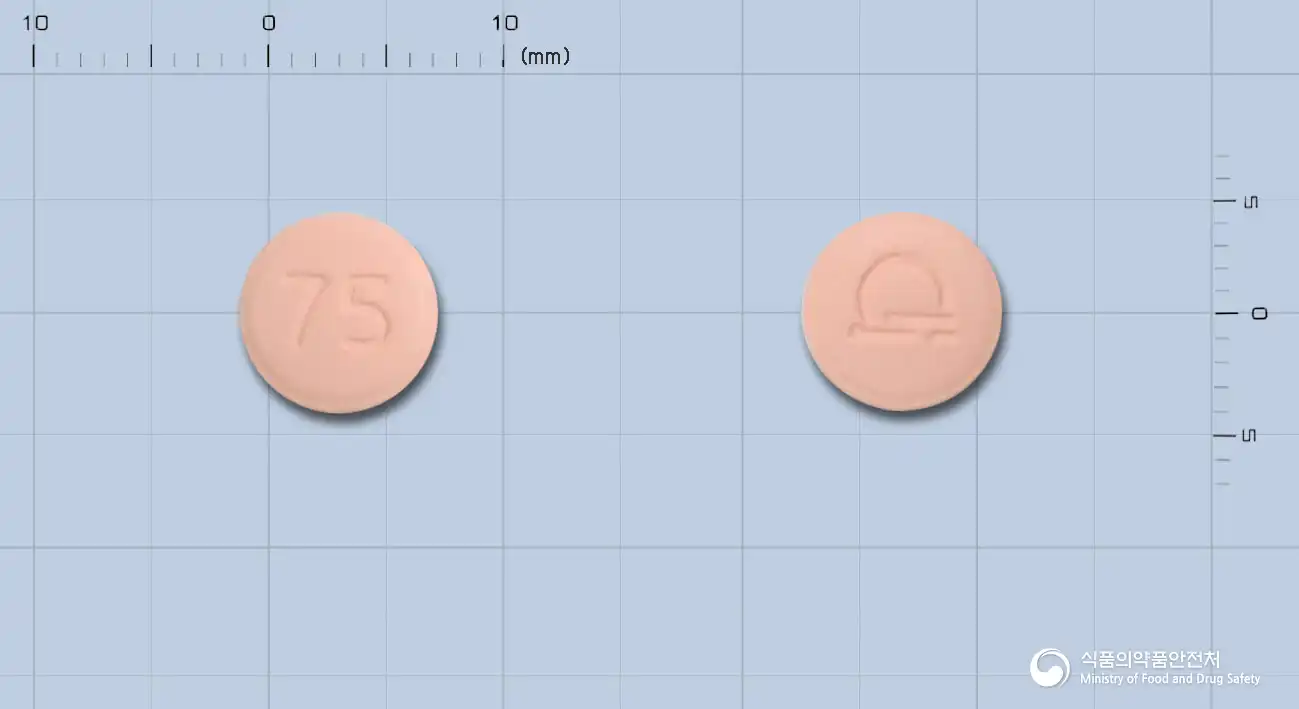
Pink round film-coated tablet
30 tablets/bottle, 100 tablets/bottle
Even with the same ingredient, strength, dosage form and how it is taken can differ.
Viewing nowClopidogrel Bisulfate 97.875mg
Tablet · Prescription medication
Myungin Pharmaceutical Co., Ltd.
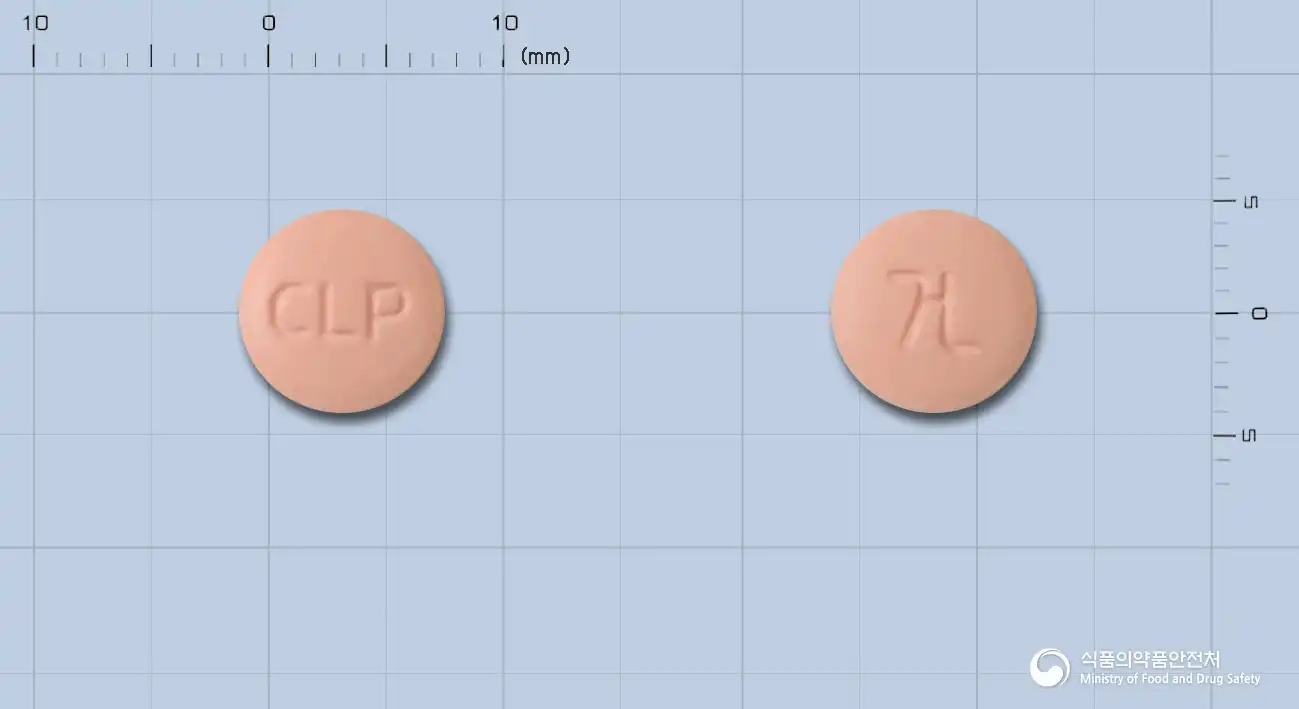
Clopidogrel Bisulfate 97.875mg
Tablet · Prescription medication
Geonil Pharmaceutical Co., Ltd.
Clopidogrel Bisulfate 97.875mg
Tablet · Prescription medication
Sama Pharmaceutical Co., Ltd.
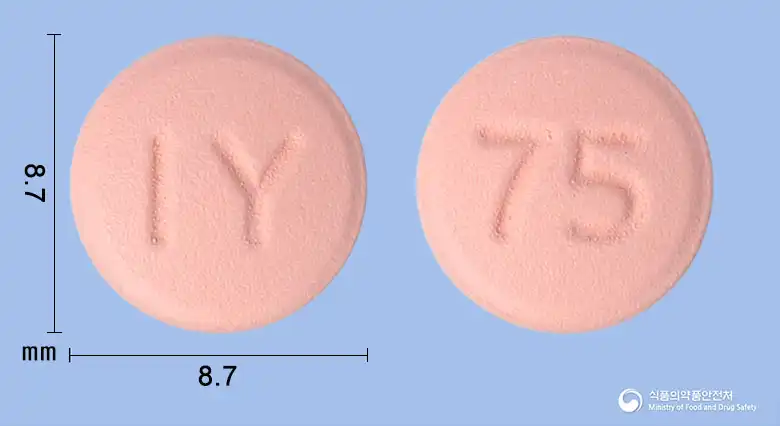
Clopidogrel Bisulfate 97.875mg
Tablet · Prescription medication
Il Yang Pharmaceutical Co., Ltd.
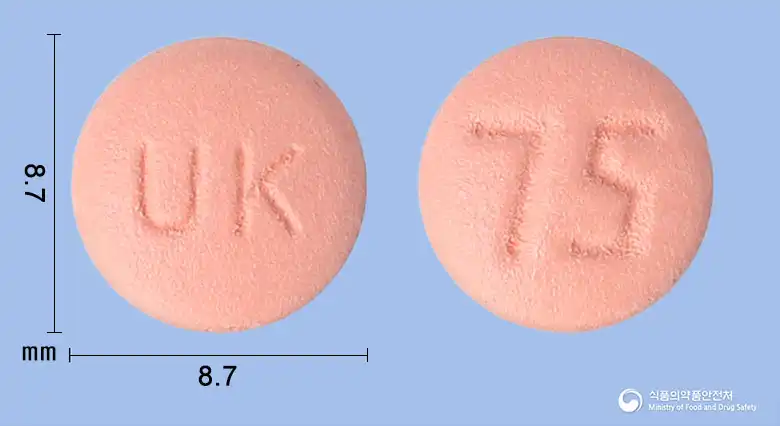
Clopidogrel Bisulfate 97.875mg
Tablet · Prescription medication
Korea Union Pharmaceutical Co., Ltd.

Clopidogrel Bisulfate 97.875mg
Tablet · Prescription medication
(Co., Ltd.) Korea Pharma

Clopidogrel Bisulfate 97.875mg
Tablet · Prescription medication
Samjin Pharmaceutical Co., Ltd.
Clopidogrel Bisulfate 97.875mg
Tablet · Prescription medication
Daewon Pharmaceutical Co., Ltd.
Even with the same ingredient, the dose and directions can differ by strength and dosage form. Talk to a doctor or pharmacist before switching from a medication you are already taking.
No questions yet.
For anything that needs medical judgment, consult a doctor or pharmacist.
This drug information is based on data provided by the Korea Ministry of Food and Drug Safety.
Consult a doctor or pharmacist for accurate dosage, administration, and usage instructions.