
 한국어
 English
 日本語
 中文(简体)
Summary
- Main use
- Treatment of uncomplicated urinary tract infections, including acute cystitis
- Who takes it
- Adults
- Adult dose
- Usually, adults take 50~100 mg of nitrofurantoin per dose orally 4 times daily after meals and at bedtime. For long-term suppressive therapy, adults take 50~100 mg once daily.
Ingredients
- Manufacturer
- Boryeong Co., Ltd.
Efficacy & effects
Treatment of uncomplicated urinary tract infections, including acute cystitis
- Acute cystitis
- simple urinary tract infections
View approved original textHide original text
This medication is effective against various bacteria, including Escherichia coli, Enterococcus, Staphylococcus aureus, Klebsiella, and Enterobacter species. It is primarily used for the treatment of simple urinary tract infections including acute cystitis. This medication effectively improves infections in the urinary tract and helps alleviate patients' symptoms.
How to take
Adult dose
Usually, adults take 50~100 mg of nitrofurantoin per dose orally 4 times daily after meals and at bedtime. For long-term suppressive therapy, adults take 50~100 mg once daily.
Precautions
This medication can cause serious reactions in the lungs, so if there are any abnormal symptoms in the lungs, use should be discontinued immediately and a physician consulted. It can also cause liver damage, so regular liver function tests should be performed and the medication should be stopped if symptoms of hepatitis appear. There is a risk of peripheral nerve damage, so special caution should be exercised in cases of poor kidney function or anemic conditions, diabetes, and vitamin B deficiency. In patients with specific genetic deficiency symptoms, hemolytic anemia may occur; therefore, if these symptoms are suspected, the medication should be stopped. If severe diarrhea or abdominal pain occurs after antibiotic use, there is a risk of Clostridium difficile infection, and immediate consultation with a physician is necessary. This medication should not be used in patients with impaired kidney function, women in late pregnancy or during childbirth, infants under 3 months, patients with a history of liver dysfunction, or those with specific genetic diseases. Caution should be taken when administering this medication to patients with anemia, neuropathy, liver or lung diseases, the elderly, and those with inflammatory bowel disease. This medication is ineffective against viral infections and should not be used if a bacterial infection is not certain. During use, urine color may change, and it may interact with other medications, so inform the physician of any medications being taken. Pregnant or lactating women should consult a physician before use, as this medication may affect the fetus or newborn. The elderly may be more vulnerable to the side effects of this medication, so additional caution is needed during use. Finally, this medication should be kept out of the reach of children and should not be transferred to other containers for safety.
Side effects
- Acute
- subacute
- chronic lung reactions
- pulmonary hypersensitivity
- fatigue
- exertional dyspnea
- cough
- changes in lung function
- interstitial pneumonia
- pulmonary fibrosis
Show 64 moreCollapse
- fever
- chills
- pain
- dyspnea
- pulmonary infiltration
- eosinophilia
- EKG changes
- cyanosis
- hepatitis
- autoimmune hepatitis
- cholestatic jaundice
- chronic active hepatitis
- liver necrosis
- interstitial nephritis
- peripheral neuropathy
- weakness
- dizziness
- nystagmus
- lightheadedness
- headache
- drowsiness
- benign intracranial hypertension
- confusion
- depression
- optic neuritis
- psychological reactions
- dermal erosion
- exfoliative dermatitis
- erythema multiforme
- Stevens-Johnson syndrome
- alopecia
- lupus-like syndrome
- angioedema
- papules
- erythema
- eczematous rash
- pruritus
- urticaria
- anaphylaxis
- arthralgia
- myalgia
- drug fever
- vasculitis
- nausea
- vomiting
- anorexia
- abdominal pain
- diarrhea
- sialadenitis
- pancreatitis
- membrandous colitis
- methemoglobinemia
- superinfection
- increased AST
- increased ALT
- decreased hemoglobin
- increased serum phosphorus
- agranulocytosis
- leukopenia
- neutropenia
- hemolytic anemia
- thrombocytopenia
- megaloblastic anemia
- aplastic anemia
Not everyone experiences these, and they can vary from person to person.
Storage
Store this medication in a closed container to protect it from air and light. It is best to keep it at room temperature between 1 and 30 degrees Celsius.
Appearance and packaging
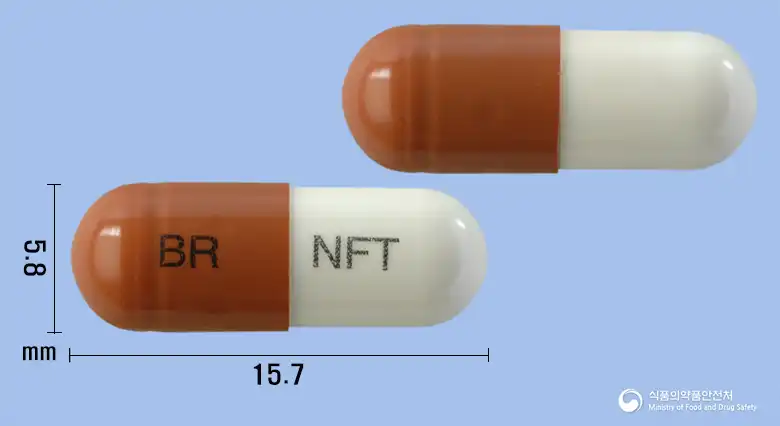
Appearance
Hard capsule with light yellow powder in the upper beige part and white in the lower part
Package unit
30 capsules/bottle, 100 capsules/bottle
Questions about this medicine
No questions yet.
For anything that needs medical judgment, consult a doctor or pharmacist.