
 한국어
 English
 日本語
 中文(简体)
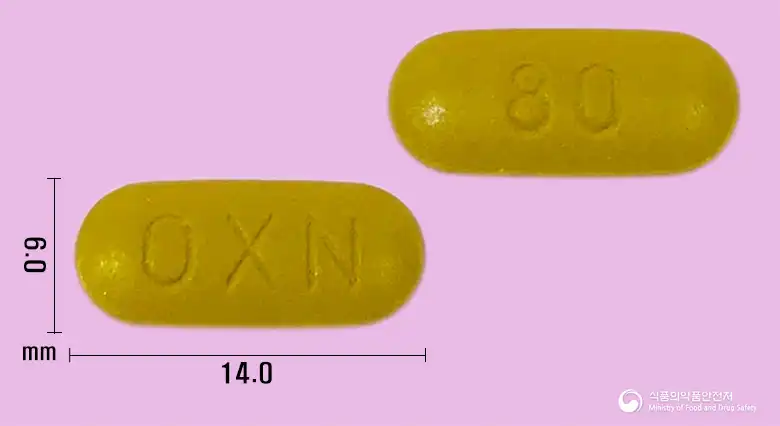 Viewing nowCombination
Tajinsa Sustained Release Tablet 80/40mg
Oxycodone Hydrochloride 84mg · Naloxone Hydrochloride Dihydrate 43.6mg
Tablet · Prescription medication · Combination
Korea Mundi Pharma Co., Ltd.
MFDS item code 201708261 · Approved 2017.12.07 · Insurance code 678000480
Relief of moderate to severe pain requiring opioid analgesics
This medicine is used to relieve moderate to severe pain. It effectively reduces severe pain requiring an opioid analgesic, helping patients manage their pain. It plays a crucial role in improving quality of life by alleviating discomfort in daily activities. Therefore, it is used when there is moderate or greater severe pain.
The usual initial dose for these patients is one Targin prolonged-release tablet 10mg/5mg every 12 hours. Targin prolonged-release tablets 5mg/2.5mg are used when starting opioid analgesic therapy or adjusting the individual dose. In patients currently receiving opioid analgesics, treatment may be initiated at a higher dose depending on their previous experience with opioid analgesics. The maximum daily dose of this drug is limited to 160mg/80mg (oxycodone hydrochloride 160mg + naloxone hydrochloride 80mg). This maximum daily dose may be used in patients with experience of being stably maintained on this daily dose of Targin prolonged-release tablets and in patients requiring a dose increase. For patients requiring a higher dose, supplementary prolonged-release oxycodone at the same dosing intervals should be considered, taking into account that the maximum daily dose of prolonged-release oxycodone is 400mg. Oxycodone doses exceeding 40 mg per dose or 80 mg per day should be used only in patients tolerant to opioid analgesics, and sufficient caution should be exercised in these cases. Patients should be informed that use of oxycodone exceeding 40 mg per dose or 80 mg per day in patients who are not tolerant to opioid analgesics may result in serious adverse reactions, including death. Some patients taking this drug at regular intervals may require an immediate-release analgesic as rescue medication for breakthrough pain. Because this drug is a prolonged-release formulation, it is not used to treat breakthrough pain. The single dose of rescue medication used to treat breakthrough pain should be approximately 1/6 of the daily oxycodone dose. If more than 2 doses of rescue medication are required per day, this generally indicates that the dose of this drug needs to be increased. Adjust the dose every 1∼2 days using 5mg/2.5mg or 10mg/5mg (twice daily) until a stable dose is reached. This drug is administered twice daily at a fixed dose and fixed dosing interval (every 12 hours). In most patients, symmetrical dosing (the same dose in the morning and evening) at fixed intervals is appropriate, but asymmetric dosing may be beneficial in some patients depending on the pain pattern. In general, select the lowest dose that provides analgesia. For the treatment of non-cancer pain, a daily dose of oxycodone hydrochloride/naloxone hydrochloride up to 40/20mg (this drug 20/10mg twice daily) is generally sufficient, although higher doses may be required. Take this drug twice daily at the prescribed times and doses. The prolonged-release tablet may be taken with plenty of water, with or without food. Swallow this drug whole; do not chew or crush it. This drug should not be administered for longer than absolutely necessary. For patients who no longer require opioid analgesic therapy, gradual dose reduction is recommended to prevent withdrawal symptoms. As in adults, the dose in elderly patients should be adjusted according to pain intensity and patient sensitivity. Use caution when administering this drug to patients with mild hepatic impairment. This drug should not be administered to patients with moderate to severe hepatic impairment. Use caution when administering this drug to patients with renal impairment.
The safety and efficacy of this drug in children under 18 years of age have not been established; therefore, its use in children under 18 years of age is not recommended.
This medication is designed as a sustained release tablet, which should be swallowed whole without chewing or crushing. Chewing or crushing the tablet may lead to rapid release of the drug, resulting in serious side effects or severe respiratory depression. This medication is not suitable for treating withdrawal symptoms; other treatments should be sought if withdrawal symptoms occur. One of the major risks associated with this medicine is respiratory depression, which can be life-threatening in severe cases, therefore caution is required. Special care should be taken to prevent misuse of this medication to avoid drug addiction or abuse. Taking this medication with other CNS-affecting medications or alcohol can result in severe drowsiness, coma, and respiratory depression, so it should be avoided or used under strict medical supervision. This medication should not be administered to patients with specific diseases or to women who are pregnant or breastfeeding, as well as to patients with severely impaired liver or kidney function; consultation with a physician is mandatory in these cases. Patients requiring special caution include those with respiratory diseases, head injuries, hypotension, the elderly, and alcoholics; close observation and management are required when using this medication. Prolonged use of this medication may result in tolerance and physical dependence; sudden discontinuation may trigger withdrawal symptoms, so the dosage should be gradually reduced. Activities requiring alertness, such as driving or operating machinery, should be approached with caution, as drowsiness or sudden sleepiness may occur after taking this medication. Common side effects include constipation, nausea, drowsiness, dizziness, itching, headache, dry mouth, sweating, weakness, etc. In severe cases, respiratory distress or allergic reactions may occur. In case of overdose, respiratory depression, coma, hypotension, and even death may occur, requiring immediate emergency care, with naloxone being a possible antidote. This medication must be kept out of reach of children and stored in its original container for safety. Women who are pregnant or breastfeeding should not use this medication, as it can have serious effects on the fetus or newborn. Its safety and efficacy have not been established for children under 18 years of age, hence its use is not recommended for this age group. Elderly patients may experience slower drug metabolism, thus initial doses should be reduced and administration should be done cautiously as the risk of respiratory depression is higher. This medication is for oral use only; crushing or injecting the tablet can cause serious side effects. Interaction with other drugs is possible; it is essential to consult a physician or pharmacist when taking it with CNS depressants, antidepressants, antibiotics, antifungals, etc. While taking this medication, patients should regularly evaluate with their doctor for any abnormal reactions or symptoms.
Hypersensitivity, decreased appetite, insomnia, abnormal thoughts, anxiety, confusion, depression, decreased libido, irritability, restlessness, drug dependence, euphoria, hallucinations, nightmares, aggression, dizziness, headache, drowsiness, convulsions, attention disorder, dysgeusia, speech disorder, syncope, tremors, drowsiness, sensory disorders, sedation, visual impairment, vertigo, angina, palpitations, tachycardia, facial flushing, decreased blood pressure, increased blood pressure, respiratory disorders, rhinorrhea, cough, yawning, respiratory depression, central sleep apnea syndrome, abdominal pain, constipation, diarrhea, dry mouth, dyspepsia, vomiting, nausea, distension, abdominal bloating, burping, increased liver enzymes, biliary colic, pruritus, rash, hyperhidrosis, muscle spasms, muscle cramps, myalgia, urgency, urinary retention, erectile dysfunction, weakness, fatigue, chest pain, chills, drug withdrawal syndrome, lethargy, pain, peripheral edema, thirst, weight loss, weight gain, accident-related injury, herpes simplex, anaphylactic reaction, dehydration, increased appetite, mood swings, personality alteration, decreased activity, hyperactivity, restlessness, perceptual disorder, impaired concentration, migraine, hypertonicity, involuntary muscle contractions, sensory reduction, sensory abnormality, hyperalgesia, miosis, hearing impairment, vasodilation, hiccups, dysphagia, intestinal obstruction, gastritis, hematochezia, gingival bleeding, dental caries, cholestasis, dysfunction of the Oddi sphincter, dry skin, urticaria, dysuria, hypogonadism, amenorrhea, edema, drug tolerance, neonatal drug withdrawal syndrome, accidental injury, chest pain, facial edema, discomfort, throat pain, allergic reaction, mydriasis, tolerance, migraine, syncope, ST depression, supraventricular tachycardia, dysphagia, abdominal bloating, increased appetite, biliary pain, lymphadenopathy, dehydration, edema, hyponatremia, peripheral edema, inappropriate antidiuretic hormone secretion syndrome, thirst, abnormal gait, excitement, forgetfulness, depersonalization, depression, emotional instability, hyperactivity, seizures, speech abnormalities, confusion, tinnitus, dizziness, anxiety, involuntary muscle contractions, convulsions, increased cough, pharyngitis, voice changes, respiratory depression, dry skin, snowfall, amenorrhea, decreased libido, urinary disorders, hematuria, polyuria, urinary retention, chapped lips, increased creatine kinase, worsening condition, neutropenia, worsened malignant neoplasm, acute renal failure, brain metastasis, back pain, febrile neutropenia, intestinal obstruction, pneumonia, respiratory distress, abdominal pain, worsening edema, fracture, stomatitis, vomiting exacerbation, muscle weakness, acute necrotizing pyelonephritis, exacerbated headache, shingles, moniliasis, abdominal bloating, diarrhea, delirium, pyelonephritis, physical discomfort, syncope, malignant brain tumor, soft tissue infection, fever, nausea, increased SGOT, increased SGPT, hemorrhagic gastritis, septic shock, worsened hematuria, thrombocytopenia, hallucinations, bone metastasis, cheilitis, gastroesophageal reflux, hypotension, epistaxis, anal bleeding, increased carbon dioxide in blood, worsened neutropenia, pleural effusion, hepatitis B, increased BUN, QT prolongation
Not everyone experiences these, and they can vary from person to person.
This medication is sensitive to light and should be stored in a special container that protects it from light. Also, it is important to keep it at a cool temperature below 25 degrees to maintain its efficacy.
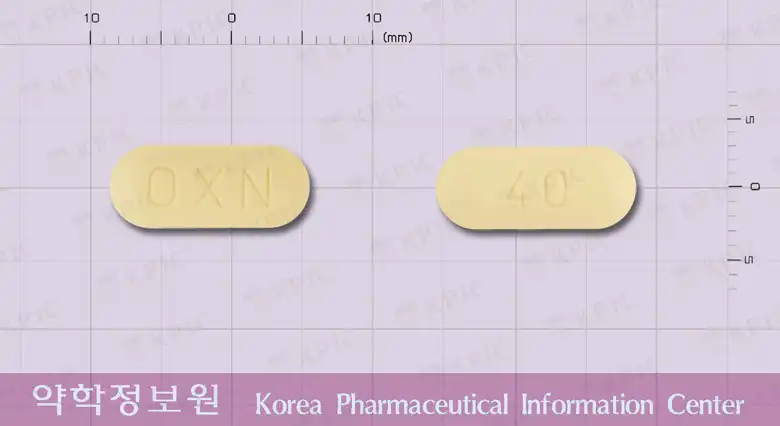
Brown, bilaterally convex, rectangular, film-coated sustained release tablet
56 tablets (14 tablets/PTP packaging x 4)
Even with the same ingredient, strength, dosage form and how it is taken can differ.
Viewing nowCombinationOxycodone Hydrochloride 84mg · Naloxone Hydrochloride Dihydrate 43.6mg
Tablet · Prescription medication · Combination
Korea Mundi Pharma Co., Ltd.
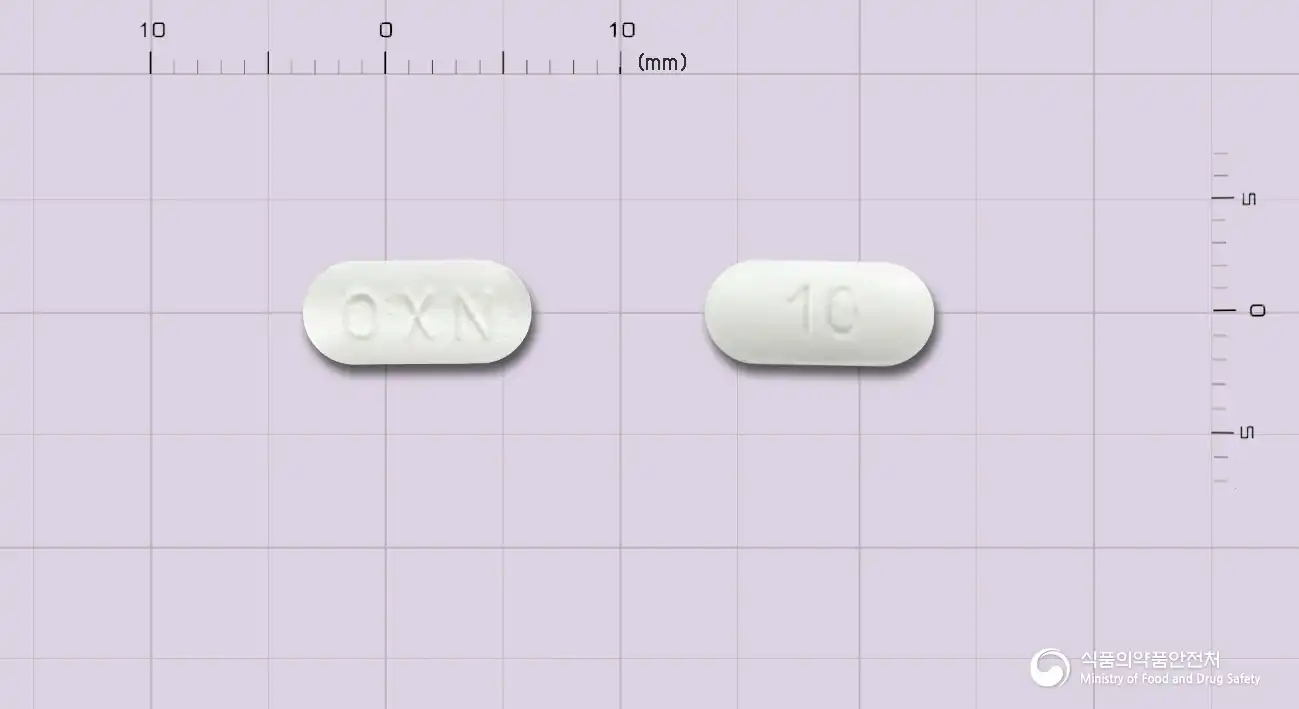 Combination
Oxycodone Hydrochloride 10.5mg · Naloxone Hydrochloride Dihydrate 5.45mg
Tablet · Prescription medication · Combination
Korea Mundipharma Co., Ltd.
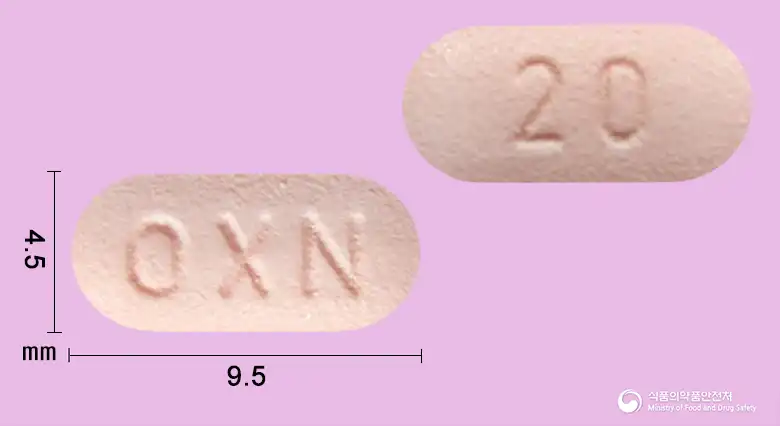 Combination
Oxycodone Hydrochloride 21mg · Naloxone Hydrochloride Dihydrate 10.9mg
Tablet · Prescription medication · Combination
Hansung Mundipharma Co., Ltd.
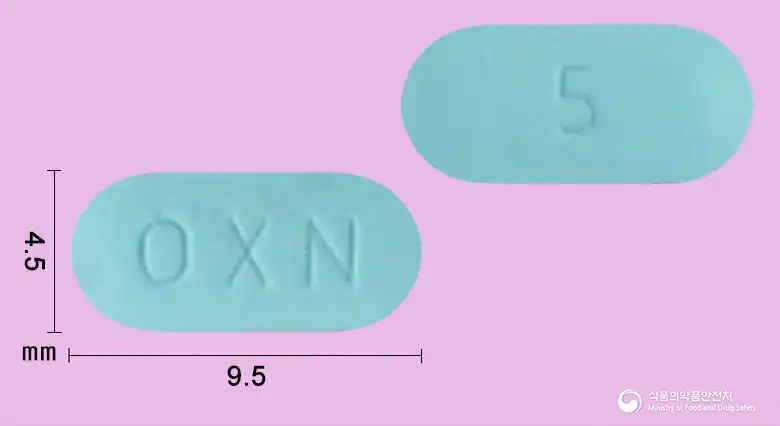 Combination
Oxycodone Hydrochloride 5.25mg · Naloxone Hydrochloride Dihydrate 2.73mg
Tablet · Prescription medication · Combination
Korea Mundipharma Co., Ltd.
 Combination
Oxycodone Hydrochloride 42mg · Naloxone Hydrochloride Dihydrate 21.8mg
Tablet · Prescription medication · Combination
Korea Mundi Pharma Co., Ltd.
Even with the same ingredient, the dose and directions can differ by strength and dosage form. Talk to a doctor or pharmacist before switching from a medication you are already taking.
No questions yet.
For anything that needs medical judgment, consult a doctor or pharmacist.
This drug information is based on data provided by the Korea Ministry of Food and Drug Safety.
Consult a doctor or pharmacist for accurate dosage, administration, and usage instructions.