
 한국어
 English
 日本語
 中文(简体)
 Viewing nowCombination
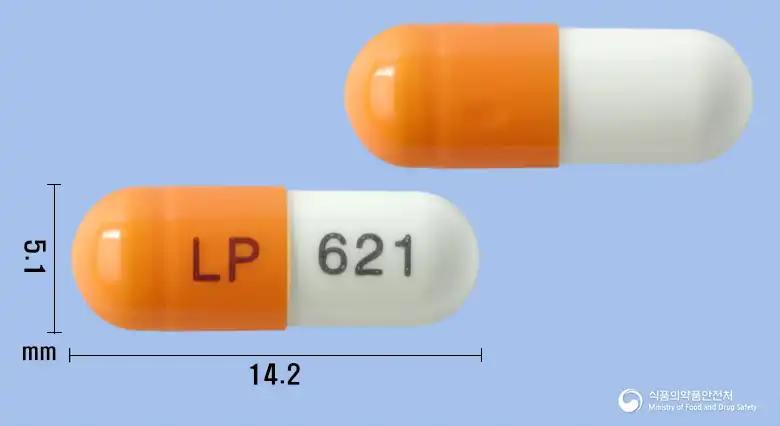
Tego Capsule 25
Tegafur 25mg · Gimeracil 7.25mg +1 more
Hard capsule · Prescription medication · Combination
Myeongmun Pharmaceutical Co., Ltd.
MFDS item code 201706903 · Approved 2017.08.31 · Insurance code 649807220
Treatment of gastric cancer and head and neck cancer
This medication is used for the treatment of advanced, metastatic, or recurrent stomach cancer, and is also used as adjuvant chemotherapy after stomach cancer surgery. It is effective for the treatment of advanced or recurrent head and neck cancer. In summary, this drug is used for the treatment of stomach cancer and head and neck cancer.
Usually, the initial dose (per dose) for adults is determined based on body surface area and administered orally twice daily, after breakfast and dinner, for 28 consecutive days, followed by a 14-day rest period. This is repeated as one cycle. However, if no abnormalities in clinical laboratory values (blood tests, liver and renal function tests) or gastrointestinal symptoms considered to be caused by administration of this medicine occur and there are no safety concerns, the rest period may be shortened, but even in that case, the rest period must be at least 7 days. The dose may be appropriately adjusted according to the patient's condition. Dose adjustment steps are 40,50,60,75mg/dose. As with the above, if it is determined that the dose can be increased without safety concerns, increase by one step from the initial reference dose, up to a maximum of 75mg/dose. Dose reduction is generally performed one step at a time, and the minimum dose is 40mg/dose. * Usually, when adjusting the dose according to the patient's condition, refer to the following doses. However, if increasing the dose, do so once per cycle and stop after one dose-increase step.
This drug is used for cancer chemotherapy and must be administered under the guidance of an experienced physician in a medical facility capable of responding to emergency situations. Before administration, the effects and risks of the drug should be thoroughly explained to the patient and their family, and consent obtained prior to use. This drug primarily causes myelosuppression as a side effect, and frequent clinical tests must be performed. Immediate action should be taken if any abnormal signs are detected. Patients with severely impaired liver function must regularly conduct liver function tests while using this drug to detect liver damage early. Serious side effects may occur when combined with other fluoropyrimidine-based anticancer agents or certain antifungal agents, so co-administration should be avoided. The dosage and administration of the drug must be strictly followed, and especially, those who are carriers of the hepatitis B virus or have a history of infection should check for infection beforehand as there is a risk of hepatitis reactivation. Patients with severe allergic reactions, myelosuppression, significantly impaired renal or liver function, pregnant women or those who may become pregnant, and patients with certain genetic issues should not use this drug. Caution should be exercised for patients with myelosuppression, renal or liver dysfunction, infectious diseases, blood sugar regulation issues, pulmonary diseases, heart diseases, gastrointestinal diseases, elderly patients, and those with specific allergies when administering this drug. This medication may cause various side effects, particularly hematological abnormalities, gastrointestinal disorders, liver function abnormalities, skin reactions, and neurological issues have been reported. Serious side effects include myelosuppression, hepatitis, dehydration, enteritis, pneumonia, heart disease, stomatitis, renal failure, skin and mucous membrane syndrome, neuropsychiatric disorders, and acute pancreatitis; if any symptoms occur, immediate consultation with medical staff is required. Furthermore, during administration, regular blood tests and liver and kidney function tests should be conducted to closely monitor the patient's condition. This drug is more effective and safe when taken after meals, and care should be taken regarding interactions with other anticancer drugs or medications. Elderly patients should be used more cautiously due to the possibility of decreased physiological function, and should not be used by pregnant or nursing women. The safety of this drug in children or newborns has not been established, so special caution is needed when administering. When taking medication, capsules should be taken out of their packaging, and care should be taken not to swallow the packaging. This drug has also been occasionally reported to cause serious side effects such as acute leukemia, myelodysplastic syndrome, and cerebral infarction; therefore, if any abnormal symptoms arise during use, consult with medical personnel immediately.
Not everyone experiences these, and they can vary from person to person.
This drug should be stored at room temperature between 1 degree and 30 degrees Celsius, and it is important to keep it in a tightly sealed container to prevent air from entering. Doing so will help maintain the drug's efficacy and prevent deterioration.
An opaque hard capsule with an upper orange part and a lower white part containing a white powder and particles.
56 capsules (14 capsules/PTP x 4)
Even with the same ingredient, strength, dosage form and how it is taken can differ.
Viewing nowCombinationTegafur 25mg · Gimeracil 7.25mg +1 more
Hard capsule · Prescription medication · Combination
Myeongmun Pharmaceutical Co., Ltd.
 Combination
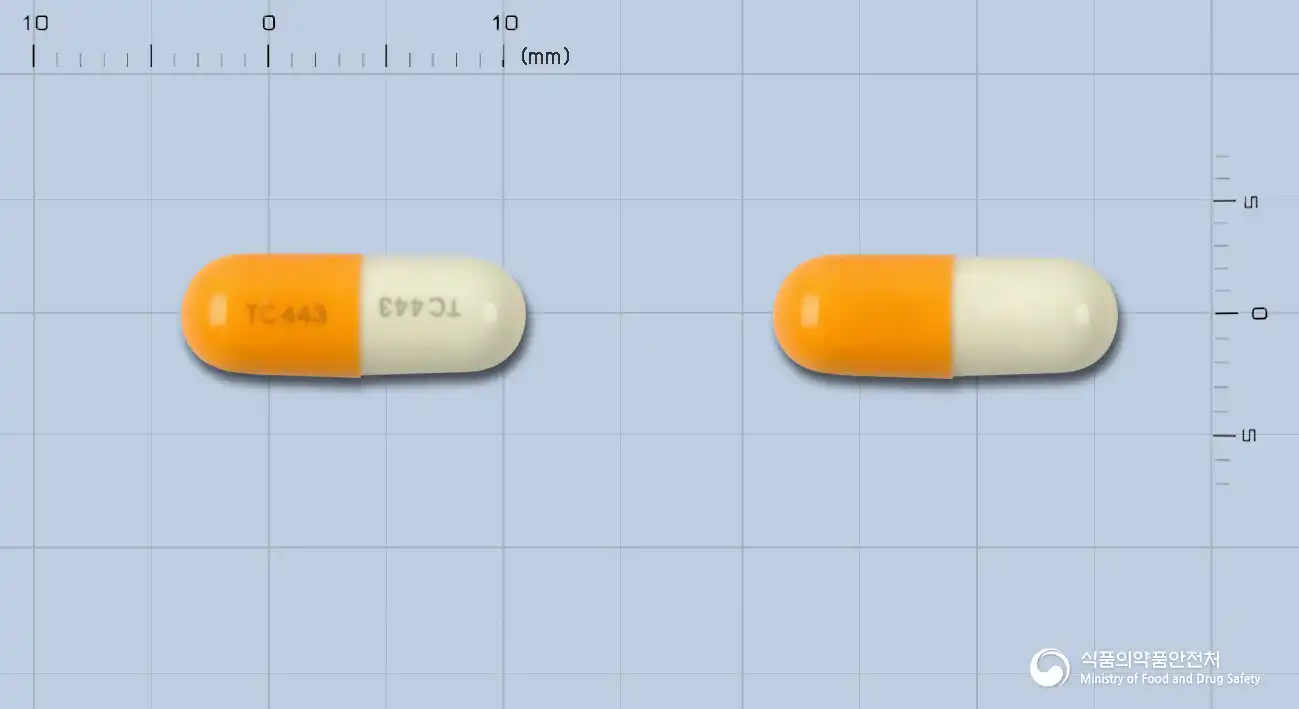
Tegafur 25mg · Gimeracil 7.25mg +1 more
Hard capsule · Prescription medication · Combination
Jeil Pharmaceutical Co., Ltd.
 Combination
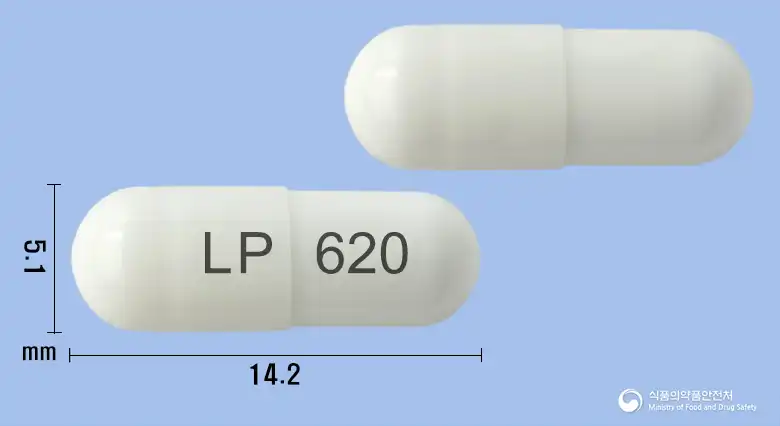
Tegafur 20mg · Gimeracil 5.8mg +1 more
Hard capsule · Prescription medication · Combination
Myeongmun Pharmaceutical Co., Ltd.
Even with the same ingredient, the dose and directions can differ by strength and dosage form. Talk to a doctor or pharmacist before switching from a medication you are already taking.
No questions yet.
For anything that needs medical judgment, consult a doctor or pharmacist.
This drug information is based on data provided by the Korea Ministry of Food and Drug Safety.
Consult a doctor or pharmacist for accurate dosage, administration, and usage instructions.