
 한국어
 English
 日本語
 中文(简体)
Dosage form image
Viewing nowOcodone Injection 10 mg/mL (Oxycodone Hydrochloride)
Oxycodone Hydrochloride 10mg
Solution · Prescription medication
Hana Pharmaceutical Co., Ltd.
MFDS item code 201706519 · Approved 2017.08.10 · Insurance code 657806031,657806061
Relief of moderate to severe pain requiring opioid analgesics
This medication is used to relieve a variety of pain ranging from moderate to severe. It is particularly effective for pain control that requires an opioid analgesic. Patients can expect pain relief through this medication when experiencing severe pain. It helps in difficult situations of pain management and contributes to reducing discomfort in daily life. This medication plays an important role in pain management, assisting in improving the quality of life of patients. Therefore, it is actively used for the treatment of moderate to severe pain.
The dose should be determined and adjusted according to each patient's pain severity, condition, previously administered or currently concomitant medications, body weight, and sex (women have higher blood concentrations), among other factors. Review the treatment regimen regularly and adjust it based on the patient's pain and reports of adverse reactions, as well as the healthcare professional's clinical judgment. In general, select the lowest dose that is effective for pain. If a higher dose is needed, the current dose may be increased by 25~50% whenever possible. The appropriate dose is one that controls pain without causing adverse effects or while causing adverse effects that are tolerable. Adults 18 years and older: Dilute this medication in 0.9% sodium chloride, 5% glucose injection, or water for injection to a concentration of 1mg/ml as oxycodone hydrochloride before use. Stabilize pain by administering 2mg of oxycodone hydrochloride by intravenous injection (bolus). As needed, administer 1mg of oxycodone hydrochloride intravenously using patient-controlled analgesia (PCA), among other methods. When using PCA, provide a lock-out time of at least 5 minutes. If the patient does not achieve adequate analgesia, a non-opioid analgesic may also be used as adjunctive therapy. Switching between oral and parenteral oxycodone: Use the following dose ratio: 2mg of oral oxycodone is equivalent to 1mg of parenteral oxycodone. It should be emphasized that this is a guide to the dose required. Because of interpatient variability, the appropriate dose must be carefully titrated. Switching from morphine: Parenteral administration: For patients switching from parenteral morphine to parenteral oxycodone, use a 1:1 dose ratio. It should be emphasized that this is a guide to the dose required. Because of interpatient variability, the appropriate dose must be carefully titrated. It is recommended that the initial dose be lower than the equivalent dose. Patients with renal impairment and patients with hepatic impairment: Use this medication with caution in patients with renal or hepatic impairment, as its blood concentration may increase. The recommended initial dose in adults should be reduced by up to 50%. Carefully titrate the dose according to the patient's clinical circumstances to achieve adequate pain control.
This medication is an opioid analgesic; overdose can severely slow down or stop breathing, so the patient's condition must be monitored frequently during pain treatment. Additionally, using this medication with sedatives or alcohol may result in severe drowsiness, respiratory depression, coma, or death, so caution is needed. When taking this medication with similar drugs or alcohol, it should be used at the minimum effective dose for only a short period, and patients or caregivers must be informed of the symptoms of risk. This medication should not be used by anyone with hypersensitivity, severe respiratory depression, asthma, chronic obstructive pulmonary disease, acute alcohol intoxication, serious liver or kidney impairment, pregnant women, or children under 18 years of age. Patients with reduced respiratory function, head injuries, hypotension, acute abdominal pain, or convulsive disorders must use this medication very cautiously and under thorough medical supervision. Prolonged use may lead to a tolerance to the drug, requiring increasing amounts over time and sudden cessation may cause withdrawal symptoms, so it should be tapered off gradually. Common side effects of this medication may include constipation, nausea, drowsiness, dizziness, headache, anxiety, among others, and if severe side effects occur, consultation with a physician is necessary. Especially, driving or operating dangerous machinery should be avoided when experiencing drowsiness or dizziness. Using this medication with other central nervous system depressants or anticholinergics may increase side effects, so consultation with a doctor is necessary when combining them. Pregnant or breastfeeding women should not use this medication, as it may be transmitted through breast milk and affect the newborn. Elderly patients may be more sensitive to the effects and side effects of the drug, so it must be used cautiously at the minimum effective dose. In the case of overdose, respiratory action may be severely suppressed, requiring immediate emergency treatment, and, in some cases, the administration of an antidote may be necessary. This medication should be used immediately once opened, and any remaining medication should be discarded. As it is an opioid analgesic, there is a risk of abuse and addiction, so prescription and usage must be strictly managed.
Not everyone experiences these, and they can vary from person to person.
This medication should be stored in a sealed container to keep out air and moisture, and it should preferably be stored at room temperature between 1 and 30 degrees Celsius. This method of storage helps maintain the effectiveness of the medication for a longer period.
An ampoule containing a colorless and transparent sterile solution
1 ampoule (1 mL) × 5 ampoules, 1 ampoule (2 mL) × 5 ampoules
Even with the same ingredient, strength, dosage form and how it is taken can differ.
Oxycodone Hydrochloride 10mg
Solution · Prescription medication
Hana Pharmaceutical Co., Ltd.
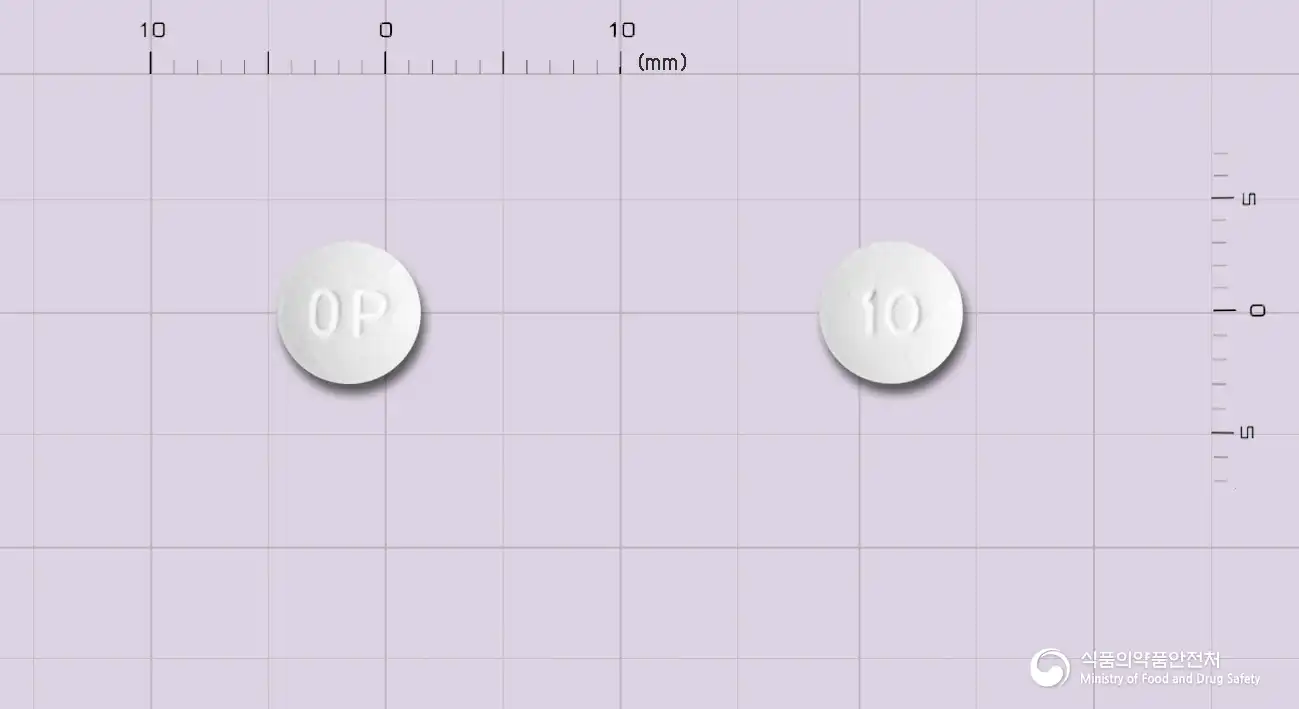
Oxycodone Hydrochloride 10mg
Tablet · Prescription medication
Hanmi Mundipharma Co., Ltd.
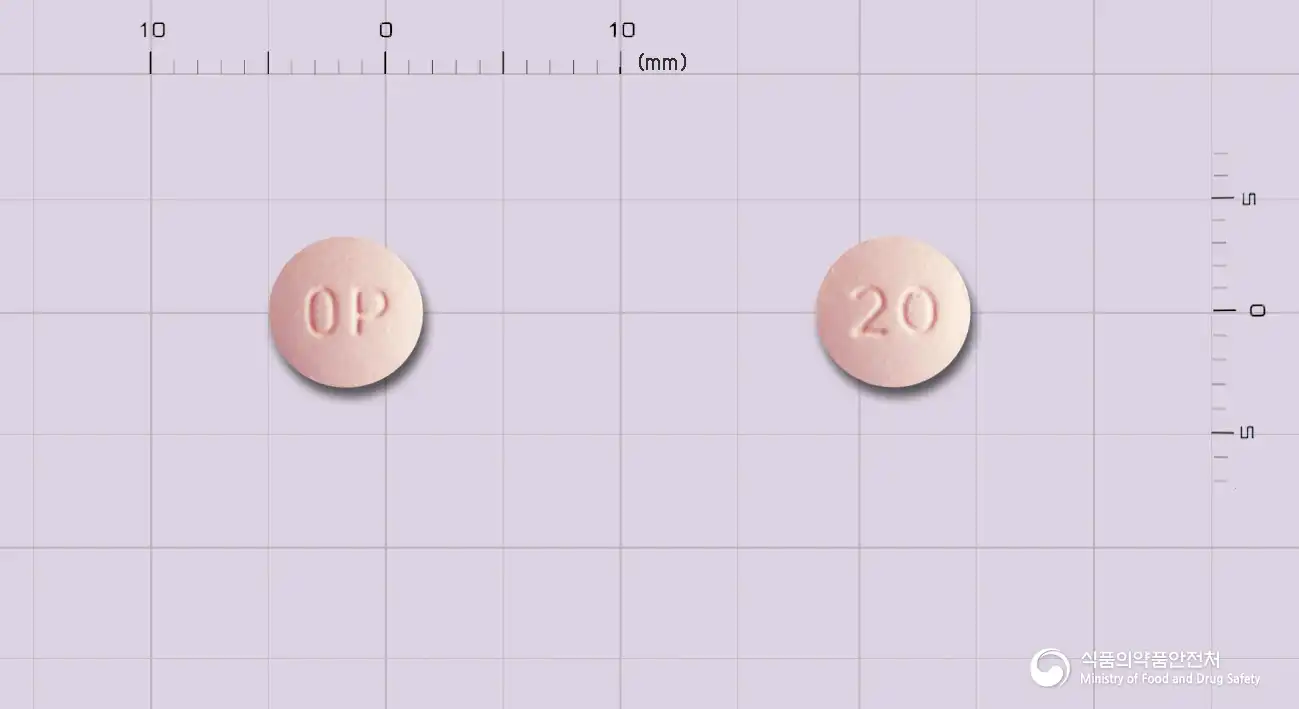
Oxycodone Hydrochloride 20mg
Tablet · Prescription medication
Korea Mundi Pharma Co., Ltd.
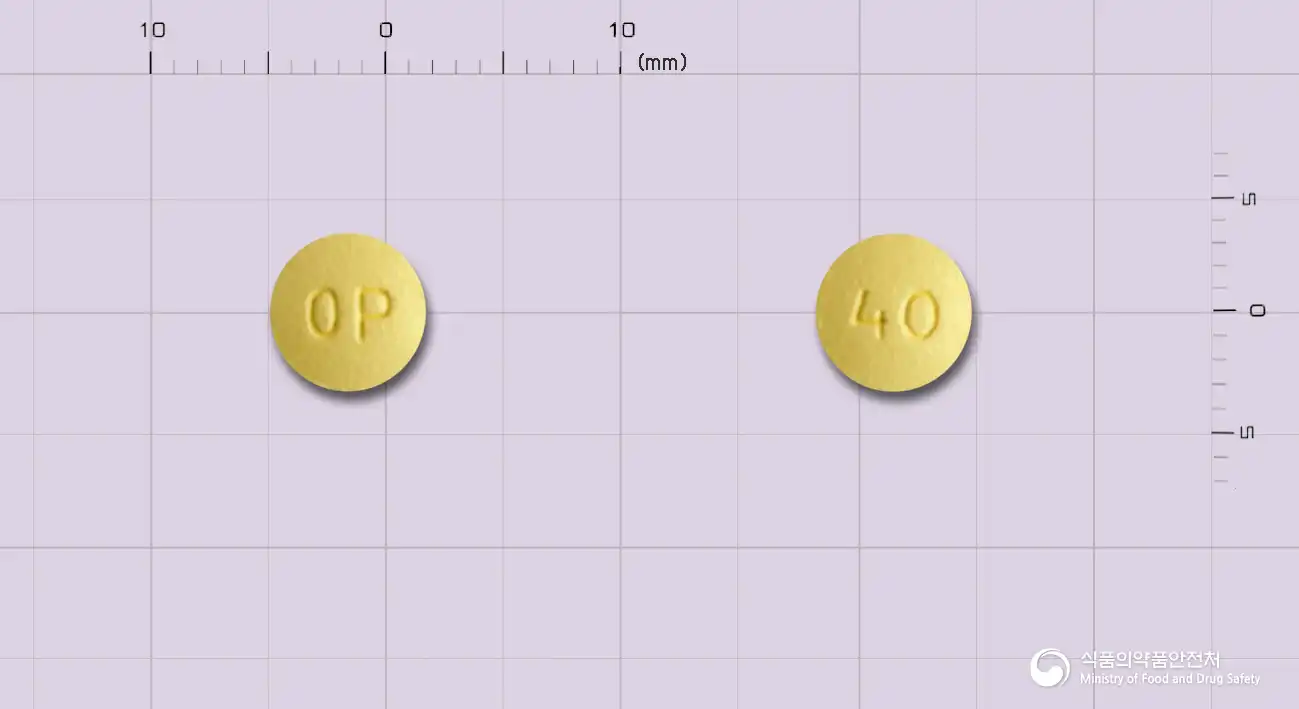
Oxycodone Hydrochloride 40mg
Tablet · Prescription medication
Korea Mundipharma Co., Ltd.
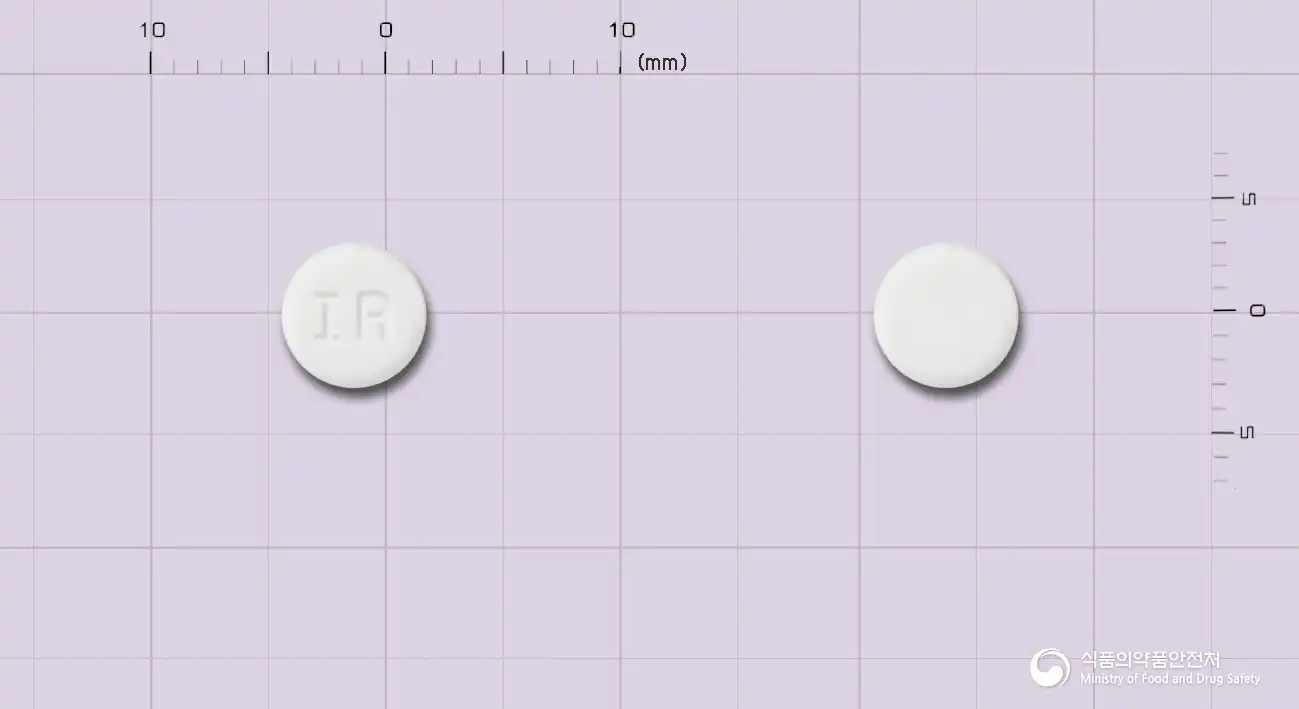
Oxycodone Hydrochloride 5mg
Tablet · Prescription medication
Unimed Pharmaceuticals Co., Ltd.
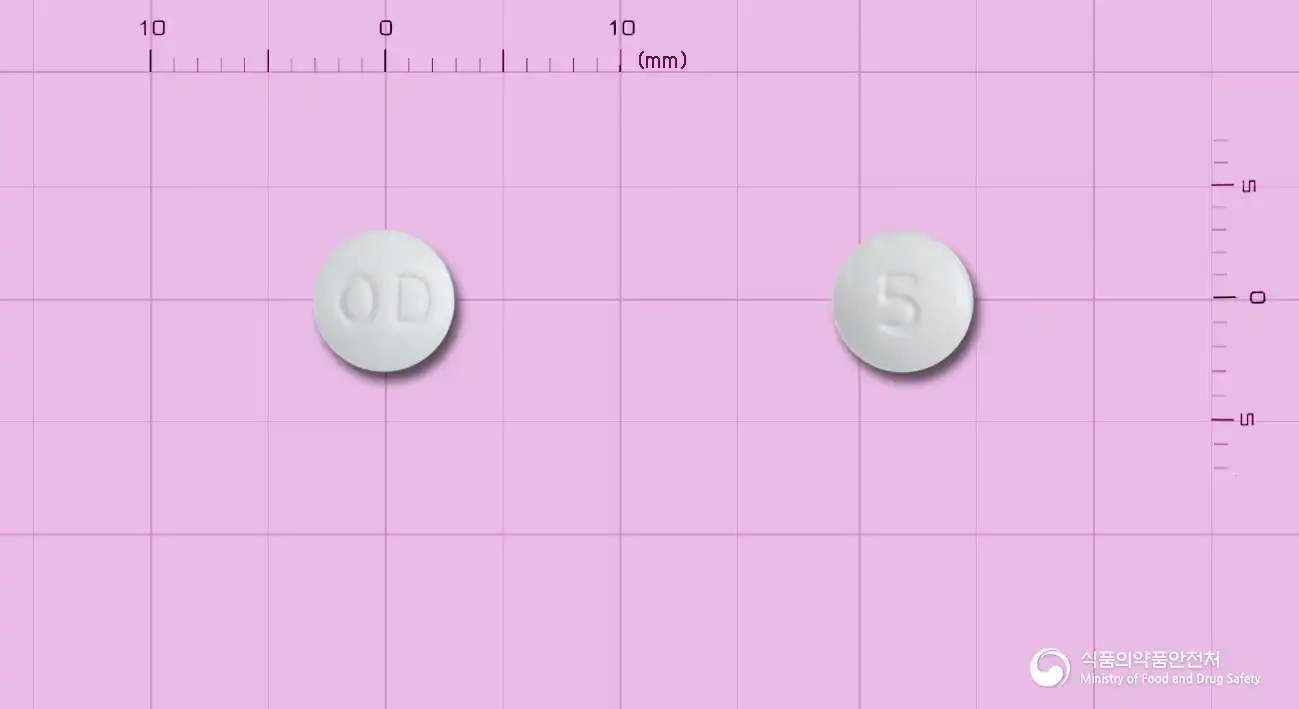
Oxycodone Hydrochloride 5mg
Tablet · Prescription medication
Hana Pharmaceutical Co., Ltd.
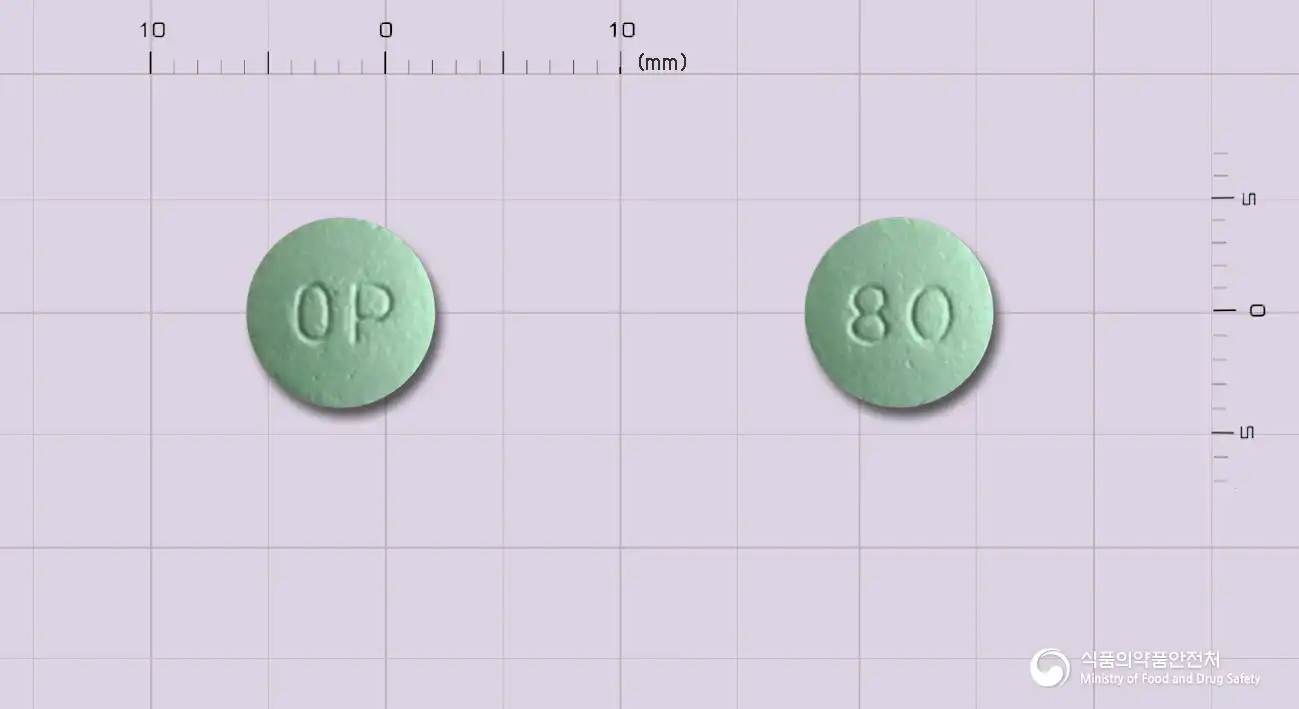
Oxycodone Hydrochloride 80mg
Tablet · Prescription medication
Korea Mundi Pharma Co., Ltd.
Oxycodone Hydrochloride 10mg
Solution · Prescription medication
Korea Mundipharma Co., Ltd.
Even with the same ingredient, the dose and directions can differ by strength and dosage form. Talk to a doctor or pharmacist before switching from a medication you are already taking.
No questions yet.
For anything that needs medical judgment, consult a doctor or pharmacist.
This drug information is based on data provided by the Korea Ministry of Food and Drug Safety.
Consult a doctor or pharmacist for accurate dosage, administration, and usage instructions.