
 한국어
한국어 English
 日本語
日本語 中文(简体)
 Viewing now
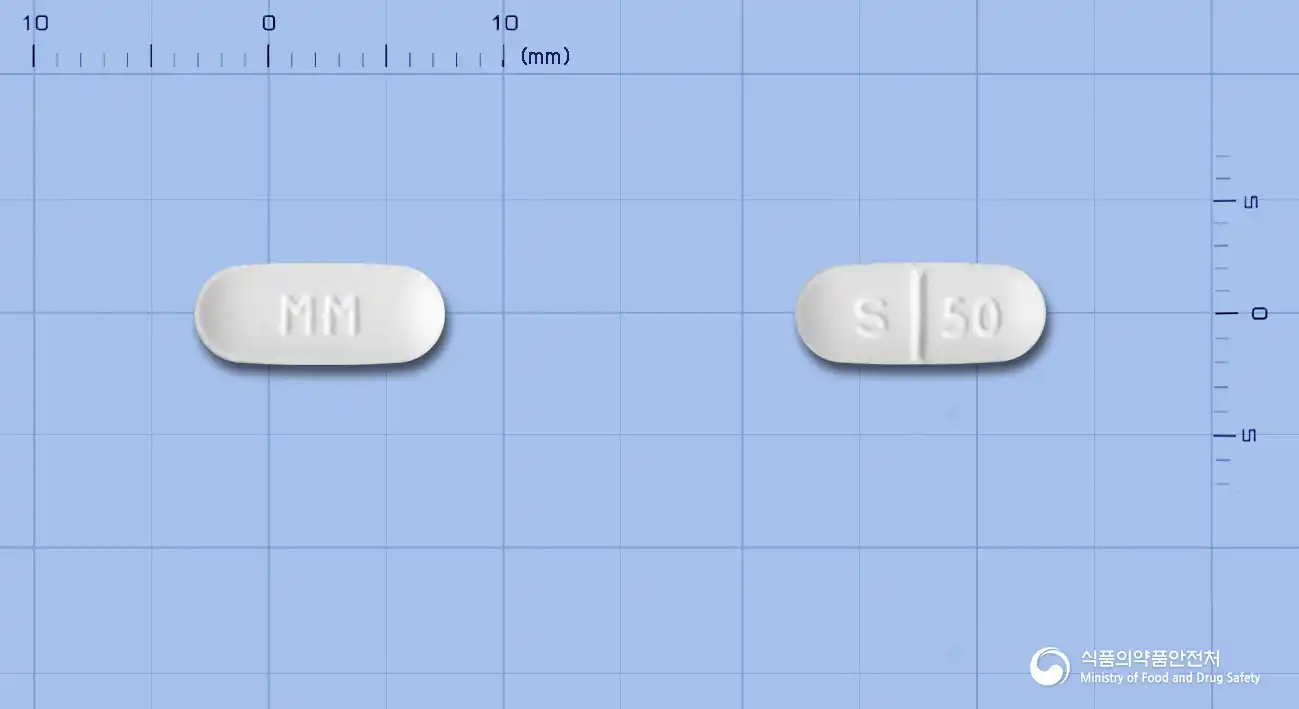
Sertral Tablet 50 mg (Sertraline Hydrochloride)
Sertraline Hydrochloride 55.95mg
Tablet · Prescription medication
Myungmoon Pharmaceutical Co., Ltd.
MFDS item code 201601111 · Approved 2016.02.26 · Insurance code 649807070
Treatment of mental disorders such as depression and obsessive-compulsive disorder
This medication is used to treat depression, as well as obsessive-compulsive disorder, panic disorder, post-traumatic stress disorder, social anxiety disorder, and premenstrual dysphoric disorder in adults and children.
Depression and obsessive-compulsive disorder: Initial dose of sertraline is 50 mg taken orally once daily. Maintenance dose is 50-100 mg per day. If the effect is insufficient, it can be increased by 50 mg up to a maximum of 200 mg daily, and dosage adjustments should be made at intervals of at least one week. Treatment effects generally appear within 7 days after administration, but for sufficient antidepressant action, it typically takes 2-4 weeks, and a longer treatment duration may be required for obsessive-compulsive disorder. Panic disorder, post-traumatic stress disorder, and social anxiety disorder: Start at a dose of 25 mg once daily, and after one week, increase to 50 mg once daily. While the correlation between dose and effect has not been established, clinically effective treatment may require doses of 50-200 mg per day. Patients who do not respond at a dose of 50 mg once daily may increase their dose up to a maximum of 200 mg. Dosage adjustments should be made at least once a week. This medication should be taken once daily, regardless of whether it is in the morning or evening. For continued maintenance therapy, adjust the dosage to the minimal effective level based on the patient's response. Premenstrual dysphoric disorder: Take a dose of 50 mg once daily continuously throughout the menstrual cycle, or only during the luteal phase of the menstrual cycle. If there is no response at a dose of 50 mg during the menstrual cycle, the dose can be increased to a maximum of 150 mg once daily starting from the first day of the next menstrual cycle. If only taken during the luteal phase, the dose can be increased to a maximum of 100 mg once daily for those who have no response at 50 mg. In this case, administer 50 mg once daily during the first 1-3 days of the luteal phase and 100 mg once daily from the 4th day until the start of menstruation. 2. Pediatric Patients (6-17 years old) Obsessive-compulsive disorder: Patients aged 6-12 years start with a dose of 25 mg once daily, and patients aged 13-17 years start with a dose of 50 mg once daily. The correlation between dose and effect has not been established, but in clinical trials demonstrating efficacy for pediatric patients with obsessive-compulsive disorder, doses in the range of 25-200 mg/day were administered. Pediatric patients who do not respond to doses of 25 mg or 50 mg once daily can increase their dose up to a maximum of 200 mg daily. Pediatric patients typically weigh less than adults, so considerations should be made beforehand to prevent overdosing. Considering that sertraline's elimination half-life is 24 hours, dosage adjustments should be made at intervals of at least one week. Sertraline is taken once daily in pediatric patients, regardless of the time of day. 3. Elderly: No special dose adjustment is necessary. Adjust according to symptoms. 4. Regarding conversion related to MAO inhibitors for the treatment of mental disorders: When switching from MAO inhibitor treatment for mental disorders to this medication, there should be an interval of at least 14 days. Conversely, at least 14 days must elapse after stopping treatment with this medication before starting MAO inhibitors for the treatment of mental disorders. 5. Other MAO inhibitors such as Linezolid or Methylene Blue: Patients receiving Linezolid or intravenous Methylene Blue should not start treatment with this medication due to the increased risk of serotonin syndrome. For patients requiring more urgent psychiatric care, including hospitalization, the administration of this medication should be considered. If it becomes necessary to urgently administer Linezolid or intravenous Methylene Blue to a patient who is already receiving this medication, and there is no alternative medication available for Linezolid or intravenous Methylene Blue, and it is judged that the benefit of Linezolid or intravenous Methylene Blue treatment exceeds the risk of serotonin syndrome, this medication should be immediately stopped, and treatment with Linezolid or intravenous Methylene Blue may be initiated. Patients should monitor for symptoms of serotonin syndrome for at least 2 weeks after the administration of Linezolid or Methylene Blue or within 24 hours after the last dose. Treatment with this medication can be resumed 24 hours after the last administration of Linezolid or Methylene Blue. The risks associated with non-oral administration (oral tablets or local injections) of Methylene Blue or intravenous administration of this medication at a dose of 1 mg/kg or less are unclear. Nevertheless, clinicians should be aware of the potential for emergency symptoms of serotonin syndrome associated with such uses.
For patients aged 6-12 years, treatment starts at a dose of 25 mg once daily. For patients aged 13-17 years, treatment starts at a dose of 50 mg once daily. For pediatric patients aged 6-17 with obsessive-compulsive disorder,
This medication may increase the risk of suicidal thoughts or behaviors in younger individuals with depression or other psychiatric disorders, so prescribers should carefully determine the need for treatment. During treatment, careful observation of behavioral changes in the patient is essential, and family or guardians should also closely monitor the patient's state. Serious side effects such as serotonin syndrome or neuroleptic malignant syndrome may occur, so if related symptoms appear, immediate medical attention should be sought. Use with MAO inhibitors can be dangerous, so this medication should not be used within a certain period after either co-prescription or discontinuation. When used in conjunction with other serotonergic drugs, there may be an increased risk of side effects. It is not to be administered to patients with moderate to severe impaired liver function or hypersensitivity to this drug. Caution is required when administering to patients with epilepsy or mild hepatic impairment, and treatment should be discontinued if symptoms worsen. Patients with angle-closure glaucoma should also exercise caution due to the potential for increased intraocular pressure from the mydriatic action of this medication. This drug can cause side effects such as drowsiness, dizziness, headache, and occasionally severe skin reactions or liver damage. Attention should be paid to mental or physical impairment when performing tasks that require alertness, like driving or operating machinery. Sudden discontinuation during treatment may lead to withdrawal symptoms, so dosage should be gradually reduced under a doctor's guidance. Women who are pregnant or may become pregnant should carefully consider the benefits and risks of using this medication and are advised to use appropriate contraceptive methods. Nursing mothers should consider that this medication may be secreted in breast milk and should decide on use under the doctor's discretion. Safety and efficacy have not been established for indications other than obsessive-compulsive disorder in pediatric and adolescent patients, so caution is required in their use. Serious side effects may occur in the case of overdose, so strict adherence to dosage is necessary, and immediate medical attention should be sought in cases of accidental overdose. This medication should be kept out of reach of children and should not be transferred to other containers.
Hives, severe swelling (angioedema), chest tightness, difficulty breathing, cold sweat, pallor, severe rash with fever, blisters, skin peeling, pain of mucous membranes of the mouth/eyes, severe cutaneous adverse reactions, shortness of breath or difficulty breathing, asthma attacks, respiratory abnormalities accompanied by coughing and fever, yellowing of skin or eyes (jaundice), extreme lethargy, liver abnormalities (jaundice), sudden severe headache, thunderclap headache,
Not everyone experiences these, and they can vary from person to person.
This medication should be stored in a tightly sealed container to protect it from air or moisture. It is important to maintain a storage temperature between 1°C and 30°C at room temperature. This will help preserve the medication's efficacy over time.
White oblong film-coated tablet
30 tablets/bottle, 100 tablets/bottle
Even with the same ingredient, strength, dosage form and how it is taken can differ.
Viewing nowSertraline Hydrochloride 55.95mg
Tablet · Prescription medication
Myungmoon Pharmaceutical Co., Ltd.
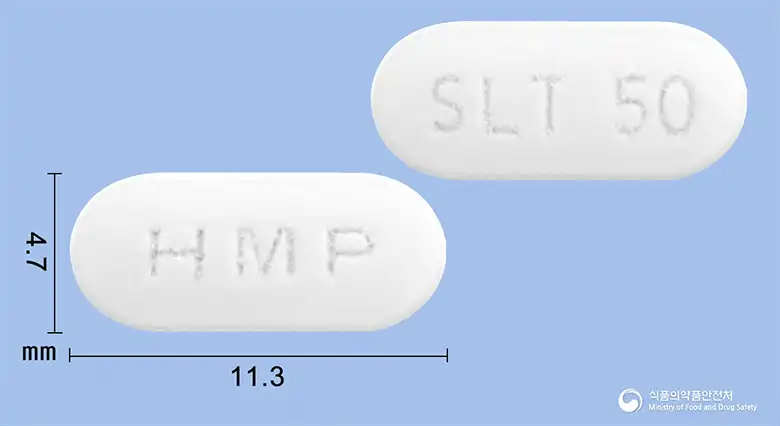
Sertraline Hydrochloride 55.95mg
Tablet · Prescription medication
Hanmi Pharmaceutical Co., Ltd.
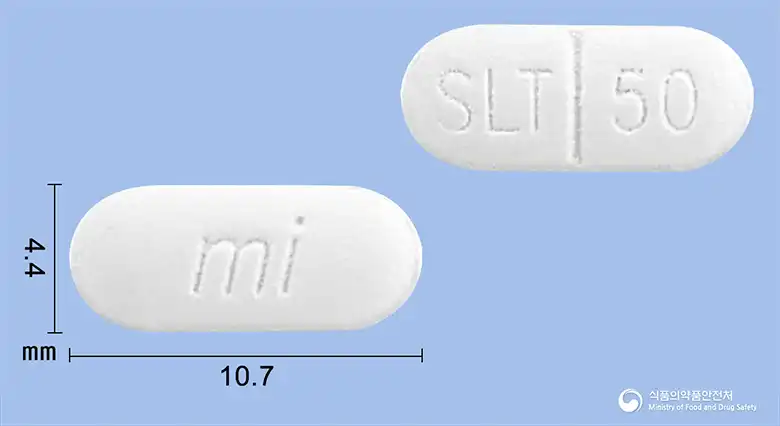
Sertraline Hydrochloride 55.95mg
Tablet · Prescription medication
Myungin Pharmaceutical Co., Ltd.
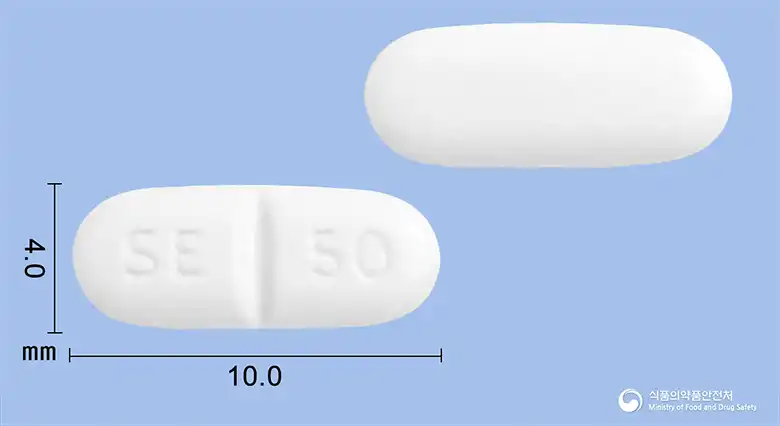
Sertraline Hydrochloride 55.95mg
Tablet · Prescription medication
Samil Pharmaceutical Co., Ltd.
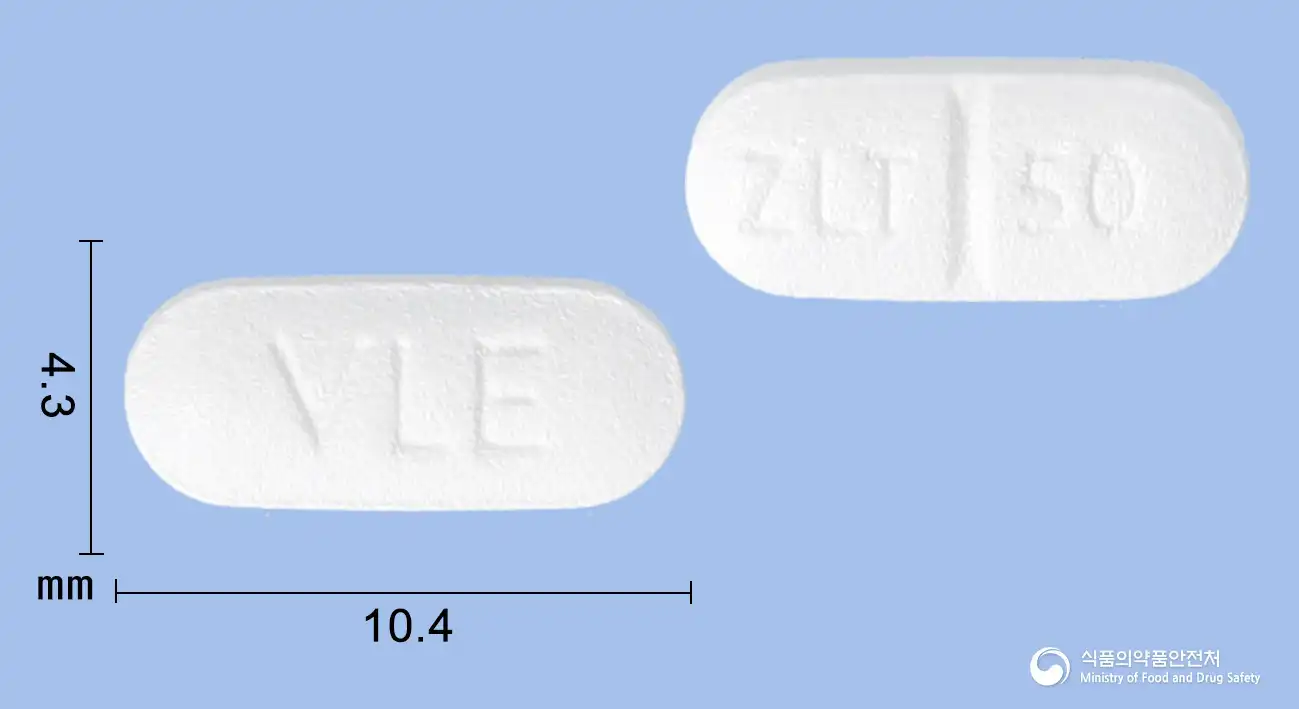
Sertraline Hydrochloride 55.95mg
Tablet · Prescription medication
Viatris Korea Co., Ltd.
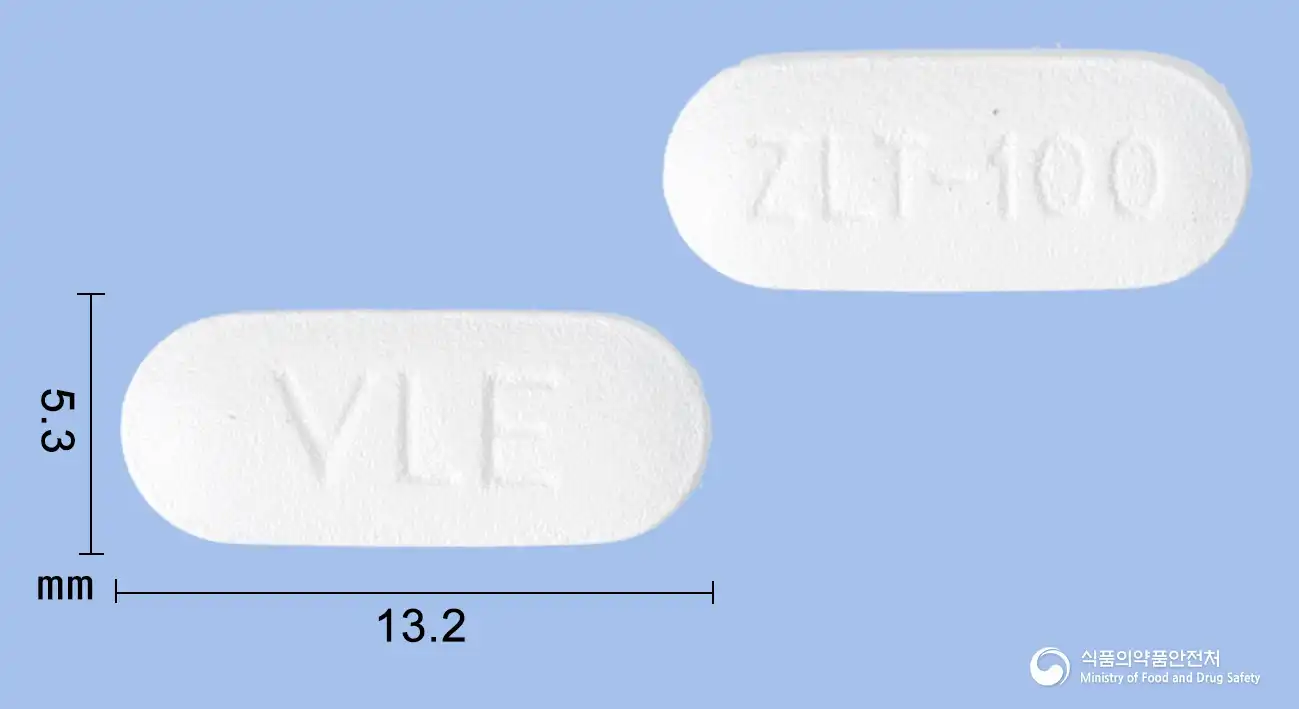
Sertraline Hydrochloride 111.9mg
Tablet · Prescription medication
Viatris Korea Co., Ltd.
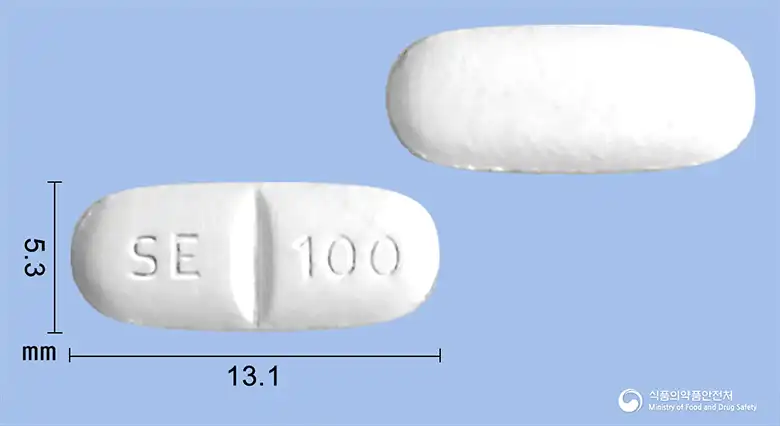
Sertraline Hydrochloride 111.9mg
Tablet · Prescription medication
Samil Pharmaceutical Co., Ltd.
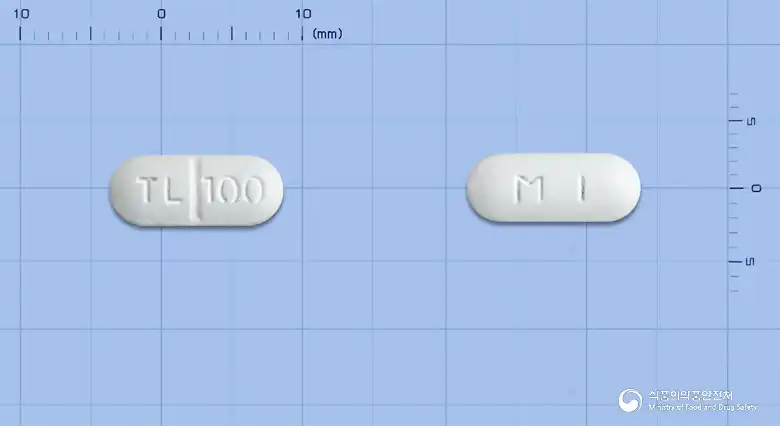
Sertraline Hydrochloride 111.9mg
Tablet · Prescription medication
Myungjin Pharmaceutical Co., Ltd.
Even with the same ingredient, the dose and directions can differ by strength and dosage form. Talk to a doctor or pharmacist before switching from a medication you are already taking.
No questions yet.
For anything that needs medical judgment, consult a doctor or pharmacist.
This drug information is based on data provided by the Korea Ministry of Food and Drug Safety.
Consult a doctor or pharmacist for accurate dosage, administration, and usage instructions.