Medication info
Donepezil 5 mg (Donepezil Hydrochloride Hydrate)

Donepezil 5 mg (Donepezil Hydrochloride Hydrate)

Prescription medicationTabletOral
Ingredient · strength
Donepezil Hydrochloride Hydrate›5mg / 1 tablet
Manufacturer / importer
CMG Pharmaceutical Co., Ltd.
Appearance
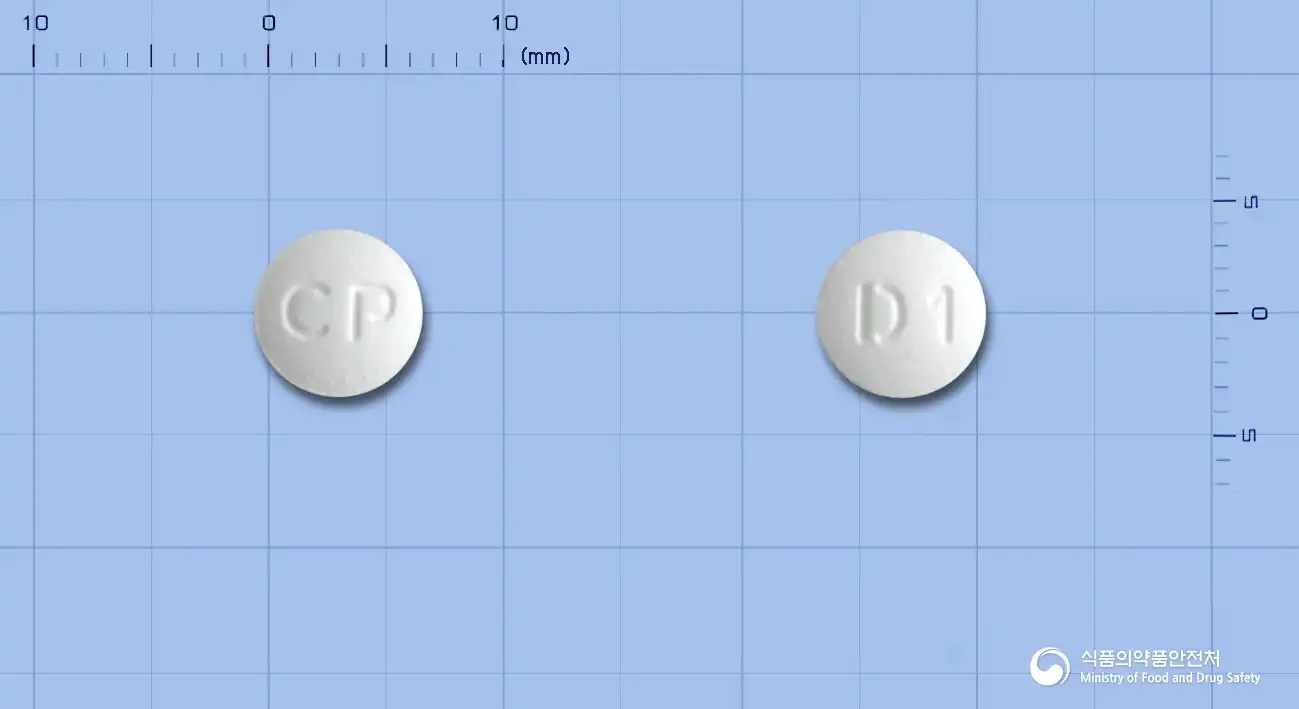
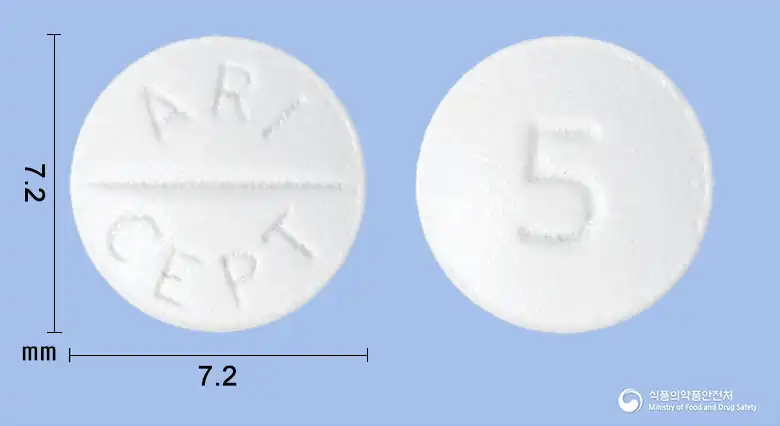
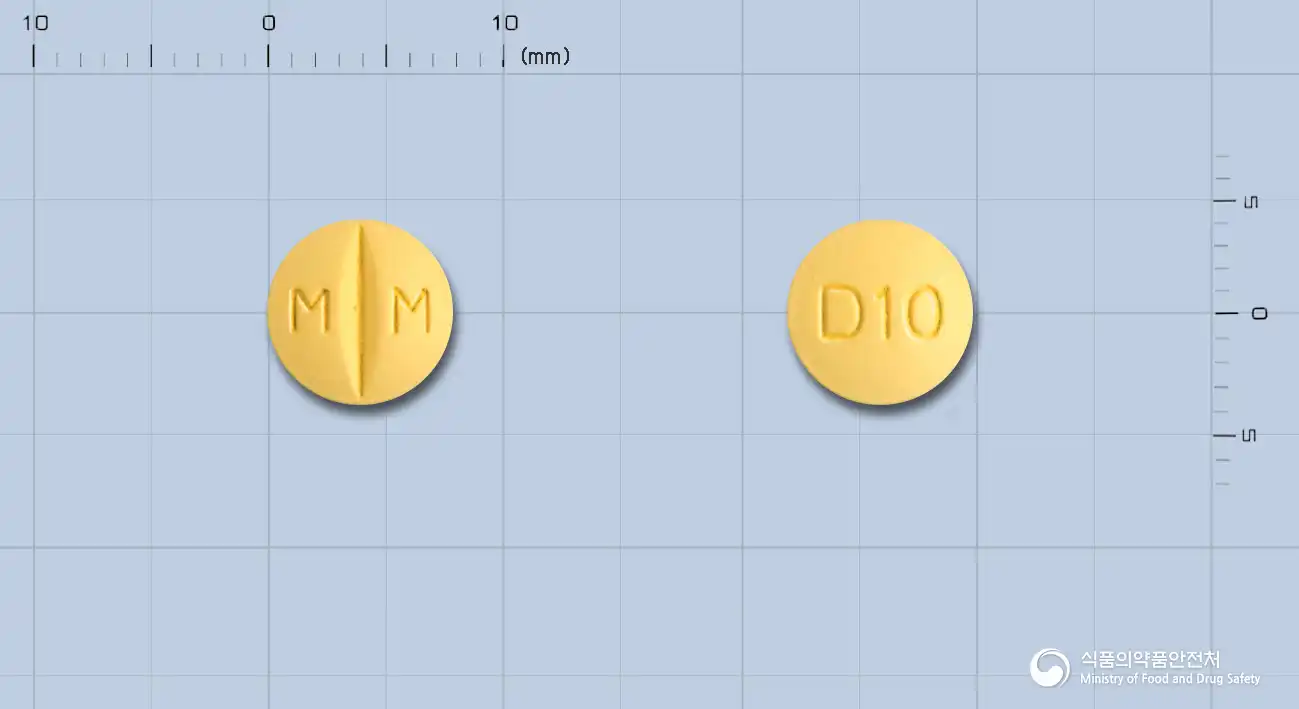
White, round, film-coated tablet
Packaging
30 tablets/bottle, 100 tablets/bottle
Approval status
Active

MFDS item code 201600967 · Approved 2016.02.22 · Insurance code 648603200

Summary

Main use
Treatment of symptoms of Alzheimer-type dementia
Who takes it
Adults · Children
Adult dose
○ Adults: Administer 5 mg of donepezil hydrochloride once daily at bedtime. If sleep disturbances such as unusual dreams, nightmares, or insomnia occur, morning administration of this medicine may be considered. Since donepezil concentrations reach steady state 15 days after administration and the frequency of adverse reactions may be affected by the rate of dose escalation, administer the 5 mg dose for 4~6 weeks. After evaluating the clinical response during this period, the dose may be increased to 10 mg. When increasing the dose to 10 mg daily, use with caution regarding gastrointestinal adverse reactions. If treatment with this medicine is discontinued, its effects gradually diminish; no rebound effect occurs after abrupt discontinuation. ○ Women aged 85 years or older with low body weight: Careful monitoring is required because adverse reactions occur more frequently. Elderly women with low body weight should not exceed 5 mg per day.
Child dose
○ Children: There is no experience with use in children.

Ingredients

Manufacturer
CMG Pharmaceutical Co., Ltd.

Efficacy & effects

Treatment of symptoms of Alzheimer-type dementia

  • Alzheimer's type dementia symptoms
View approved original text

This medication is used for the treatment of Alzheimer's type dementia symptoms. It helps alleviate various symptoms caused by dementia, such as memory decline and cognitive function impairment, and improves the patient's ability to carry out daily activities.

How to take

Adult dose

○ Adults: Administer 5 mg of donepezil hydrochloride once daily at bedtime. If sleep disturbances such as unusual dreams, nightmares, or insomnia occur, morning administration of this medicine may be considered. Since donepezil concentrations reach steady state 15 days after administration and the frequency of adverse reactions may be affected by the rate of dose escalation, administer the 5 mg dose for 4~6 weeks. After evaluating the clinical response during this period, the dose may be increased to 10 mg. When increasing the dose to 10 mg daily, use with caution regarding gastrointestinal adverse reactions. If treatment with this medicine is discontinued, its effects gradually diminish; no rebound effect occurs after abrupt discontinuation. ○ Women aged 85 years or older with low body weight: Careful monitoring is required because adverse reactions occur more frequently. Elderly women with low body weight should not exceed 5 mg per day.

Child dose

○ Children: There is no experience with use in children.

Precautions

This medication should not be used by patients who are allergic to specific ingredients, and by pregnant or nursing women. Patients with genetic disorders related to lactose should also refrain from taking this medication. Patients with heart disease should use this medication cautiously as it may affect heart rhythm. Patients with a history of peptic ulcer or those taking non-steroidal anti-inflammatory drugs should be careful of the risk of gastrointestinal bleeding. Patients with a history of asthma or lung disease should use this medication carefully as it may worsen respiratory symptoms. Patients with extrapyramidal disorders such as Parkinson's disease should be cautious as symptoms may worsen. While taking this medication, various side effects such as cardiac abnormalities, gastrointestinal bleeding, liver dysfunction, cerebrovascular issues, and muscular problems may occur; thus, consult a healthcare professional immediately if any symptoms arise. Be careful as symptoms such as dizziness or drowsiness may occur when driving or operating machinery. If taken with other medications, interactions may occur, and you must inform healthcare professionals about your medications. Pregnant or nursing women are advised to avoid using this medication, and if it is necessary, consult a specialist. Safety for children has not been established, so this medication should not be used in children. In case of overdose, serious symptoms such as nausea, vomiting, bradycardia, or respiratory depression may occur; thus, prescribed dosages should be strictly adhered to, and immediately visit a hospital in case of excessive intake. This medication should be stored in a tightly sealed container to prevent air exposure, at a temperature between 1 to 30 degrees Celsius. This is a method to maintain the drug's efficacy and prevent degradation.

Side effects

  • Syncope
  • bradycardia
  • heart block
  • QT interval prolongation
  • myocardial infarction
  • heart failure
  • peptic ulcer
  • perforated duodenal ulcer
  • gastrointestinal bleeding
  • hepatitis
Show 238 more
  • liver dysfunction
  • jaundice
  • cerebral seizure
  • epilepsy
  • convulsions
  • cerebral hemorrhage
  • cerebrovascular disorders
  • motor dysfunction
  • ataxia
  • movement disorders
  • dystonia
  • tremors
  • involuntary movements
  • gait disturbances
  • abnormal posture
  • speech disorders
  • akinetic mutism
  • severe muscle rigidity
  • dysphagia
  • tachycardia
  • blood pressure fluctuations
  • sweating
  • rhabdomyolysis
  • myalgia
  • weakness
  • dyspnea
  • acute pancreatitis
  • acute kidney failure
  • sudden death of unknown cause
  • cold
  • anorexia
  • hallucinations
  • agitation
  • aggressive behaviors
  • anxiety disorders
  • insomnia
  • drowsiness
  • increased libido
  • talkativeness
  • mania
  • nightmares
  • nervousness
  • nonsensical speech
  • delusions
  • depression
  • confusion
  • apathy
  • hyperactivity
  • increased libido
  • hypersexuality
  • dizziness
  • tremors
  • seizures
  • stupor
  • chest rigidity
  • bradycardia
  • palpitations
  • sinus node block
  • atrioventricular block
  • hypertension
  • hypotension
  • atrial fibrillation
  • torsades de pointes
  • QT interval prolongation on ECG
  • diarrhea
  • nausea
  • vomiting
  • abdominal disorders
  • gastrointestinal bleeding
  • gastric and duodenal ulcers
  • constipation
  • salivation
  • dysphagia
  • fecal incontinence
  • rash
  • pruritus
  • muscle cramps
  • myalgia
  • urinary incontinence
  • polyuria
  • urinary retention
  • headache
  • fatigue
  • pain
  • toothache
  • facial flushing
  • lethargy
  • asthenia
  • edema
  • fever
  • decreased body temperature
  • decreased hematocrit
  • leukopenia
  • anemia
  • thrombocytopenia
  • petechiae
  • abnormal dreams
  • accidents
  • headache
  • back pain
  • chest pain
  • bleeding
  • urinary tract infections
  • increased CPK
  • dehydration
  • hyperlipidemia
  • insomnia
  • hostility
  • irritability
  • drowsiness
  • depression
  • confusion
  • emotional instability
  • personality disorders
  • eczema
  • urinary incontinence
  • abdominal pain
  • weakness
  • fungal infections
  • influenza-like illness
  • allergies
  • cellulitis
  • lethargy
  • sepsis
  • facial swelling
  • hernia
  • hypotension
  • abnormal ECG
  • heart failure
  • constipation
  • gastritis
  • fecal incontinence
  • dyspepsia
  • increased γ-GT
  • gastritis
  • periodontitis
  • gastric ulcer
  • periodontal abscess
  • abdominal distension
  • abnormal liver function
  • belching
  • esophagitis
  • rectal bleeding
  • diabetes
  • anemia
  • leukocytosis
  • weight loss
  • peripheral edema
  • edema
  • increased LDH
  • increased alkaline phosphatase
  • hypercholesterolemia
  • hypokalemia
  • hypoglycemia
  • weight gain
  • hyperbilirubinemia
  • increased BUN
  • vitamin B12 deficiency anemia
  • cachexia
  • increased creatinine
  • gout
  • hyponatremia
  • hypoproteinemia
  • iron deficiency anemia
  • increased AST
  • increased ALT
  • arthritis
  • arthrosis
  • bone fractures
  • arthralgia
  • leg cramps
  • osteoporosis
  • myalgia
  • anxiety
  • agitation
  • convulsions
  • migratory psychosis
  • gait abnormalities
  • flat affect
  • delusions
  • dream disorders
  • cerebrovascular abnormalities
  • increased salivation
  • ataxia
  • euphoric state
  • vasodilation
  • cerebral hemorrhage
  • cerebral infarction
  • cerebral ischemia
  • dementia
  • extrapyramidal symptoms
  • generalized tonic-clonic seizures
  • hemiplegia
  • hypertonia
  • decreased motor activity
  • pharyngitis
  • pneumonia
  • increased cough
  • bronchitis
  • dyspnea
  • rhinitis
  • asthma
  • rash
  • skin ulcers
  • itching
  • psoriasis
  • skin discoloration
  • herpes zoster
  • dry skin
  • sweating
  • urticaria
  • vesicular rash
  • conjunctivitis
  • glaucoma
  • visual disturbances
  • ear pain
  • tear disorders
  • urinary tract infections
  • cystitis
  • hematuria
  • diabetes
  • vaginitis
  • dysuria
  • polyuria
  • proteinuria
  • abdominal pain
  • agitation
  • cholecystitis
  • confusion
  • convulsions
  • hallucinations
  • heart block
  • hemolytic anemia
  • hepatitis
  • hyponatremia
  • neuroleptic malignant syndrome
  • pancreatitis
  • rash

Not everyone experiences these, and they can vary from person to person.

Storage

This medication should be stored in a tightly sealed container to prevent air ingress and should be kept at room temperature between 1 and 30 degrees Celsius. This is a method to maintain the drug's efficacy and prevent degradation.

Appearance and packaging

Appearance

White, round, film-coated tablet

Package unit

30 tablets/bottle, 100 tablets/bottle

Same-ingredient medicines

Even with the same ingredient, strength, dosage form and how it is taken can differ.

Even with the same ingredient, the dose and directions can differ by strength and dosage form. Talk to a doctor or pharmacist before switching from a medication you are already taking.

Questions about this medicine

No questions yet.

For anything that needs medical judgment, consult a doctor or pharmacist.

Related searches

Search tags

Suggested searches

This drug information is based on data provided by the Korea Ministry of Food and Drug Safety.
Consult a doctor or pharmacist for accurate dosage, administration, and usage instructions.