
 한국어
 English
 日本語
 中文(简体)
Dosage form image
Viewing nowSamsung Levofloxacin Injection (Levofloxacin Hemihydrate)
Levofloxacin Hydrate 5.1246mg
Injections · Prescription medication
Samsung Pharm Co., Ltd.
MFDS item code 201506488 · Notified 2015.09.10 · Insurance code 642306671
Treatment of respiratory infections (e.g., pneumonia and sinusitis), complicated urinary tract infections, and skin and soft tissue infections
This medication is effective against a variety of bacteria and is used in the treatment of community-acquired pneumonia, complicated urinary tract infections including acute pyelonephritis, complicated skin and soft tissue infections, acute sinusitis, and acute bacterial exacerbations of chronic bronchitis. It is particularly utilized as an important therapeutic agent in complex infection scenarios and should be used cautiously given the significant risk of serious adverse reactions associated with fluoroquinolone class medications when other treatment options are infeasible. This medication improves infection symptoms and aids in patient recovery through its broad-spectrum antibacterial activity against various bacterial strains. Therefore, it may be effectively used for the mentioned diseases to contribute to health recovery.
1. Usually, administer by intravenous infusion 1 ~ 2 times daily. The dose is determined according to the type and severity of the infection and the susceptibility of the presumed causative organism. In general, after intravenous administration for the first few days, treatment may be switched to the oral formulation depending on the patient’s condition. In this case, use the same dose as for intravenous administration. 2. Duration of treatment The duration of treatment varies according to the progression of the disease. In general, administration of this medicine (injection or tablets) should be continued for at least 48 ~ 72 hours after the patient becomes afebrile or evidence of bacterial eradication is obtained. 3. Method of administration This medicine must be administered only by intravenous infusion. It may be administered once or twice daily for up to 14 days. The infusion should take at least 60 minutes (see Warnings). Depending on the patient’s condition, oral administration at the same dose may be started within a few days after the initial intravenous administration. 4. Recommended doses 1) Dose in patients with normal renal function (creatinine clearance > 50mL/min) Community-acquired pneumonia: 500mg per dose, 1~2 times daily Complicated urinary tract infections, including acute pyelonephritis: 250mg per dose, once daily Complicated skin and soft tissue infections: 500mg per dose, twice daily Acute sinusitis: 500mg per dose, once daily Acute bacterial exacerbation of chronic bronchitis: 500mg per dose, once daily ※ An increase in the dose should be considered in cases of severe infection. 2) Dose in patients with impaired renal function (creatinine clearance ≤ 50ml/min) Creatinine clearance 50 ~ 20ml/min: 250mg/24 hours (initial dose 250mg, then 125mg/24 hours); 500mg/24 hours (initial dose 500mg, then 250mg/24 hours); 500mg/12 hours (initial dose 500mg, then 250mg/12 hours) Creatinine clearance 19 ~ 10ml/min: 250mg/24 hours (initial dose 250mg, then 125mg/48 hours); 500mg/24 hours (initial dose 500mg, then 125mg/24 hours); 500mg/12 hours (initial dose 500mg, then 125mg/12 hours) Creatinine clearance less than 10ml/min (including hemodialysis and continuous ambulatory peritoneal dialysis): 250mg/24 hours (initial dose 250mg, then 125mg/48 hours); 500mg/24 hours (initial dose 500mg, then 125mg/24 hours); 500mg/12 hours (initial dose 500mg, then 125mg/24 hours) ※ No additional dose is required after hemodialysis or continuous ambulatory peritoneal dialysis. 3) Dose in patients with impaired hepatic function Levofloxacin undergoes little hepatic metabolism and is excreted almost entirely by the kidneys; therefore, no dose adjustment is necessary. 4) Dose in the elderly No dose adjustment is necessary in elderly patients, except as required based on renal function.
This medication can cause tendon-related disorders such as tendinitis or tendon rupture; therefore, it should be discontinued immediately if there is pain or inflammation in the tendons. Neurological symptoms such as peripheral neuropathy may occur, and if there are symptoms of numbness or abnormal sensations, medical attention should be sought immediately. As it may affect the central nervous system, it should be discontinued immediately if symptoms such as dizziness, seizures, or confusion arise. Patients with myasthenia gravis should avoid this medication as it may worsen symptoms. This medication should only be used when there are no other treatment options for specific bacterial infections, and unnecessary use should be avoided. When administered as an injection, it must be infused slowly over a certain period; if blood pressure drops suddenly during infusion, it should be stopped immediately. Elderly patients or those with reduced kidney function, as well as those taking corticosteroids, should use this medication with caution due to the increased risk of tendon rupture. Allergic reactions can manifest as skin rashes, hives, or difficulty breathing; if these occur, use should be stopped immediately. Gastrointestinal side effects such as nausea, diarrhea, and abdominal pain may occur commonly, and if severe diarrhea happens, pseudomembranous colitis should be suspected and treated immediately. Neuropsychiatric symptoms such as headaches, dizziness, insomnia, anxiety, and hallucinations may occur, so if there are unusual symptoms, consult your doctor. Cardiovascular side effects such as tachycardia, hypotension, and cardiac rhythm abnormalities may occur; patients with heart disease should be cautious. This medication may affect blood glucose control, so diabetic patients should monitor their blood glucose changes closely. This medication is contraindicated in pregnant women or those who may become pregnant, breastfeeding women, and growing children. Drug interactions may exist, so inform your doctor or pharmacist if you are taking other medications, particularly when taking anticoagulants, antihyperglycemics, or anti-inflammatory agents. Caution should be exercised when driving or operating machinery, as dizziness or drowsiness may occur. In the event of overdose, central nervous system symptoms and heart irregularities may arise, so seek medical attention immediately; this medication cannot be removed by dialysis. This medication can cause photosensitivity reactions; avoid strong sunlight or artificial UV exposure, and discontinue use if skin reactions occur. Store in a dark container that does not allow light; it should be kept at room temperature between 1 to 30 degrees Celsius. This will help maintain the drug's efficacy for a prolonged period.
Tendonitis, tendon rupture, peripheral neuropathy, central nervous system effects, exacerbation of myasthenia gravis, itching, rash, hives, bronchospasm, dyspnea, angioedema, hypotension, anaphylactic shock, photosensitivity reaction, Stevens-Johnson syndrome, drug reaction with eosinophilia and systemic symptoms, nausea, diarrhea, loss of appetite, vomiting, abdominal pain, dyspepsia, abdominal distension, constipation, hematochezia, syndrome of inappropriate antidiuretic hormone secretion, hypoglycemia, headache, dizziness, drowsiness, insomnia, neurosis, sensory disturbances, tremors, anxiety, agitation, confusion, seizures, decreased perception, visual and auditory impairment, taste and smell disorders, hallucinations, mania, tachycardia, shock, QT interval prolongation, arthralgia, myalgia, rhabdomyolysis, myotonic crisis, elevated liver enzymes, elevated bilirubin, increased serum creatinine, hepatitis, acute renal failure, eosinophilia, leukopenia, neutropenia, thrombocytopenia, agranulocytosis, bone marrow failure, hemolytic anemia, pancytopenia, injection site erythema and pain, injection site infection, phlebitis, weakness, fungal overgrowth, vaginitis, candidiasis, fungal infection, ascites, allergic pneumonia, fever, skin hyperpigmentation, extrapyramidal symptoms, hypersensitivity vasculitis, porphyria onset, sensory loss, sensory disorders, weakness, pain, burning sensation, tingling, numbness, aneurysm, aortic dissection, heart valve regurgitation, heart valve insufficiency
Not everyone experiences these, and they can vary from person to person.
This drug is sensitive to light and should be stored in a dark container that does not allow light to enter. It is also recommended to store it at room temperature between 1 to 30 degrees Celsius. This will help maintain the drug's effectiveness for a longer period.
A colorless and transparent vial injection containing a clear yellowish liquid with a light green tint.
100 milliliters/vial
Even with the same ingredient, strength, dosage form and how it is taken can differ.
Levofloxacin Hydrate 5.1246mg
Injections · Prescription medication
Samsung Pharm Co., Ltd.
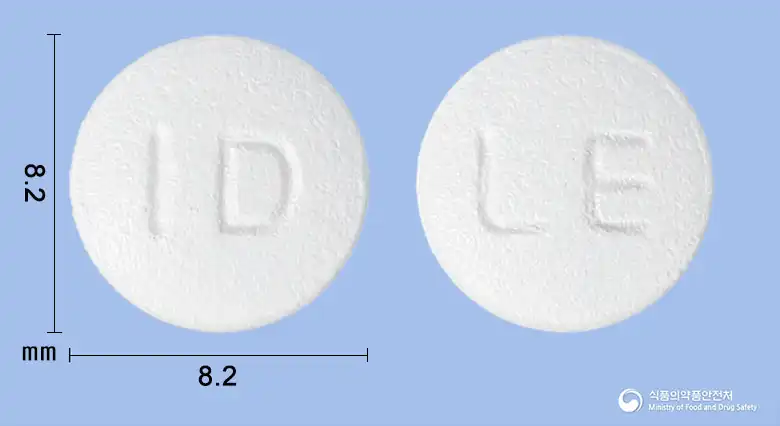
Levofloxacin Hydrate 100mg
Tablet · Prescription medication
Ildong Pharmaceutical Co., Ltd.
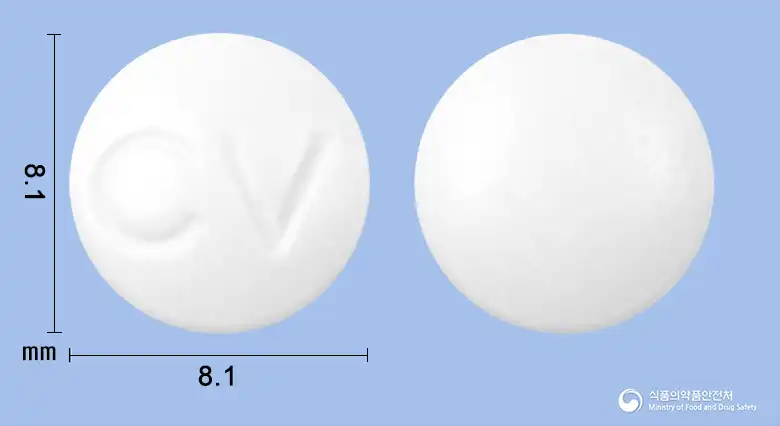
Levofloxacin 100mg
Tablet · Prescription medication
Jeil Pharmaceutical Co., Ltd.
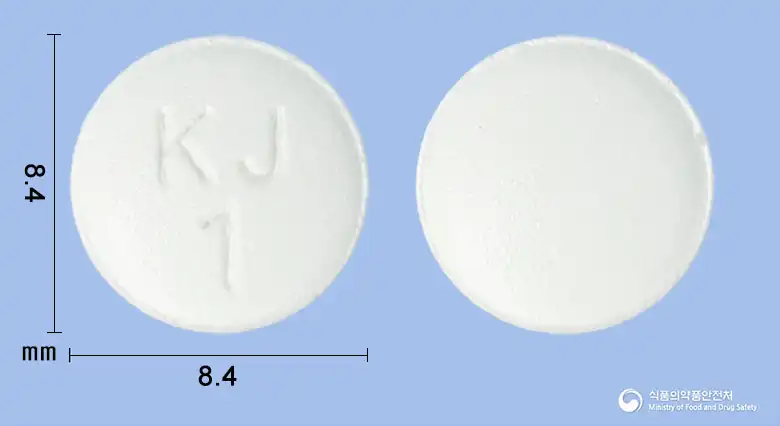
Levofloxacin Hydrate 100mg
Tablet · Prescription medication
International Pharmaceuticals Co., Ltd.
Levofloxacin 5.1246mg
Prescription medication
Jeil Pharmaceutical Co., Ltd.
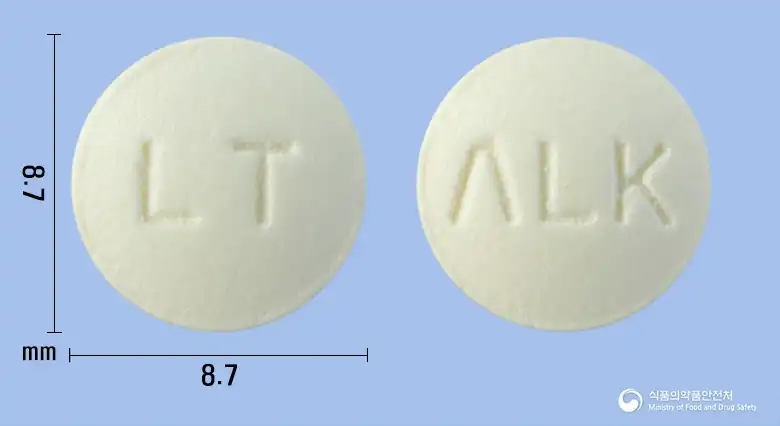
Levofloxacin Hydrate 100mg
Tablet · Prescription medication
SS Pharm Co., Ltd.
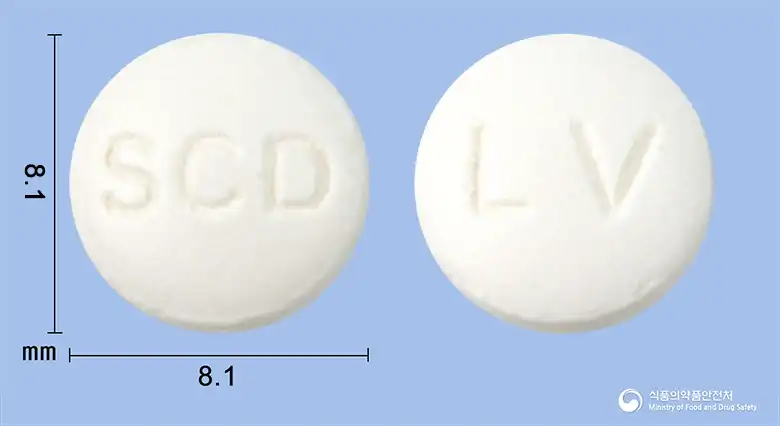
Levofloxacin Hydrate 102.49mg
Tablet · Prescription medication
Samchundang Pharmaceutical Co., Ltd.
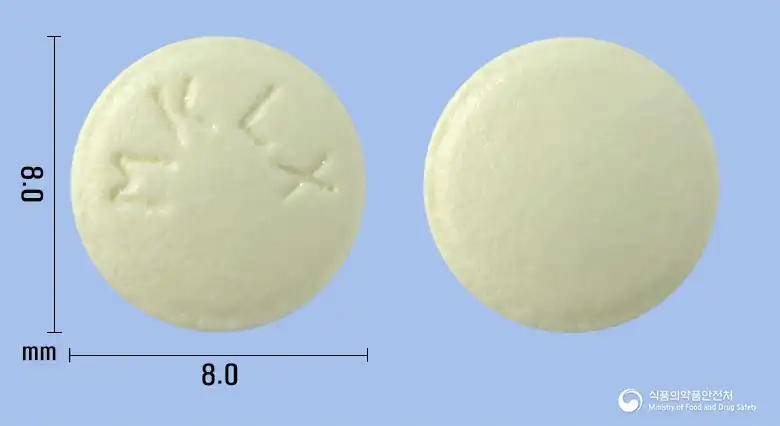
Levofloxacin Hydrate 100mg
Tablet · Prescription medication
Medica Korea Co., Ltd.
Even with the same ingredient, the dose and directions can differ by strength and dosage form. Talk to a doctor or pharmacist before switching from a medication you are already taking.
No questions yet.
For anything that needs medical judgment, consult a doctor or pharmacist.
This drug information is based on data provided by the Korea Ministry of Food and Drug Safety.
Consult a doctor or pharmacist for accurate dosage, administration, and usage instructions.