
 한국어
 English
 日本語
 中文(简体)
 Viewing now
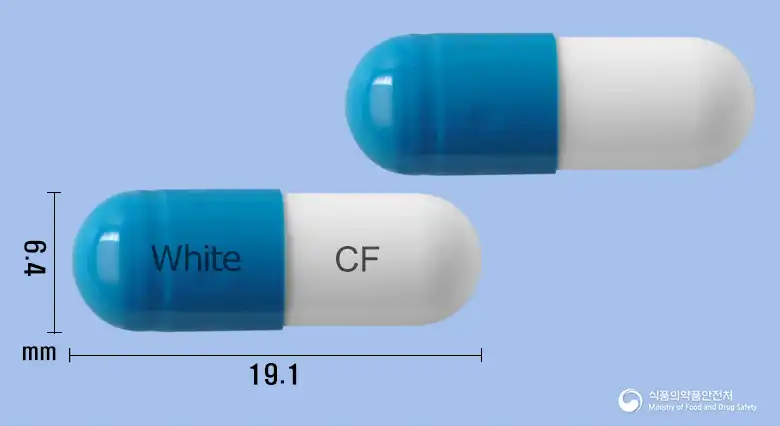
Itkler Capsule 250mg (Cefaclor Hydrate)
Cefaclor Hydrate 250mg
Hard capsule · Prescription medication
White Life Sciences Co., Ltd.
MFDS item code 201309817 · Approved 2013.10.21 · Insurance code 625200260
Treatment of respiratory and ear infections, urinary tract infections, and skin and soft tissue infections
This medication is effective against various bacteria including Streptococcus pneumoniae, Haemophilus influenzae, Staphylococcus, Streptococcus pyogenes, Escherichia coli, Proteus mirabilis, Klebsiella, Neisseria gonorrhoeae, among others. It is used to treat respiratory infections such as otitis media, pneumonia, pharyngitis, tonsillitis, and bronchitis. Additionally, it is effective for urinary tract infections including pyelonephritis, cystitis, and gonococcal urethritis. Furthermore, it aids in the treatment of skin and soft tissue infections such as abscesses, furuncles, folliculitis, cellulitis, necrotizing fasciitis, subcutaneous abscesses, and wound infections. In summary, this medication is used to improve various types of infections caused by different bacteria.
○ Adults: Administer 250mg (potency) of cefaclor hydrate orally every 8 hours. For severe infections (such as pneumonia) and infections caused by less susceptible organisms, the dose may be doubled. For acute gonococcal urethritis, administer a single dose of 3g of this drug with 1g of probenecid. ○ Patients with renal impairment: This drug may be administered without changing the dose. Treatment of beta-hemolytic streptococcal infections should continue for at least 10 days.
○ Children: Administer 20mg (potency) per Kg of body weight per day in divided doses every 8 hours. For severe infections, otitis media, and infections caused by less susceptible organisms, 40mg (potency) per Kg of body weight per day may be administered; the maximum dose is 1g (potency) per day.
This medication works by binding to specific proteins and interfering with bacterial cell wall synthesis, thereby killing bacteria. Patients who have previously experienced a severe allergic reaction or shock due to this drug or have a history of allergy to this drug or similar class antibiotics should not use it. Caution should be exercised when using this medication in patients with penicillin allergy or those with a predisposition to easily develop allergic symptoms such as bronchial asthma or skin rashes. Patients with severely impaired kidney function, those who have difficulty with oral intake, the elderly, and patients in poor general condition should be closely monitored due to an increased bleeding risk from vitamin K deficiency. Patients with a history of gastrointestinal diseases, particularly colitis, should use this medication with caution. While using this medication, rare occurrences of shock, severe allergic reactions, skin rashes, blood abnormalities, liver function abnormalities, kidney function abnormalities, gastrointestinal disturbances, lung diseases, central nervous system abnormalities, stomatitis, and vitamin deficiency symptoms may occur. If symptoms appear, immediate consultation with a doctor is advised. To prevent the emergence of resistant bacteria, it is recommended to confirm the sensitivity of this drug and use it only for the minimum necessary duration. Care should be taken when using this drug along with other medications due to possible interactions, especially with drugs that may affect the kidneys, anticoagulants, or oral contraceptives. Pregnant or breastfeeding women should use this medication cautiously as its safety has not been fully confirmed, and should only use it when necessary. The safety for newborns, especially those under 1 month old, has not been established, so caution is needed for use. Elderly patients may experience adverse reactions more easily due to declining bodily functions, so careful dose adjustment and condition monitoring are required. Care should be taken when interpreting urine or blood tests, as this medication may affect test results.
Shock, generalized flushing, edema, dyspnea, vascular edema, paresthesia, syncope, hypertension, vasodilation, rash, urticaria, erythema, pruritus, fever, lymphadenopathy, arthralgia, serum sickness-like reaction, erythema multiforme, arthritis, Stevens-Johnson syndrome, toxic epidermal necrolysis, agranulocytosis, neutropenia, pancytopenia, anemia, thrombocytopenia, eosinophilia, lymphocytosis, leukopenia, aplastic anemia, hemolytic anemia, reversible neutropenia, transient hepatitis, jaundice, elevated AST, elevated ALT, elevated ALP, reversible interstitial nephritis, elevated BUN, elevated serum creatinine, acute renal failure, membranous colitis, severe colitis associated with blood in stool, abdominal pain, frequent diarrhea, nausea, vomiting, diarrhea, epigastric discomfort, heartburn, loss of appetite, fever, cough, interstitial pneumonia, eosinophilic lung infiltration, hyperfunction, agitation, anxiety, myoclonus, irritability, insomnia, confusion, dizziness, hallucination, drowsiness, stomatitis, candidiasis, symptoms of vitamin K deficiency, hypoprothrombinemia, tendency to bleed, symptoms of vitamin B complex deficiency, glossitis, stomatitis, loss of appetite, neuritis, headache, genital pruritus, vaginitis, vulvovaginal candidiasis, unexpected wounds, loss of appetite, anxiety, arthralgia, asthma, bronchitis, chest pain, chills, congestive heart failure, conjunctivitis, constipation, dizziness, dysmenorrhea, dyspepsia, urinary difficulties, ear pain, edema, abdominal distention, gastritis, infection, insomnia, vaginal discharge, fatigue, menstrual irregularities, myalgia, neck pain, irritability, nocturia, otitis media, pain, palpitations, dyspnea, sinusitis, drowsiness, sweating, tremors, urticaria
Not everyone experiences these, and they can vary from person to person.
This medication should be stored in a tightly sealed container to protect it from air and moisture and is safest when stored at room temperature between 1 and 30 degrees Celsius. Proper storage will help maintain the efficacy of the medication over time.
A hard capsule with a blue top and white bottom filled with light yellow powder.
30 capsules/bottle, 300 capsules/bottle
Even with the same ingredient, strength, dosage form and how it is taken can differ.
Viewing nowCefaclor Hydrate 250mg
Hard capsule · Prescription medication
White Life Sciences Co., Ltd.
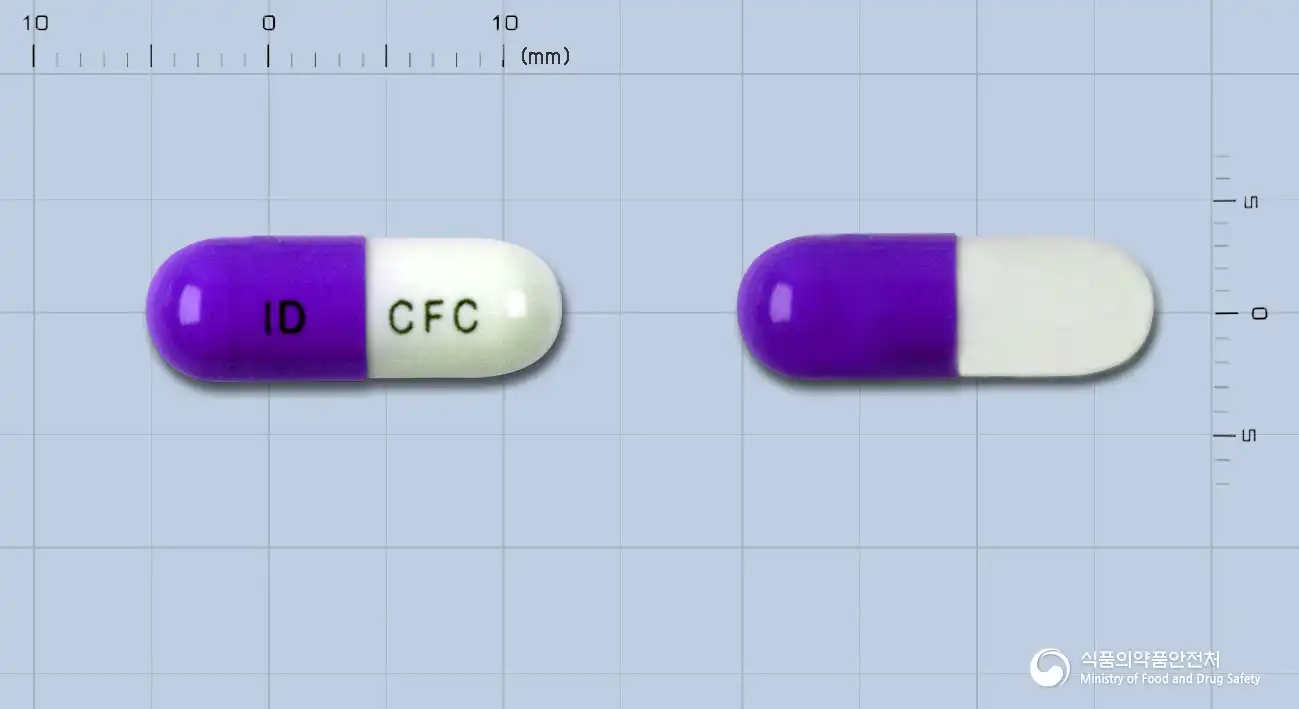
Cefaclor Hydrate 250mg
Hard capsule · Prescription medication
Ildong Pharmaceutical Co., Ltd.
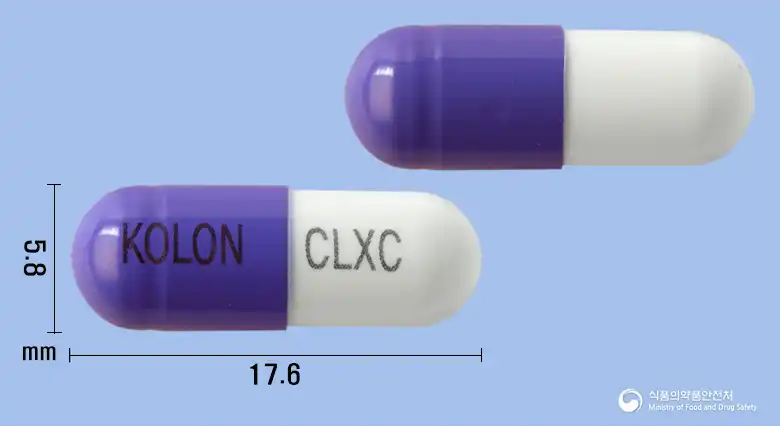
Cefaclor Hydrate 250mg
Hard capsule · Prescription medication
Kolon Pharmaceutical Co., Ltd.
Cefaclor Hydrate 3.75g
Syrup · Prescription medication
Youngjin Pharmaceutical Co., Ltd.
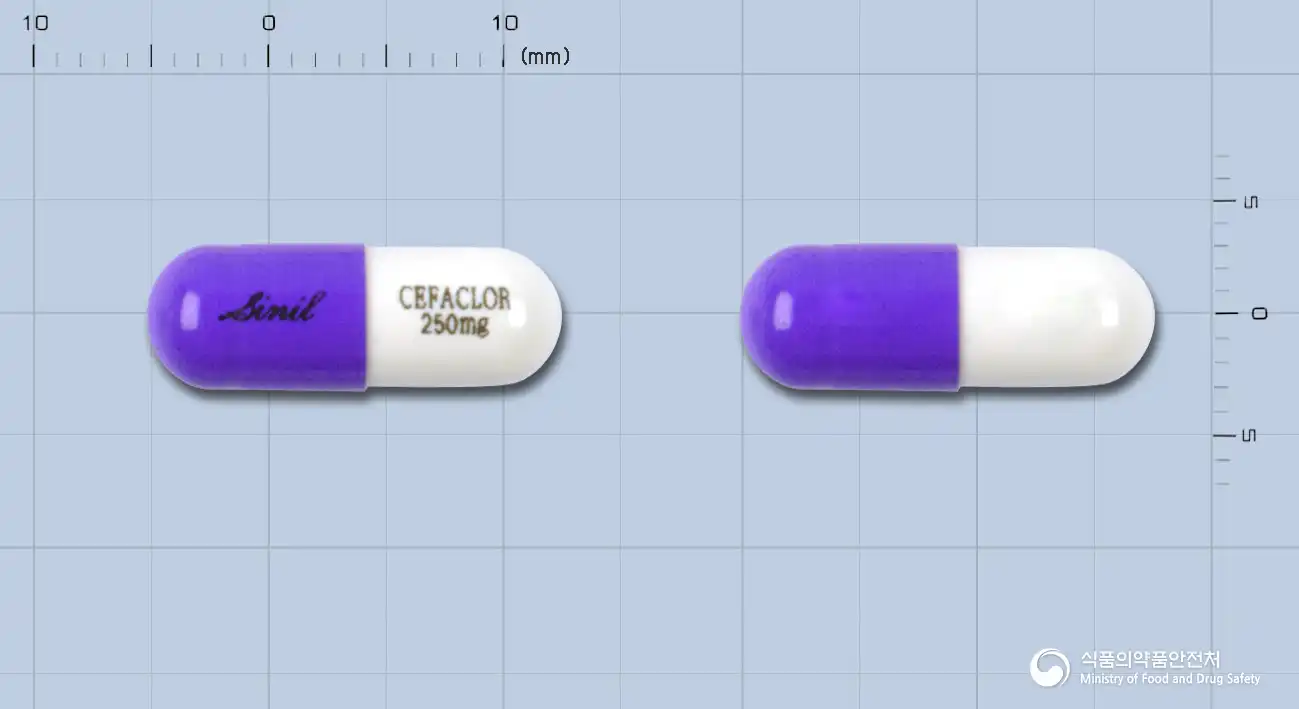
Cefaclor Hydrate 250mg
Hard capsule · Prescription medication
Shinil Pharmaceutical Co., Ltd.
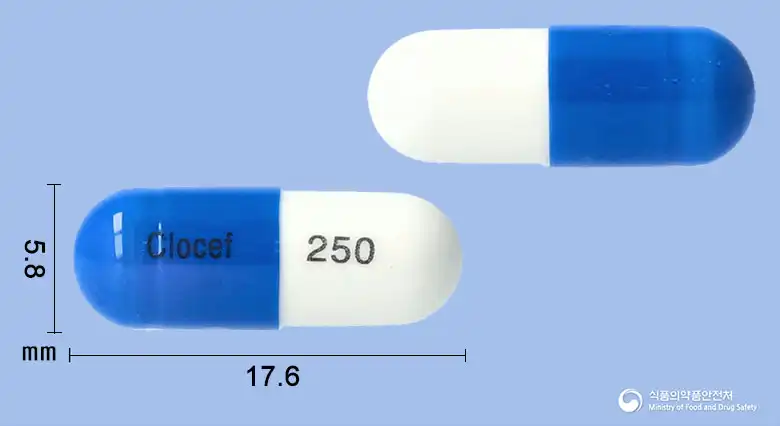
Cefaclor Hydrate 250mg
Hard capsule · Prescription medication
Hanmi Pharmaceutical Co., Ltd.
Cefaclor Hydrate 2.5g
Syrup · Prescription medication
Hanmi Pharmaceutical Co., Ltd.
Cefaclor Hydrate 3.75g
Syrup · Prescription medication
Shinpoong Pharmaceutical Co., Ltd.
Even with the same ingredient, the dose and directions can differ by strength and dosage form. Talk to a doctor or pharmacist before switching from a medication you are already taking.
No questions yet.
For anything that needs medical judgment, consult a doctor or pharmacist.
This drug information is based on data provided by the Korea Ministry of Food and Drug Safety.
Consult a doctor or pharmacist for accurate dosage, administration, and usage instructions.