
 한국어
 English
 日本語
 中文(简体)
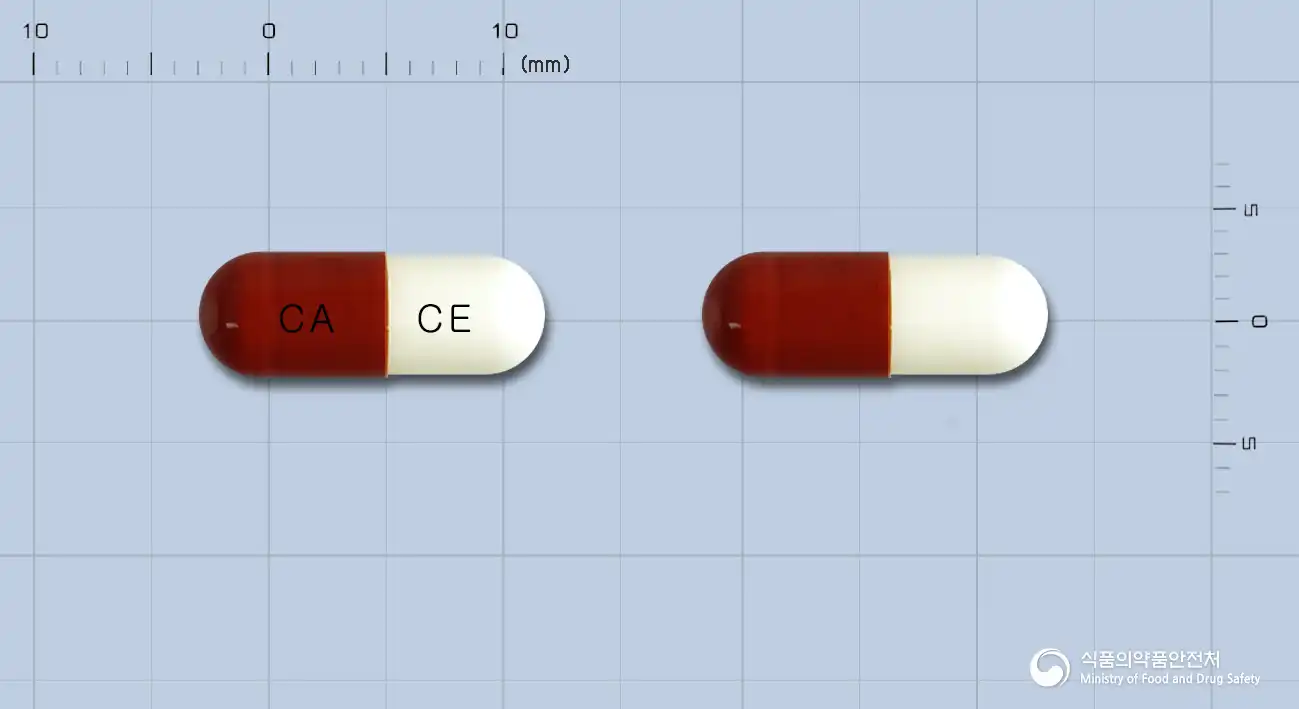 Viewing now
Cepacapsule 250mg (Cefaclor Hydrate)
Cefaclor Hydrate 262mg
Hard capsule · Prescription medication
Joah Pharmaceutical Co., Ltd.
MFDS item code 201303038 · Approved 2013.01.31 · Insurance code 644602730
Treatment of respiratory and ear infections, urinary tract infections, and skin and soft tissue infections
This medication is effective against various bacteria including Streptococcus pneumoniae, Haemophilus influenzae, and Staphylococcus. It is used to treat respiratory infections such as otitis media, pneumonia, and tonsillitis, as well as urinary tract infections like pyelonephritis and cystitis. It can also treat skin infections and wound infections such as boils and abscesses. Due to its broad application against various bacterial infections, it helps effectively improve infection symptoms.
○ Adults: Take 250mg (potency) of cefaclor orally every 8 hours. For severe infections (such as pneumonia) and infections caused by less susceptible organisms, the dose may be doubled. For acute gonococcal urethritis, administer a single dose of 3g of this medicine together with 1g of probenecid. ○ Patients with renal impairment: This medicine may be administered without changing the dose. Treatment of beta-hemolytic streptococcal infections should continue for at least 10 days.
○ Children: Administer 20mg (potency) per kg of body weight per day in divided doses every 8 hours. ○ Children: For severe infections, otitis media, and infections caused by less susceptible organisms, 40mg (potency) per kg of body weight per day may be administered. The maximum dose is 1g (potency) per day.
This drug works by interfering with the synthesis of the cell wall of certain bacteria, thus killing them. Before using this medication, be sure to inform your doctor if you have a history of severe allergic reactions or shock from this drug or similar antibiotics. People with genetic lactose intolerance should not take this medication. Persons allergic to penicillin antibiotics, or who easily exhibit allergy symptoms such as asthma or hives, should use this drug with caution. Patients with significantly reduced kidney function, the elderly, or those in poor general condition should be monitored closely, as Vitamin K deficiency symptoms may occur. This medication contains certain dyes, so those with allergies to these dyes should also exercise caution. While taking this medication, rare severe allergic reactions, skin rashes, blood abnormalities, liver or kidney dysfunction, gastrointestinal issues, and central nervous system symptoms may occur; if any abnormal symptoms arise, consult a doctor immediately. It is crucial to take this medication only for the necessary period to prevent the development of resistant bacteria. This drug may interact with other medications, especially those affecting the kidneys, anticoagulants, and oral contraceptives, so please inform your doctor if you are taking any of these. Women who are pregnant or breastfeeding should consult their physician before use, as safety has not been fully established. It is advisable not to use this medication in newborns under one month of age, as safety and efficacy have not been confirmed. Elderly patients, due to weakened bodily functions, may be more susceptible to adverse reactions and should be administered with extra caution. This drug may affect certain clinical test results, so you must inform healthcare personnel of its use before tests.
Not everyone experiences these, and they can vary from person to person.
This medication is sensitive to light, so it should be stored in a container that does not allow light to enter. Also, it should be kept at a temperature between 1 to 30 degrees Celsius to ensure safe usage.
A hard capsule with a light yellow powder filled in the upper red and lower white opaque body.
30 C/bottle, 300 C/bottle
Even with the same ingredient, strength, dosage form and how it is taken can differ.
Viewing nowCefaclor Hydrate 262mg
Hard capsule · Prescription medication
Joah Pharmaceutical Co., Ltd.
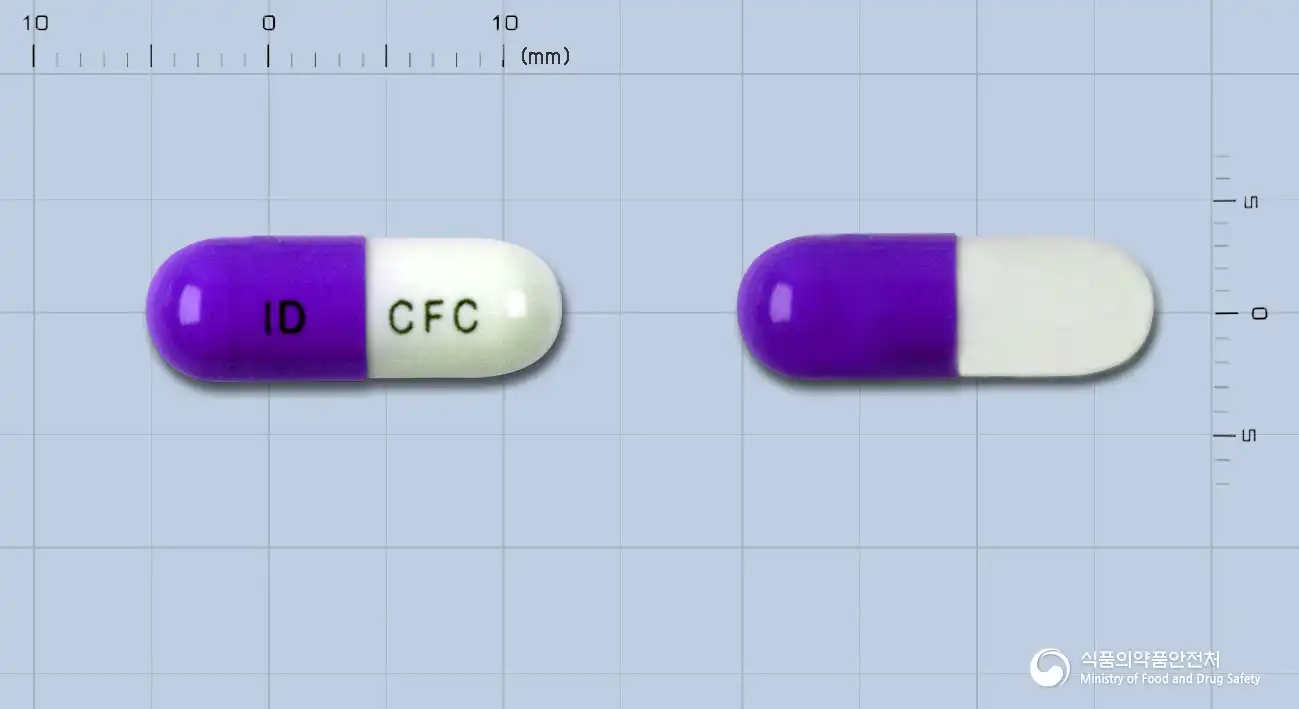
Cefaclor Hydrate 250mg
Hard capsule · Prescription medication
Ildong Pharmaceutical Co., Ltd.
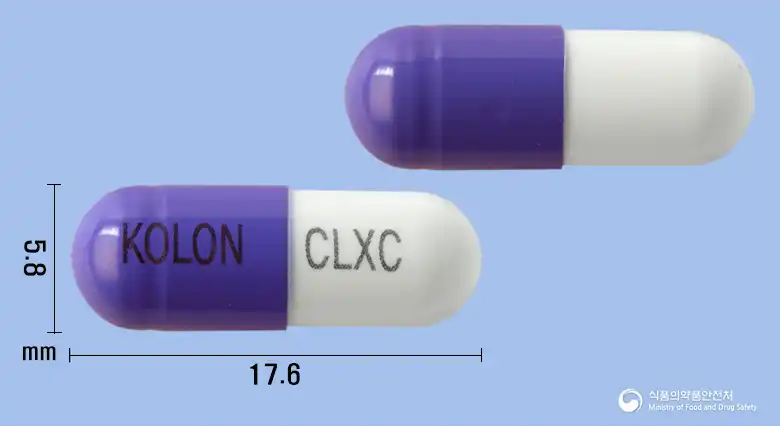
Cefaclor Hydrate 250mg
Hard capsule · Prescription medication
Kolon Pharmaceutical Co., Ltd.
Cefaclor Hydrate 3.75g
Syrup · Prescription medication
Youngjin Pharmaceutical Co., Ltd.
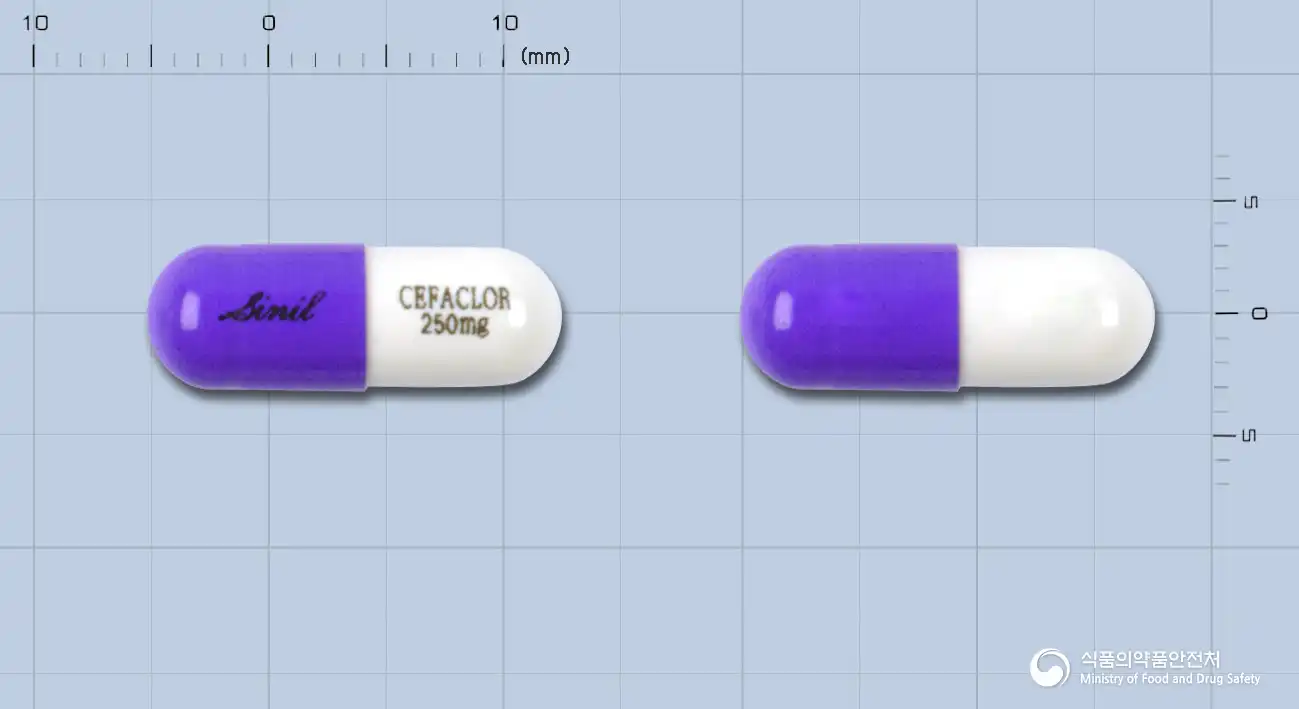
Cefaclor Hydrate 250mg
Hard capsule · Prescription medication
Shinil Pharmaceutical Co., Ltd.
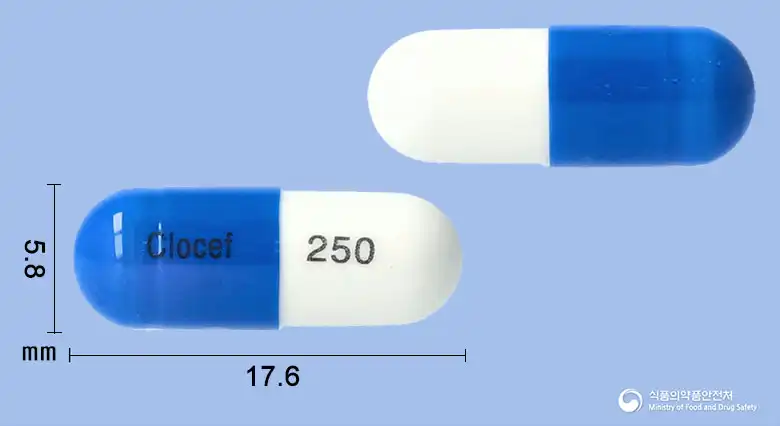
Cefaclor Hydrate 250mg
Hard capsule · Prescription medication
Hanmi Pharmaceutical Co., Ltd.
Cefaclor Hydrate 2.5g
Syrup · Prescription medication
Hanmi Pharmaceutical Co., Ltd.
Cefaclor Hydrate 3.75g
Syrup · Prescription medication
Shinpoong Pharmaceutical Co., Ltd.
Even with the same ingredient, the dose and directions can differ by strength and dosage form. Talk to a doctor or pharmacist before switching from a medication you are already taking.
No questions yet.
For anything that needs medical judgment, consult a doctor or pharmacist.
This drug information is based on data provided by the Korea Ministry of Food and Drug Safety.
Consult a doctor or pharmacist for accurate dosage, administration, and usage instructions.