
 한국어
 English
 日本語
 中文(简体)
Dosage form image
Viewing nowAmbroxol Injection (Ambroxol Hydrochloride)
Ambroxol Hydrochloride 7.5mg
Injections · Prescription medication
Chaeil Pharmaceutical Co., Ltd.
MFDS item code 201100121 · Notified 2011.01.11
Treatment and prevention of respiratory diseases, respiratory distress syndrome in premature infants and neonates, and perioperative pulmonary complications
This medication is used for acute and chronic respiratory diseases such as chronic bronchitis, asthmatic bronchitis, and acute attacks of bronchial asthma caused by mucosal secretion disorders. It also helps in treating respiratory distress syndrome in preterm infants and newborns, and is effective in preventing and treating pulmonary complications before and after surgery. Overall, it is used to improve various symptoms and diseases related to the respiratory system.
Administer ambroxol hydrochloride 15 mg subcutaneously, intramuscularly, or by slow intravenous injection 2-3 times daily. In severe cases, the dose may be increased to 30 mg per dose, and it may be administered by intravenous infusion with normal saline or Ringer's solution. Adjust the dose as appropriate according to age and symptoms.
Administer 1.2-1.6 mg/kg of body weight per day by intravenous or intramuscular injection. Age 5 years and older: 15 mg per dose, 2-3 times daily Age 2-4 years: 7.5 mg per dose, 3 times daily Under 2 years: 7.5 mg per dose, 2 times daily For the treatment of respiratory distress in premature infants and newborns, administer 10 mg/kg of body weight per day by slow intravenous injection in 4 divided doses. When administered alone, the dose may be increased to 20mg/kg of body weight.
This medication should be handled with care when cutting the glass container, as glass fragments may mix in. Special caution should be taken when administering to children or the elderly. It should not be used in patients who are allergic to this drug or any of its components. Caution is required when administering to patients with impaired renal function or severe liver disease. Rarely, serious side effects like severe skin damage may occur, so if any abnormalities in skin or mucous membranes arise, treatment should be discontinued immediately and a physician should be consulted. Gastrointestinal symptoms such as indigestion, nausea, and vomiting may sometimes occur, as well as occasional abdominal pain or diarrhea. Rarely, skin rashes or severe allergic reactions may develop, and any unusual symptoms should be reported immediately. Inflammation in the respiratory system may occur, and neurological symptoms such as altered taste sensation or tongue abnormalities have been reported. This medication may increase the concentration of certain antibiotics when used together, so caution is needed with co-administration. Use of this medication is not recommended during pregnancy, especially within the first three months, and should be administered during breastfeeding only after consultation with a physician. Elderly patients may have diminished body function, so dosage adjustments should be made. No specific symptoms have been reported in case of overdose, but appropriate treatment is necessary if side effects occur. When administered as an injection, headaches or leg pain and fatigue may occur, thus injections should be administered slowly and attention should be paid to the injection site and method. This drug should only be mixed with normal saline or Ringer's solution and must be administered within 24 hours after mixing. It should be kept out of the reach of children.
Not everyone experiences these, and they can vary from person to person.
This medication may be sensitive to light, so it should be stored in a light-resistant container. Additionally, it is important to maintain the storage temperature between 1 and 30 degrees Celsius to preserve the drug's efficacy.
A brown transparent ampoule containing a colorless transparent liquid.
1 ampoule (2 mL) x company packaging unit
Even with the same ingredient, strength, dosage form and how it is taken can differ.
Ambroxol Hydrochloride 7.5mg
Injections · Prescription medication
Chaeil Pharmaceutical Co., Ltd.
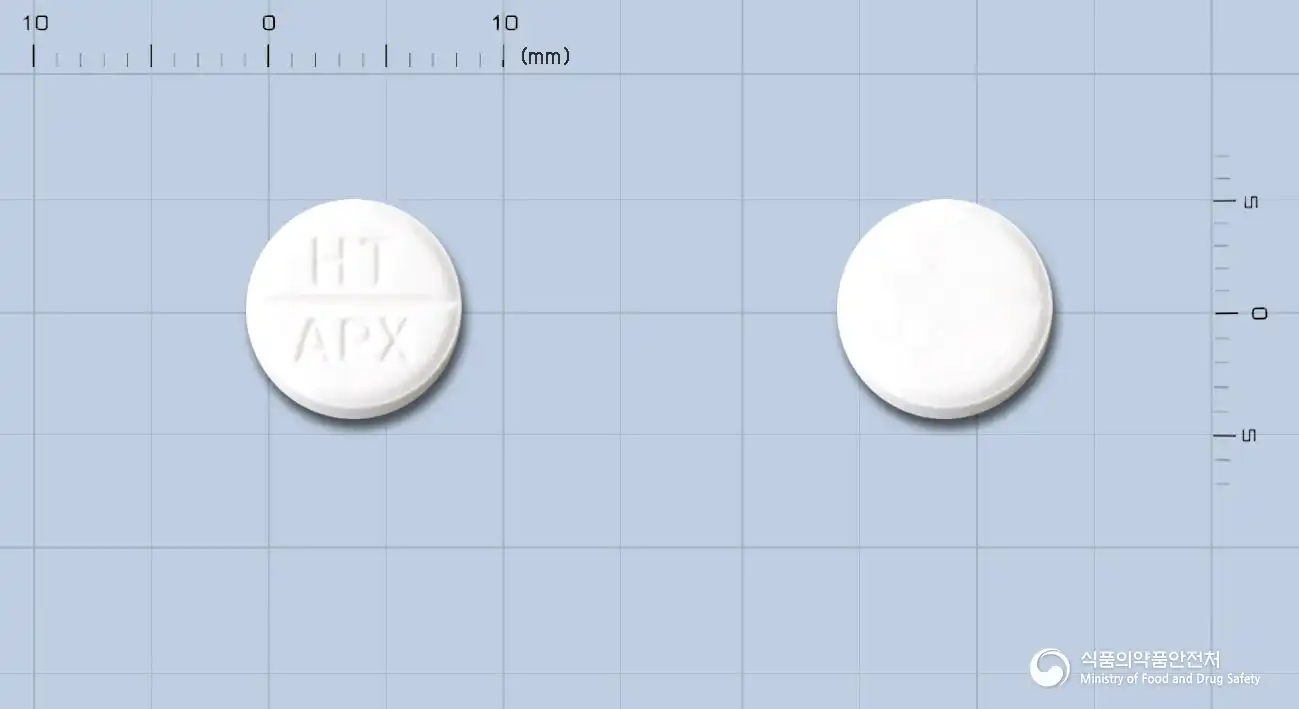
Ambroxol Hydrochloride 30mg
Tablet · OTC medication
Hanmi Pharmaceutical Co., Ltd.
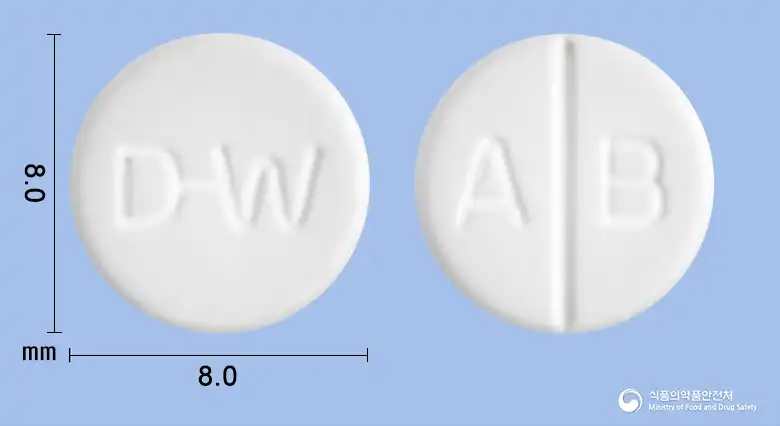
Ambroxol Hydrochloride 30mg
Tablet · OTC medication
Dongwha Pharmaceutical Co., Ltd.
Ambroxol Hydrochloride 15mg
Prescription medication
Aju Pharmaceuticals Co., Ltd.
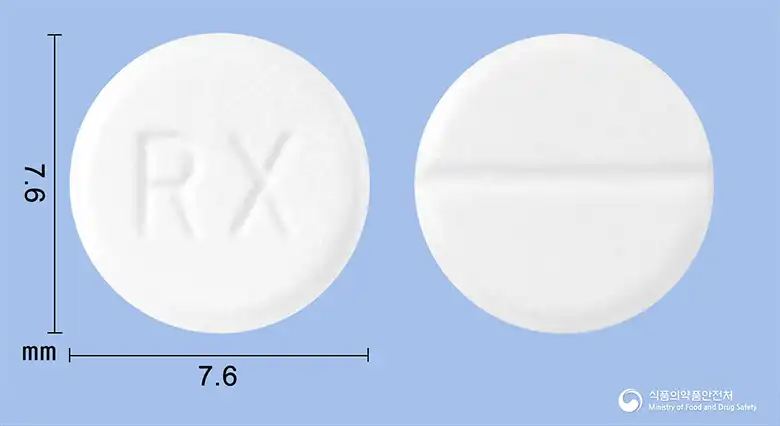
Ambroxol Hydrochloride 30mg
Tablet · OTC medication
Sama Pharmaceutical Co., Ltd.
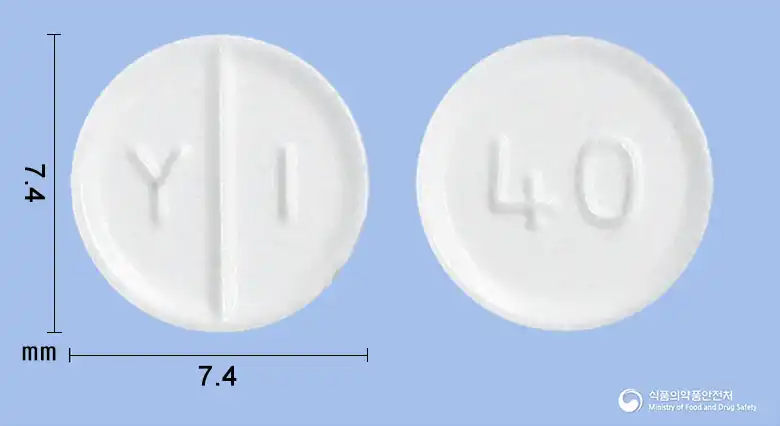
Ambroxol Hydrochloride 30mg
Tablet · OTC medication
Youngil Pharmaceutical Co., Ltd.
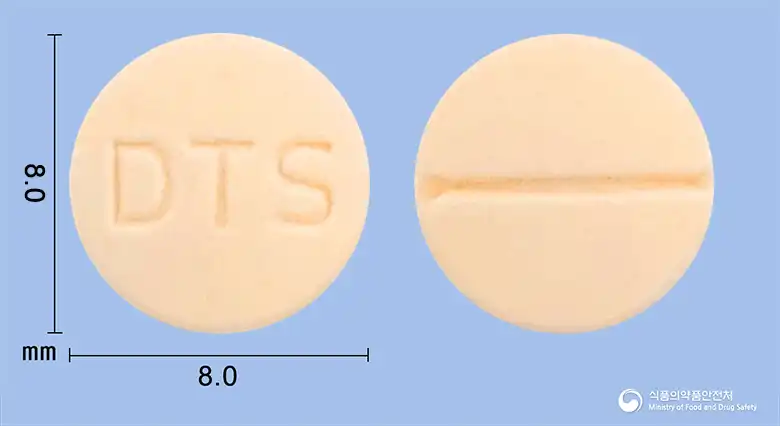
Ambroxol Hydrochloride 30mg
Tablet · OTC medication
Guju Pharmaceutical Co., Ltd.
Ambroxol Hydrochloride 15mg
Prescription medication
Dongkwang Pharmaceutical Co., Ltd.
Even with the same ingredient, the dose and directions can differ by strength and dosage form. Talk to a doctor or pharmacist before switching from a medication you are already taking.
No questions yet.
For anything that needs medical judgment, consult a doctor or pharmacist.
This drug information is based on data provided by the Korea Ministry of Food and Drug Safety.
Consult a doctor or pharmacist for accurate dosage, administration, and usage instructions.