
 한국어
한국어 English
 日本語
日本語 中文(简体)
Dosage form image
Viewing nowAmbroxol Injection (Ambroxol Hydrochloride)
Ambroxol Hydrochloride 7.5mg
Injections · Prescription medication
Chaeil Pharmaceutical Co., Ltd.
MFDS item code 201100121 · Notified 2011.01.11
Effectiveness in preventing and treating respiratory diseases (chronic bronchitis, asthma) and pulmonary complications.
This medication is used for acute and chronic respiratory diseases such as chronic bronchitis, asthmatic bronchitis, and acute attacks of bronchial asthma caused by mucosal secretion disorders. It also helps in treating respiratory distress syndrome in preterm infants and newborns, and is effective in preventing and treating pulmonary complications before and after surgery. Overall, it is used to improve various symptoms and diseases related to the respiratory system.
For adults, administer 15 mg as Ambroxol Hydrochloride once 2-3 times daily via subcutaneous, intramuscular, or slow intravenous injection. In severe cases, the dose can be increased up to 30 mg, and it can be administered as an intravenous drop along with normal saline or Ringer's solution.
For children, administer 1.2-1.6 mg per kg body weight daily as intravenous or intramuscular injection. The dosage according to age is as follows: 5 years and above: 15 mg once 2-3 times a day; 2-4 years: 7.5 mg once.
This medication should be handled with care when cutting the glass container, as glass fragments may mix in. Special caution should be taken when administering to children or the elderly. It should not be used in patients who are allergic to this drug or any of its components. Caution is required when administering to patients with impaired renal function or severe liver disease. Rarely, serious side effects like severe skin damage may occur, so if any abnormalities in skin or mucous membranes arise, treatment should be discontinued immediately and a physician should be consulted. Gastrointestinal symptoms such as indigestion, nausea, and vomiting may sometimes occur, as well as occasional abdominal pain or diarrhea. Rarely, skin rashes or severe allergic reactions may develop, and any unusual symptoms should be reported immediately. Inflammation in the respiratory system may occur, and neurological symptoms such as altered taste sensation or tongue abnormalities have been reported. This medication may increase the concentration of certain antibiotics when used together, so caution is needed with co-administration. Use of this medication is not recommended during pregnancy, especially within the first three months, and should be administered during breastfeeding only after consultation with a physician. Elderly patients may have diminished body function, so dosage adjustments should be made. No specific symptoms have been reported in case of overdose, but appropriate treatment is necessary if side effects occur. When administered as an injection, headaches or leg pain and fatigue may occur, thus injections should be administered slowly and attention should be paid to the injection site and method. This drug should only be mixed with normal saline or Ringer's solution and must be administered within 24 hours after mixing. It should be kept out of the reach of children.
Serious skin damages such as Stevens-Johnson syndrome and Lyell's syndrome, severe acute anaphylactic reactions (including anaphylactic shock), hives, angioedema, facial swelling, and respiratory distress.
Indigestion, nausea, vomiting, heartburn, dry mouth, discomfort in the stomach area, bloating of the stomach and abdomen, stomach pain, diarrhea, constipation, loss of appetite, skin rashes, purulent rhinitis accompanied by leukocytosis, altered sensation of the tongue, changes in taste, oral paralysis sensations, numbness in the arms.
Not everyone experiences these, and they can vary from person to person.
This medication may be sensitive to light, so it should be stored in a light-resistant container. Additionally, it is important to maintain the storage temperature between 1 and 30 degrees Celsius to preserve the drug's efficacy.
A brown transparent ampoule containing a colorless transparent liquid.
1 ampoule (2 mL) x company packaging unit
Even with the same ingredient, strength, dosage form and how it is taken can differ.
Ambroxol Hydrochloride 7.5mg
Injections · Prescription medication
Chaeil Pharmaceutical Co., Ltd.
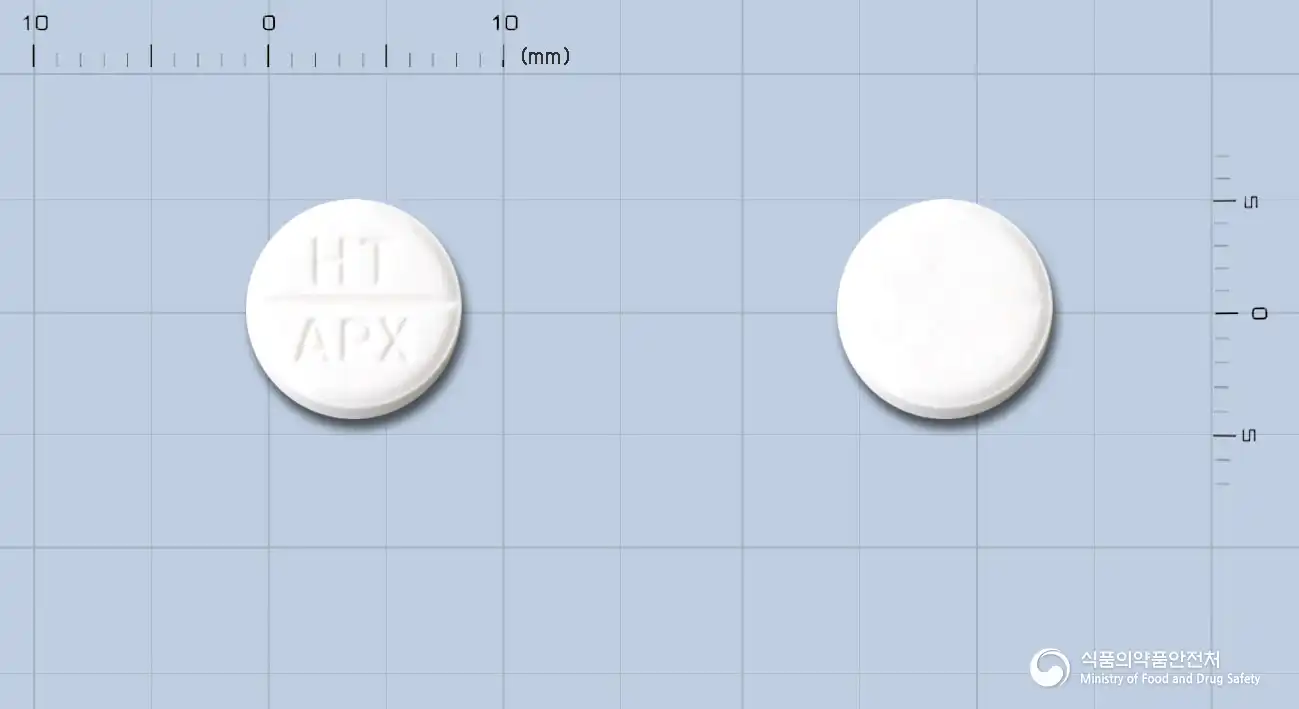
Ambroxol Hydrochloride 30mg
Tablet · OTC medication
Hanmi Pharmaceutical Co., Ltd.
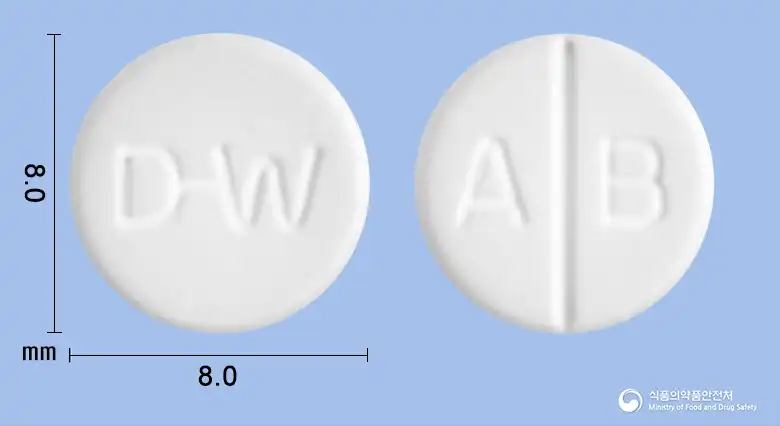
Ambroxol Hydrochloride 30mg
Tablet · OTC medication
Dongwha Pharmaceutical Co., Ltd.
Ambroxol Hydrochloride 15mg
Prescription medication
Aju Pharmaceuticals Co., Ltd.
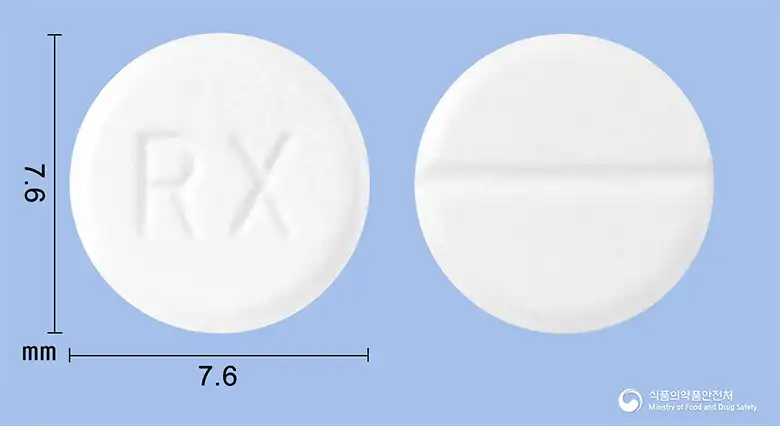
Ambroxol Hydrochloride 30mg
Tablet · OTC medication
Sama Pharmaceutical Co., Ltd.
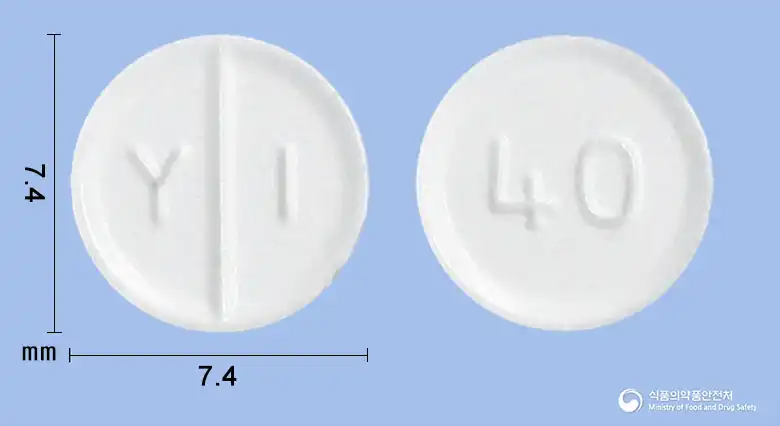
Ambroxol Hydrochloride 30mg
Tablet · OTC medication
Youngil Pharmaceutical Co., Ltd.
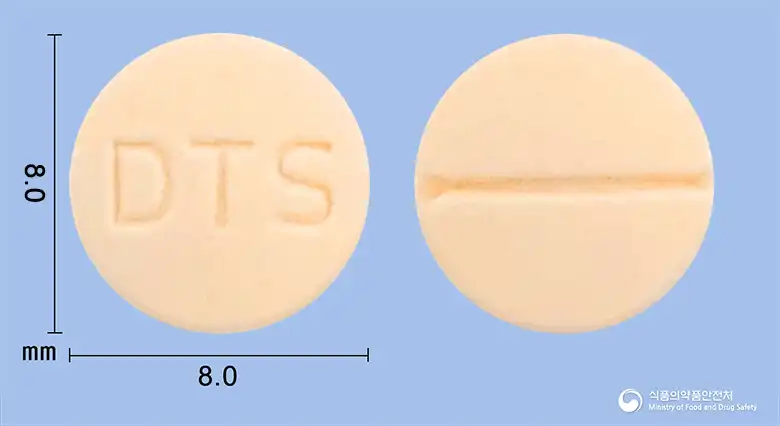
Ambroxol Hydrochloride 30mg
Tablet · OTC medication
Guju Pharmaceutical Co., Ltd.
Ambroxol Hydrochloride 15mg
Prescription medication
Dongkwang Pharmaceutical Co., Ltd.
Even with the same ingredient, the dose and directions can differ by strength and dosage form. Talk to a doctor or pharmacist before switching from a medication you are already taking.
No questions yet.
For anything that needs medical judgment, consult a doctor or pharmacist.
This drug information is based on data provided by the Korea Ministry of Food and Drug Safety.
Consult a doctor or pharmacist for accurate dosage, administration, and usage instructions.