
 한국어
 English
 日本語
 中文(简体)
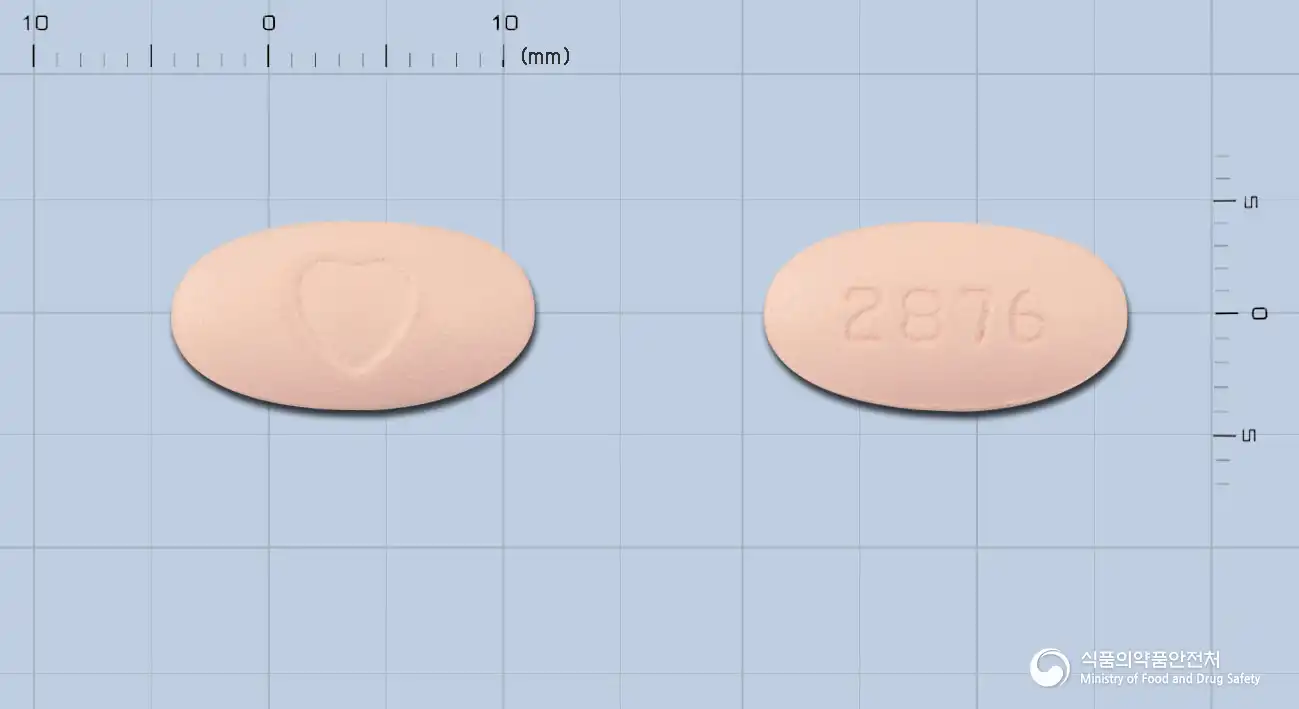
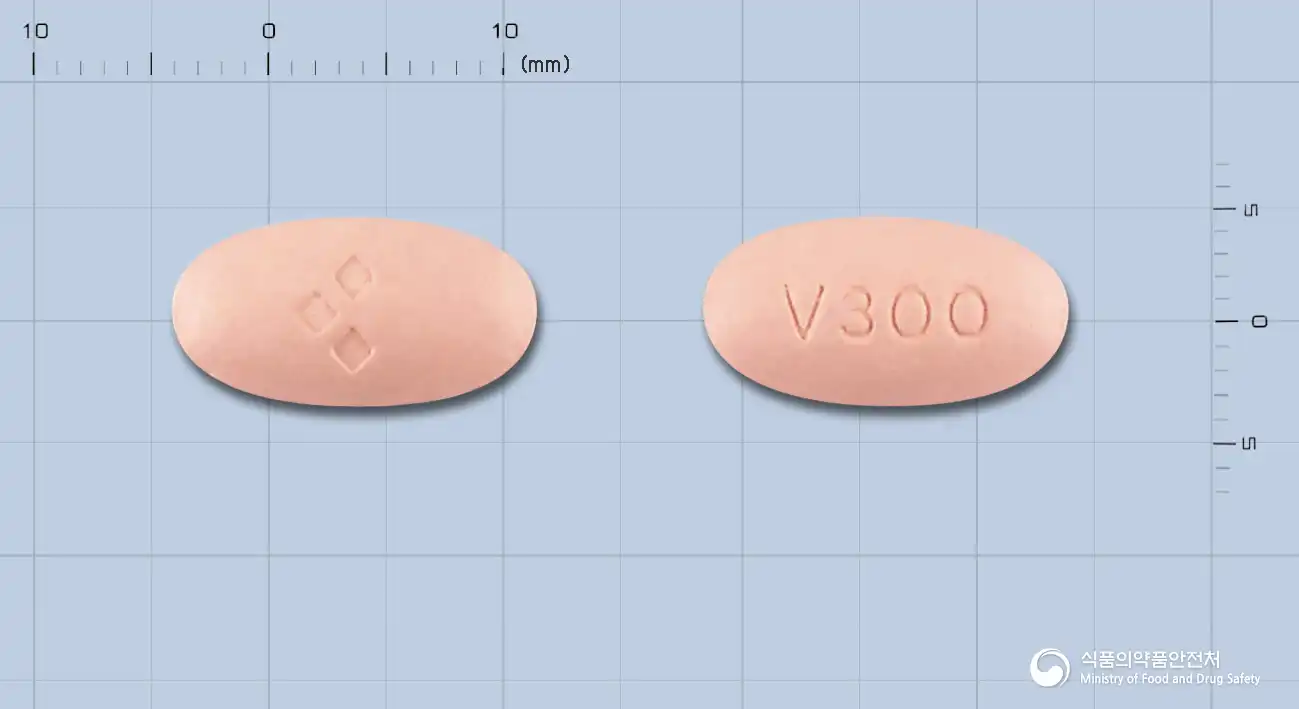
Dosage form image
Viewing nowCombinationCoizabel Tablet 300/12.5 mg
Irbesartan 300mg · Hydrochlorothiazide 12.5mg
Tablet · Prescription medication · Combination
(Co., Ltd.) Chong Kun Dang
MFDS item code 201006870 · Notified 2010.11.17
This product's status changed to Expired on 2024.07.01. It may no longer be sold, so consult a doctor or pharmacist before taking it.
Treatment of hypertension not controlled with monotherapy; initial treatment when combination therapy is needed
For patients whose blood pressure control is insufficient with monotherapy, combination therapy with multiple medications may be necessary. Especially for patients with moderate to severe hypertension (stage 2), initial therapy using combination drugs from the outset is recommended to meet the target blood pressure. This aids in more effectively managing blood pressure and reducing the risk of cardiovascular diseases. This medication is used for blood pressure control in patients requiring multiple therapeutic approaches.
This medicine is administered once daily, with or without food. It is recommended to titrate the dose of each component (irbesartan and hydrochlorothiazide). ○ Adults 1. Patients whose blood pressure is not adequately controlled with monotherapy - For patients whose blood pressure is not adequately controlled with irbesartan 150 mg or hydrochlorothiazide alone, administer 1 tablet of irbesartan 150 mg/hydrochlorothiazide 12.5 mg once daily. - For patients whose blood pressure is not adequately controlled with irbesartan 300 mg or irbesartan 150 mg/hydrochlorothiazide 12.5 mg, administer 1 tablet of irbesartan 300 mg/hydrochlorothiazide 12.5 mg once daily. - For patients whose blood pressure is not adequately controlled with irbesartan 300 mg/hydrochlorothiazide 12.5 mg, administer 1 tablet of irbesartan 300 mg/hydrochlorothiazide 25 mg once daily. Doses exceeding irbesartan 300 mg/hydrochlorothiazide 25 mg are not recommended. If necessary, this medicine may be coadministered with other antihypertensive agents. 2. When initiating treatment in patients with moderate or severe hypertension (stage 2), the regimen should be individualized, taking into consideration baseline blood pressure, the target blood pressure, and the expected increase in the likelihood of reaching the treatment goal compared with monotherapy. Usually, treatment is initiated with 1 tablet of irbesartan 150 mg/hydrochlorothiazide 12.5 mg once daily; if blood pressure control is needed, the dose may be increased after 1 ~ 2 weeks to a maximum of irbesartan 300 mg/hydrochlorothiazide 25 mg. Initiating treatment with this medicine is not recommended in patients with intravascular volume depletion. ○ Patients with renal impairment Because of the hydrochlorothiazide component, this medicine is not recommended for patients with severe renal impairment (creatinine clearance〈 30 mL/min). Loop diuretics are preferred in these patients. No dose adjustment is necessary in patients with renal impairment and creatinine clearance of 30 mL/min or greater. ○ Patients with volume depletion If sodium and/or fluid depletion is present, correct the imbalance before administering this medicine. ○ Patients with hepatic impairment This medicine must not be used in patients with severe hepatic impairment. Thiazide drugs should be used with caution in patients with hepatic impairment. No dose adjustment is necessary in patients with mild ~ moderate hepatic impairment. ○ Elderly patients No dose adjustment is necessary in elderly patients.
○ Pediatric The safety and efficacy of this medicine have not been established in children and adolescents under 18 years of age.
This medication may cause serious harm to the fetus and newborn if administered to pregnant women. Therefore, it should be discontinued immediately upon confirmation of pregnancy. Women who are pregnant or breastfeeding, as well as patients with allergies to this medication or its components, should not take it. Patients with severely impaired renal function or anuria should also avoid this medication. Special caution is necessary for patients with hypotension, kidney disease, or liver dysfunction, and those with a history of skin cancer should regularly monitor their skin condition while on this medication. Side effects such as dizziness, fatigue, nausea, and abnormal urination may occur. Because kidney function and electrolyte levels can change as indicated by blood tests, regular monitoring is needed. Especially note the potential fluctuations in potassium levels, so caution is advised when combined with other potassium-controlling medications. This drug does not significantly affect driving or machine operation, but caution should be exercised in case of dizziness or fatigue. Additionally, there may be cases of excessive hypotension, so consultation with healthcare personnel is essential if symptoms occur. This medication can be used alongside other antihypertensives but requires caution due to interactions with lithium, certain diuretics, and non-steroidal anti-inflammatory drugs (NSAIDs). Patients scheduled for surgery should inform healthcare personnel of this medication and may need to stop taking it if necessary. Safety in children or adolescents has not been established; hence, it is not recommended. Older adults may have different sensitivities and should use it with caution. Accidental overdose may lead to hypotension, electrolyte imbalances, and dehydration symptoms, thereby requiring immediate medical attention. This medication should be stored out of the reach of children and kept in its original container.
Not everyone experiences these, and they can vary from person to person.
This medication must be stored in a tightly sealed container to protect it from exposure to air or moisture. Additionally, it is safe to store it at room temperature, ideally between 1°C and 30°C, avoiding extremely hot or cold conditions.
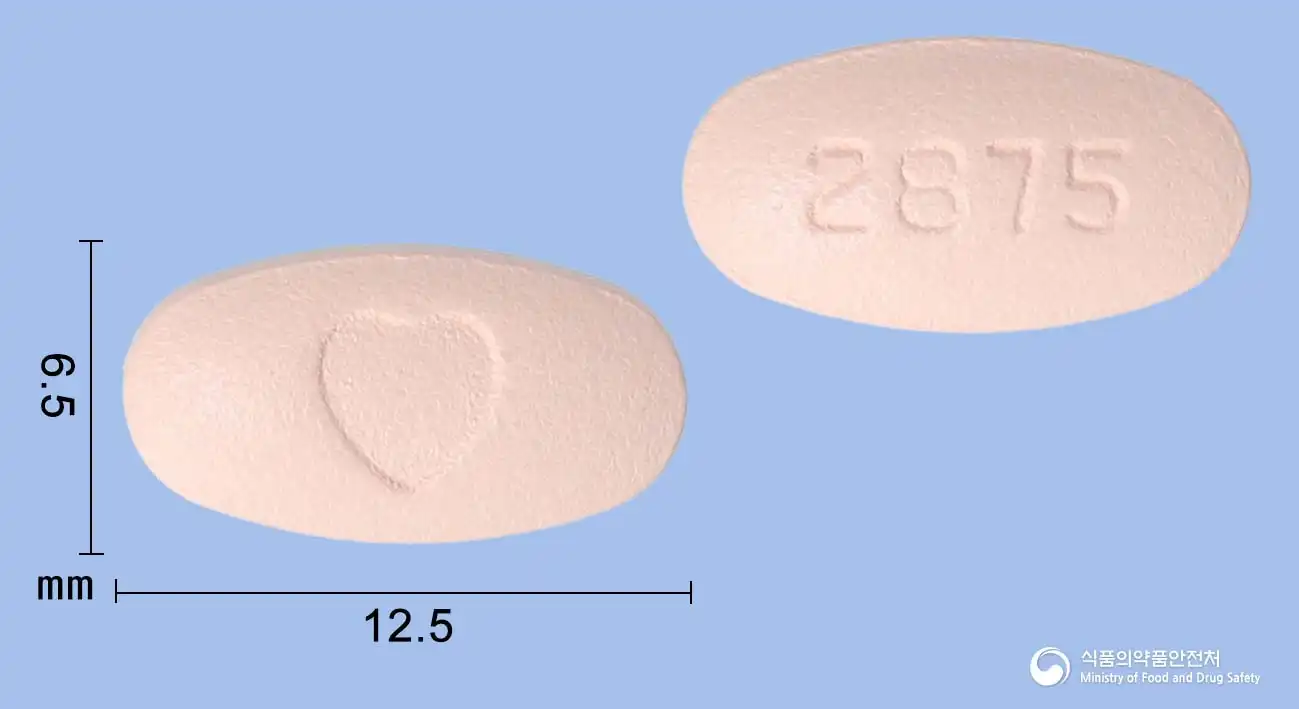
Pink, biconvex, film-coated tablets in a rectangular shape
30 tablets/bottle
Even with the same ingredient, strength, dosage form and how it is taken can differ.
Irbesartan 300mg · Hydrochlorothiazide 12.5mg
Tablet · Prescription medication · Combination
(Co., Ltd.) Chong Kun Dang
 Combination
Irbesartan 300mg · Hydrochlorothiazide 12.5mg
Tablet · Prescription medication · Combination
Handok Co., Ltd.
 Combination
Irbesartan 150mg · Hydrochlorothiazide 12.5mg
Tablet · Prescription medication · Combination
Handok Co., Ltd.
 Combination
Irbesartan 150mg · Hydrochlorothiazide 12.5mg
Tablet · Prescription medication · Combination
Samchundang Pharmaceutical Co., Ltd.
Irbesartan 150mg · Hydrochlorothiazide 12.5mg
Tablet · Prescription medication · Combination
Shinil Pharmaceutical Co., Ltd.
Irbesartan 150mg · Hydrochlorothiazide 12.5mg
Tablet · Prescription medication · Combination
Dongwha Pharmaceutical Co., Ltd.
 Combination
Irbesartan 150mg · Hydrochlorothiazide 12.5mg
Tablet · Prescription medication · Combination
Myungin Pharmaceutical Co., Ltd.
 Combination
Irbesartan 300mg · Hydrochlorothiazide 12.5mg
Tablet · Prescription medication · Combination
Myungin Pharmaceutical Co., Ltd.
Even with the same ingredient, the dose and directions can differ by strength and dosage form. Talk to a doctor or pharmacist before switching from a medication you are already taking.
No questions yet.
For anything that needs medical judgment, consult a doctor or pharmacist.
This drug information is based on data provided by the Korea Ministry of Food and Drug Safety.
Consult a doctor or pharmacist for accurate dosage, administration, and usage instructions.