
 한국어
한국어 English
 日本語
日本語 中文(简体)
 Viewing nowCombination
Coaprovell Tablets 150/12.5 mg
Irbesartan 150mg · Hydrochlorothiazide 12.5mg
Tablet · Prescription medication · Combination
Handok Co., Ltd.
MFDS item code 200702137 · Notified 2007.02.16 · Insurance code 652101260
Control and treatment of essential hypertension
This medication is used in cases where blood pressure is not adequately controlled with monotherapy in patients with essential hypertension, or as an initial treatment requiring combination therapy in moderate to severe hypertension to achieve target blood pressure. In other words, it helps improve blood pressure in individuals who have difficulty controlling their blood pressure.
This medication is administered once daily, regardless of meals. For patients whose blood pressure is not adequately controlled with monotherapy, administer 150 mg of irbesartan/12.5 mg of hydrochlorothiazide once daily as one tablet. If blood pressure is not adequately controlled, 300 mg of irbesartan/12.5 mg of hydrochlorothiazide may be administered once daily as one tablet. If further adjustments are needed, increase to a maximum of 300 mg of irbesartan/25 mg of hydrochlorothiazide once daily.
The safety and efficacy of this medication have not been established in patients under the age of 18.
This medication can cause serious harm to the fetus if taken during pregnancy, particularly during the second and third trimesters, so it should be discontinued immediately upon confirmation of pregnancy. Women who are pregnant or may become pregnant, breastfeeding individuals, and those allergic to this medication or its components should not take it. Patients with severely impaired kidney function, anuria, and those with certain liver conditions should also refrain from using this medication. Patients with a history of angioedema or those with genetic disorders related to lactose intolerance should exercise caution. Diabetic patients with impaired kidney function, or diabetic nephropathy patients taking ACE inhibitors should avoid using this medication together. Patients with specific conditions such as hypotension, kidney disease, liver impairment, heart valve issues, or angle-closure glaucoma should use this medication with caution. The hydrochlorothiazide component can react sensitively to sunlight, potentially increasing the risk of skin cancer; thus, exposure to sunlight should be avoided while on this medication, and skin condition should be monitored frequently. Taking this medication may cause dizziness, fatigue, nausea, changes in urination, etc., and may lead to changes in kidney function or electrolyte levels in blood tests, necessitating regular monitoring. Dizziness or fatigue can occur while driving or operating machinery; therefore, caution is advised. Although this medication lowers blood pressure, it can exacerbate hypotension in cases of dehydration or sodium deficiency; if these conditions are present, you should inform your healthcare provider beforehand. This medication may affect potassium and sodium levels in the blood, so regular blood tests are required, especially when used with potassium supplements or potassium-sparing diuretics. If there is a sudden onset of eye pain or vision changes, there is a risk of acute angle-closure glaucoma, and immediate medical attention should be sought. This medication can interact with other antihypertensives, lithium, NSAIDs, etc., so ensure to inform your healthcare provider of any other medications you are taking. Pregnant or breastfeeding women should not take this medication, and safety in children or adolescents has not been established, so it is not recommended. Elderly individuals may be more sensitive to this medication; therefore, caution is necessary when taking it. In case of overdose, symptoms such as hypotension, electrolyte imbalance, or dehydration may occur, requiring immediate medical attention and treatment. This medication should be kept out of reach of children, stored in its original container, and transferring it to another container may lead to quality degradation or misuse.
Not everyone experiences these, and they can vary from person to person.
This medication should be stored in a tightly sealed container to prevent exposure to air or moisture. It is recommended to maintain a storage temperature between 1°C and 30°C at room temperature.
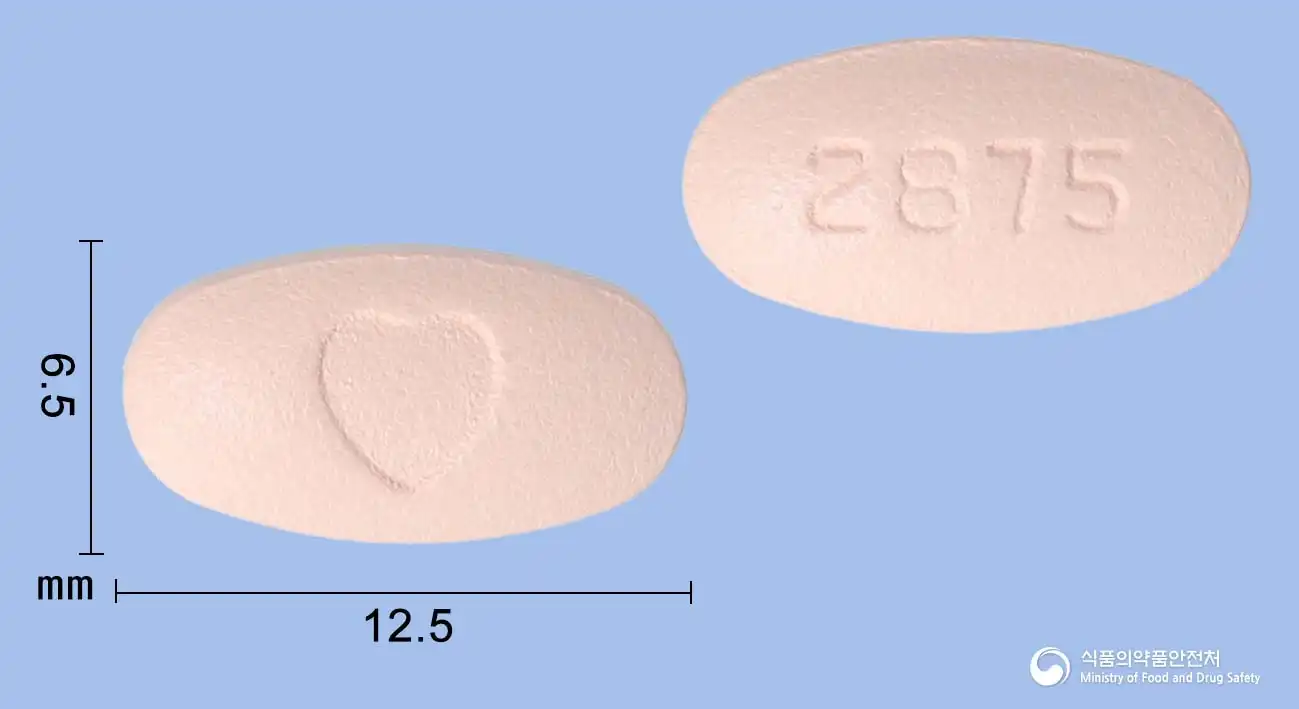
Pink, biconvex, oval film-coated tablets with an imprint of a heart shape on one side and the number '2875' on the other side
3X10 tablets/blister, 100 tablets/bottle
Even with the same ingredient, strength, dosage form and how it is taken can differ.
Viewing nowCombinationIrbesartan 150mg · Hydrochlorothiazide 12.5mg
Tablet · Prescription medication · Combination
Handok Co., Ltd.
 Combination
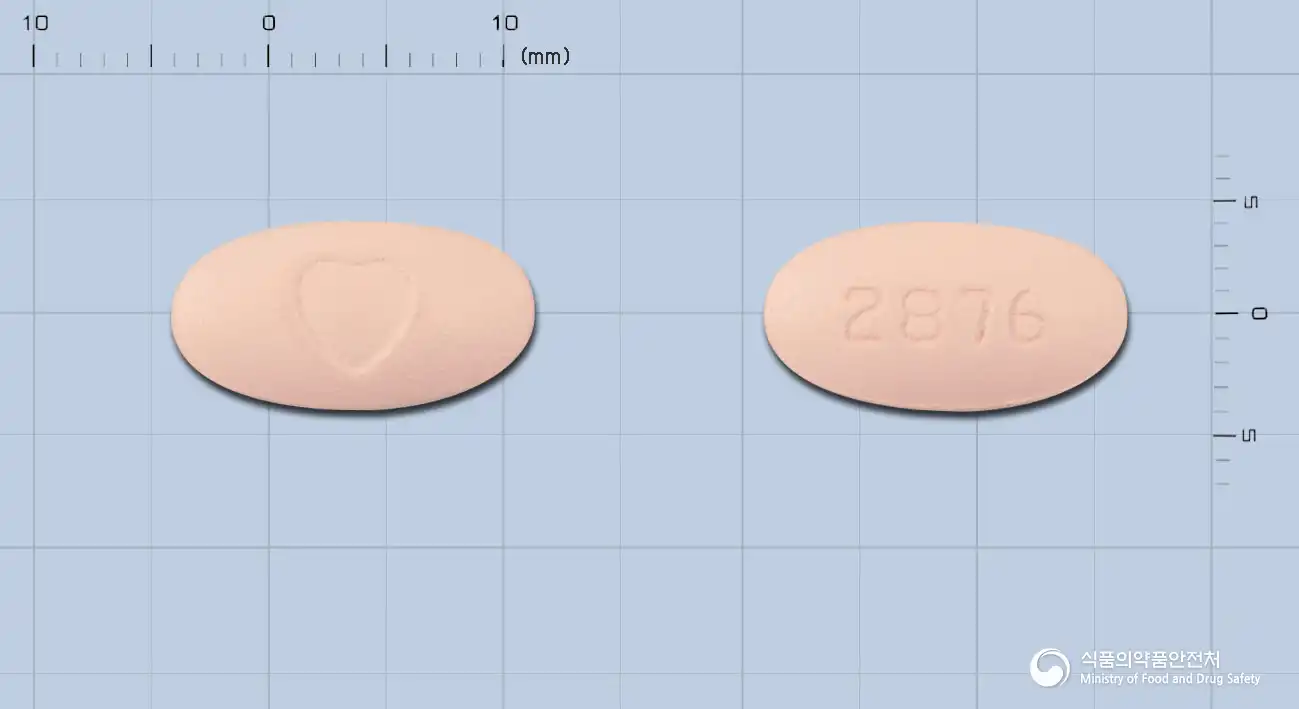
Irbesartan 300mg · Hydrochlorothiazide 12.5mg
Tablet · Prescription medication · Combination
Handok Co., Ltd.
 Combination
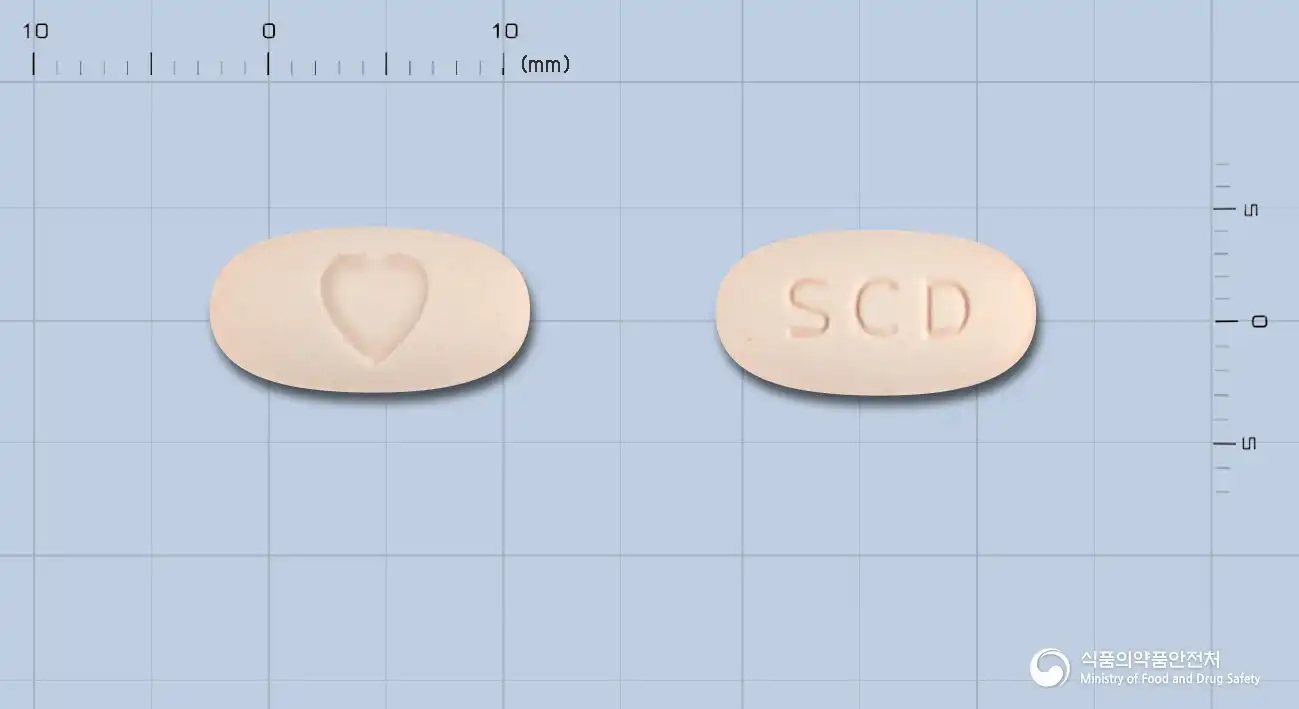
Irbesartan 150mg · Hydrochlorothiazide 12.5mg
Tablet · Prescription medication · Combination
Samchundang Pharmaceutical Co., Ltd.
Irbesartan 150mg · Hydrochlorothiazide 12.5mg
Tablet · Prescription medication · Combination
Shinil Pharmaceutical Co., Ltd.
Irbesartan 150mg · Hydrochlorothiazide 12.5mg
Tablet · Prescription medication · Combination
Dongwha Pharmaceutical Co., Ltd.
 Combination
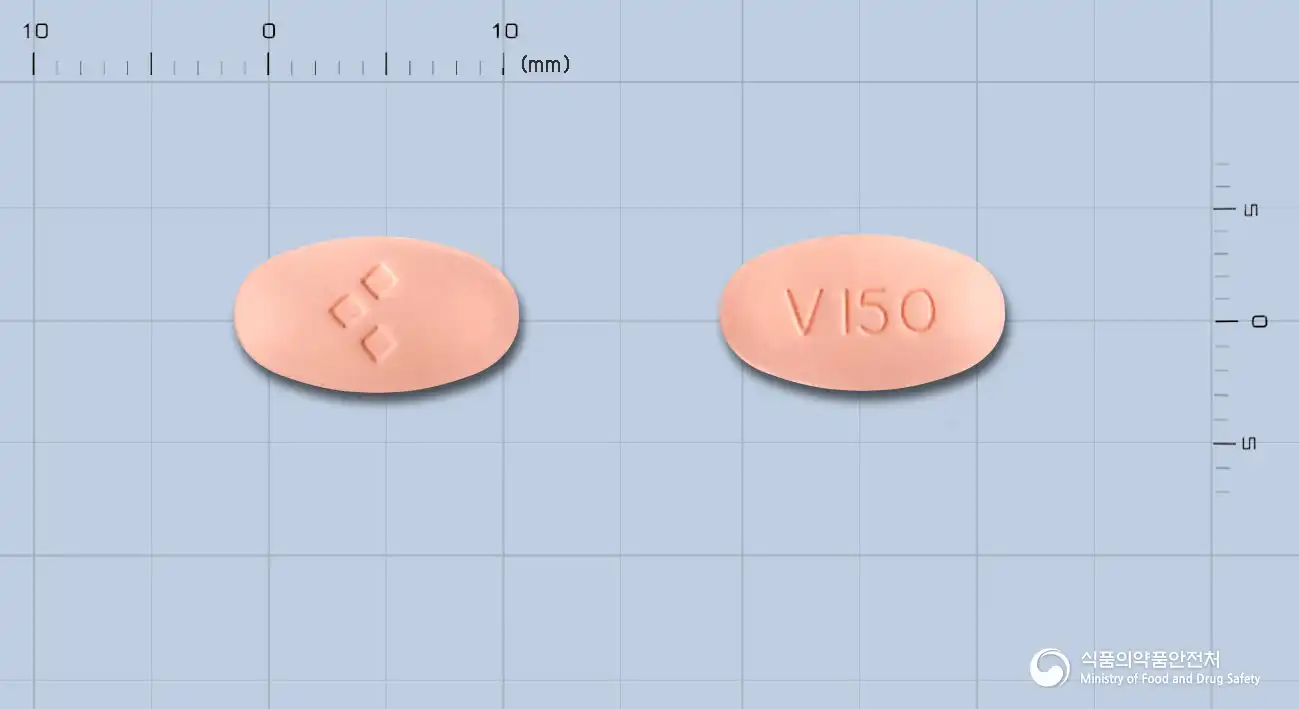
Irbesartan 150mg · Hydrochlorothiazide 12.5mg
Tablet · Prescription medication · Combination
Myungin Pharmaceutical Co., Ltd.
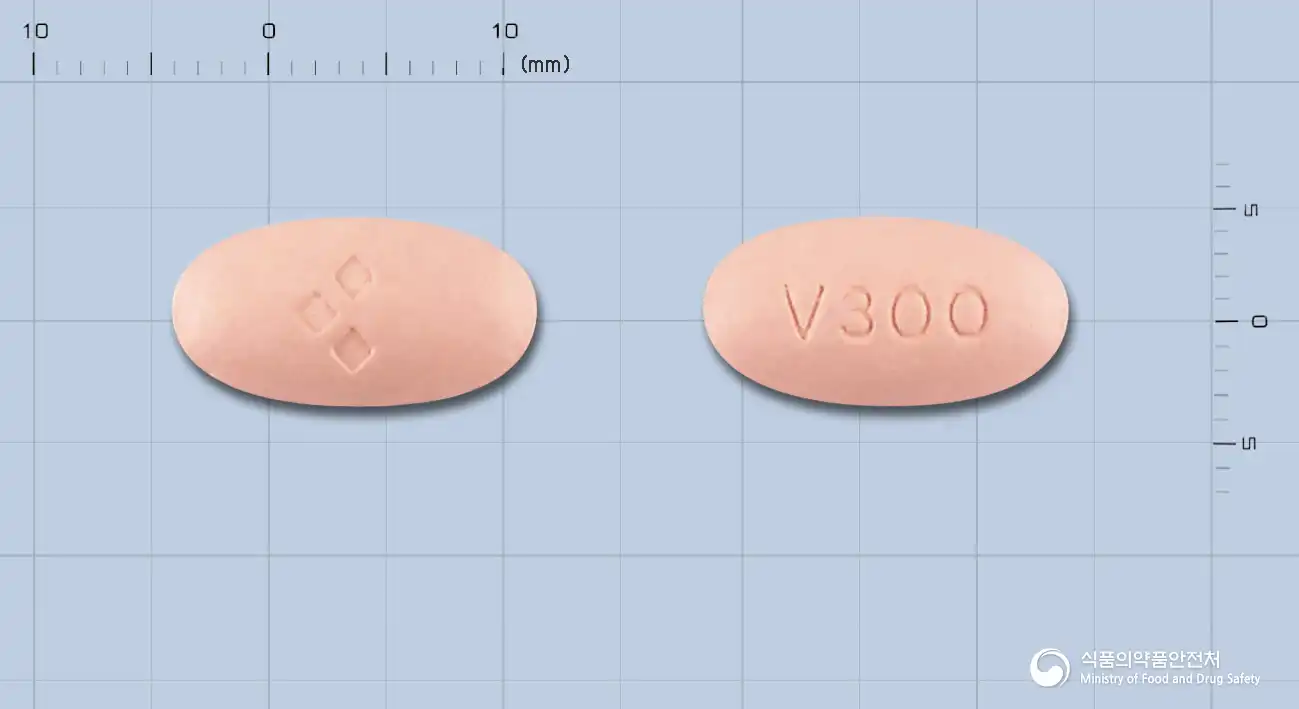 Combination
Irbesartan 300mg · Hydrochlorothiazide 12.5mg
Tablet · Prescription medication · Combination
Myungin Pharmaceutical Co., Ltd.
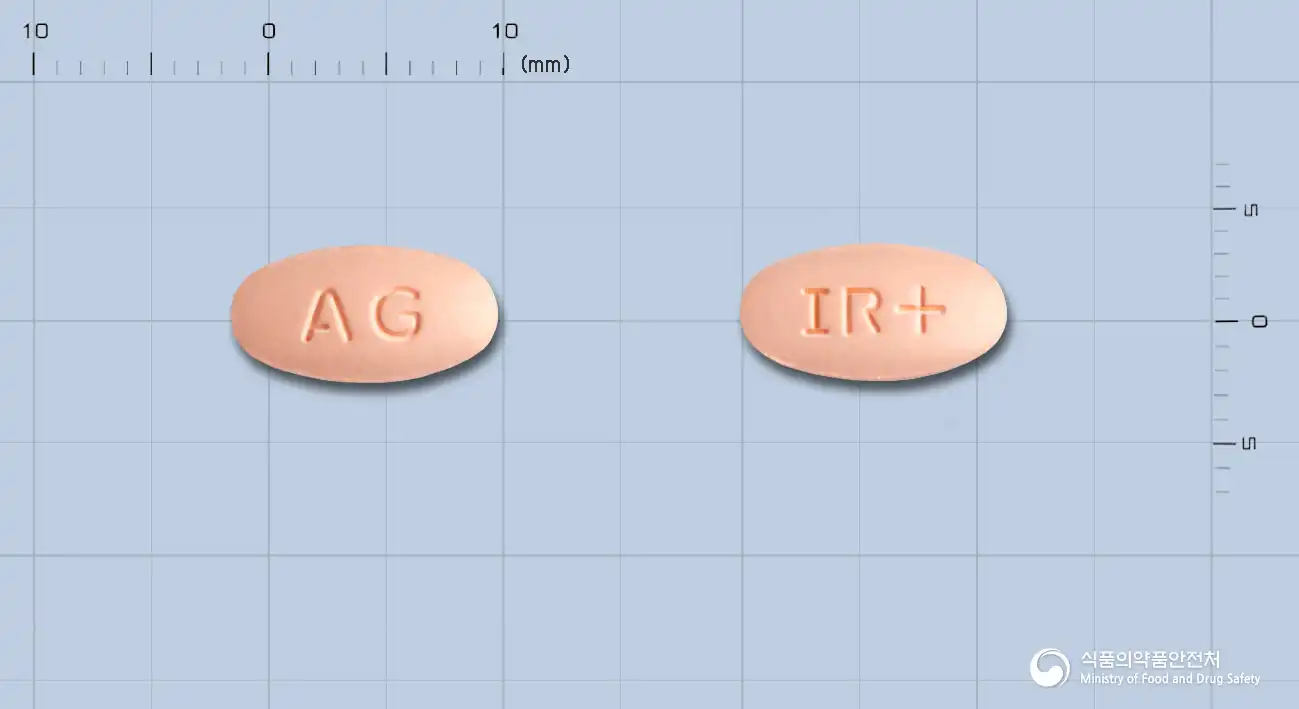 Combination
Irbesartan 150mg · Hydrochlorothiazide 12.5mg
Tablet · Prescription medication · Combination
Ahn-Guk Pharmaceutical Co., Ltd.
Even with the same ingredient, the dose and directions can differ by strength and dosage form. Talk to a doctor or pharmacist before switching from a medication you are already taking.
No questions yet.
For anything that needs medical judgment, consult a doctor or pharmacist.
This drug information is based on data provided by the Korea Ministry of Food and Drug Safety.
Consult a doctor or pharmacist for accurate dosage, administration, and usage instructions.