
 한국어
 English
 日本語
 中文(简体)
 Viewing now
Paxidin Tablet (Lacidipine)
Lacidipine 4mg
Tablet · Prescription medication
Nexpharm Korea Co., Ltd.
MFDS item code 200600717 · Notified 2006.02.06
Treatment of hypertension
This medication is effective in treating hypertension either alone or in combination with other antihypertensive agents such as beta-blockers or diuretics. It helps to stabilize blood pressure and reduce the risk of cardiovascular diseases. It improves the health condition of patients through safe and effective blood pressure control.
1. Adults The therapeutic dose of this medicine should be adjusted as appropriate according to the patient's response and severity of symptoms. The initial dose is lacidipine 2 mg once daily. Take it at the same time each day, preferably in the morning, regardless of meals. If a dose increase is needed, increase to 4 mg once daily after an appropriate period has elapsed to adequately assess the pharmacological effect. Increase to 6 mg once daily only if blood pressure is not controlled with 4 mg once daily. Except in patients who require more rapid dose escalation, the period before deciding to increase the dose should be at least 3 ~ 4 weeks, the time needed for this medicine to achieve its full pharmacological effect. If an adequate response is not obtained, another antihypertensive agent may be added (a beta-blocker and/or a diuretic). 2. Patients with hepatic impairment Because this medicine is metabolized primarily in the liver, its bioavailability and blood pressure-lowering effect may be increased in patients with hepatic impairment. These patients should be carefully monitored, and a reduced initial dose is recommended. 3. Patients with renal impairment Since this medicine is not excreted through the kidneys, dose adjustment is not necessary in patients with renal impairment. 4. Elderly patients Administer an initial dose of 2 mg once daily. If necessary, the dose may be increased to 4 mg once daily after 4 weeks.
There is no experience using this medication in children.
This medication should not be used in certain patients. Patients who are allergic to this medication, its ingredients, or similar classes of drugs should not take this medication. Women who are pregnant, possibly pregnant, or breastfeeding should also avoid taking this medication. Patients in a state of cardiogenic shock, those with unstable angina, aortic stenosis, those who have recently experienced a myocardial infarction, or patients with left ventricular dysfunction should not use this medication. Additionally, patients who are receiving dantrolene may also be at risk when taking this medication. This medication should be administered cautiously to patients with functional abnormalities of the sinoatrial or atrioventricular nodes, patients with insufficient cardiac reserve, and patients with liver dysfunction. Patients with prolonged QT interval or unstable angina require careful monitoring. Some patients may experience side effects such as dizziness, headache, palpitations, flushing, abdominal discomfort, rash, and edema when taking this medication. These symptoms are usually temporary and may gradually fade with continued use of the medication. However, patients with heart disease may be at risk of worsening angina, so any symptoms should prompt immediate consultation with a doctor. Abruptly discontinuing this medication can worsen symptoms; therefore, dosage should be gradually reduced according to a doctor's instructions. This medication lowers blood pressure, and initial administration may temporarily increase heart rate, necessitating caution. When taken with other antihypertensive agents, this medication may cause excessively low blood pressure, so it is important to follow a doctor's directives. It may interact with some medications, so patients should inform their doctor of any other medications they are taking. In particular, grapefruit juice should be avoided as it may affect the drug's efficacy. It is safest for women who are pregnant or breastfeeding not to take this medication. There is insufficient experience using this medication in children, so it should not be administered to them. If an overdose occurs, symptoms may include lowered blood pressure and cardiac arrhythmias, and immediate hospital care for appropriate treatment is necessary. This medication should be kept out of reach of children, and care should be taken not to transfer it to other containers.
Not everyone experiences these, and they can vary from person to person.
This medication should be stored in a tightly sealed container to protect it from air and light, and it should be kept in a cool place below 30 degrees Celsius. Proper storage will help maintain the medication's efficacy and prevent degradation.
White oval film-coated tablet
90 tablets (10 tablets/PTP×9)
Even with the same ingredient, strength, dosage form and how it is taken can differ.
Viewing nowLacidipine 4mg
Tablet · Prescription medication
Nexpharm Korea Co., Ltd.

Lacidipine 6mg
Tablet · Prescription medication
GlaxoSmithKline Co., Ltd.
Lacidipine 4mg
Tablet · Prescription medication
Austin Pharmaceuticals Co., Ltd.
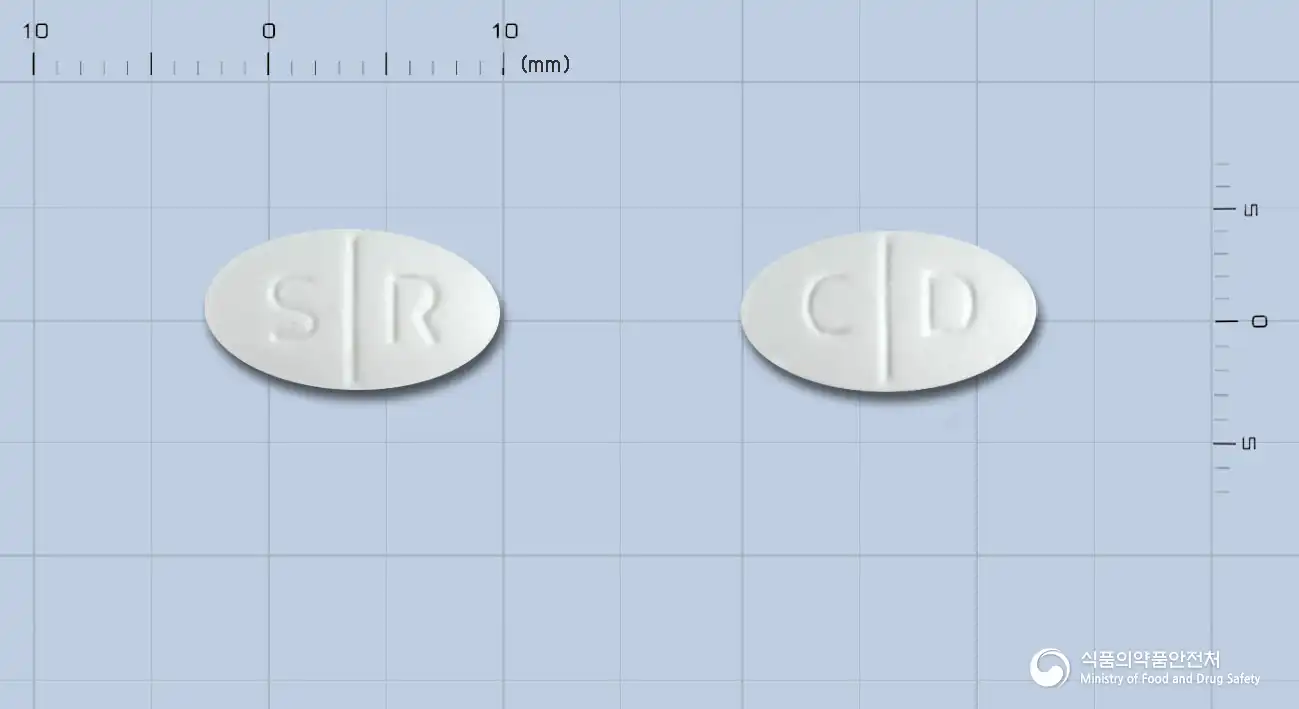
Lacidipine 4mg
Tablet · Prescription medication
Chodang Pharmaceutical Co., Ltd.
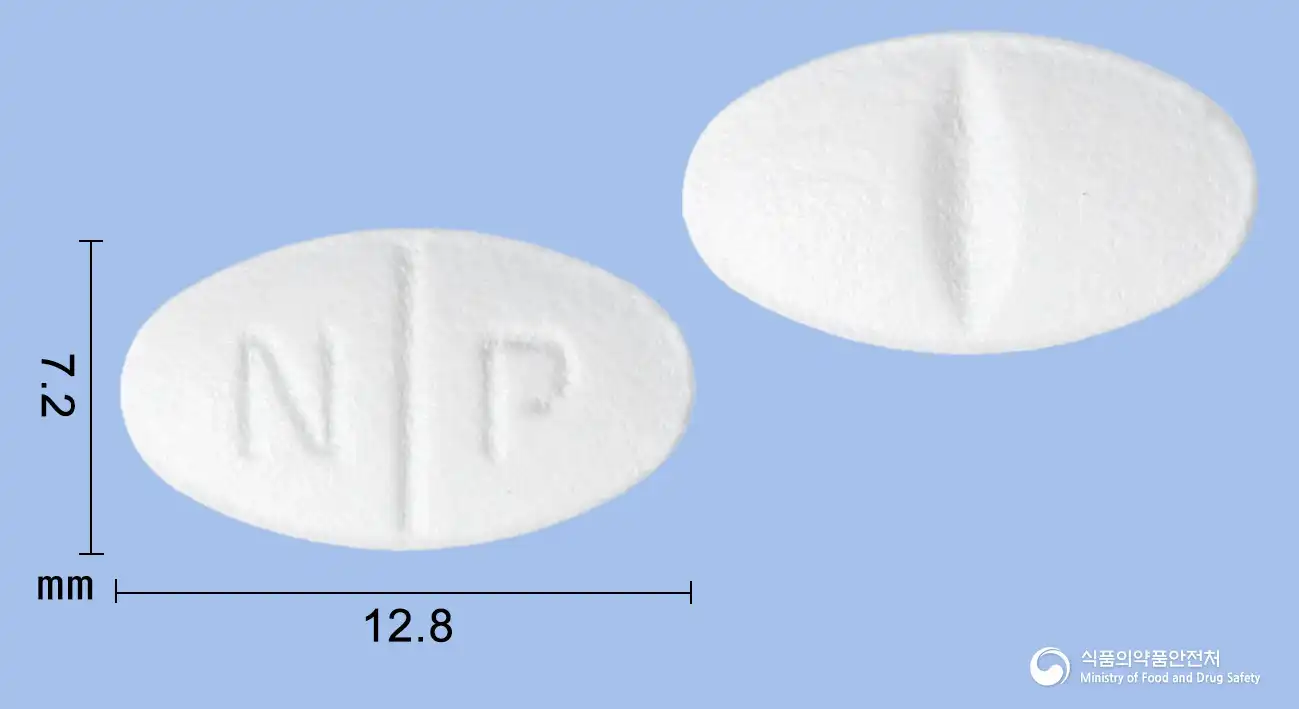
Lacidipine 4mg
Tablet · Prescription medication
Daehan New Pharm Co., Ltd.
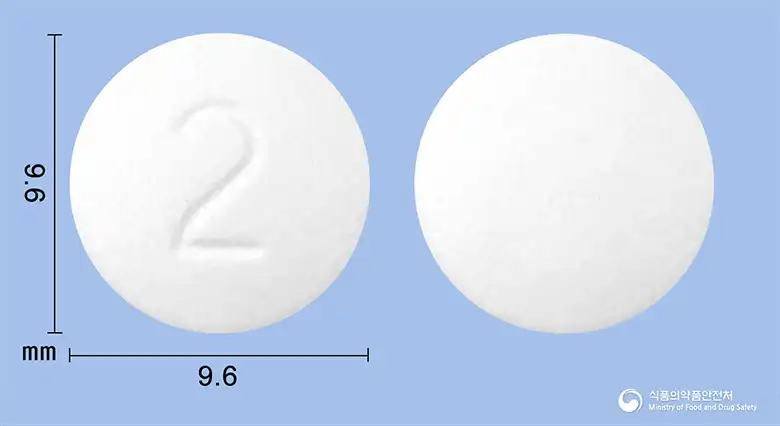
Lacidipine 2mg
Tablet · Prescription medication
GlaxoSmithKline Co., Ltd.
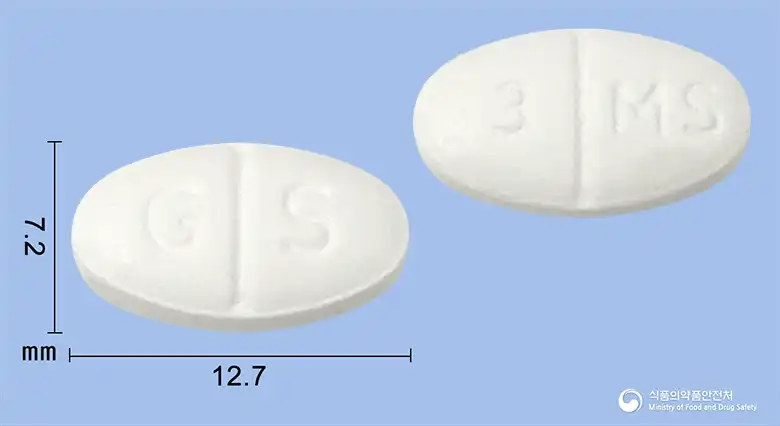
Lacidipine 4mg
Tablet · Prescription medication
GlaxoSmithKline Co., Ltd.
Lacidipine 4mg
Tablet · Prescription medication
Unimed Pharmaceutical Co., Ltd.
Even with the same ingredient, the dose and directions can differ by strength and dosage form. Talk to a doctor or pharmacist before switching from a medication you are already taking.
No questions yet.
For anything that needs medical judgment, consult a doctor or pharmacist.
This drug information is based on data provided by the Korea Ministry of Food and Drug Safety.
Consult a doctor or pharmacist for accurate dosage, administration, and usage instructions.