
 한국어
 English
 日本語
 中文(简体)
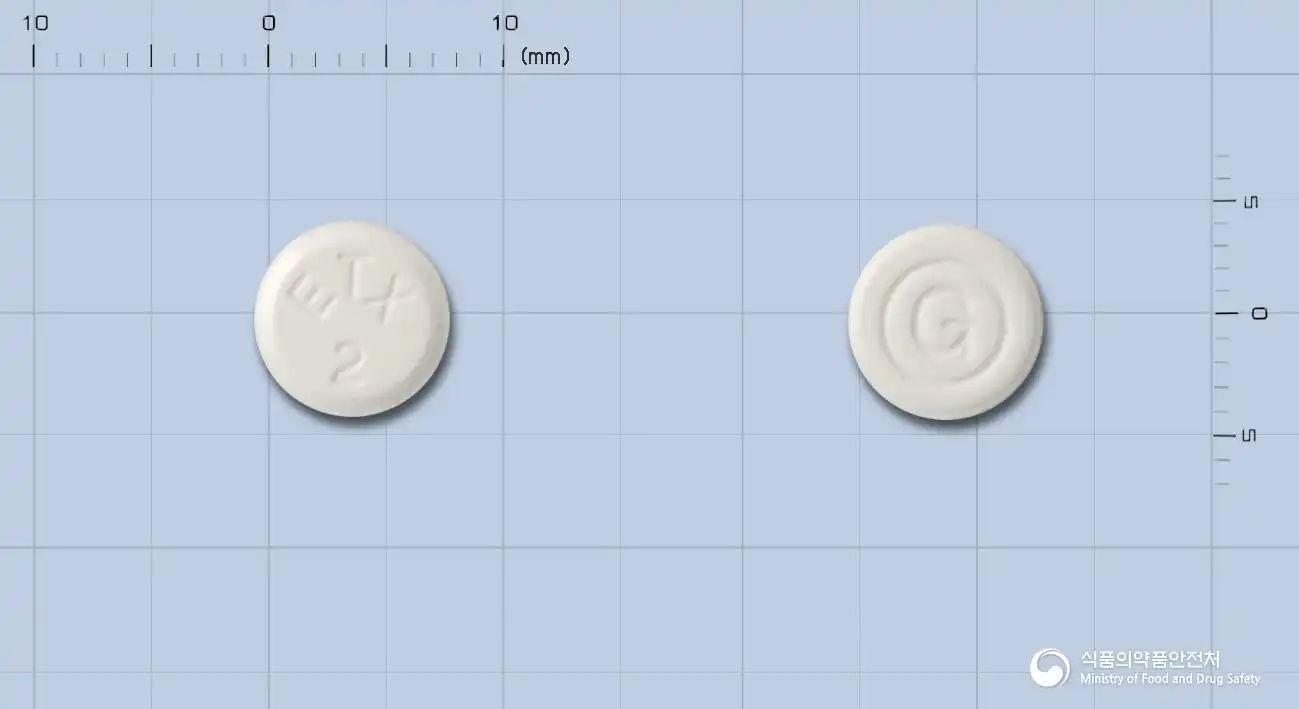 Viewing now
Itex Gliklazide Tablets
Gliclazide 80mg
Tablet · Prescription medication
Teragen Itex Co., Ltd.
MFDS item code 200402407 · Notified 2004.05.14 · Insurance code 698500170
Treatment of type 2 diabetes mellitus not controlled by diet and exercise
This medication is used for patients with type 2 diabetes who have difficulty controlling blood sugar levels through diet and exercise alone. It helps to effectively lower blood sugar levels, suppress the progression of diabetes, and reduce the risk of complications.
(Tablets)(Capsules) Adults: Start with 40∼80mg of gliclazide per day, administered orally 1~2 times daily. Thereafter, to achieve optimal blood glucose control, the dose may be divided into 2 doses and increased up to a maximum of 320mg per day, depending on the patient's condition. Do not exceed 160mg per dose. The dose must be adjusted according to the patient's condition. Additional treatment may be required in obese patients or patients who do not respond adequately to this drug alone. (Extended-release tablets) Adults: Administer 30~120mg of gliclazide orally once daily in the morning, adjusting the dose according to blood glucose levels. If a dose is missed, do not increase the dose the following day. When taking this drug with other blood glucose-lowering agents, the dose should be adjusted according to the individual patient's metabolic response (blood glucose, glycated hemoglobin). * Initial dose The recommended initial dose is 30mg once daily. - If blood glucose control is satisfactory, maintain this dose. - If blood glucose control is not satisfactory, the dose may be gradually increased to 60, 90, and 120mg per day at intervals of at least 1 month. If blood glucose has not decreased after 15 days of treatment, increase the dose from the end of the second week of treatment. Do not exceed the maximum dose of 120mg per day. * Switching from gliclazide 80mg to gliclazide extended-release tablets 30mg: In patients stabilized on gliclazide 80mg, administer the medication according to the principle that "gliclazide 80mg=gliclazide extended-release tablets 30mg." * Switching from another oral blood glucose-lowering agent to gliclazide extended-release tablets 30mg: Consider the dose and half-life of the previous blood glucose-lowering agent. In general, switching can be done without any washout period; therefore, start this drug at 30mg per day and gradually increase the dose according to each patient's metabolic response, as described under "Initial dose." For patients switching from a sulfonylurea blood glucose-lowering agent with a long half-life, a washout period of several days is required to prevent the risk of hypoglycemia due to the additive effects of the two drugs. * Concomitant use with other oral blood glucose-lowering agents This drug may be used in combination with biguanides, α-glucosidase inhibitors, or insulin. * Patients aged 65 years or older and patients with renal impairment This drug may be prescribed using the same dosage regimen as for patients aged 65 years or younger with normal renal function. * Patients at risk of hypoglycemia - Poor nutritional status or malnutrition - Severe or moderate compensated endocrine disorders (anterior pituitary insufficiency, hypothyroidism, corticotropin insufficiency) - Discontinuation of long-term and/or high-dose corticosteroid therapy - Severe vascular disease (severe coronary artery disease, severe carotid artery disease, diffuse vascular disease) → It is recommended to initiate treatment at the minimum dose of 30mg per day.
This medication is a sulfonylurea, and there is a risk of hypoglycemia, so the dosage and administration must be strictly followed. Hypoglycemia can be serious and may require hospitalization or glucose administration. This medication should not be used in patients with diabetic ketoacidosis, diabetic coma, type 1 diabetes, or severe liver or kidney dysfunction. Additionally, it should be avoided in patients with severe infections, trauma, or those undergoing surgery, as well as patients with gastrointestinal disorders. Patients who have had allergic reactions to this drug or similar drugs, pregnant or breastfeeding women, and those taking specific antifungal medication such as miconazole should not use this medication. It should also not be administered to patients with genetic lactose intolerance. Elderly patients at high risk of hypoglycemia, those with weakened kidney or liver function, patients with endocrine disorders, those with poor nutritional status or irregular meals, intense exercise participants, and habitual excessive drinkers should use this medication cautiously. While taking this medication, blood glucose and urine sugar tests should be conducted regularly to monitor efficacy and side effects, and if symptoms of hypoglycemia appear, carbohydrates should be consumed immediately. Symptoms of hypoglycemia include weakness, headache, trembling, confusion, sleepiness, and in severe cases, may lead to coma. This medication may interact with various drugs, so if taking other medications, it is essential to consult a doctor or pharmacist. Women who are pregnant or planning to become pregnant should not use this medication, nor should breastfeeding women. Safety in children has not been established, and elderly patients need to exercise extra caution due to a higher risk of hypoglycemia. In case of overdose, symptoms of hypoglycemia may appear; therefore, if there is loss of consciousness or severe symptoms, immediate medical attention is required. Caution should be taken regarding symptoms of hypoglycemia while driving or operating machinery. Store this medication out of reach of children and do not transfer it to another container.
Hypoglycemia, weakness, severe hunger, tremors, headache, paresthesia, agitation, decreased concentration, aggression, nausea, vomiting, lethargy, sleep disorders, decreased cognitive function and slow response, depression, confusion, visual and language disorders, aphasia, incomplete paralysis, dizziness, loss of self-control, delirium, shallow breathing, bradycardia, drowsiness, consciousness disorders, seizures, sweating, palpitations, cold and clammy skin, anxiety, tachycardia, hypertension, angina, deep vein thrombosis, thrombocytopenia, anemia, leukopenia, granulocyte deficiency, agranulocytosis, elevated AST, elevated ALT, elevated ALP, liver dysfunction, hepatitis, jaundice, dyspepsia accompanied by vomiting, nausea, abdominal pain, diarrhea, constipation, itching, rash, urticaria, angioedema, erythema, large blister rash, morbilliform papular rash, vesicular response, visual impairment
Not everyone experiences these, and they can vary from person to person.
This medication should be stored in a tightly sealed container that is air-tight, at room temperature between 1 degree and 30 degrees Celsius. Storing it this way will help maintain the drug's efficacy for a long time.
White round tablet
30 tablets/bottle, 300 tablets/bottle
Even with the same ingredient, strength, dosage form and how it is taken can differ.
Viewing nowGliclazide 80mg
Tablet · Prescription medication
Teragen Itex Co., Ltd.
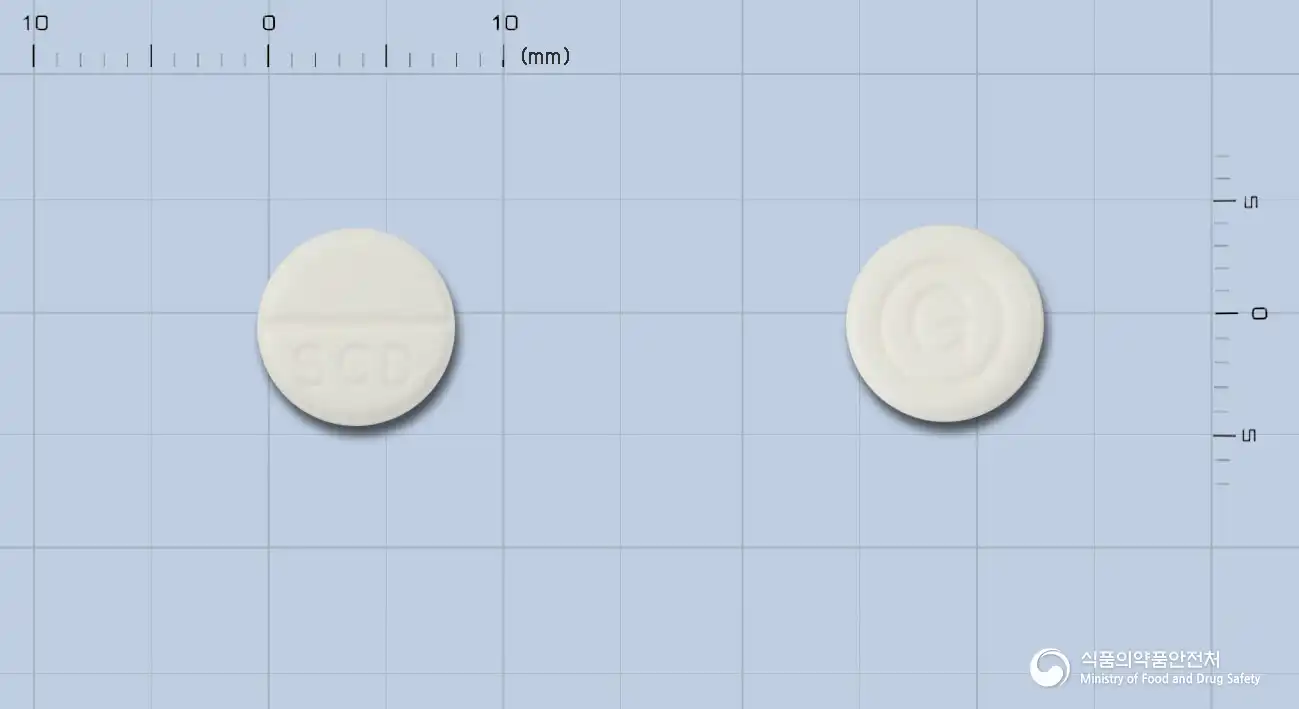
Gliclazide 80mg
Tablet · Prescription medication
(Samchundang Pharmaceuticals Co., Ltd.)
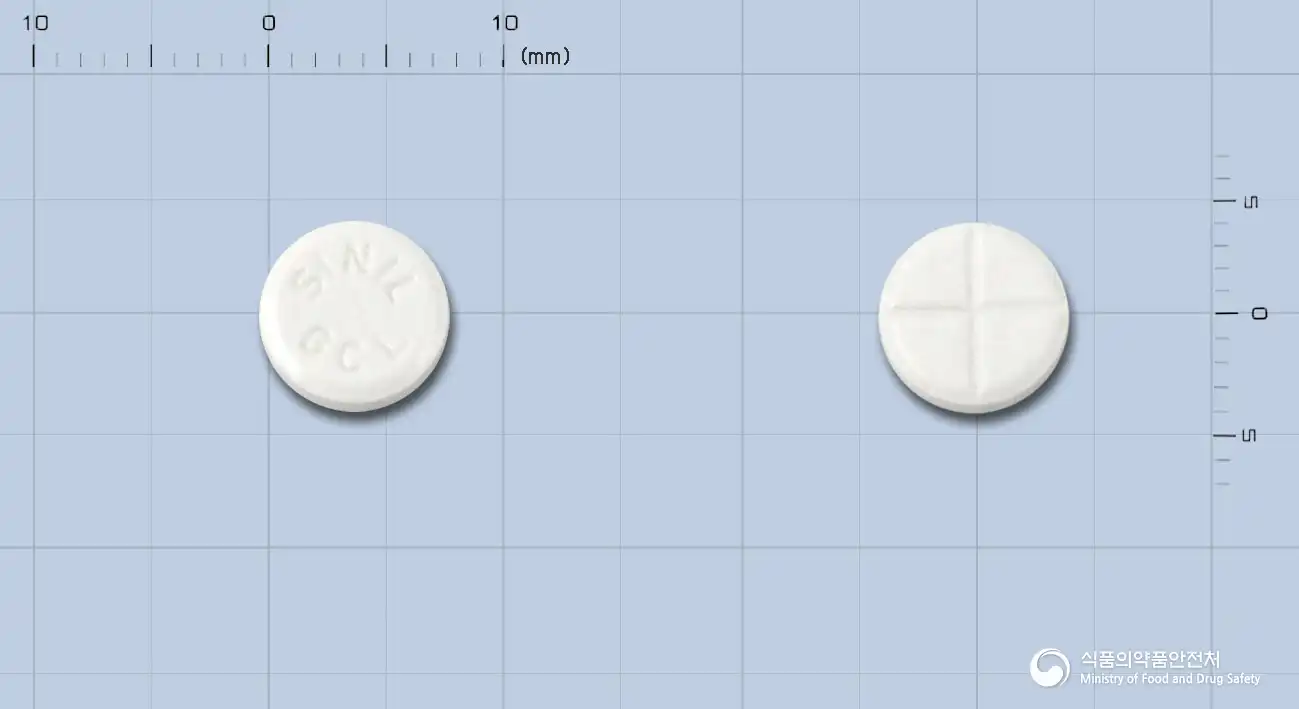
Gliclazide 80mg
Tablet · Prescription medication
(Shinil Pharmaceutical Co., Ltd.)
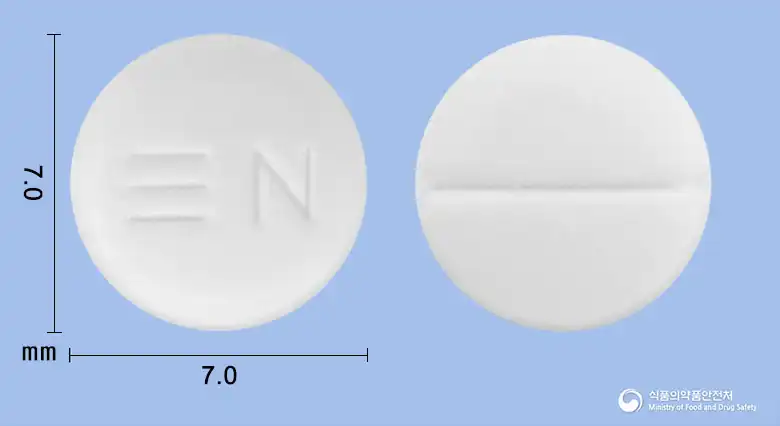
Gliclazide 80mg
Tablet · Prescription medication
(Samnam Pharmaceutical Co., Ltd.)
Gliclazide 80mg
Tablet · Prescription medication
SK Chemicals Co., Ltd.
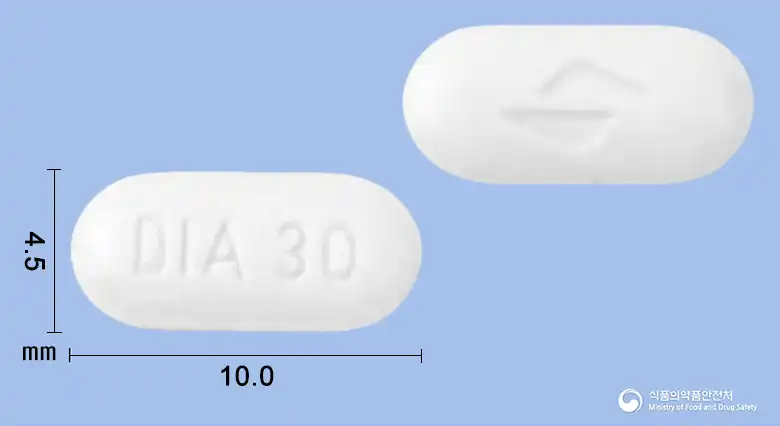
Gliclazide 30mg
Tablet · Prescription medication
Korea Servier Co., Ltd.
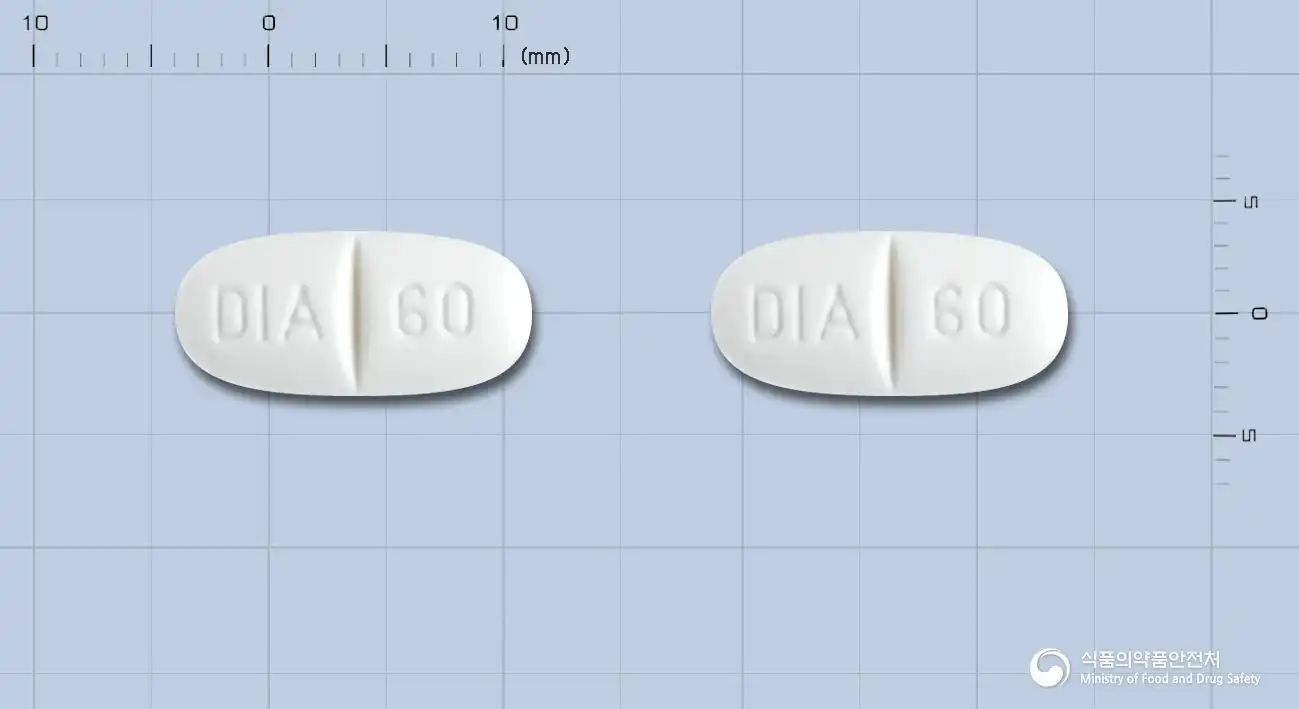
Gliclazide 60mg
Tablet · Prescription medication
Korea Servier Co., Ltd.
Even with the same ingredient, the dose and directions can differ by strength and dosage form. Talk to a doctor or pharmacist before switching from a medication you are already taking.
No questions yet.
For anything that needs medical judgment, consult a doctor or pharmacist.
This drug information is based on data provided by the Korea Ministry of Food and Drug Safety.
Consult a doctor or pharmacist for accurate dosage, administration, and usage instructions.