
 한국어
한국어 English
 日本語
日本語 中文(简体)
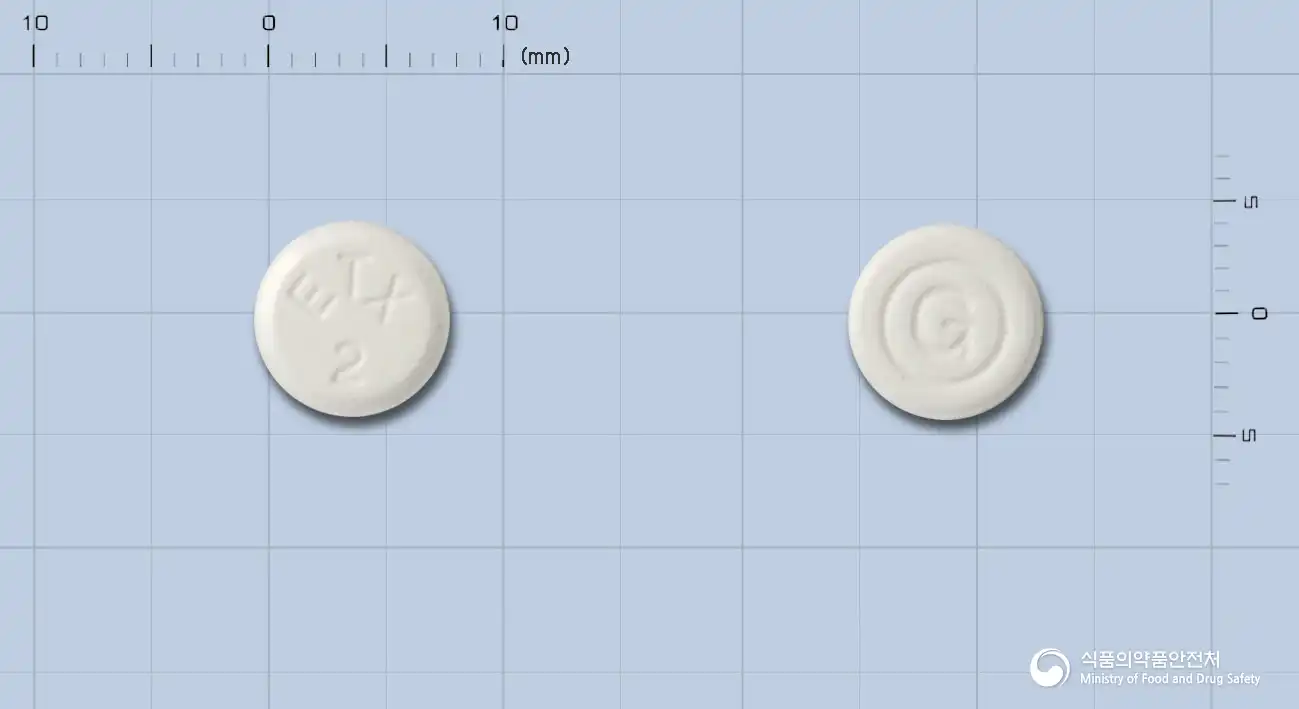 Viewing now
Itex Gliklazide Tablets
Gliclazide 80mg
Tablet · Prescription medication
Teragen Itex Co., Ltd.
MFDS item code 200402407 · Notified 2004.05.14 · Insurance code 698500170
Improvement in blood sugar control for type 2 diabetes
This medication is used for patients with type 2 diabetes who have difficulty controlling blood sugar levels through diet and exercise alone. It helps to effectively lower blood sugar levels, suppress the progression of diabetes, and reduce the risk of complications.
[Tablet (Capsule)] Adults start with gliklazide at 40–80mg per day, administered orally once or twice a day. Depending on the patient's blood sugar level, up to 320mg can be administered in two divided doses, and no more than 160mg at one time. In cases of obesity or inadequate response, additional treatment may be necessary. [Extended-release formulation] Adults take gliklazide at 30–120mg once daily, adjusted according to blood glucose levels.
This medication is a sulfonylurea, and there is a risk of hypoglycemia, so the dosage and administration must be strictly followed. Hypoglycemia can be serious and may require hospitalization or glucose administration. This medication should not be used in patients with diabetic ketoacidosis, diabetic coma, type 1 diabetes, or severe liver or kidney dysfunction. Additionally, it should be avoided in patients with severe infections, trauma, or those undergoing surgery, as well as patients with gastrointestinal disorders. Patients who have had allergic reactions to this drug or similar drugs, pregnant or breastfeeding women, and those taking specific antifungal medication such as miconazole should not use this medication. It should also not be administered to patients with genetic lactose intolerance. Elderly patients at high risk of hypoglycemia, those with weakened kidney or liver function, patients with endocrine disorders, those with poor nutritional status or irregular meals, intense exercise participants, and habitual excessive drinkers should use this medication cautiously. While taking this medication, blood glucose and urine sugar tests should be conducted regularly to monitor efficacy and side effects, and if symptoms of hypoglycemia appear, carbohydrates should be consumed immediately. Symptoms of hypoglycemia include weakness, headache, trembling, confusion, sleepiness, and in severe cases, may lead to coma. This medication may interact with various drugs, so if taking other medications, it is essential to consult a doctor or pharmacist. Women who are pregnant or planning to become pregnant should not use this medication, nor should breastfeeding women. Safety in children has not been established, and elderly patients need to exercise extra caution due to a higher risk of hypoglycemia. In case of overdose, symptoms of hypoglycemia may appear; therefore, if there is loss of consciousness or severe symptoms, immediate medical attention is required. Caution should be taken regarding symptoms of hypoglycemia while driving or operating machinery. Store this medication out of reach of children and do not transfer it to another container.
Hives, severe swelling (edema), angioedema, chest tightness, difficulty breathing, cold sweat, pallor, severe allergic reactions, rash with high fever, blisters, skin peeling, pain in the oral/ocular mucosa, severe skin reactions, shortness of breath or difficulty breathing, asthma attacks, respiratory abnormalities accompanied by coughing + fever, yellowing of the skin or eyes (jaundice), extreme drowsiness, liver abnormalities (jaundice), sudden
Not everyone experiences these, and they can vary from person to person.
This medication should be stored in a tightly sealed container that is air-tight, at room temperature between 1 degree and 30 degrees Celsius. Storing it this way will help maintain the drug's efficacy for a long time.
White round tablet
30 tablets/bottle, 300 tablets/bottle
Even with the same ingredient, strength, dosage form and how it is taken can differ.
Viewing nowGliclazide 80mg
Tablet · Prescription medication
Teragen Itex Co., Ltd.
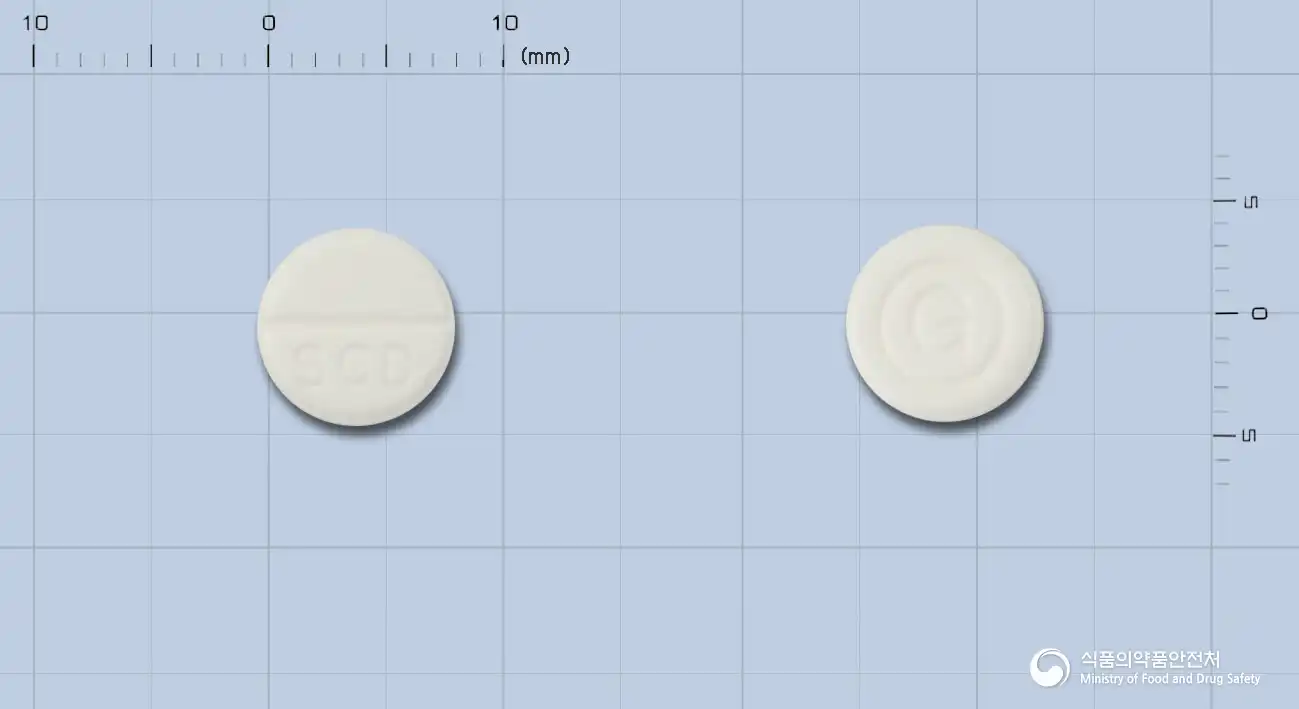
Gliclazide 80mg
Tablet · Prescription medication
(Samchundang Pharmaceuticals Co., Ltd.)
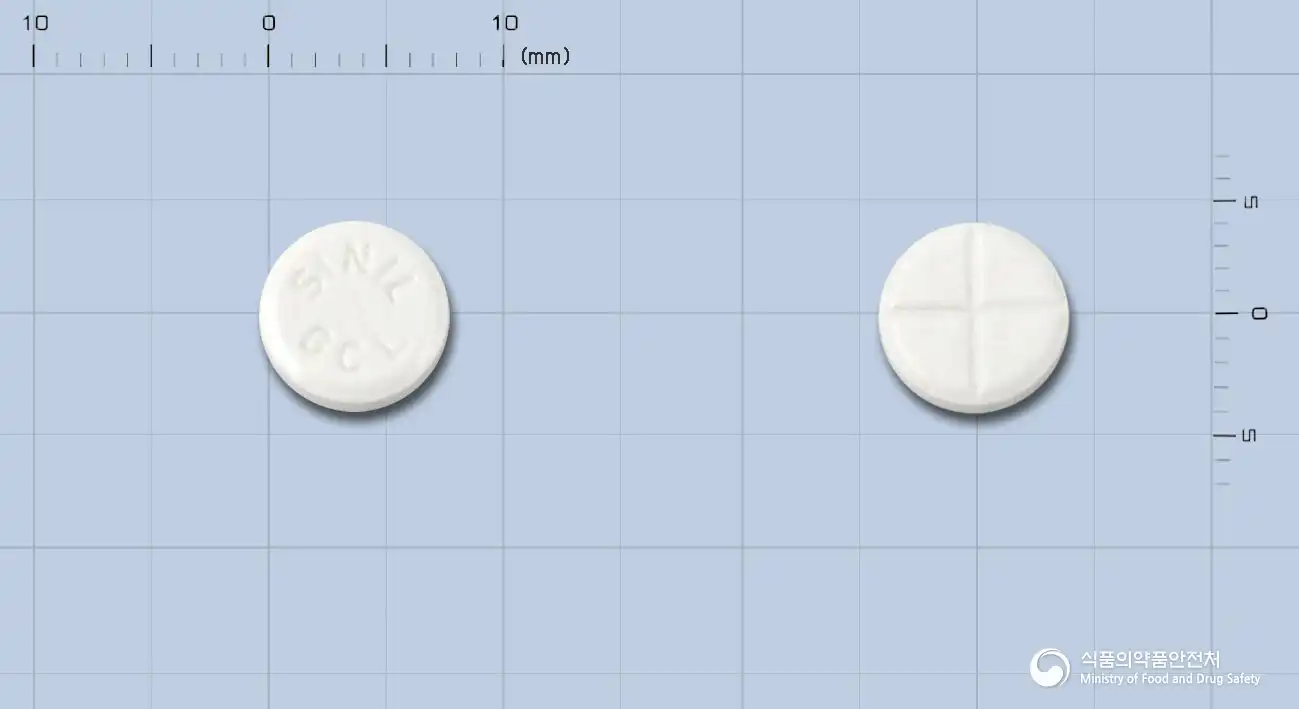
Gliclazide 80mg
Tablet · Prescription medication
(Shinil Pharmaceutical Co., Ltd.)
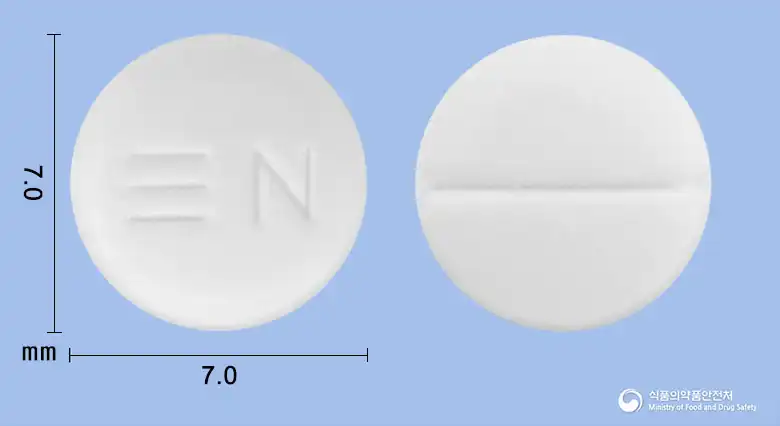
Gliclazide 80mg
Tablet · Prescription medication
(Samnam Pharmaceutical Co., Ltd.)
Gliclazide 80mg
Tablet · Prescription medication
SK Chemicals Co., Ltd.
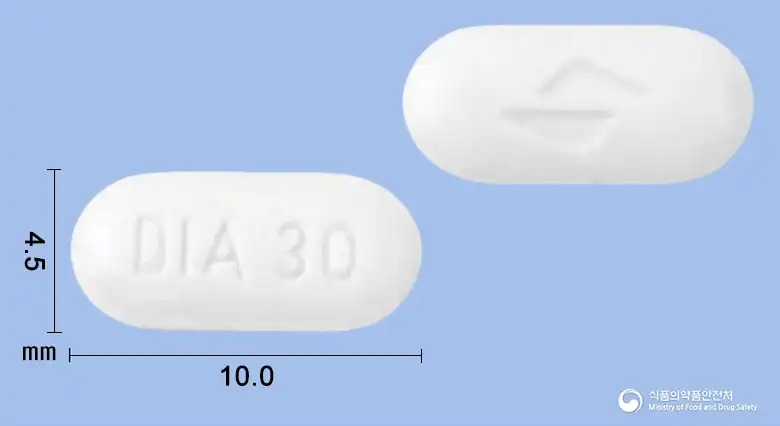
Gliclazide 30mg
Tablet · Prescription medication
Korea Servier Co., Ltd.
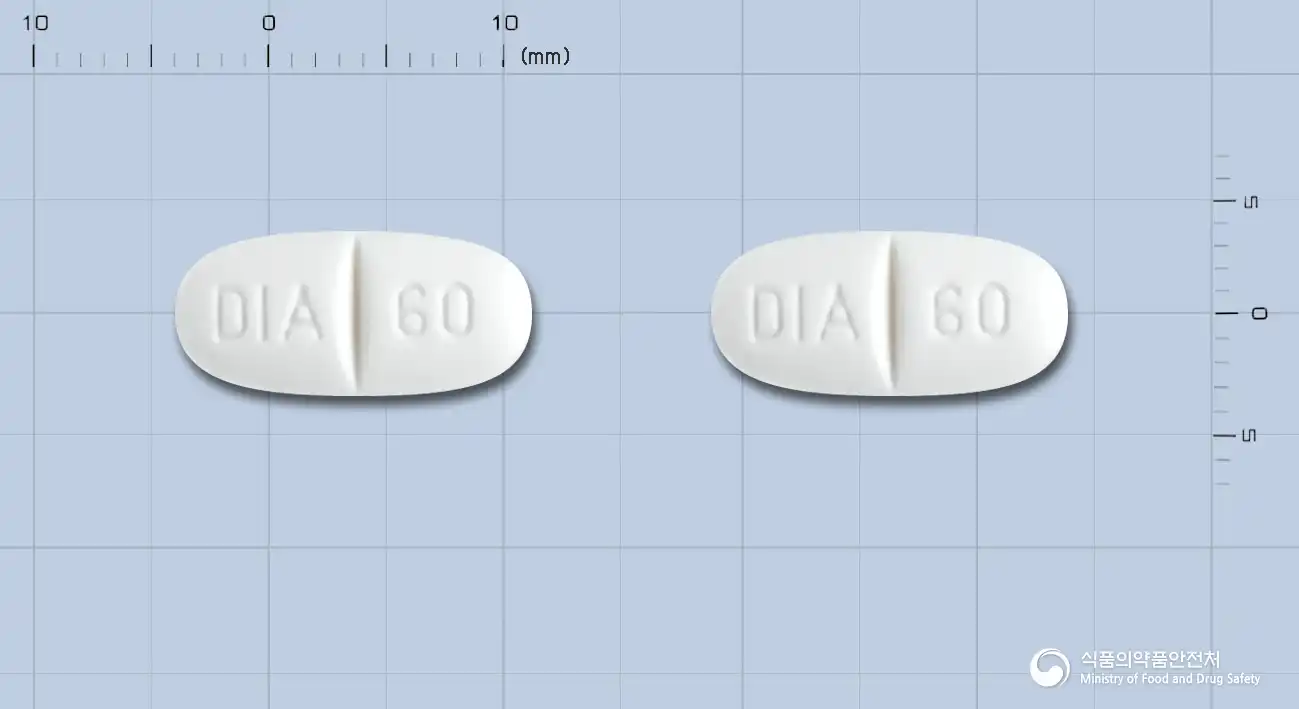
Gliclazide 60mg
Tablet · Prescription medication
Korea Servier Co., Ltd.
Even with the same ingredient, the dose and directions can differ by strength and dosage form. Talk to a doctor or pharmacist before switching from a medication you are already taking.
No questions yet.
For anything that needs medical judgment, consult a doctor or pharmacist.
This drug information is based on data provided by the Korea Ministry of Food and Drug Safety.
Consult a doctor or pharmacist for accurate dosage, administration, and usage instructions.