
 한국어
 English
 日本語
 中文(简体)
 Viewing now
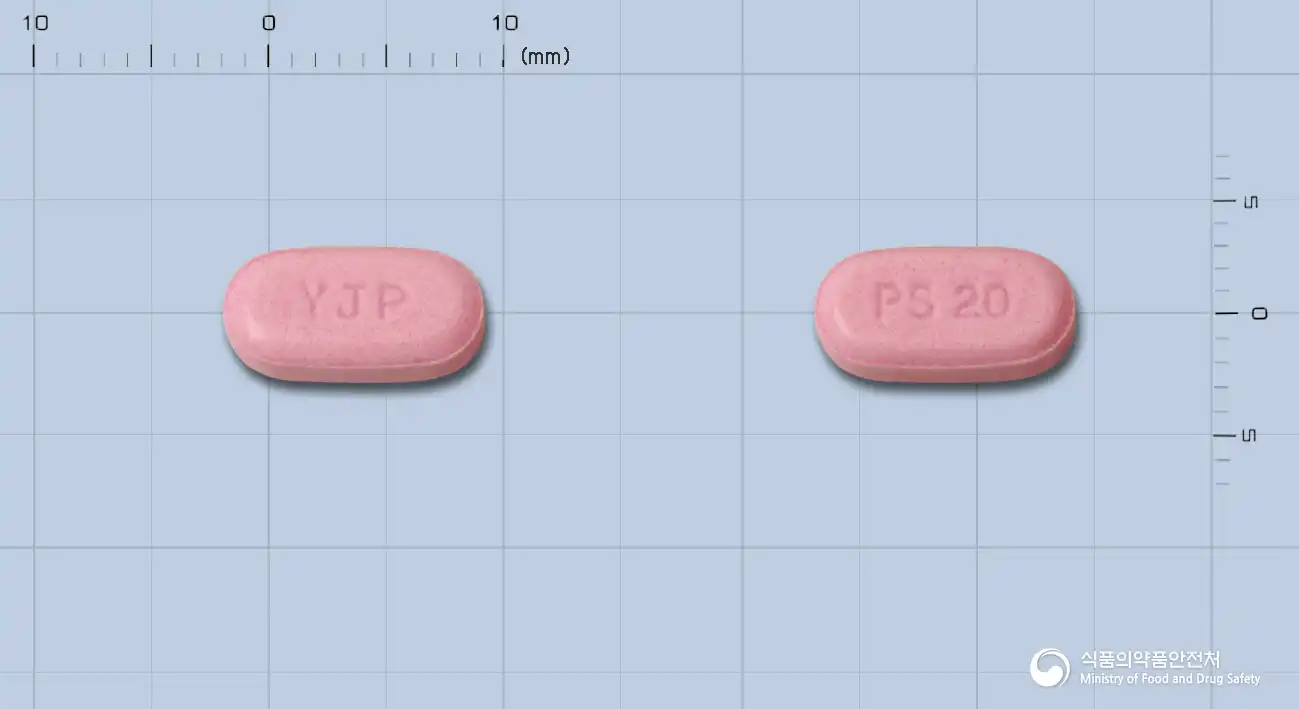
Prastan Tablet 20 mg (Pravastatin Sodium)
Pravastatin Sodium 20mg
Tablet · Prescription medication
Youngjin Pharmaceutical Co., Ltd.
MFDS item code 200400922 · Notified 2004.09.23 · Insurance code 642401680
Treatment of hyperlipidemia; prevention of cardiovascular diseases (myocardial infarction, ischemic stroke, etc.)
This medication is used to treat primary hyperlipidemia, specifically hypercholesterolemia and mixed hyperlipidemia characterized by hypercholesterolemia and hypertriglyceridemia. It also helps lower LDL cholesterol levels in certain high-risk patients with a high risk of myocardial infarction or coronary heart disease, reducing the risk of myocardial infarction and cardiovascular-related death. It is especially effective in patients over 45 years of age with cardiovascular risk factors such as a history of vascular disease, diabetes, and smoking, who do not respond to dietary adjustments. Furthermore, it helps prevent the recurrence of myocardial infarction in patients with a history of myocardial infarction or unstable angina and contributes to reducing the need for cardiovascular revascularization and the risk of stroke. This drug plays a crucial role in improving cardiovascular health and preventing complications.
Before starting treatment, patients should begin a low-cholesterol diet and continue it during treatment. The usual starting dose is 10㎎, 20㎎, or 40㎎ as a single dose once daily. The dose may be increased to a maximum of 40㎎ according to the patient's response. The maintenance dose is 10∼40㎎ once daily. 1) In patients with a history of myocardial infarction or unstable angina, the treatment goal of reducing the risk of myocardial infarction, need for cardiovascular revascularization, ischemic stroke, and transient ischemic attack can be achieved with 40㎎/day of pravastatin sodium. The effects of lower doses have not been studied. 2) Patients receiving immunosuppressants such as cyclosporine: The initial dose is 5∼10mg, and use extreme caution when increasing the dose. The maximum daily dose is 20mg. However, in kidney transplant recipients, do not exceed 10mg per day.
This medication should not be used in certain patients. For example, it is contraindicated in patients who are allergic to this medication or have hypersensitivity, patients with active liver disease, pregnant or potentially pregnant women, nursing mothers, children, patients with severe liver or kidney dysfunction, patients with muscle disorders, and patients with impaired bile flow. Additionally, this medication contains lactose and should not be administered to patients with lactose intolerance or certain genetic metabolic disorders. Patients with severe liver or kidney diseases or a history of such conditions should use this drug cautiously, as there is an increased risk of muscle damage when combined with specific medications. Potential side effects during treatment may include skin rashes or allergic symptoms, gastrointestinal disturbances, liver function abnormalities, muscle pain or weakness, kidney dysfunction, headache, dizziness, insomnia, etc. Especially, muscle-related adverse reactions such as myopathy or rhabdomyolysis may occur, so the physician should be notified immediately if muscle pain or weakness worsens. This drug inhibits cholesterol synthesis to lower blood cholesterol levels, but it can be harmful to the fetus during pregnancy; hence, women who are pregnant or planning to become pregnant should not take it. Elderly patients may require dose adjustments due to decreased physiological function. This medication may interact with other drugs, so any other medications being taken must be disclosed to healthcare professionals. Prior to administration, necessary tests such as blood tests should confirm the diagnosis of hypercholesterolemia, and regular blood tests should be performed during treatment. In case of overdose, appropriate monitoring, including liver function tests, should be conducted immediately at a hospital. This medication should be stored in a safe place out of reach of children, and changes in storage containers can affect its quality, so it should be avoided. It is effective to take this medication once daily after dinner, and the timing of administration should be adjusted if taken with certain antacids or ion-exchange resins.
Rash, anaphylaxis, thrombocytopenia, leukopenia, hemolytic anemia, positive antinuclear antibodies, increased erythrocyte sedimentation rate, vasculitis, lupus-like syndrome, photosensitivity, hypotension, angioedema, dermatomyositis, pruritus, diarrhea, nausea, vomiting, constipation, abdominal pain, gastric discomfort, stomatitis, heartburn, abdominal bloating, loss of appetite, increased ALT, increased AST, increased ALP, increased LDH, increased γ-GTP, elevated total bilirubin, increased BUN, elevated serum creatinine, myalgia, weakness, elevated CPK, increased myoglobin levels in blood and urine, rhabdomyolysis, acute renal failure, arthritis, arthralgia, muscular lesions, headache, dizziness, insomnia, peripheral neuropathy, depression, lethargy, fatigue, sleep disorders, cognitive impairment, elevated uric acid, hematuria, edema, hair loss, erectile dysfunction, pancreatitis, gastritis, micro nodules, depigmentation, dry skin and mucous membranes, changes in hair and nails, altered taste, ocular motility disorders, facial paralysis, tremors, memory loss, peripheral nerve paralysis, cataract, ocular muscle paralysis, rheumatic polymyalgia, urticaria, fever, flushing, weakness, dyspnea, purpura, erythema multiforme, eosinophilia, chills, skin and mucous membrane syndrome, thyroid dysfunction, liver parenchymal changes, cirrhosis, liver cancer, myasthenia gravis, sleep disorders, amnesia, depression, interstitial lung disease, sexual dysfunction, fatal and non-fatal liver failure, muscle weakness of the ocular muscles, immune-mediated necrotizing myopathy
Not everyone experiences these, and they can vary from person to person.
This medication should be stored in a tightly sealed container to protect it from air and moisture. It is advisable to maintain storage temperatures between 1 and 30 degrees Celsius.
Reddish oval tablet
100 tablets/PTP (10 tablets/PTP*10), 100 tablets/bottle, 300 tablets/bottle, 30 tablets/bottle
Even with the same ingredient, strength, dosage form and how it is taken can differ.
Viewing nowPravastatin Sodium 20mg
Tablet · Prescription medication
Youngjin Pharmaceutical Co., Ltd.
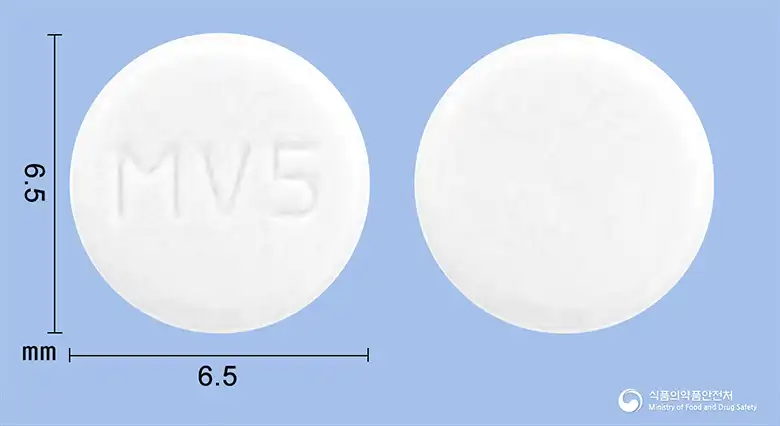
Pravastatin Sodium 5mg
Tablet · Prescription medication
HK inno.N Co., Ltd.
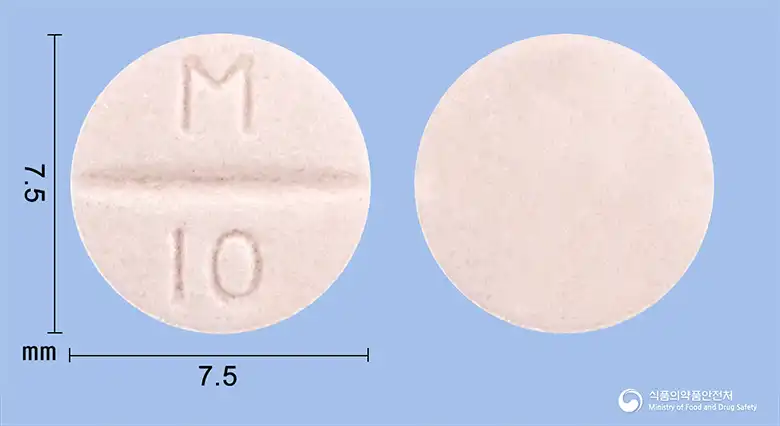
Pravastatin Sodium 10mg
Tablet · Prescription medication
HK inno.N Co., Ltd.
Pravastatin Sodium 5mg
Tablet · Prescription medication
Youngjin Pharmaceutical Co., Ltd.
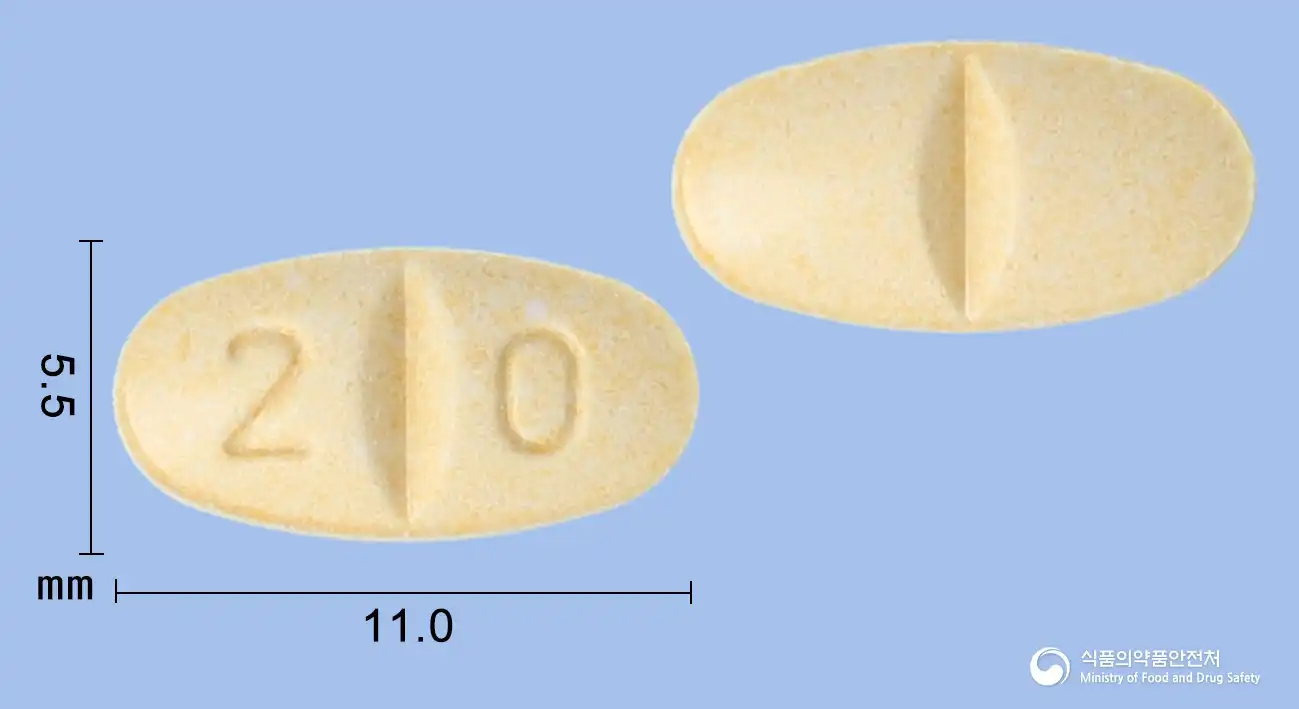
Pravastatin Sodium 20mg
Tablet · Prescription medication
HK inno.N Co., Ltd.
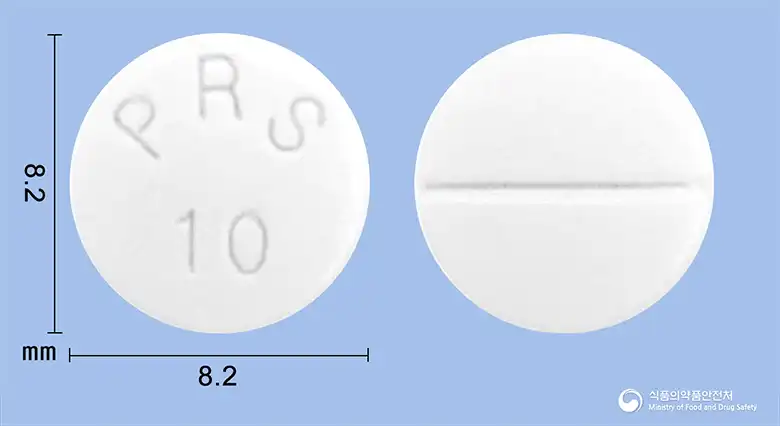
Pravastatin Sodium 10mg
Tablet · Prescription medication
Youngjin Pharmaceutical Co., Ltd.
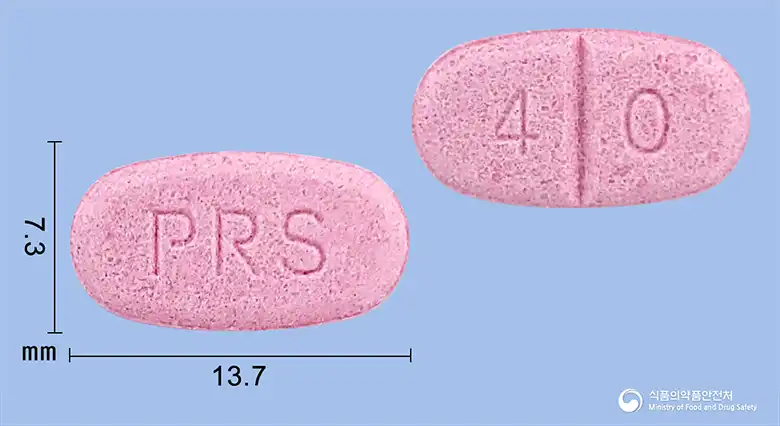
Pravastatin Sodium 40mg
Tablet · Prescription medication
Youngjin Pharmaceutical Co., Ltd.
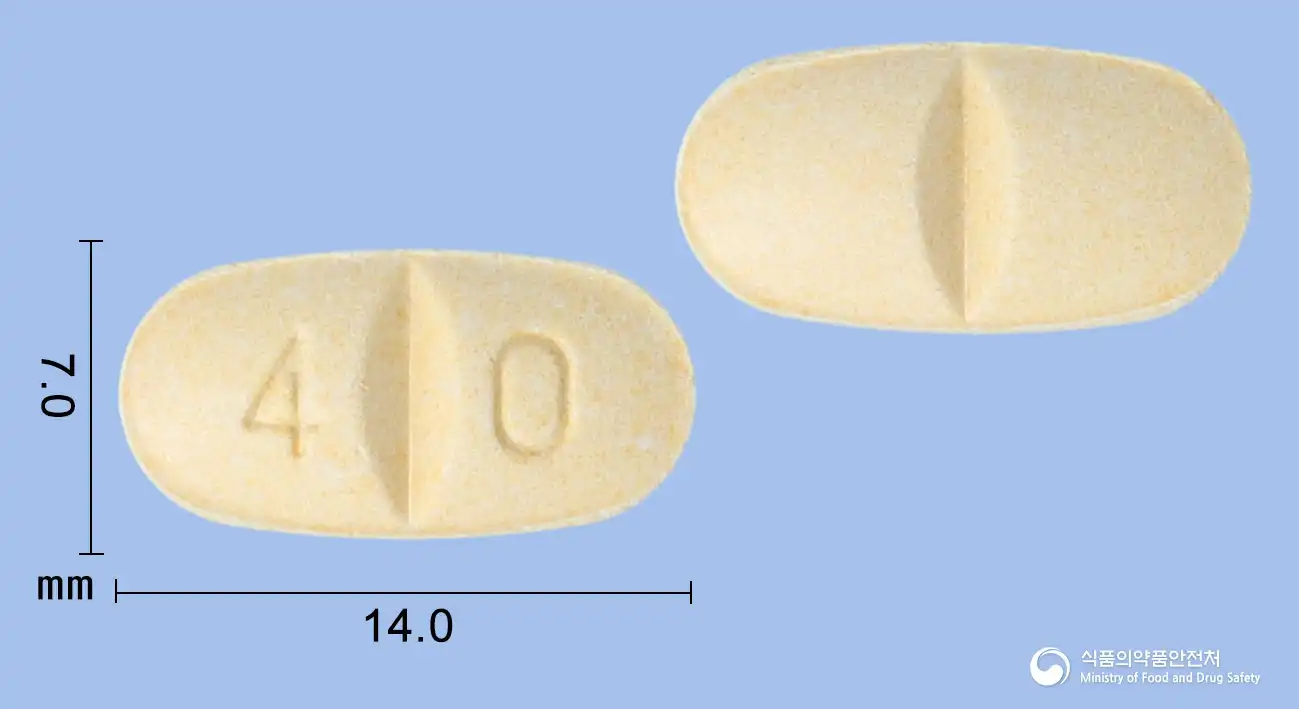
Pravastatin Sodium 40mg
Tablet · Prescription medication
HK inno.N Co., Ltd.
Even with the same ingredient, the dose and directions can differ by strength and dosage form. Talk to a doctor or pharmacist before switching from a medication you are already taking.
No questions yet.
For anything that needs medical judgment, consult a doctor or pharmacist.
This drug information is based on data provided by the Korea Ministry of Food and Drug Safety.
Consult a doctor or pharmacist for accurate dosage, administration, and usage instructions.