
 한국어
 English
 日本語
 中文(简体)
 Viewing now
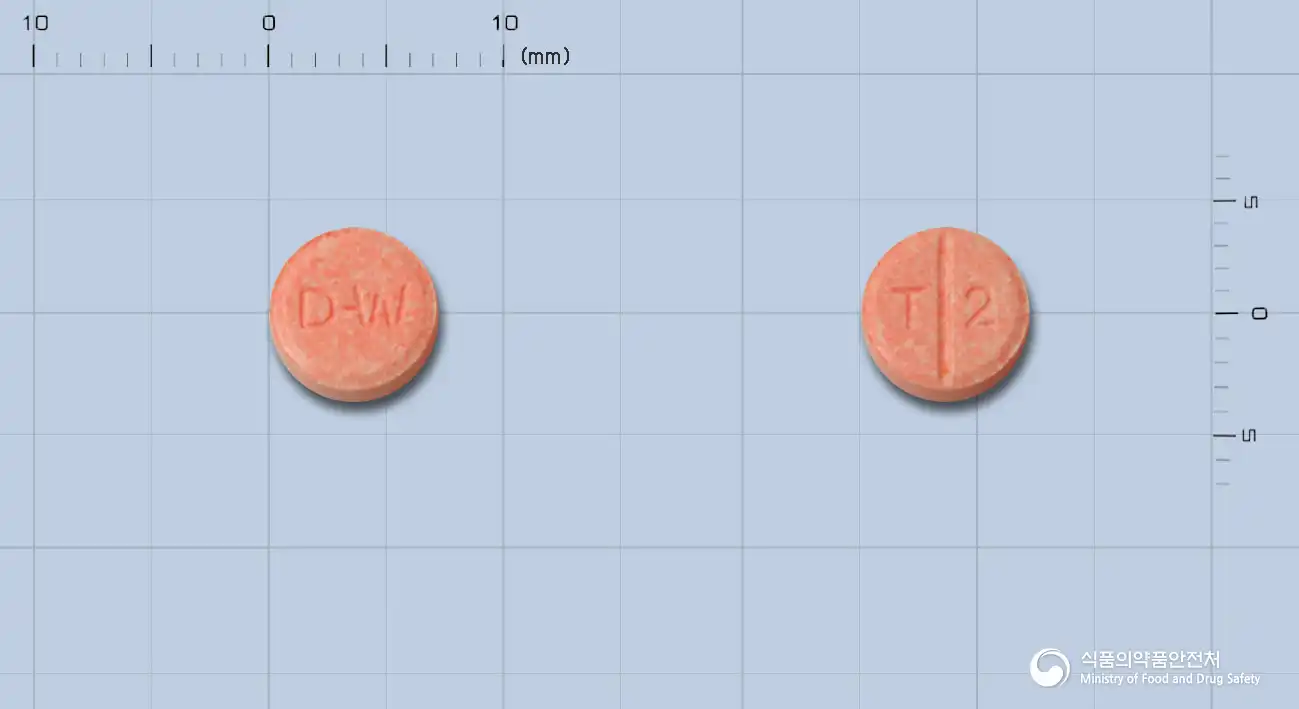
TGC Tablet 2 mg (Terazosin Hydrochloride)
Terazosin Hydrochloride Hydrate 2.374mg
Tablet · Prescription medication
Donghwa Pharmaceutical Co., Ltd.
MFDS item code 200300567 · Notified 2003.07.12 · Insurance code 642703270
Relief of voiding dysfunction due to benign prostatic hyperplasia; treatment of hypertension
This medication improves urinary disorders associated with benign prostatic hyperplasia and is also used to treat mild to moderate hypertension.
This medicine may be administered alone or in combination with a thiazide diuretic or another antihypertensive when other medicines are inappropriate or ineffective. Food has little or no effect on the bioavailability of this medicine, so it may be taken with or without food. Adjust the dose as appropriate according to age and symptoms. 1. Voiding disorders associated with benign prostatic hyperplasia ○ Adults 1) Initial dose Administer 1mg of terazosin hydrochloride orally at bedtime as the initial dose; do not exceed this dose. Carefully observe the patient after the initial dose to minimize the possibility of acute hypotension caused by the first dose. 2) Maintenance dose Gradually increase the dose of this medicine until symptoms improve. Administer 5-10mg orally once daily as the maintenance dose. 3) Concomitant use with a thiazide diuretic or another antihypertensive: When this medicine is used with a thiazide diuretic or another antihypertensive, reduce the dose of this medicine and increase it if necessary. Hypotension may occur with this combination therapy, so monitor the patient carefully. 2. Hypertension Adjust the dose according to the patient's blood pressure response. ○ Adults 1) Initial dose Administer 1mg of terazosin hydrochloride orally at bedtime as the initial dose; do not exceed this dose. Carefully observe the patient after the initial dose to minimize the possibility of acute hypotension caused by the first dose. 2) Maintenance dose ① Monotherapy: Administer 2-10mg once daily as the maintenance dose, in the morning or evening; preferably administer it at the same time each day. The dose may be doubled at 1-week intervals to achieve the desired blood pressure response. Doses above 20mg do not produce greater effects, and studies have not been conducted on doses above 40mg. ② Concomitant use with a thiazide diuretic or another antihypertensive: When this medicine is used with a thiazide diuretic or another antihypertensive, reduce the dose of this medicine and increase it if necessary. Hypotension may occur with this combination therapy, so monitor the patient carefully.
This medication is an alpha-blocker used to lower blood pressure or relieve symptoms of benign prostatic hyperplasia. It should not be used by individuals with hypersensitivity to alpha-blockers or this medication. Safety and efficacy have not been established in children under 12 years of age, so it should not be administered. Additionally, it contains lactose, and patients with genetic conditions such as lactose intolerance, galactose intolerance, lactase deficiency, or glucose-galactose malabsorption should not use it. Patients with significantly impaired liver or kidney function, orthostatic hypotension, cardiovascular disease, diabetes, liver disease, or certain other conditions or past medical history should use this medication with caution. This medication contains Yellow No. 4 (tartrazine), so individuals with allergies or hypersensitivity to this ingredient should be vigilant. Taking this medication may cause dizziness, drowsiness, headaches, and fainting due to orthostatic hypotension, particularly when starting the medication or changing the dosage. If fainting occurs, it is crucial to lie down and rest, and seek medical assistance if necessary. High doses may lead to symptoms such as peripheral edema, lack of energy, and dizziness, but most of these improve over time. Neuropsychiatric symptoms may include feelings of depression, irritability, and lethargy, while cardiovascular symptoms such as tachycardia, vasodilation, and arrhythmias may occur, though rarely. Liver function tests may show temporary increases, and gastrointestinal symptoms may include dyspepsia, abdominal pain, and diarrhea. Respiratory symptoms may include nosebleeds, pharyngitis, and coughing, while some patients have reported increased urination or incontinence. If allergic reactions such as rash or severe allergic reactions occur, the use of this medication should be discontinued immediately. Since this medication lowers blood pressure, caution is advised during activities such as driving or operating machinery. Suddenly standing up from a lying position may result in dizziness or fainting, so move slowly and take a moment to sit if needed. This medication can help alleviate symptoms of benign prostatic hyperplasia, but it should be used only after confirming the absence of prostate cancer. Patients undergoing cataract surgery should inform their physician about the use of this medication to prevent the occurrence of intraoperative floppy iris syndrome during surgery. When taken with blood pressure-lowering drugs or certain cardiovascular medications, the blood pressure-lowering effect may be enhanced, so it should be taken according to a physician's instructions. Women who are pregnant or may become pregnant should carefully consider the benefits and risks of taking this medication, and nursing mothers should avoid taking it or discontinue breastfeeding if possible. In elderly patients, blood pressure may drop excessively, increasing the risk of stroke, so it is crucial to start at a low dose and monitor their condition. In cases of overdose, severe hypotension may occur, requiring immediate emergency treatment, as dialysis is ineffective. This medication should be kept out of reach of children and should not be transferred to other containers.
Not everyone experiences these, and they can vary from person to person.
This medication is sensitive to air and moisture, so it must be stored in a tightly sealed container. It is best to keep the storage temperature between 1 to 30 degrees Celsius at room temperature.
Light orange round tablet
30 tablets/bottle, 100 tablets/bottle
Even with the same ingredient, strength, dosage form and how it is taken can differ.
Viewing nowTerazosin Hydrochloride Hydrate 2.374mg
Tablet · Prescription medication
Donghwa Pharmaceutical Co., Ltd.
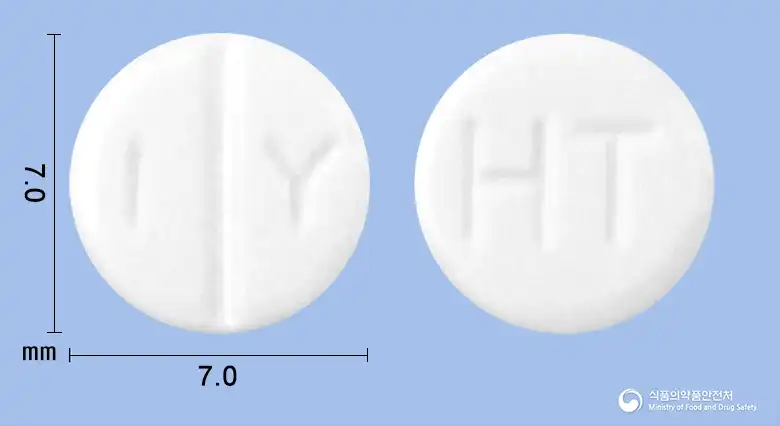
Terazosin Hydrochloride Hydrate 1.187mg
Tablet · Prescription medication
Il Yang Pharmaceutical Co., Ltd.
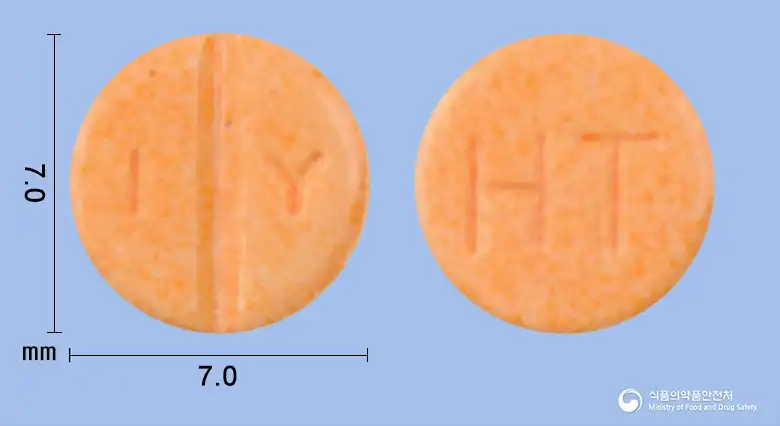
Terazosin Hydrochloride Hydrate 2.374mg
Tablet · Prescription medication
Il Yang Pharmaceutical Co., Ltd.
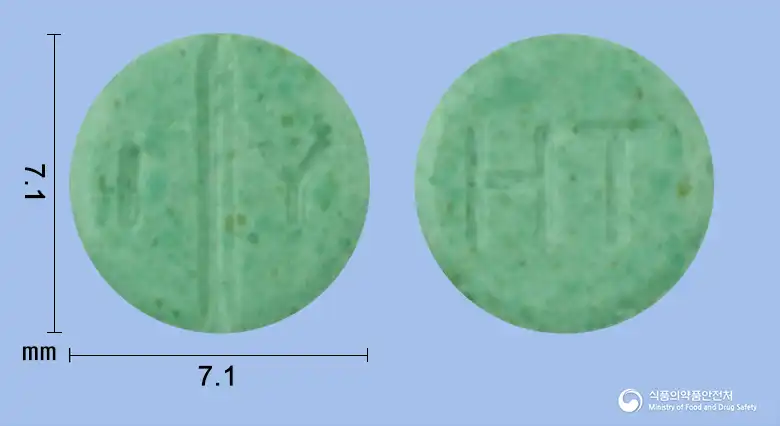
Terazosin Hydrochloride Hydrate 5.935mg
Tablet · Prescription medication
Il Yang Pharmaceutical Co., Ltd.
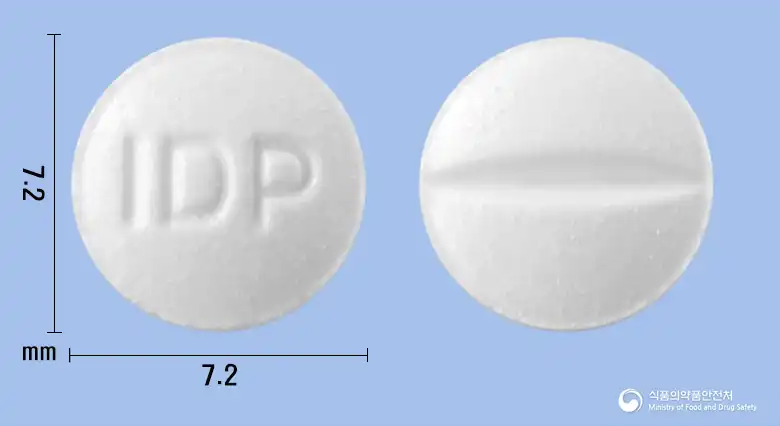
Terazosin Hydrochloride Hydrate 2.374mg
Tablet · Prescription medication
Il Dong Pharmaceutical Co., Ltd.
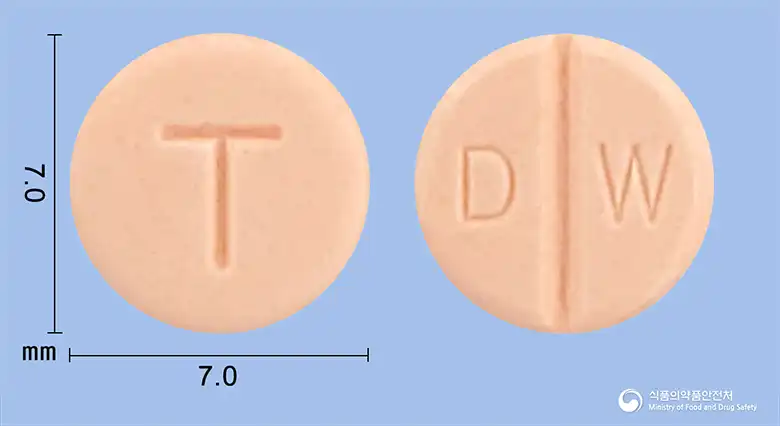
Terazosin Hydrochloride Hydrate 2.374mg
Tablet · Prescription medication
Daewon Pharmaceutical Co., Ltd.
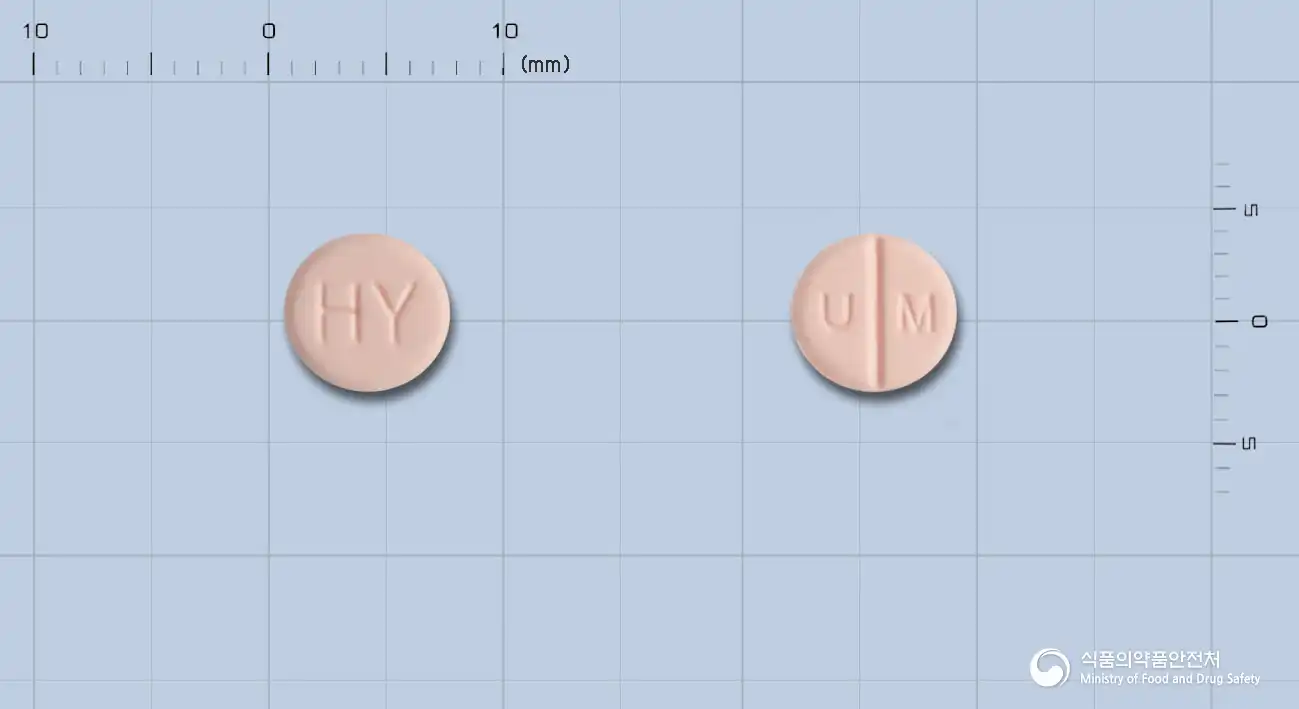
Terazosin Hydrochloride Hydrate 2.374mg
Tablet · Prescription medication
Unimed Pharmaceutical Co., Ltd.
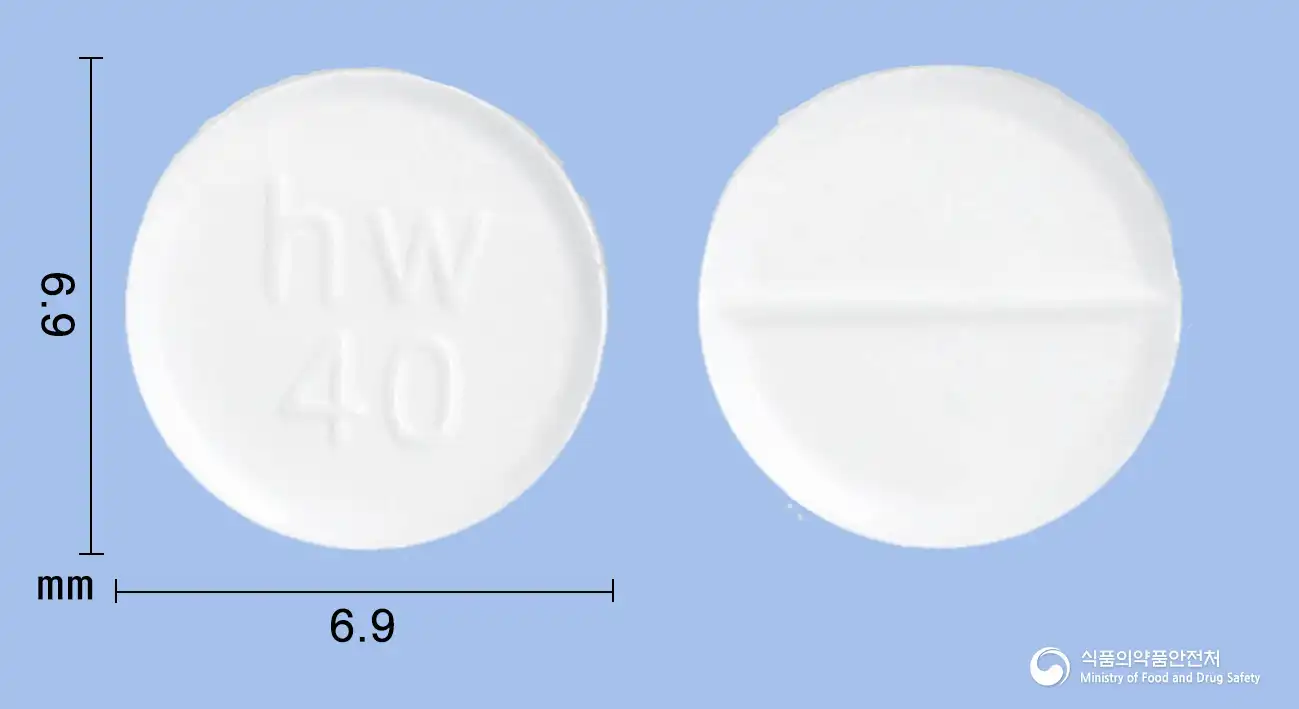
Terazosin Hydrochloride Hydrate 2.374mg
Tablet · Prescription medication
(Hawon Pharmaceutical Co., Ltd.)
Even with the same ingredient, the dose and directions can differ by strength and dosage form. Talk to a doctor or pharmacist before switching from a medication you are already taking.
No questions yet.
For anything that needs medical judgment, consult a doctor or pharmacist.
This drug information is based on data provided by the Korea Ministry of Food and Drug Safety.
Consult a doctor or pharmacist for accurate dosage, administration, and usage instructions.