
 한국어
한국어 English
 日本語
日本語 中文(简体)
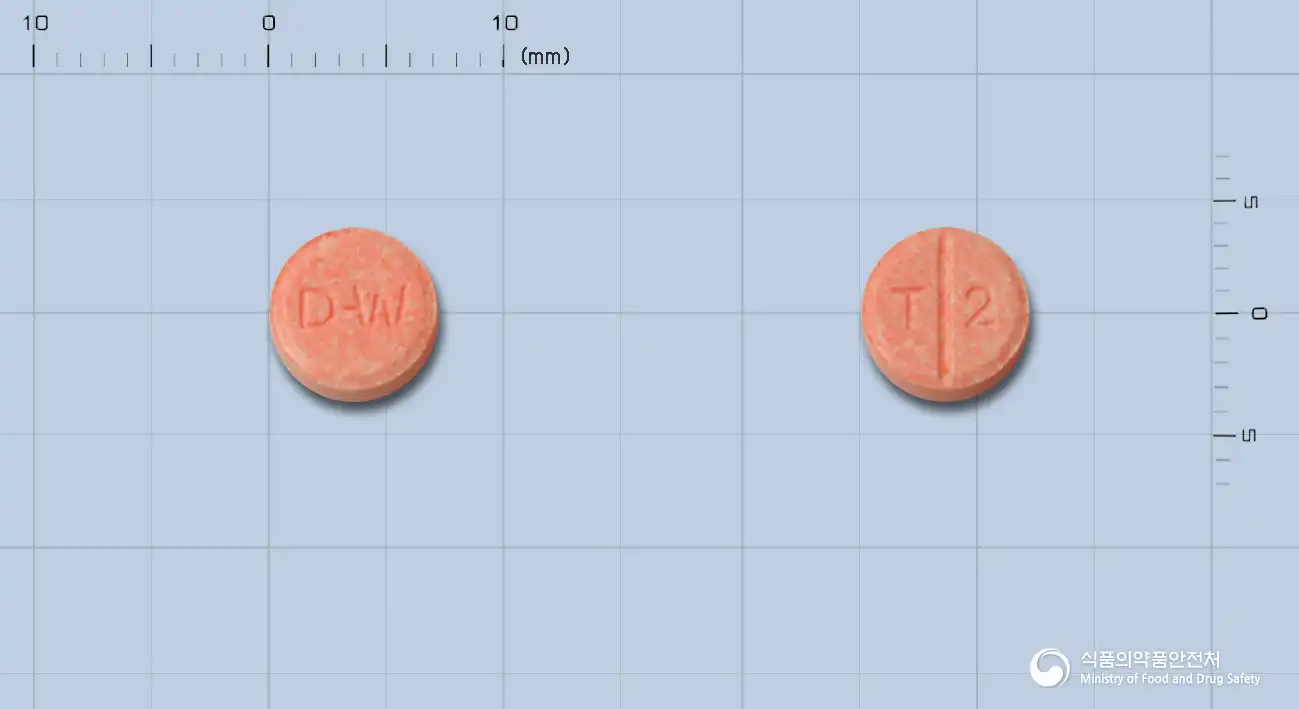 Viewing now
TGC Tablet 2 mg (Terazosin Hydrochloride)
Terazosin Hydrochloride Hydrate 2.374mg
Tablet · Prescription medication
Donghwa Pharmaceutical Co., Ltd.
MFDS item code 200300567 · Notified 2003.07.12 · Insurance code 642703270
Improvement of urinary disorders and hypertension caused by benign prostatic hyperplasia
This medication improves urinary disorders associated with benign prostatic hyperplasia and is also used to treat mild to moderate hypertension.
1. Urinary disorders due to benign prostatic hyperplasia Initial dose: Administer 1mg orally prior to bedtime as the initial dose of terazosin hydrochloride, and this dosage should not be exceeded. Maintenance dose: Gradually increase until symptoms improve, taking 5-10mg orally once daily. When taken with diuretics or other antihypertensive agents, reduce the dosage and increase if necessary. 2. Hypertension Initial dose: Administer 1mg orally prior to bedtime as the initial dose of terazosin hydrochloride, and this dosage should not be exceeded. To minimize the possibility of acute hypotension from the initial dose, observe the patient cautiously. Maintenance dose: Adjust according to the patient’s blood pressure response, starting at 2-10mg once daily, taken either in the morning or evening at the same time each day for continuity. To achieve the desired blood pressure effect, the dosage may be doubled every week. Doses above 20mg do not provide greater effects, and studies on doses higher than 40mg have not been conducted. When taken with diuretics or other antihypertensive agents, reduce the dosage and increase if necessary.
This medication is an alpha-blocker used to lower blood pressure or relieve symptoms of benign prostatic hyperplasia. It should not be used by individuals with hypersensitivity to alpha-blockers or this medication. Safety and efficacy have not been established in children under 12 years of age, so it should not be administered. Additionally, it contains lactose, and patients with genetic conditions such as lactose intolerance, galactose intolerance, lactase deficiency, or glucose-galactose malabsorption should not use it. Patients with significantly impaired liver or kidney function, orthostatic hypotension, cardiovascular disease, diabetes, liver disease, or certain other conditions or past medical history should use this medication with caution. This medication contains Yellow No. 4 (tartrazine), so individuals with allergies or hypersensitivity to this ingredient should be vigilant. Taking this medication may cause dizziness, drowsiness, headaches, and fainting due to orthostatic hypotension, particularly when starting the medication or changing the dosage. If fainting occurs, it is crucial to lie down and rest, and seek medical assistance if necessary. High doses may lead to symptoms such as peripheral edema, lack of energy, and dizziness, but most of these improve over time. Neuropsychiatric symptoms may include feelings of depression, irritability, and lethargy, while cardiovascular symptoms such as tachycardia, vasodilation, and arrhythmias may occur, though rarely. Liver function tests may show temporary increases, and gastrointestinal symptoms may include dyspepsia, abdominal pain, and diarrhea. Respiratory symptoms may include nosebleeds, pharyngitis, and coughing, while some patients have reported increased urination or incontinence. If allergic reactions such as rash or severe allergic reactions occur, the use of this medication should be discontinued immediately. Since this medication lowers blood pressure, caution is advised during activities such as driving or operating machinery. Suddenly standing up from a lying position may result in dizziness or fainting, so move slowly and take a moment to sit if needed. This medication can help alleviate symptoms of benign prostatic hyperplasia, but it should be used only after confirming the absence of prostate cancer. Patients undergoing cataract surgery should inform their physician about the use of this medication to prevent the occurrence of intraoperative floppy iris syndrome during surgery. When taken with blood pressure-lowering drugs or certain cardiovascular medications, the blood pressure-lowering effect may be enhanced, so it should be taken according to a physician's instructions. Women who are pregnant or may become pregnant should carefully consider the benefits and risks of taking this medication, and nursing mothers should avoid taking it or discontinue breastfeeding if possible. In elderly patients, blood pressure may drop excessively, increasing the risk of stroke, so it is crucial to start at a low dose and monitor their condition. In cases of overdose, severe hypotension may occur, requiring immediate emergency treatment, as dialysis is ineffective. This medication should be kept out of reach of children and should not be transferred to other containers.
Fainting, severe allergic reactions (including anaphylaxis), difficulty breathing
Not everyone experiences these, and they can vary from person to person.
This medication is sensitive to air and moisture, so it must be stored in a tightly sealed container. It is best to keep the storage temperature between 1 to 30 degrees Celsius at room temperature.
Light orange round tablet
30 tablets/bottle, 100 tablets/bottle
Even with the same ingredient, strength, dosage form and how it is taken can differ.
Viewing nowTerazosin Hydrochloride Hydrate 2.374mg
Tablet · Prescription medication
Donghwa Pharmaceutical Co., Ltd.
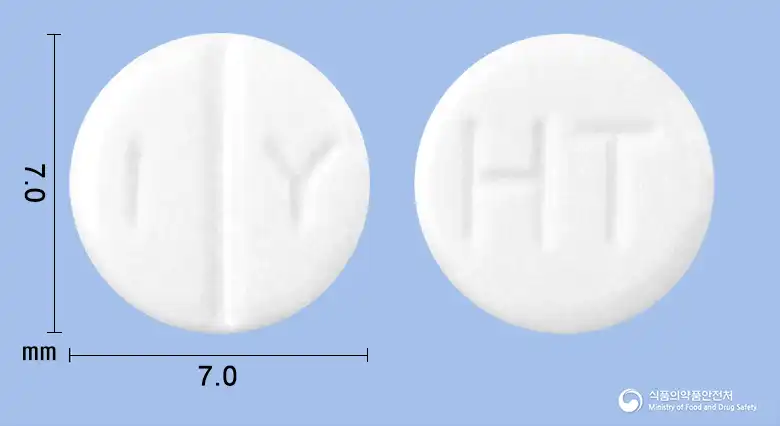
Terazosin Hydrochloride Hydrate 1.187mg
Tablet · Prescription medication
Il Yang Pharmaceutical Co., Ltd.
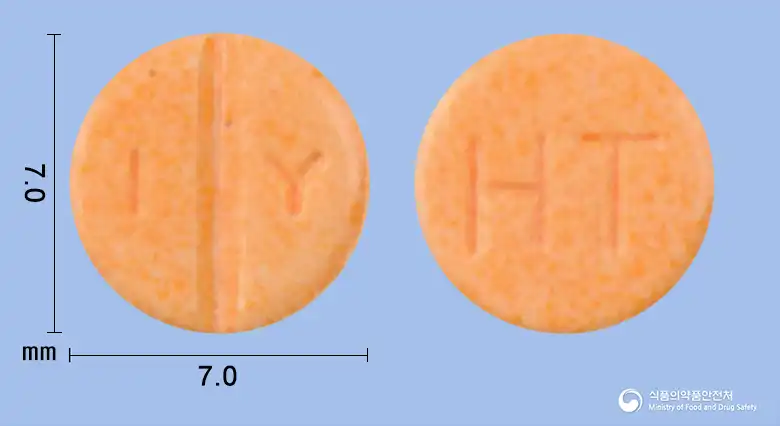
Terazosin Hydrochloride Hydrate 2.374mg
Tablet · Prescription medication
Il Yang Pharmaceutical Co., Ltd.
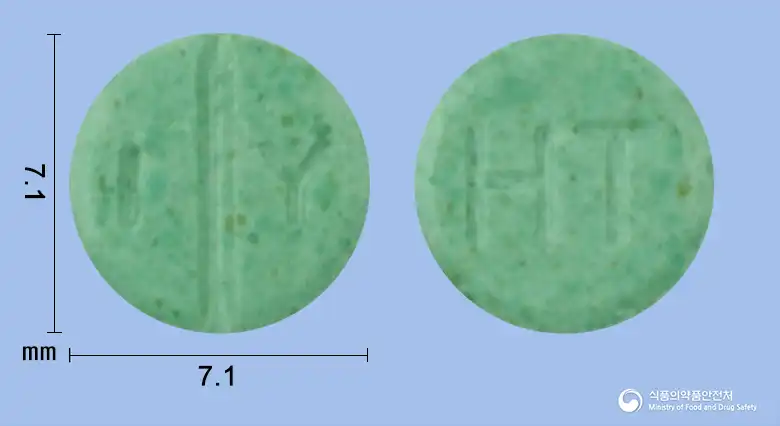
Terazosin Hydrochloride Hydrate 5.935mg
Tablet · Prescription medication
Il Yang Pharmaceutical Co., Ltd.
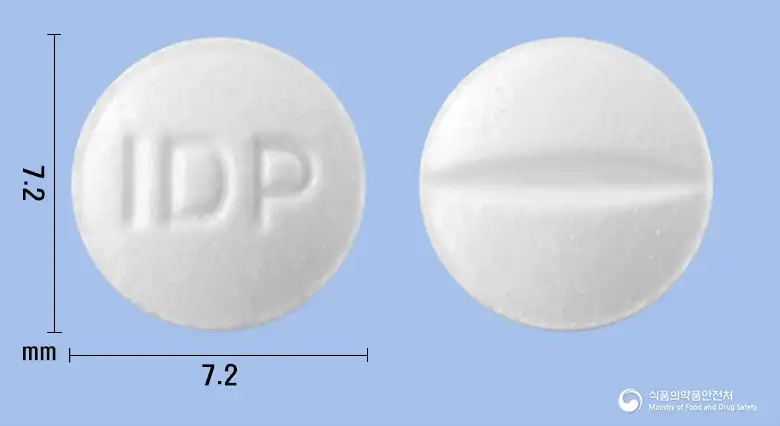
Terazosin Hydrochloride Hydrate 2.374mg
Tablet · Prescription medication
Il Dong Pharmaceutical Co., Ltd.
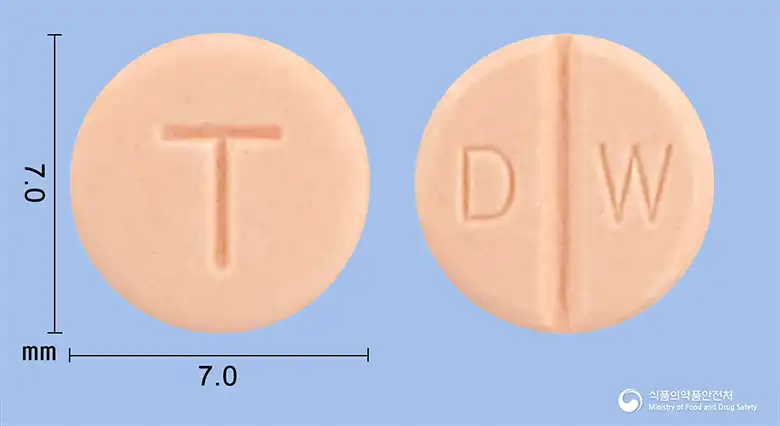
Terazosin Hydrochloride Hydrate 2.374mg
Tablet · Prescription medication
Daewon Pharmaceutical Co., Ltd.
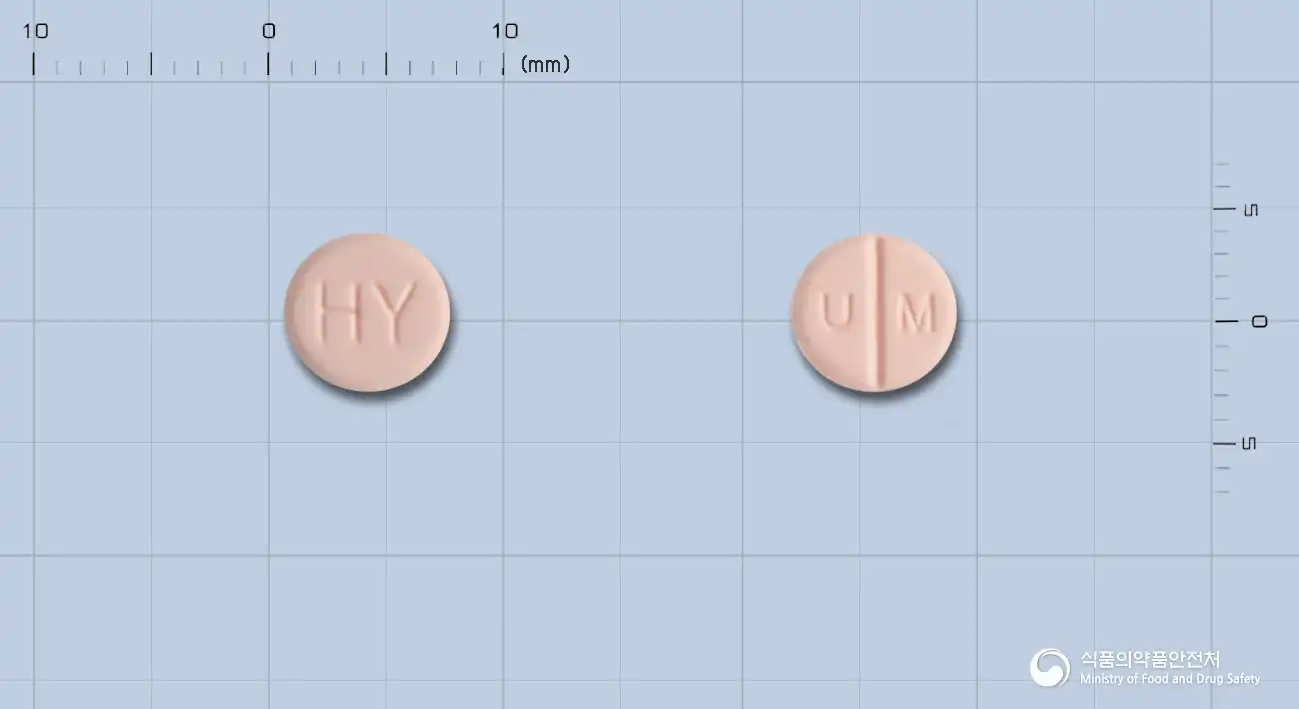
Terazosin Hydrochloride Hydrate 2.374mg
Tablet · Prescription medication
Unimed Pharmaceutical Co., Ltd.
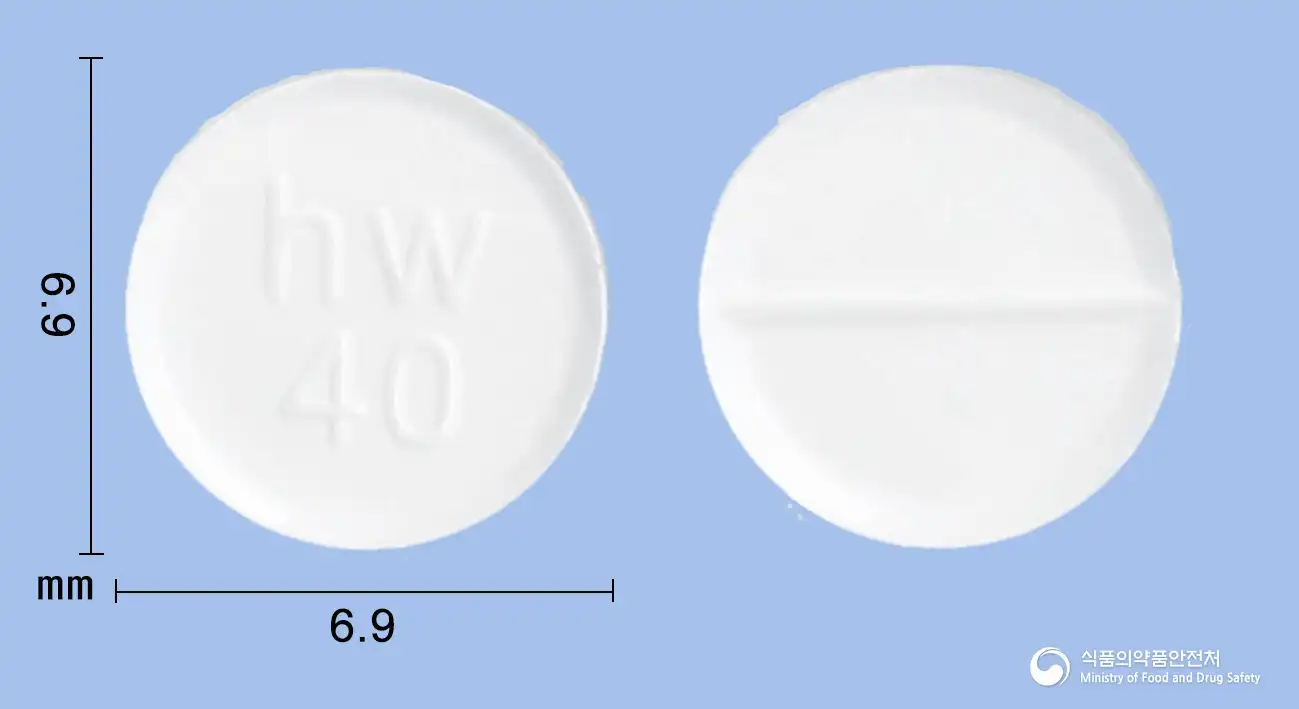
Terazosin Hydrochloride Hydrate 2.374mg
Tablet · Prescription medication
(Hawon Pharmaceutical Co., Ltd.)
Even with the same ingredient, the dose and directions can differ by strength and dosage form. Talk to a doctor or pharmacist before switching from a medication you are already taking.
No questions yet.
For anything that needs medical judgment, consult a doctor or pharmacist.
This drug information is based on data provided by the Korea Ministry of Food and Drug Safety.
Consult a doctor or pharmacist for accurate dosage, administration, and usage instructions.