
 한국어
 English
 日本語
 中文(简体)
Dosage form image
Viewing nowMyungmoon Ambroxol Hydrochloride Injection
Ambroxol Hydrochloride 7.5mg
Solution · Prescription medication
Myungmoon Pharmaceutical Co., Ltd.
MFDS item code 200202717 · Notified 2002.02.08 · Insurance code 649801361
Promotes pulmonary surfactant production, relieves disorders of mucus secretion, and prevents perioperative pulmonary complications
This injection is used to treat acute and chronic respiratory diseases caused by mucus secretion disorders, such as chronic bronchitis and acute attacks of bronchial asthma. Additionally, in cases of respiratory distress syndrome in neonates and premature infants, it promotes the production of pulmonary surfactant, aiding in easier breathing. It is also effective in preventing pulmonary complications before and after surgery in patients with chronic obstructive pulmonary disease. This medication plays an important role in improving respiratory issues and enhancing lung function.
Adults: Administer 15 mg of ambroxol hydrochloride slowly by intravenous injection 2 ~ 3 times daily. In severe cases, the dose may be increased to 30 mg per dose, and it may be administered by intravenous drip together with saline injection or Ringer's solution. Adjust the dose appropriately according to age and symptoms.
Children: Slowly administer 1.2 ~ 1.6 mg of this medicine per kg of body weight per day by intravenous injection. Age 5 years and older: 15 mg per dose 2 ~ 3 times daily Age 2 ~ 4 years: 7.5 mg per dose 3 times daily Under 2 years of age: 7.5 mg per dose 2 times daily To enhance pulmonary surfactant production in neonates and premature infants with respiratory distress syndrome, slowly administer 10 ~ 30 mg of this medicine per kg of body weight per day by intravenous injection in 4 divided doses.
Since this drug is a glass ampule injection, great care must be taken to ensure that glass fragments do not enter the container when opening it. Extra caution is needed when using it in children or the elderly. This drug should not be administered to patients who are allergic to it or to any of its components. Use of this drug should be done cautiously in patients with poor kidney function, severe liver dysfunction, or in infants under 2 years of age. Serious side effects, such as severe skin damage, may rarely occur when using this drug, so if any new skin or mucosal damage arises, the use of the drug should be stopped immediately, and medical attention should be sought. Gastrointestinal symptoms such as heartburn, nausea, vomiting, and dyspepsia may occur rarely, and constipation and diarrhea may also occur infrequently. Using this drug may cause allergic reactions such as skin rashes or hives, and in severe cases, acute allergic shock such as respiratory distress or facial edema may occur. Respiratory issues such as purulent rhinitis may develop, and neurological issues may include altered sensations of the tongue or taste changes, and rarely, paralysis sensations in the arms or around the mouth have been reported. When used in combination with certain antibiotics, this drug may increase the concentration of the antibiotic in bronchial or pulmonary secretions and sputum, so caution is necessary when used together. The use during pregnancy, especially within the first 3 months, is not recommended, and it should be administered cautiously during pregnancy as it passes through the placenta. Furthermore, breastfeeding women should only use this drug when the benefits of treatment outweigh the risks, as it may be excreted in breast milk. Elderly individuals may have decreased body functions, so dosage should be reduced or used with caution. No specific symptoms have been reported in cases of overdose, but if any adverse reactions occur, appropriate treatment should be sought. This drug may cause headaches, leg pain, and extreme fatigue when injected, therefore it should be administered slowly and should only be mixed with normal saline or Ringer's solution. It should be administered within 24 hours after mixing and should not be mixed with other solutions. Finally, this drug should be stored in a safe place out of reach of children.
Not everyone experiences these, and they can vary from person to person.
This drug is sensitive to light, so it should be stored in a light-blocking, sealed container. Additionally, the medication should be stored at room temperature, specifically between 1 and 30 degrees Celsius. Storing it this way will help maintain the drug's effectiveness and prevent degradation.
Brown ampule containing a colorless liquid,
100 ampules/box[(2mL×100)]
Even with the same ingredient, strength, dosage form and how it is taken can differ.
Ambroxol Hydrochloride 7.5mg
Solution · Prescription medication
Myungmoon Pharmaceutical Co., Ltd.
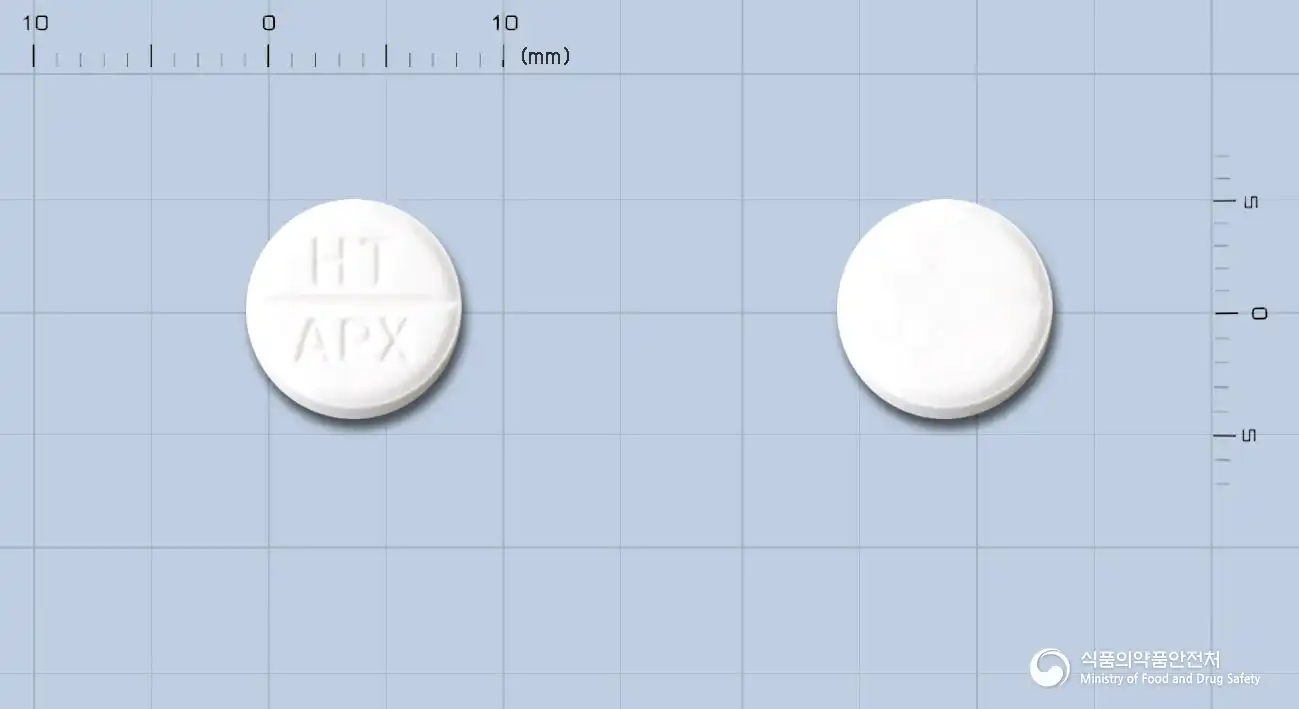
Ambroxol Hydrochloride 30mg
Tablet · OTC medication
Hanmi Pharmaceutical Co., Ltd.
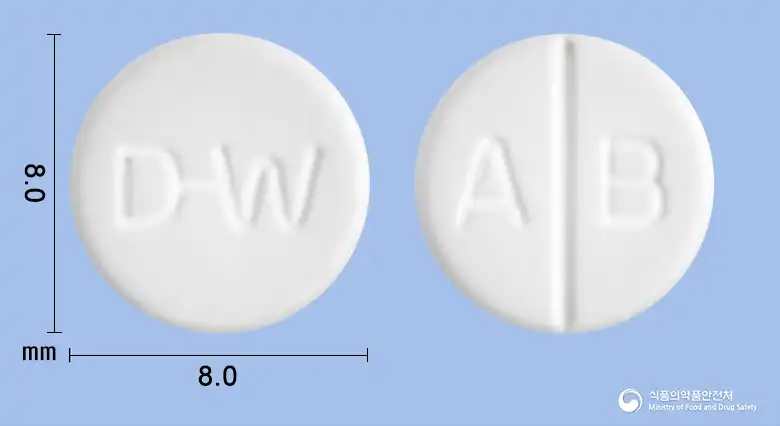
Ambroxol Hydrochloride 30mg
Tablet · OTC medication
Dongwha Pharmaceutical Co., Ltd.
Ambroxol Hydrochloride 15mg
Prescription medication
Aju Pharmaceuticals Co., Ltd.
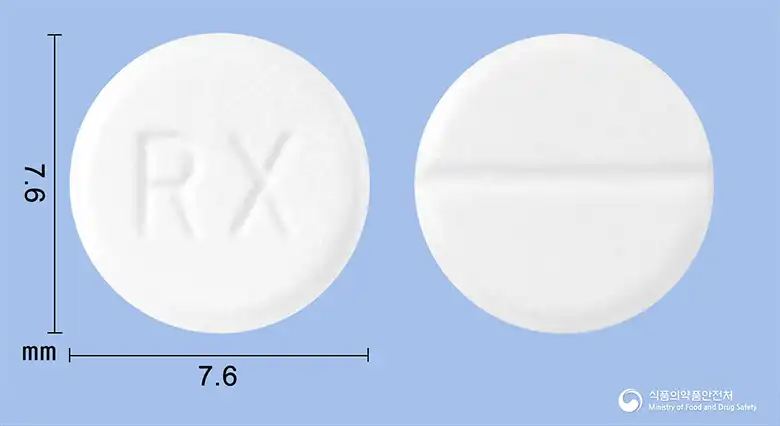
Ambroxol Hydrochloride 30mg
Tablet · OTC medication
Sama Pharmaceutical Co., Ltd.
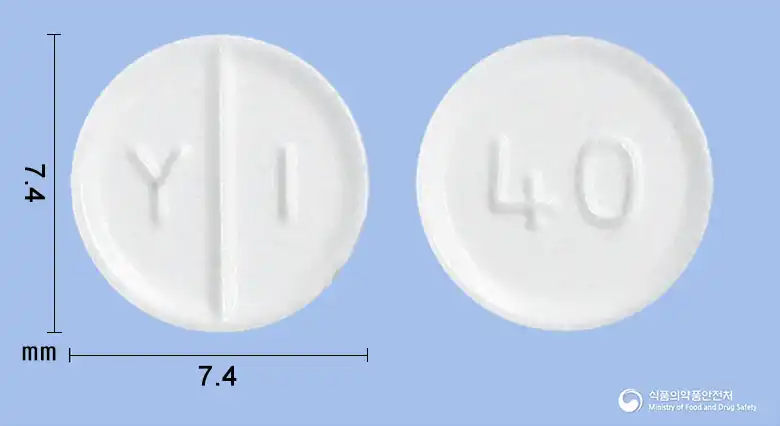
Ambroxol Hydrochloride 30mg
Tablet · OTC medication
Youngil Pharmaceutical Co., Ltd.
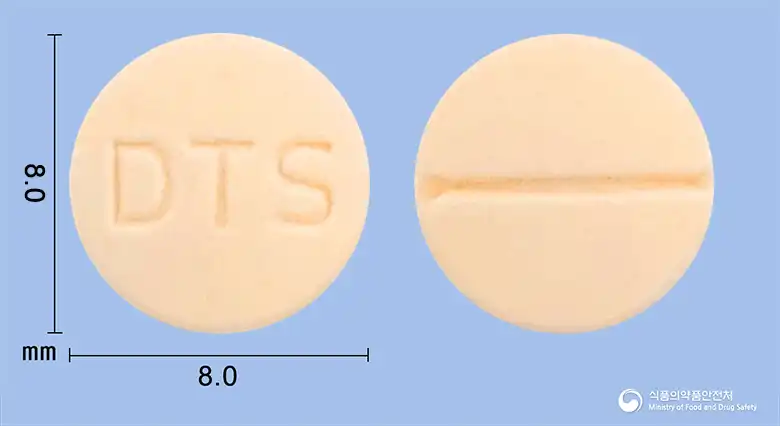
Ambroxol Hydrochloride 30mg
Tablet · OTC medication
Guju Pharmaceutical Co., Ltd.
Ambroxol Hydrochloride 15mg
Prescription medication
Dongkwang Pharmaceutical Co., Ltd.
Even with the same ingredient, the dose and directions can differ by strength and dosage form. Talk to a doctor or pharmacist before switching from a medication you are already taking.
No questions yet.
For anything that needs medical judgment, consult a doctor or pharmacist.
This drug information is based on data provided by the Korea Ministry of Food and Drug Safety.
Consult a doctor or pharmacist for accurate dosage, administration, and usage instructions.