
 한국어
 English
 日本語
 中文(简体)
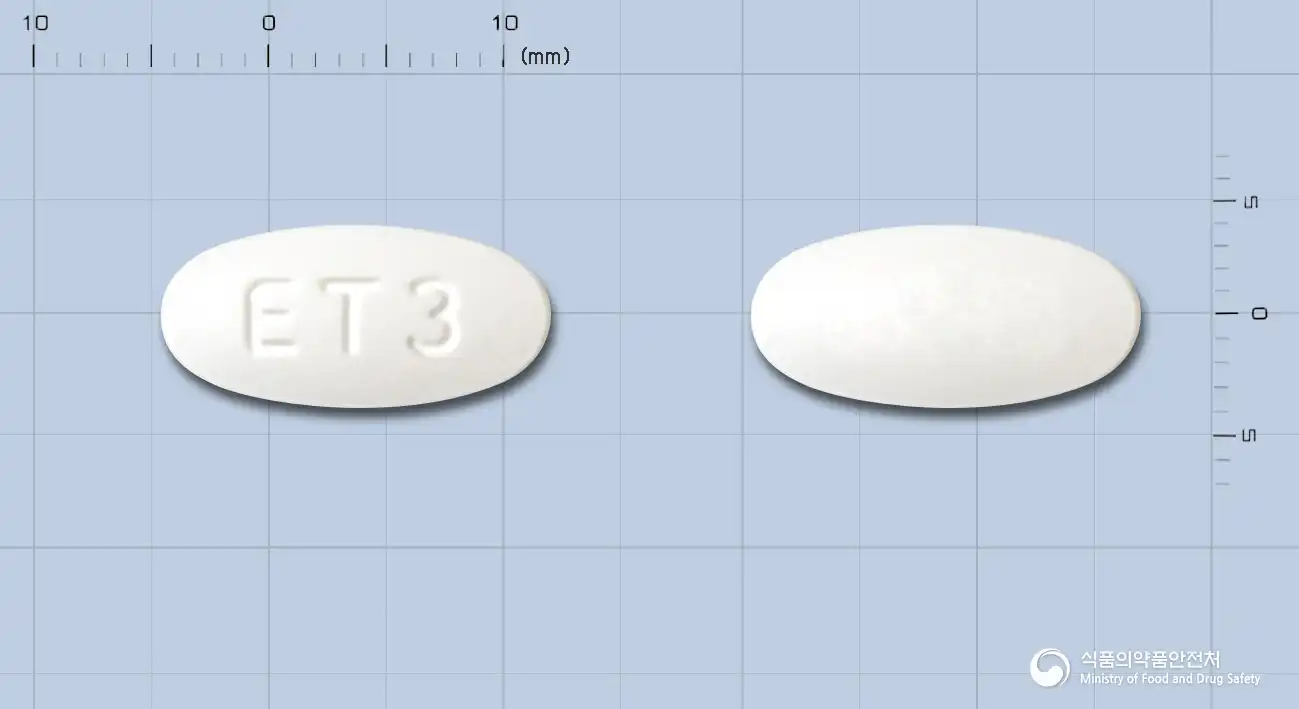 Viewing nowCombination
Jakutex Tablets 375 mg (Amoxicillin · Clavulanate Potassium)
Amoxicillin Hydrate 250mg · Dilute Potassium Clavulanate 212.73mg
Tablet · Prescription medication · Combination
Teragen Etex Co., Ltd.
MFDS item code 200201926 · Notified 2002.03.04 · Insurance code 698500920
Treatment of respiratory and ear, nose, and throat, genitourinary, skin and soft tissue, bone, and dental infections
This medication is effective against various bacterial infections. It is used to treat respiratory infections such as acute and chronic bronchitis, pneumonia, empyema, lung abscess, tonsillitis, sinusitis, and otitis media. It is also effective for urinary tract infections such as cystitis, urethritis, and pyelonephritis. It assists in the treatment of pelvic infections and sexually transmitted infections such as gonorrhea. It is used for skin and soft tissue infections such as boils, abscesses, soft tissue infections, and wound infections. It is effective for osteomyelitis and dental infections, aiding the patient's recovery. It is utilized in the treatment of a wide range of bacterial infections.
The dose of this medicine should be determined based on the patient's age, body weight, kidney function, and the severity of the infection. Administer at the start of a meal to minimize potential gastrointestinal intolerance. Absorption of amoxicillin/clavulanate is optimized when administered at the start of a meal. Adults: Administer 250 mg/125 mg of amoxicillin/potassium clavulanate per dose orally 3 times daily, every 8 hours. For severe infections and respiratory tract infections, the dose may be increased to 500 mg/125 mg of amoxicillin/potassium clavulanate per dose. For patients with renal impairment, adjust the dose as appropriate according to creatinine clearance. Adults: Dose adjustments are based on the maximum recommended dose of amoxicillin. No dose adjustment is required for patients with creatinine clearance (CrCl) of 30 mL/min or more. 10 ~ 30 mL/min: Administer 250mg/125mg or 500mg/125mg of amoxicillin/potassium clavulanate per dose every 12 hours. 10 mL/min or less: Administer 250mg/125mg or 500mg/125mg of amoxicillin/potassium clavulanate per dose every 24 hours. Hemodialysis: Administer 250mg/125mg or 500mg/125mg of amoxicillin/potassium clavulanate per dose every 24 hours, with an additional dose during dialysis and a repeat dose at the end of dialysis. (This is because serum concentrations of both amoxicillin and clavulanate decrease.)
Children aged 12 years and older or weighing 40 kg or more: Administer 250 mg/125 mg of amoxicillin/potassium clavulanate per dose orally 3 times daily, every 8 hours. For severe infections and respiratory tract infections, the dose may be increased to 500 mg/125 mg of amoxicillin/potassium clavulanate per dose. Children with renal impairment: Reduce the dose using the same approach.
This medication should not be used in patients who have allergic reactions to specific ingredients or hypersensitivity to beta-lactam antibiotics. Care should be taken particularly with patients who have viral infections such as infectious mononucleosis or lymphocytic leukemia, as the risk of rash is higher. Patients who have had liver dysfunction or jaundice due to this medication or penicillin-class drugs should avoid its use due to the risk of recurrence. Patients with impaired liver function or severe kidney impairment may have increased drug concentrations, so use should be cautious and dosing intervals should be adjusted. Patients with a history of allergies or family history, those unable to take medication orally, elderly patients, and those in poor general condition should also be cautious. If there are gastrointestinal disorders with vomiting or diarrhea, absorption of the medication may be reduced, requiring caution. This drug may cause gastrointestinal adverse reactions such as discomfort, diarrhea, vomiting, and abdominal pain; if symptoms are severe, the medication should be discontinued immediately and a doctor consulted. Symptoms such as liver dysfunction, jaundice, and hepatitis may occur, so regular liver function tests should be conducted during prolonged use. Rarely, serious skin reactions or hypersensitivity reactions such as anaphylaxis may occur; therefore, if symptoms like skin rash, itching, or difficulty breathing arise, the medication should be discontinued immediately. Abnormal blood symptoms have also been reported, such as bleeding, anemia, and thrombocytopenia; if any unusual symptoms occur, medical advice should be sought. Rarely, central nervous system abnormalities such as anxiety, confusion, or seizures may occur, and patients with kidney damage should be cautious of the risk of acute renal failure. During antibiotic therapy, severe intestinal diseases like pseudomembranous colitis may occur; if diarrhea or abdominal pain worsens, treatment should be stopped immediately. This medication may interact with other drugs; if you are taking other medications, you must inform your healthcare provider, especially if combining with anticoagulants or specific antibiotics. Women who are pregnant or breastfeeding should consult their doctor before using this medication, especially in the early stages of pregnancy. Children and the elderly have different physiological functions, so monitoring dosage and condition is essential. Regular clinical tests to monitor liver and kidney function as well as blood status during treatment can enhance safety. In case of overdose, gastrointestinal symptoms and neurological abnormalities may occur, so immediate medical attention for appropriate treatment is needed. Store in a dry place below 25 degrees Celsius and do not abruptly stop or adjust the dosage.
Diarrhea, pseudomembranous colitis, indigestion, stomatitis, gastritis, glossitis, black hairy tongue, nausea, vomiting, loss of appetite, abdominal pain, abdominal bloating, constipation, colonic pain, hyperacidity, soft stools, dry mouth, acute pancreatitis, candidiasis, antibiotic-induced colitis, severe colitis with bloody stools, elevated AST, elevated ALT, elevated ALP, elevated LDH, elevated serum bilirubin, hepatitis, cholestatic jaundice, pruritus, erythema multiforme, Stevens-Johnson syndrome, toxic epidermal necrolysis, vesicular exfoliative dermatitis, acute generalized exanthematous pustulosis, eosinophilia, angioedema, anaphylaxis, serum sickness syndrome, hypersensitivity vasculitis, dyspnea with bronchospasm, laryngeal edema, anaphylactic shock, reversible leukopenia, reversible thrombocytopenia, hemolytic anemia, anemia, thrombocytopenic purpura, eosinophilia, leukemia, agranulocytosis, lymphocytopenia, thrombocytosis, bone marrow suppression, prolonged bleeding time, prolonged prothrombin time, mucosal candidiasis, vaginal itching, vaginal burning, increased secretion, anxiety, unease, behavioral changes, confusion, drowsiness, insomnia, reversible hyperactivity, dizziness, headache, seizures, antidystonic, fever, aseptic meningitis, acute renal failure, interstitial nephritis, hematuria, crystalluria, symptoms of vitamin K deficiency, symptoms of vitamin B deficiency, linear IgA disease, taste disturbances, malaise, dermatitis, oral edema, gastric pain, fluid and electrolyte imbalance, hyperactivity, drowsiness, renal failure, interstitial cerebellar seizures, hypersensitivity shock, skin reactions, bleeding, pancytopenia
Not everyone experiences these, and they can vary from person to person.
This medication is stored in a sealed container to prevent moisture. When storing, it should be placed in a cool place with a temperature between 1 and 25 degrees Celsius.
White to nearly white oval film-coated tablets
80 tablets/box [(8 tablets/PTPX10)], 100 tablets/box [(10 tablets/PTPX10)]
Even with the same ingredient, strength, dosage form and how it is taken can differ.
Viewing nowCombinationAmoxicillin Hydrate 250mg · Dilute Potassium Clavulanate 212.73mg
Tablet · Prescription medication · Combination
Teragen Etex Co., Ltd.
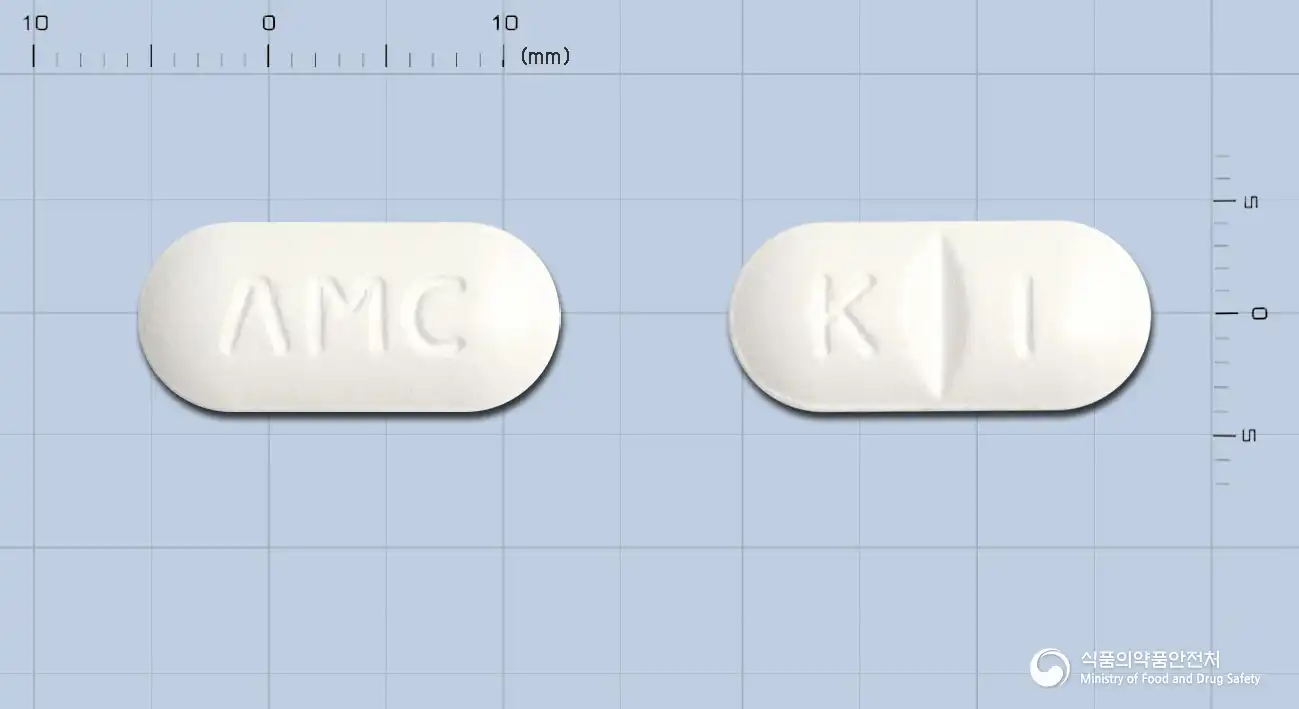 Combination
Amoxicillin Hydrate 500mg · Dilute Potassium Clavulanate 215.52mg
Tablet · Prescription medication · Combination
Geonil Pharmaceutical Co., Ltd.
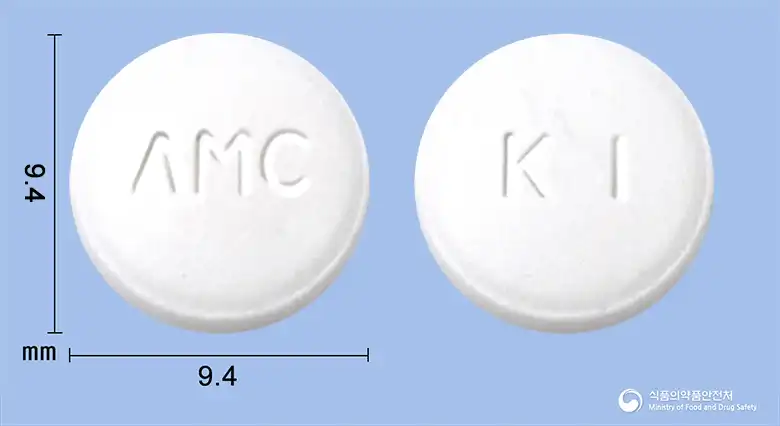 Combination
Amoxicillin Hydrate 125mg · Dilute Potassium Clavulanate 107.76mg
Tablet · Prescription medication · Combination
Geonil Pharmaceutical Co., Ltd.
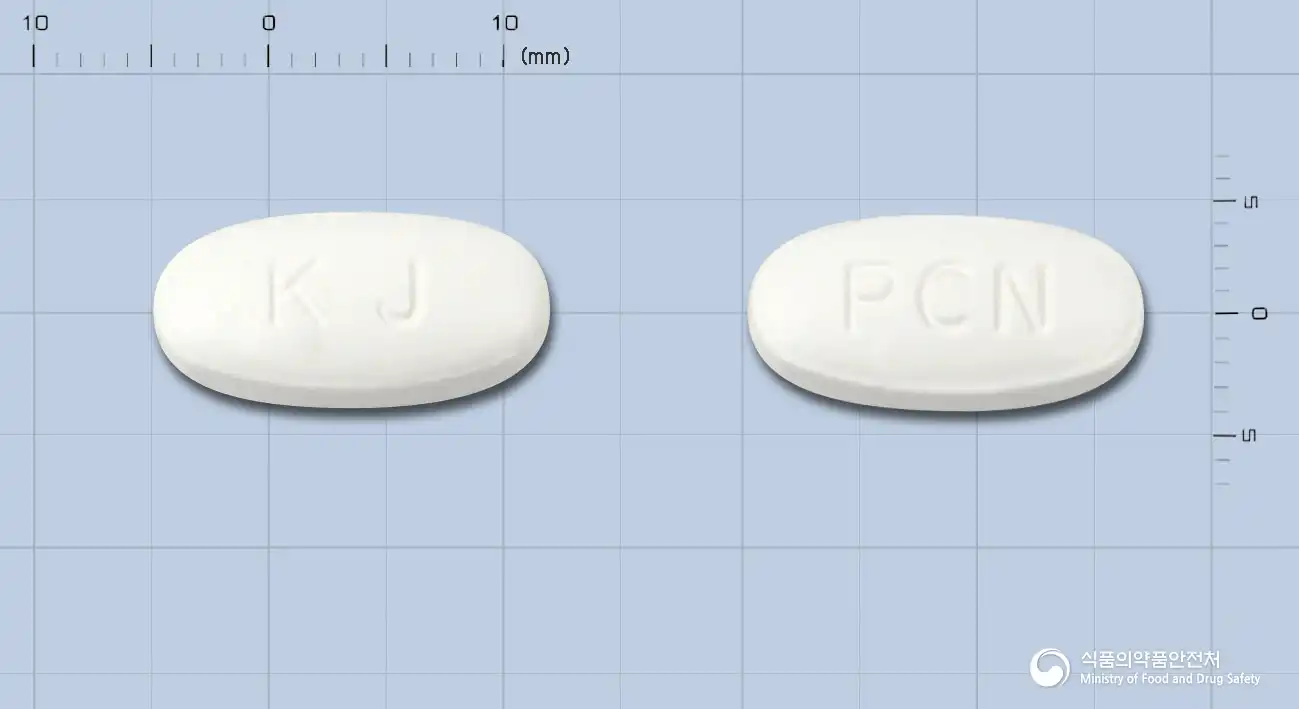 Combination
Amoxicillin Hydrate 250mg · Dilute Potassium Clavulanate 212.73mg
Tablet · Prescription medication · Combination
International Pharmaceutical Co., Ltd.
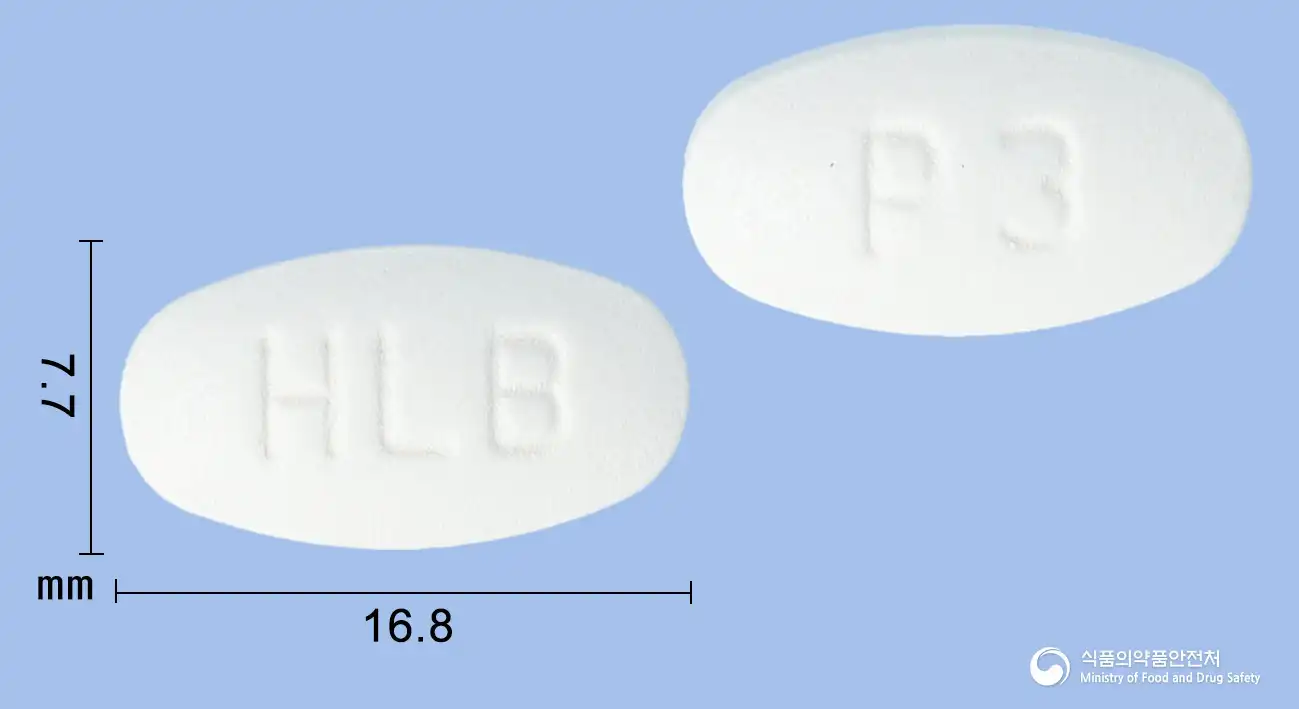 Combination
Amoxicillin Hydrate 250mg · Dilute Potassium Clavulanate 215.52mg
Tablet · Prescription medication · Combination
HLB Pharmaceutical Co., Ltd.
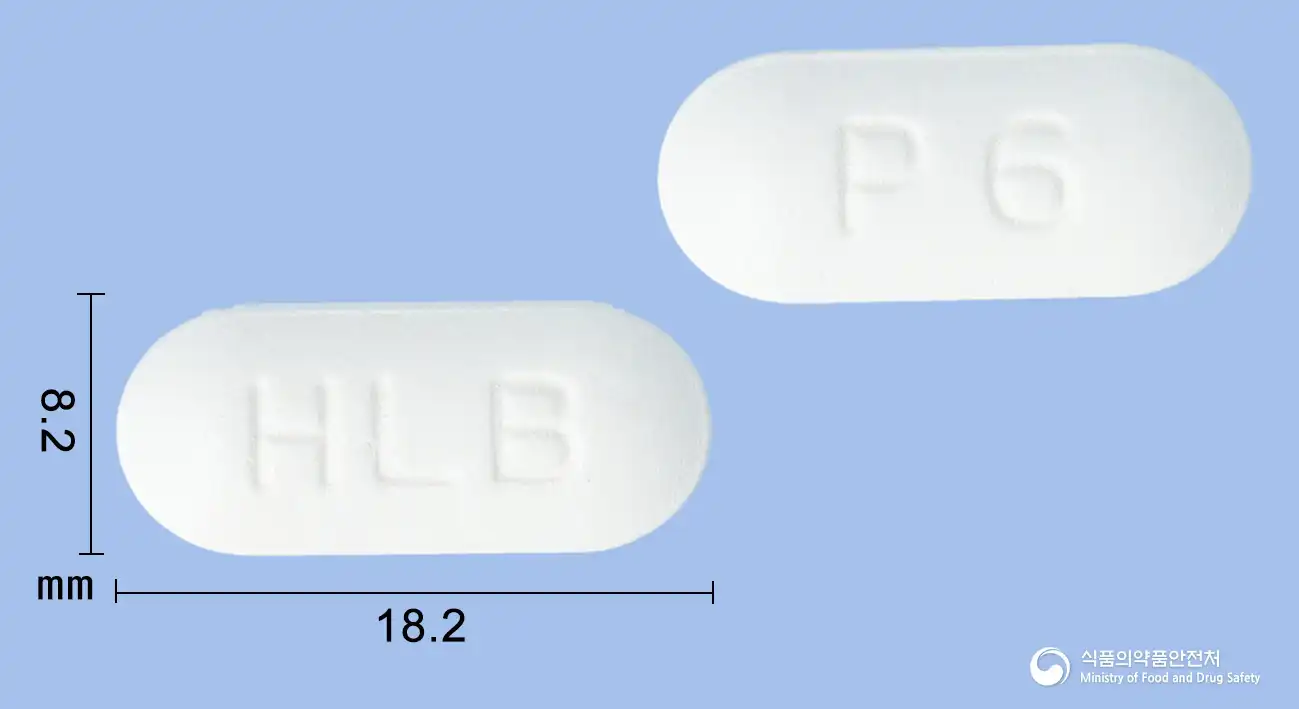 Combination
Amoxicillin Hydrate 500mg · Dilute Potassium Clavulanate 215.52mg
Tablet · Prescription medication · Combination
HLB Pharmaceuticals Co., Ltd.
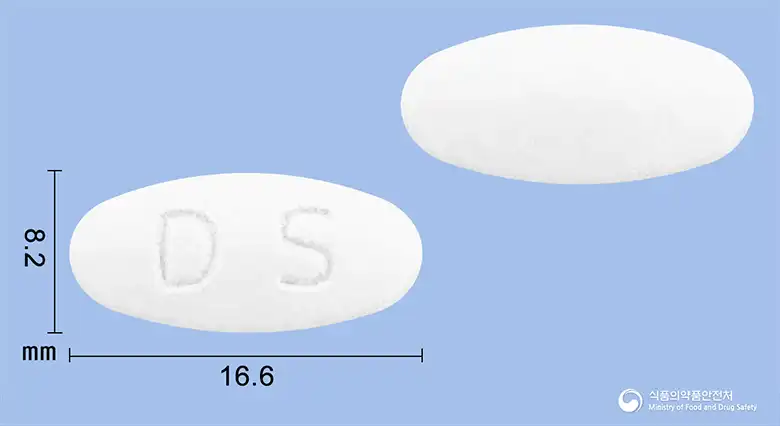 Combination
Amoxicillin Hydrate 250mg · Dilute Potassium Clavulanate 215.52mg
Tablet · Prescription medication · Combination
Dong Sung Pharmaceutical Co., Ltd.
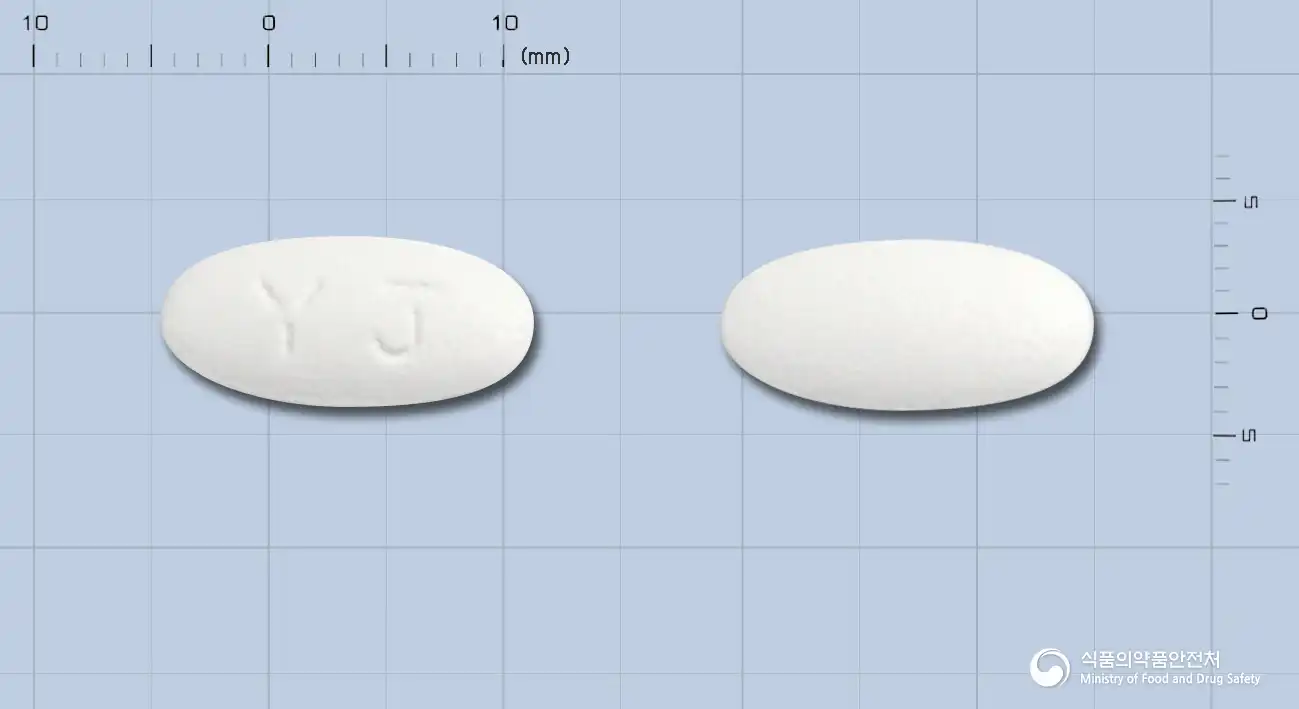 Combination
Amoxicillin Hydrate 250mg · Dilute Potassium Clavulanate 212.73mg
Tablet · Prescription medication · Combination
Youngjin Pharmaceutical Co., Ltd.
Even with the same ingredient, the dose and directions can differ by strength and dosage form. Talk to a doctor or pharmacist before switching from a medication you are already taking.
No questions yet.
For anything that needs medical judgment, consult a doctor or pharmacist.
This drug information is based on data provided by the Korea Ministry of Food and Drug Safety.
Consult a doctor or pharmacist for accurate dosage, administration, and usage instructions.