
 한국어
 English
 日本語
 中文(简体)
Dosage form image
Viewing nowCombinationSeretide 250 Diskus
Salmeterol Xinafoate Micronized 72.5μg · Fluticasone Propionate Micronized 250μg
Prescription medication · Combination
GlaxoSmithKline Co., Ltd.
MFDS item code 199907431 · Approved 1999.07.24
This product's status changed to Approval withdrawn on 2024.10.30. It may no longer be sold, so consult a doctor or pharmacist before taking it.
Maintenance treatment of airway obstruction in chronic obstructive pulmonary disease associated with asthma and chronic bronchitis
This medication is used in patients with asthma who require treatment with both a bronchodilator and an inhaled corticosteroid. It is also used as a maintenance therapy to treat airflow obstruction in patients with chronic obstructive pulmonary disease associated with chronic bronchitis. Specifically, it helps improve breathing by widening the airways and alleviating chronic inflammation, thus improving symptoms. This treatment can reduce breathlessness and enhance quality of life. Therefore, this medication is used effectively to treat respiratory symptoms in patients with asthma and chronic obstructive pulmonary disease.
This medicine is for oral inhalation only and should be used every day for optimal effect, even when symptoms are absent. Patients should be assessed regularly to maintain the optimal dose of this medicine, and should not change the dose on their own without advice from a doctor or pharmacist. Use the lowest dose that effectively controls symptoms. Once asthma symptoms are controlled with the minimum dose of this medicine, inhaled corticosteroid monotherapy may be tried as the next step. Administer this medicine containing an appropriate amount of fluticasone propionate according to disease severity. If a dose higher than the recommended dose is required, an appropriate beta-agonist or corticosteroid should be prescribed. Adults with chronic obstructive pulmonary disease: salmeterol 50 μg + fluticasone propionate 250 μg twice daily No dose adjustment is necessary in elderly patients or patients with renal impairment. There are no useful data on the use of this medicine in patients with hepatic impairment.
Asthma, adults and children aged 12 years and older: Depending on disease severity, administer by inhalation salmeterol 50 μg + fluticasone propionate 100 μg twice daily, or salmeterol 50 μg + fluticasone propionate 250 μg twice daily, or salmeterol 50 μg + fluticasone propionate 500 μg twice daily. Asthma, children aged 4 ∼ 11 years: Administer salmeterol 50 μg + fluticasone propionate 100 μg by inhalation twice daily. Asthma, children under 4 years: There are no useful data on the use of this medicine.
This medication works to dilate the bronchi to ease breathing, but it takes about 10 to 20 minutes for the effects to manifest, so it should not be used in cases of acute asthma attacks or severe asthma exacerbations that pose a threat to life. This medication is not for the treatment of acute asthma, and a fast-acting separate inhaler should be used for quick relief of acute symptoms. It should not be used in individuals with allergies to any component of the product or specific conditions such as heart arrhythmias, untreated respiratory infections, or severe bronchiectasis. Patients with a history of heart disease, diabetes, hyperthyroidism, seizure disorders, pulmonary tuberculosis, or hypokalemia should use this medication cautiously, and may need regular check-ups upon the doctor's advice. Rarely, after using this medication, side effects such as dyspnea, bronchospasm, oral candidiasis, palpitations, headaches, myalgia, skin rashes may occur, and if any unusual symptoms arise, immediate consultation with a healthcare provider is required. After inhalation, it is important to rinse the mouth thoroughly to prevent oral candidiasis, and it is crucial to learn and follow the proper administration method. This medication may interact with other beta-2 agonists or specific drugs, so if there are other medications being taken, it is essential to inform the physician or pharmacist. In cases of pregnancy or breastfeeding, the use of this medication should be discussed thoroughly regarding its effects on the fetus or newborn, and particular caution is needed for pediatric and elderly patients. Overuse of this medication can lead to serious side effects such as heart problems, glucose changes, and hypokalemia, so it is vital to adhere strictly to the prescribed dosage and frequency. Patients with asthma or chronic obstructive pulmonary disease should always carry a quick-relief inhaler while using this medication and should seek immediate evaluation by healthcare providers in case of symptom exacerbation. This medication should only be used for oral inhalation and cannot be effective if taken orally or through any other method. When storing, it should be kept in a cool place out of reach of children, and it is advisable to check the number of doses remaining before use.
Not everyone experiences these, and they can vary from person to person.
This medication is sensitive to light, so it should be stored in a container that does not allow light to enter. Furthermore, to maintain its efficacy, it is important to store it at room temperature, specifically between 1 and 30 degrees Celsius.
An inhaler with a purple round plastic device containing a filled pouch of white powder.
60 doses/container, 28 doses/container
Even with the same ingredient, strength, dosage form and how it is taken can differ.
Salmeterol Xinafoate Micronized 72.5μg · Fluticasone Propionate Micronized 250μg
Prescription medication · Combination
GlaxoSmithKline Co., Ltd.
Salmeterol Xinafoate Micronized 72.5μg · Fluticasone Propionate Micronized 100μg
Prescription medication · Combination
GlaxoSmithKline Co., Ltd.
Salmeterol Xinafoate Micronized 72.5μg · Fluticasone Propionate Micronized 500μg
Prescription medication · Combination
GlaxoSmithKline Co., Ltd.
Salmeterol Xinafoate Micronized 48.333mg · Fluticasone Propionate Micronized 66.667mg
Suspension · Prescription medication · Combination
GlaxoSmithKline Co., Ltd.
Salmeterol Xinafoate Micronized 48.333mg · Fluticasone Propionate Micronized 166.667mg
Suspension · Prescription medication · Combination
GlaxoSmithKline Co., Ltd.
Fluticasone Propionate Micronized 333.333mg · Salmeterol Xinafoate Micronized 48.333mg
Suspension · Prescription medication · Combination
GlaxoSmithKline Co., Ltd.
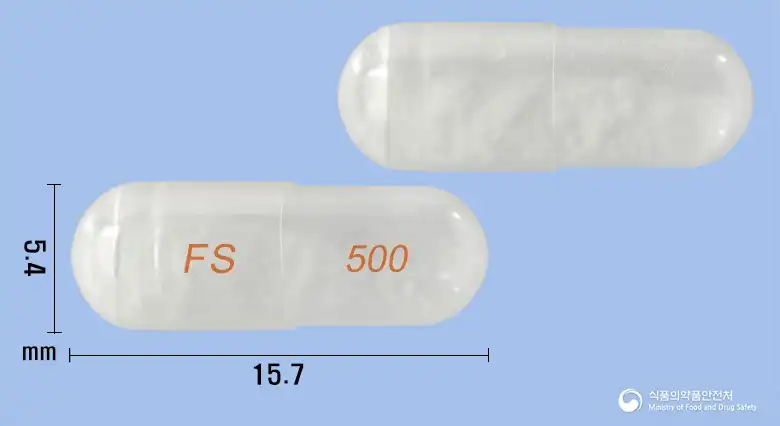 Combination
Salmeterol Xinafoate Micronized 72.5μg · Fluticasone Propionate Micronized 500μg
Prescription medication · Combination
Hanmi Pharmaceutical Co., Ltd.
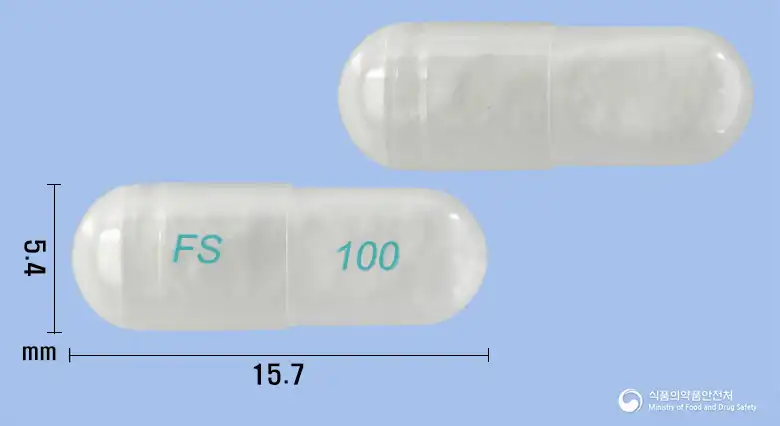 Combination
Salmeterol Xinafoate Micronized 72.5μg · Fluticasone Propionate Micronized 100μg
Prescription medication · Combination
Hanmi Pharmaceutical Co., Ltd.
Even with the same ingredient, the dose and directions can differ by strength and dosage form. Talk to a doctor or pharmacist before switching from a medication you are already taking.
No questions yet.
For anything that needs medical judgment, consult a doctor or pharmacist.
This drug information is based on data provided by the Korea Ministry of Food and Drug Safety.
Consult a doctor or pharmacist for accurate dosage, administration, and usage instructions.