
 한국어
 English
 日本語
 中文(简体)
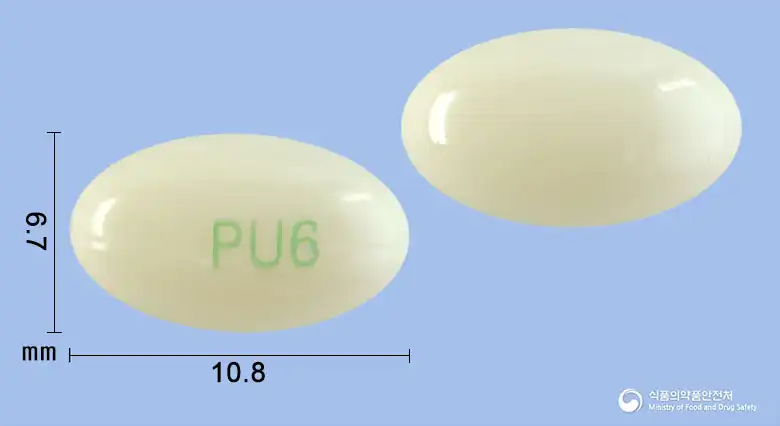 Viewing now
Calsibon Soft Capsule (Calcitriol)
Calcitriol 0.25μg
Soft capsule · Prescription medication
Korea PMG Pharmaceutical Co., Ltd.
MFDS item code 199500386 · Notified 1995.08.22 · Insurance code 697100020
Treatment of bone disorders (renal bone disease, rickets, etc.), parathyroid dysfunction, and osteoporosis
This medication is used to treat secondary hyperparathyroidism and metabolic bone diseases occurring in patients with chronic kidney failure before dialysis. It is also helpful in improving renal osteodystrophy in patients receiving dialysis. It is effective for hypoparathyroidism, especially post-surgical or idiopathic hypoparathyroidism, and is used for treating rickets and osteomalacia, such as vitamin D-dependent rickets or hypophosphatemic vitamin D-resistant rickets. It is also used to improve bone health in osteoporosis patients. Overall, it is widely used for the treatment of various bone-related diseases.
The optimal daily dose of this medicine should be carefully determined for each patient based on serum calcium levels. Initiate treatment at the lowest possible dose, and do not increase the dose without close monitoring of serum calcium. ○ Patients not yet on dialysis: The recommended initial adult dose is 0.25 ㎍ of calcitriol daily; if necessary, this may be increased to 0.5 ㎍ daily. ○ Renal osteodystrophy (patients on dialysis): The initial daily dose is 0.25 ㎍ of this medicine. In patients whose serum calcium levels are within the normal range or slightly low, administer 0.25 ㎍ every other day. If there is an inadequate response in laboratory values and clinical symptoms, increase the daily dose by 0.25 ㎍ at intervals of 2 ~ 4 weeks. During this period, measure serum calcium levels at least twice weekly. Most patients respond to a dose of 0.5 ~ 1.0 ㎍ daily. This medicine improves calcium absorption from the gastrointestinal tract, so some patients receiving this medicine may be maintained on a lower calcium intake. Patients prone to developing hypercalcemia may need only a small amount of calcium or may not need calcium supplementation at all. ○ Osteoporosis: Administer 0.25 ㎍ of this medicine twice daily. During dose stabilization, measure serum calcium levels at least twice weekly. If hypercalcemia is observed, discontinue treatment until serum calcium levels return to normal. As this medicine increases calcium absorption in patients with postmenopausal osteoporosis, calcium supplementation may not be necessary. ○ Hypoparathyroidism and rickets/osteomalacia: It is preferable to administer an initial dose of 0.25 ㎍ of this medicine every morning. If there is an inadequate response in laboratory values and clinical symptoms, increase the dose at intervals of 2 ~ 4 weeks. During dose titration, measure serum calcium levels at least twice weekly. Since malabsorption sometimes occurs in patients with hypoparathyroidism, a higher dose may be needed. ○ General information: After determining the optimal dose of this medicine, measure serum calcium levels once monthly. Blood samples for serum calcium measurement should be collected without a tourniquet. If serum calcium rises 1 mg/dL (250 μmol/L) above the normal range of 9 ~ 11 mg/dL (2,250 ~ 2,750 μmol/L), or serum creatinine rises to 120 μmol/L or higher, promptly reduce the dose sufficiently or discontinue treatment until serum calcium returns to normal. Discontinuing supplemental calcium is also effective for rapidly normalizing serum calcium levels. Carefully consider reducing dietary calcium intake as well. During hypercalcemia, measure serum calcium and phosphate levels daily. Once levels return to normal, continue treatment at a dose 0.25 ㎍ lower per day than the previous dose.
○ Patients not yet on dialysis: The recommended dose for children aged 36 months and older is 0.25 ㎍ of calcitriol daily; if necessary, this may be increased to 0.5 ㎍ daily. ○ Patients not yet on dialysis: The recommended initial dose for children under 36 months is 10 ~ 15 ng per kg of body weight daily.
This medication should not be used in patients with hypercalcemia or hypercalciuria causing calcium stones. Additionally, individuals allergic to this medication or similar drugs should not take it. Pregnant or breastfeeding women should exercise special caution when using this medication and should do so only after consulting a physician. There is limited experience with use in young children or pediatric patients receiving dialysis, so caution is advised. This drug is an active form of vitamin D, and overdose can lead to symptoms of hypercalcemia, which can cause nausea, vomiting, headache, lethargy, and dehydration if aggravated. Regular blood tests should be conducted to monitor calcium levels during use. It is important to maintain an adequate calcium intake while taking this medicine and to avoid excessive calcium supplementation. Additionally, since interactions with other medications may occur, especially with vitamin D preparations, calcium supplements, diuretics, and digitalis, consultation with a physician or pharmacist is essential when taking these medications together. Elderly patients or those with impaired kidney function should adjust dosing and be monitored frequently, and in the case of an overdose, immediate cessation of the medication and notification to healthcare personnel is necessary. Store this medication in a cool place below 25 degrees Celsius, protected from light and moisture, and out of reach of children.
Not everyone experiences these, and they can vary from person to person.
This medication should be stored in a tightly sealed container to prevent air and moisture from entering, and it is best stored at room temperature between 1 to 30 degrees Celsius. Proper storage will help maintain the drug's efficacy for a longer period.
A milky, oval-shaped soft capsule containing a colorless or transparent emulsion.
30 capsules per bottle, 300 capsules per bottle
Even with the same ingredient, strength, dosage form and how it is taken can differ.
Viewing nowCalcitriol 0.25μg
Soft capsule · Prescription medication
Korea PMG Pharmaceutical Co., Ltd.
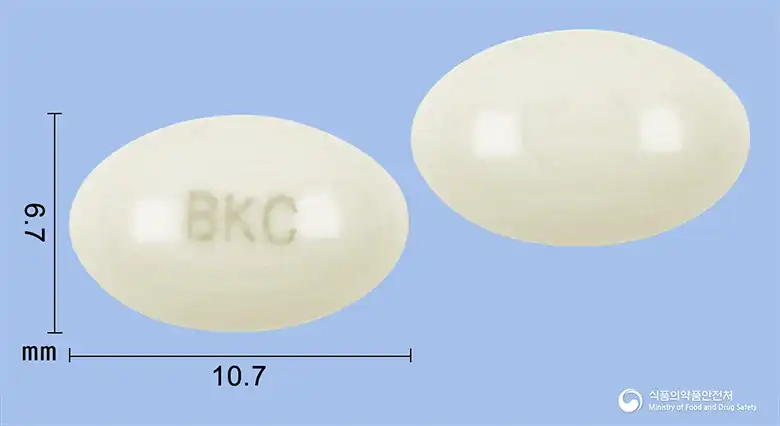
Calcitriol 0.25μg
Soft capsule · Prescription medication
Yuyu Pharmaceutical Co., Ltd.
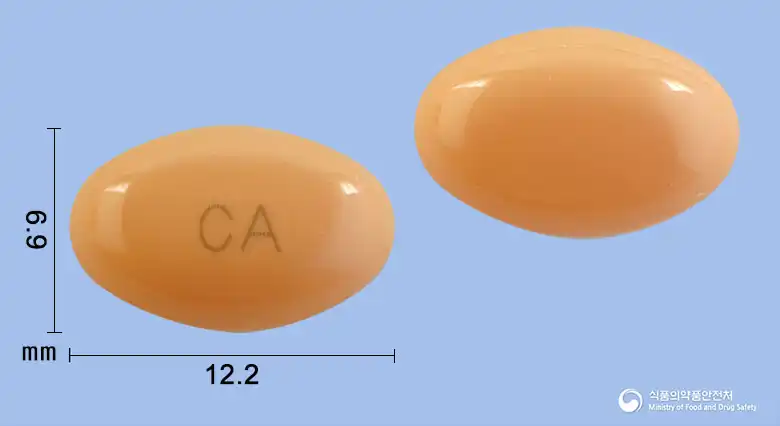
Calcitriol 0.25μg
Soft capsule · Prescription medication
Hanmi Pharmaceutical Co., Ltd.
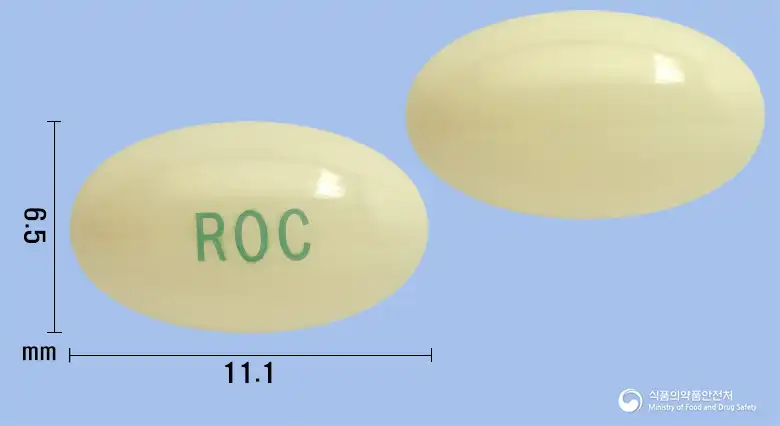
Calcitriol 0.25μg
Soft capsule · Prescription medication
Shinpoong Pharmaceutical Co., Ltd.
Calcitriol 0.25μg
Soft capsule · Prescription medication
GP Therapeutics Korea Co., Ltd.
Calcitriol 1μg
Injections · Prescription medication
Albozen Korea Co., Ltd.
Even with the same ingredient, the dose and directions can differ by strength and dosage form. Talk to a doctor or pharmacist before switching from a medication you are already taking.
No questions yet.
For anything that needs medical judgment, consult a doctor or pharmacist.
This drug information is based on data provided by the Korea Ministry of Food and Drug Safety.
Consult a doctor or pharmacist for accurate dosage, administration, and usage instructions.