
 한국어
 English
 日本語
 中文(简体)
 Viewing now
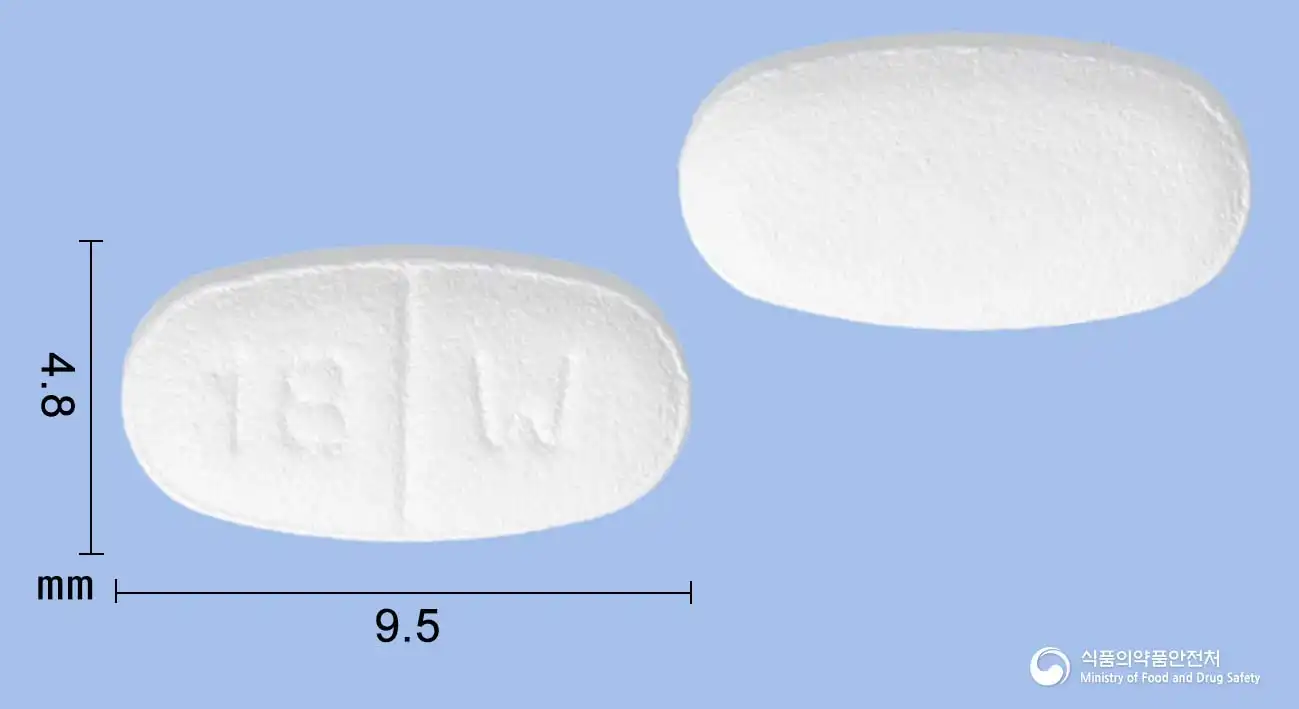
Hwanin Atomoxetine Tablet 18 mg (Atomoxetine Hydrochloride)
Atomoxetine Hydrochloride 20.57mg
Tablet · Prescription medication
Hwanin Pharmaceutical Co., Ltd.
MFDS item code 202600374 · Approved 2026.02.10
Treatment of attention-deficit hyperactivity disorder (ADHD) in children aged 6 years and older and adults
This medication is used to treat attention deficit hyperactivity disorder (ADHD) in children aged 6 and older as well as adults. The diagnosis should be made according to DSM-IV criteria or ICD-10 guidelines. As part of a comprehensive treatment program, this drug helps improve attention deficits and hyperactive symptoms in patients.
This medication may be administered orally once daily in the morning, with or without food. Patients who do not achieve a satisfactory clinical response (tolerability or efficacy) when this medication is administered once daily may take it twice daily in equal doses, in the morning and late afternoon or early evening. Dosage for adults: This medication should be initiated at a total daily dose of approximately 40mg. The initial dose should be maintained for at least 7 days before being gradually increased according to clinical response and tolerability. The recommended maintenance dose is 80mg. For patients who do not show an adequate response, the dose may be increased to a maximum of 100 mg after 2∼4 weeks. There is no evidence that efficacy increases at higher doses. For patients with moderate hepatic impairment (Child-Pugh Class B), the initial and target doses should be reduced to 50% of the usual doses. For patients with severe hepatic impairment (Child-Pugh Class C), the initial and target doses should be reduced to 25% of the usual doses. Patients with end-stage renal disease have greater systemic exposure to this medication than healthy subjects (approximately 65% higher); however, there is no difference when exposure is adjusted for the mg/kg dose. Therefore, patients with ADHD who have end-stage renal disease or mild renal impairment may be given the usual dosage regimen. This medication may worsen hypertension in patients with end-stage renal disease. Elderly patients: Not applicable. In placebo-controlled studies, there is no useful evidence indicating how long patients with ADHD should be treated with this medication. However, it is generally agreed that pharmacological treatment of ADHD should be continued for an extended period. Nevertheless, physicians who decide to use this medication for an extended period should periodically reevaluate the benefits of long-term use for each patient. This medication may be taken on an empty stomach or with food. The safety of single doses greater than 120mg and total daily doses greater than 150mg has not been systematically evaluated. For adults receiving strong CYP2D6 inhibitors (e.g., paroxetine, fluoxetine, and quinidine), this medication should be initiated at 40mg/day and increased to the target dose of 80mg/day after 4 weeks if symptoms have not improved and the initial dose is well tolerated. This medication may be discontinued without dose reduction.
Children weighing up to 70 kg: This medicine should be initiated at a total daily dose of approximately 0.5 mg/kg. The initial dose should be maintained for at least 7 days before the dose is gradually increased according to clinical response and tolerability. The recommended maintenance dose is approximately 1.2 mg/kg/day. (Depending on the patient's body weight and the strength of this medicine used) No additional benefit has been demonstrated at doses higher than 1.2 mg/kg/day. The total daily dose in children should not exceed 1.4mg/kg or 100mg. Children weighing more than 70 kg: This medicine should be initiated at a total daily dose of approximately 40mg. The initial dose should be maintained for at least 7 days before the dose is gradually increased according to clinical response and tolerability. The recommended maintenance dose is 80mg, and the dose may be increased to a maximum of 100 mg after 2∼4 weeks in patients who do not show an adequate response. There are no data indicating increased efficacy at higher doses. Children under 6 years of age: The safety and efficacy of this medicine have not been established. Therefore, this medicine should not be used in children under 6 years of age. In children weighing up to 70 kg who are receiving a strong CYP2D6 inhibitor (e.g., paroxetine, fluoxetine, and quinidine), this medicine should be initiated at 0.5mg/kg/day and increased to the target dose of 1.2mg/kg/day if symptoms have not improved after 4 weeks and the initial dose is well tolerated. In children weighing 70 kg or more who are receiving a strong CYP2D6 inhibitor (e.g., paroxetine, fluoxetine, and quinidine), this medicine should be initiated at 40mg/day and increased to the target dose of 80mg/day if symptoms have not improved after 4 weeks and the initial dose is well tolerated.
This drug is used for the treatment of attention deficit hyperactivity disorder (ADHD) and may be associated with suicidal behavior; therefore, patients should be closely monitored during treatment. Increased behavioral changes such as aggression, hostility, and emotional instability may occur, especially in pediatric patients. It may cause severe liver damage, and treatment should be discontinued immediately if symptoms of liver injury appear, with no re-administration allowed. It should not be administered to patients with hypersensitivity to this drug or those taking certain medications (e.g., MAO inhibitors), or to patients with glaucoma or severe cardiovascular disease. Be vigilant for allergic reactions, cardiac irregularities, increases in blood pressure and heart rate, liver function abnormalities, growth delays, psychotic symptoms, and seizure risks. The safety and efficacy of this medication have not been established in children under 6 years of age, and its safety in elderly patients has also not been confirmed. This medication can interact with other drugs, so consult a physician or pharmacist if taking any other medications. Pregnant or breastfeeding women should avoid using this drug, especially while breastfeeding. Caution is advised as fatigue or drowsiness may occur while driving or operating machinery. In case of overdose, symptoms such as gastrointestinal disturbances, drowsiness, dizziness, tremors may occur, and immediate medical attention is required. Long-term use requires regular monitoring of growth and development, as well as ongoing assessment of treatment effects and side effects.
Not everyone experiences these, and they can vary from person to person.
This medication should be stored in a tightly sealed container to prevent air or moisture from entering and kept in a cool place below room temperature (25 degrees Celsius). This storage will help maintain the drug's effectiveness for a longer time.
White oval film-coated tablets
30 tablets/bottle, 100 tablets/bottle
Even with the same ingredient, strength, dosage form and how it is taken can differ.
Viewing nowAtomoxetine Hydrochloride 20.57mg
Tablet · Prescription medication
Hwanin Pharmaceutical Co., Ltd.
Atomoxetine Hydrochloride 11.43mg
Prescription medication
Korea Lilly Co., Ltd.
Atomoxetine Hydrochloride 20.57mg
Prescription medication
Korea Lilly Co., Ltd.
Atomoxetine Hydrochloride 28.57mg
Prescription medication
Korea Lilly Co., Ltd.
Atomoxetine Hydrochloride 45.71mg
Prescription medication
Lilly Korea, Ltd.
Atomoxetine Hydrochloride 68.56mg
Prescription medication
Korea Lilly Co., Ltd.
Atomoxetine Hydrochloride 91.42mg
Prescription medication
Lilly Korea, Inc.
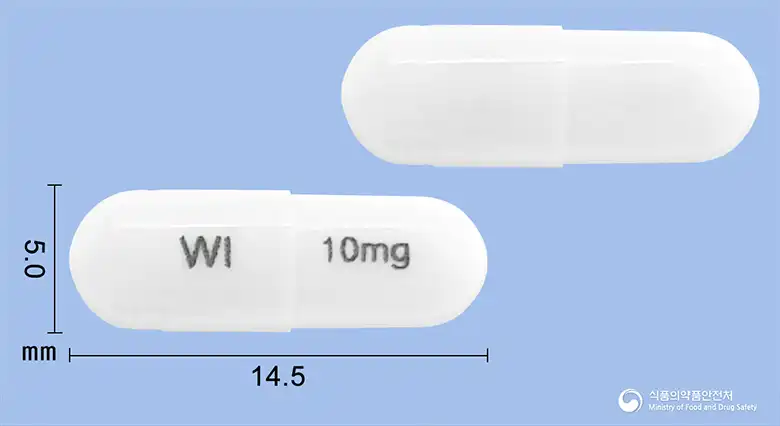
Atomoxetine Hydrochloride 11.43mg
Hard capsule · Prescription medication
Hanin Pharmaceutical Co., Ltd.
Even with the same ingredient, the dose and directions can differ by strength and dosage form. Talk to a doctor or pharmacist before switching from a medication you are already taking.
No questions yet.
For anything that needs medical judgment, consult a doctor or pharmacist.
This drug information is based on data provided by the Korea Ministry of Food and Drug Safety.
Consult a doctor or pharmacist for accurate dosage, administration, and usage instructions.