
 한국어
 English
 日本語
 中文(简体)
 Viewing now
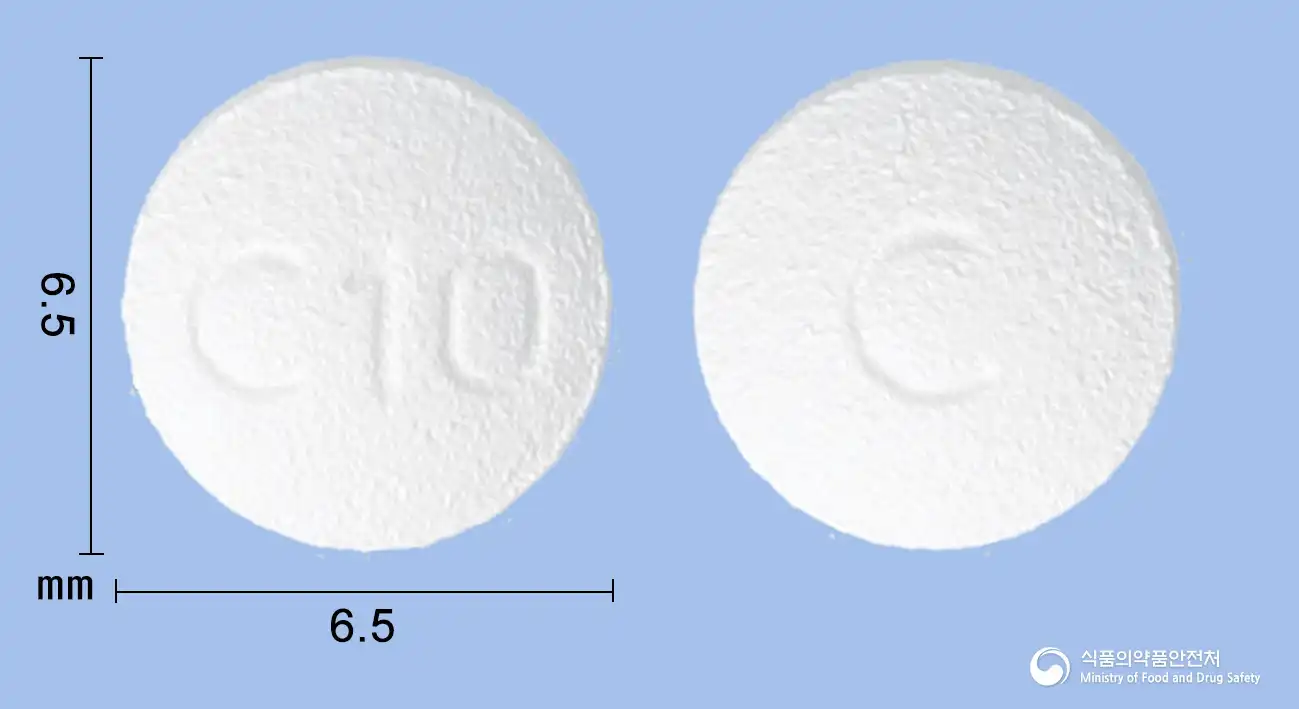
Briveta Tablet 10 mg (Brivaracetam)
Brivaracetam 10mg
Tablet · Prescription medication
Jonggeun Dang Co., Ltd.
MFDS item code 202502512 · Approved 2025.09.23
Adjunctive treatment of partial seizures in patients with epilepsy aged 16 years and older
This medication is used for the treatment of partial seizures in patients with epilepsy aged 16 and older, and is particularly administered as an adjunct to those with or without secondary generalized seizures. It helps improve seizure control by enhancing the effect of the existing treatment, thus contributing to a reduction in the frequency and severity of seizures, which improves quality of life. This medicine is used as an effective adjunctive therapy for managing epilepsy.
Take this medicine twice daily. The recommended initial dose is 25mg or 50mg per dose, based on the healthcare provider’s assessment of the potential side effects in relation to seizure reduction. Based on clinical response and tolerability, the dose may be increased or decreased from 50mg per day[25mg twice daily] to 200mg per day[100mg twice daily]. This medicine is a film-coated tablet. Swallow it whole with water. It may be taken with or without food. If you miss a dose If you miss one or more doses, take one dose as soon as you remember, and then take the next dose at the next morning or evening dose time. When discontinuing treatment If you wish to stop taking this medicine, gradually reduce the dose by 50mg per day at 1-week intervals. After taking 50mg per day for 1 week, a dose of 20mg per day is recommended for the final week (see section ‘1. Warnings’). Elderly patients (65 years and older) Dose adjustment is not required for elderly patients. Clinical experience in elderly patients aged 65 years and older is limited. Renal impairment Dose adjustment is not required in patients with renal impairment. This medicine is not recommended for patients with end-stage renal disease who are receiving hemodialysis. Hepatic impairment Exposure to this medicine is increased in patients with hepatic impairment. The recommended initial dose for patients with hepatic impairment is 50mg per day[25mg twice daily], and the recommended maximum dose is 150mg per day[75mg twice daily].
This medication may cause serious mental health issues such as suicidal thoughts or behaviors, thus it is essential for patients and caregivers to carefully monitor for these symptoms during use. It may affect the central nervous system, leading to symptoms such as drowsiness, fatigue, dizziness, and motor coordination disorders, so caution is needed when driving or operating machinery. Abruptly stopping this medication may lead to increased seizure frequency, so it is safe to taper the dose gradually when discontinuing. Patients allergic to this medication's ingredients or similar substances should not take it, and those with lactose intolerance should also avoid it. Patients with poor liver function may require dose adjustments, so consultation with healthcare providers is necessary. If there are severe skin rashes or allergic reactions during use, discontinue the medication immediately and inform a physician. This medication may interact with other anti-epileptic drugs, so it is crucial to inform healthcare providers about other medications being taken. Generally, this medication should not be administered during pregnancy, and women planning to become pregnant should consult a physician before use. Breastfeeding women should also consult a physician regarding the decision to use this medication, as it may be excreted in breast milk. Use is not recommended for children under 16, as the safety and efficacy of this medication have not been sufficiently established. In case of overdose, symptoms may include drowsiness, dizziness, anxiety, aggression, etc., and since there is no specific antidote, it is essential to visit a medical institution immediately for appropriate treatment. This medication should be kept out of reach of children, and care should be taken not to transfer it to another container, as this may affect its quality.
Not everyone experiences these, and they can vary from person to person.
This medication should be stored in a tightly closed container to protect it from air and humidity. The storage temperature should be maintained between 1 degree and 30 degrees Celsius, avoiding excessively hot or cold places.
White round film-coated tablet
PTP - 30 tablets/box [(10 tablets/PTP*3)]
Even with the same ingredient, strength, dosage form and how it is taken can differ.
Viewing nowBrivaracetam 10mg
Tablet · Prescription medication
Jonggeun Dang Co., Ltd.
Brivaracetam 1g
Solution · Prescription medication
UCB Korea Co., Ltd.
Brivaracetam 10mg
Tablet · Prescription medication
UCB Korea Co., Ltd.
Brivaracetam 25mg
Tablet · Prescription medication
UCB Korea Co., Ltd.
Brivaracetam 50mg
Tablet · Prescription medication
UCB Korea Co., Ltd.
Brivaracetam 100mg
Tablet · Prescription medication
UCB Korea Co., Ltd.
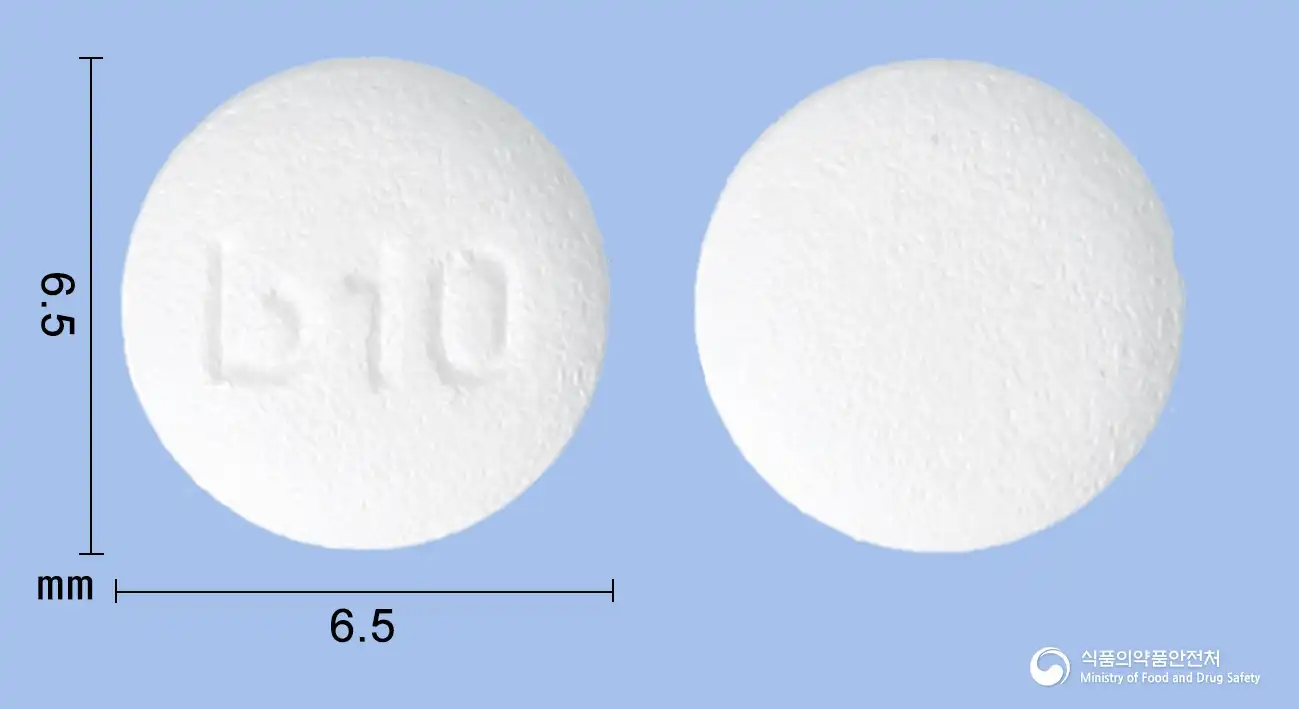
Brivaracetam 10mg
Tablet · Prescription medication
Daewoong Pharmaceutical Co., Ltd.
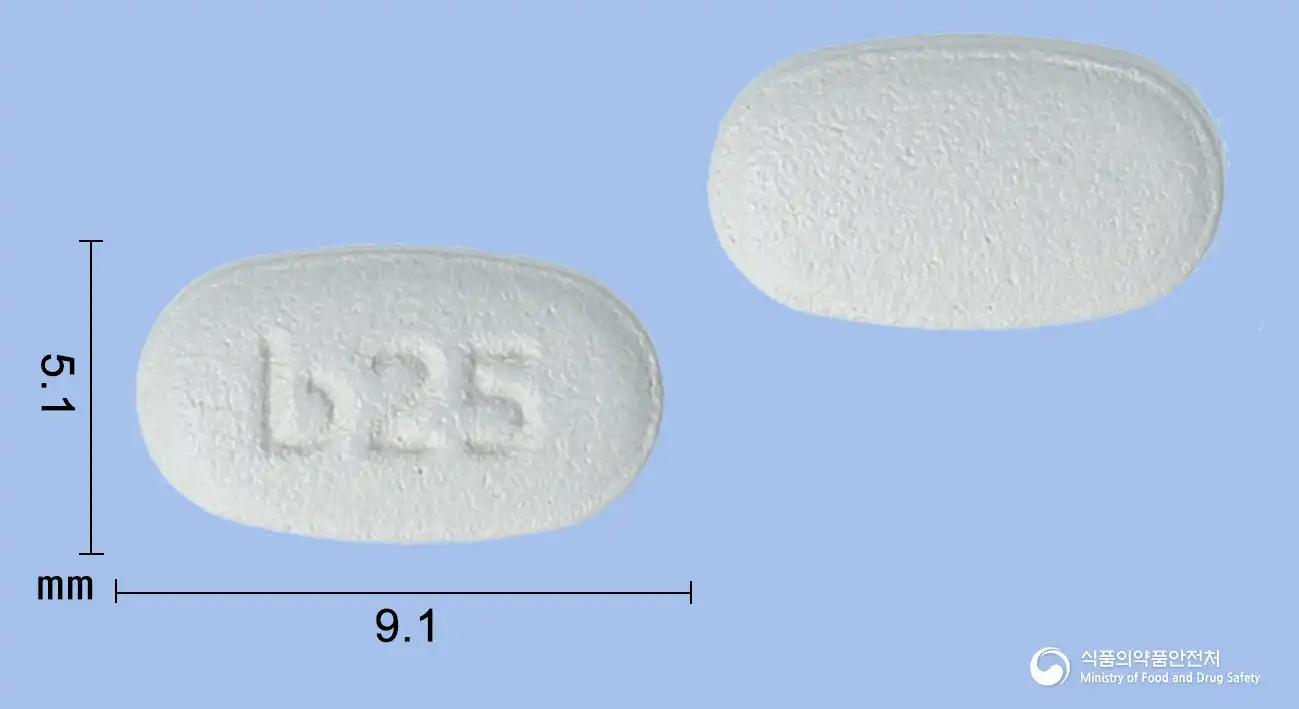
Brivaracetam 25mg
Tablet · Prescription medication
Daewoong Pharm. Co., Ltd.
Even with the same ingredient, the dose and directions can differ by strength and dosage form. Talk to a doctor or pharmacist before switching from a medication you are already taking.
No questions yet.
For anything that needs medical judgment, consult a doctor or pharmacist.
This drug information is based on data provided by the Korea Ministry of Food and Drug Safety.
Consult a doctor or pharmacist for accurate dosage, administration, and usage instructions.