
 한국어
 English
 日本語
 中文(简体)
Dosage form image
Viewing nowUjeditem Injection 250 mg (Risperidone)
Risperidone 250mg
Injections · Prescription medication
Handok Teva Co., Ltd.
MFDS item code 202502350 · Approved 2025.09.05
Treatment of schizophrenia in adults
This medication is used for the treatment of schizophrenia in adults. Schizophrenia is a mental illness that includes hallucinations, delusions, and disturbances in thought and emotion, and this medication helps to alleviate symptoms and improve the patient's daily life.
1. Adults: For patients who have never received risperidone, establish tolerability with oral risperidone before administering this medicine. This medicine must be administered by a healthcare professional as a subcutaneous injection into the abdomen or upper arm and must not be administered by any other route. (See Precautions for Use, “9. Precautions for Administration.”) When switching patients receiving a stabilized dose of oral risperidone to this medicine, start treatment by administering this medicine once every 2 months on the day after the last oral dose. • Switching patients receiving oral risperidone See Table 1 below for how to switch from oral risperidone to this medicine. A loading dose or additional oral risperidone is not recommended when switching. Switching to this medicine has not been studied in patients previously treated with an oral risperidone daily dose exceeding 5mg. Table 1. Recommended doses when switching from daily oral risperidone to this medicine Previous treatment (daily oral risperidone dose) 3mg → Dose of this medicine (administered once every 2 months) 150mg Previous treatment (daily oral risperidone dose) 4mg → Dose of this medicine (administered once every 2 months) 200mg Previous treatment (daily oral risperidone dose) 5mg → Dose of this medicine (administered once every 2 months) 250mg • Switching patients receiving a long-acting risperidone injection Patients may be switched between this medicine and a risperidone injection administered once every month (see Table 2). In this case, administer the first dose of the new regimen on the next scheduled administration date of the original regimen. Adjust the dosing schedule to reflect the change. Table 2. Doses for switching between this medicine and a risperidone injection administered once every month Dose of Yujedi 1M Injection (administered once every month) 75mg → Dose of this medicine (administered once every 2 months) 150mg Dose of Yujedi 1M Injection (administered once every month) 100mg → Dose of this medicine (administered once every 2 months) 200mg Dose of Yujedi 1M Injection (administered once every month) 125mg → Dose of this medicine (administered once every 2 months) 250mg If a dose is missed, administer the next dose as soon as possible. Do not administer more frequently than the recommended schedule. It may be administered within 1 week before or after the last administration date; however, the safety and efficacy of administration more than 1 week outside this period have not been established. 2. Dose adjustment in patients with renal or hepatic impairment This medicine has not been studied in patients with renal or hepatic impairment. 3. Dose adjustment with concomitant use of strong CYP2D6 inhibitors and strong CYP3A4 inducers [See Precautions for Use 6. Drug Interactions] 1) Concomitant use with strong CYP2D6 inhibitors If a strong CYP2D6 inhibitor (e.g., fluoxetine or paroxetine) is initiated in a patient receiving this medicine, risperidone plasma concentrations may increase; therefore, administration of a lower dose of this medicine is recommended before concomitant use of a CYP2D6 inhibitor. The effect of discontinuing a strong CYP2D6 inhibitor on the pharmacokinetics of risperidone and 9-hydroxyrisperidone has not been studied. 2) Concomitant use with strong CYP3A4 inducers When treatment with a strong CYP3A4 inducer (e.g., carbamazepine) is initiated, closely monitor the patient, as dose adjustment of this medicine may be necessary during the first 4~8 weeks. For patients receiving a particular dose of this medicine, consider increasing the dose by one dose level. For patients receiving 250mg of this medicine once every 2 months, additional oral risperidone may be considered. If treatment with a strong CYP3A4 inducer is discontinued, risperidone plasma concentrations may increase; therefore, reassess the dose of this medicine and any additional oral risperidone dose, and reduce the dose of this medicine if necessary.
Caution should be exercised as this medication may increase the risk of death in elderly patients with psychosis related to dementia. In particular, problems related to cardiovascular disease or infections may occur, requiring careful monitoring. Due to the risk of venous thromboembolism, risk factors that can cause thrombosis should be evaluated and preventive measures should be taken before and during administration. This medication should not be given to patients with hypersensitivity to this drug or those who have exhibited allergic reactions to similar medications previously. Patients with heart disease, cerebrovascular disease, hypotension, renal or hepatic impairment, history of seizures, the elderly, pregnant women, and nursing mothers should be administered with caution. During administration, symptoms such as confusion, movement disorders, and postural instability may appear in patients with Parkinson's disease or Lewy body dementia, so caution is necessary. This medication can cause a variety of side effects, including common symptoms such as muscle rigidity, tremors, dizziness, drowsiness, weight gain, and gastrointestinal disturbances. Abnormal reactions such as increased heart rate or orthostatic hypotension, rash, and respiratory distress may also be observed, so the patient's condition should be closely monitored. Rarely, serious side effects such as neuroleptic malignant syndrome may occur, so immediate medical consultation is required if fever, muscle rigidity, or changes in mental state occur. Additionally, tardive dyskinesia, an irreversible movement disorder, may occur, requiring caution with long-term administration. This medication may alter blood glucose and lipid levels, increasing the risk of diabetes or dyslipidemia, hence regular blood tests are recommended. Increased prolactin levels may lead to reproductive dysfunction and breast-related abnormalities, so symptoms should be monitored. Drowsiness or impairment of judgment may occur, so care should be taken when driving or operating dangerous machinery, especially in patients with a history of seizures. During pregnancy, administration may result in extrapyramidal symptoms and withdrawal symptoms in neonates, so pregnant women should consult medical professionals. Nursing mothers should observe for any abnormal symptoms in infants as this medication can be passed through breast milk. There is no specific antidote for overdose, so appropriate treatment and monitoring based on symptoms are necessary. This medication must only be administered subcutaneously by healthcare professionals, and safe usage requires it to be kept at room temperature before administration with gloves being worn. Furthermore, this medication may interact with others that inhibit or induce specific enzymes, necessitating caution when used in combination. While on this medication, regular monitoring of adverse reactions and blood test results is essential, and dosage adjustments or discontinuation of treatment should be considered as needed.
Increased mortality, heart failure, sudden death, pneumonia, anaphylactic reactions, angioedema, Parkinson's disease, inability to sit still, muscle tension abnormalities, tremors, sedation, dizziness, anxiety, blurred vision, nausea, vomiting, upper abdominal pain, gastric discomfort, dyspepsia, diarrhea, excessive salivation, constipation, dry mouth, increased appetite, weight gain, fatigue, rash, nasal congestion, upper respiratory tract infection, nasopharyngitis, oropharyngeal pain, tachycardia, abdominal discomfort, chest pain, weakness, epistaxis, dry skin, orthostatic hypotension, back pain, arthralgia, limb pain, insomnia, dyspnea, urinary tract infection, increased serum creatine phosphokinase, increased heart rate, nasopharyngitis, upper respiratory tract infection, sinusitis, urinary tract infection, increased serum creatine phosphokinase activity, increased heart rate, sinus bradycardia, sinus tachycardia, first-degree AV block, left bundle branch block, right bundle branch block, AV block, ear pain, tinnitus, hyperprolactinemia, conjunctival injection, eye discharge, conjunctivitis, eye rotation, eyelid edema, eye swelling, eyelid margin crusting, dry eyes, increased tear production, photophobia, glaucoma, visual impairment, dysphagia, fecal impaction, fecal incontinence, gastritis, lip edema, cheilitis, xerostomia, peripheral edema, thirst, gait disturbances, chest discomfort, chest pain, influenza-like illness, pituitary edema, edema, chills, lethargy, malaise, facial edema, discomfort, generalized edema, drug withdrawal syndrome, peripheral cold sensation, strange feelings, drug hypersensitivity, pneumonia, influenza, ear infections, viral infections, pharyngitis, tonsillitis, bronchitis, eye infections, localized infections, cystitis, soft tissue infections, otitis media, onychomycosis, peripheral dermatitis, bronchiolitis, respiratory infections, bronchitis, chronic otitis media, increased body temperature, increased serum prolactin, increased alanine aminotransferase, ECG abnormalities, eosinophilia, leukopenia, increased blood sugar, decreased hemoglobin, decreased hematocrit, decreased body temperature, decreased blood pressure, increased aminotransferase, decreased appetite, next day syndrome, anorexia, joint swelling, joint stiffness, musculoskeletal chest pain, postural abnormalities, myalgia, neck pain, muscle weakness, muscle rigidity, rhabdomyolysis, balance disorders, attention deficits, speech disorders, unresponsiveness to stimuli, decreased level of consciousness, movement disorders, transient ischemic attacks, coordination abnormalities, cerebrovascular accidents, language impairment, syncope, loss of consciousness, sensory deficits, delayed movement disorders, cerebral ischemia, cerebrovascular disorders, neuroleptic malignant syndrome, diabetic coma, head tremors, agitation, blunted affect, confusional state, insomnia, hyperesthesia, sleep disturbances, indifference, decreased libido, hyperesthesia, nocturia, dysuria, frequency of urination, urinary incontinence, irregular menstrual periods, amenorrhea, gynecomastia in males, overflow incontinence, vaginal discharge, menstrual disorders, erectile dysfunction, retrograde ejaculation, ejaculation disorders, sexual dysfunction, breast enlargement, wheezing, aspiration pneumonia, sinus congestion, voice disorders, productive cough, pulmonary congestion, respiratory congestion, wheezing sounds, respiratory distress, breathing, nasal edema, erythema, skin discoloration, skin lesions, pruritus, skin disorders, erythematous rashes, papular rashes, acne, hyperkeratosis, seborrheic dermatitis, generalized rash, maculopapular rash, hypotension, flushing, alopecia, atrial fibrillation, cardiopulmonary arrest, tension, diabetic ketoacidosis in glucose metabolism disorder patients, taste disturbances, hypoglycemia, hypothermia, bowel obstruction, inappropriate antidiuretic hormone secretion, intestinal obstruction, jaundice, mania, pancreatitis, pituitary adenomas, precocious puberty, pulmonary embolism, QT prolongation, sleep apnea syndrome, somnambulism, Stevens-Johnson syndrome, toxic epidermal necrolysis, sudden death, thrombocytopenia, thrombotic thrombocytopenic purpura, urinary stasis, water intoxication, stroke, transient ischemic attacks, high fever, muscle rigidity, delirium, changes in mental status, autonomic instability, sweating, cardiac rhythm disorders, elevated creatine phosphokinase, myoglobinuria, acute renal failure, delayed movement disorders, hyperglycemia, dyslipidemia, weight gain, overflow incontinence, amenorrhea, gynecomastia, erectile dysfunction, drowsiness, syncope, seizures, hyponatremia, hypokalemia, QT prolongation, widened QRS, convulsions, persistent erection, hyperthermia, hypothermia, severe pruritus, nodules, pruritus, erythema, tumors, swelling
Not everyone experiences these, and they can vary from person to person.
This medication should be stored in a sealed container to protect it from air and light exposure, preferably at refrigerated temperatures between 2 degrees and 8 degrees. Storing it this way helps maintain the drug's effectiveness for a prolonged period.
An opaque solid that is white to light gray under refrigerated conditions, and an opaque suspension that is white to light gray in a colorless, transparent prefilled syringe at room temperature.
1 prefilled syringe/box [prefilled syringe (250 mg/0.70 mL)] - 250 mg/prefilled syringe [prefilled syringe (250 mg/0.70 mL)]
Even with the same ingredient, strength, dosage form and how it is taken can differ.
Risperidone 250mg
Injections · Prescription medication
Handok Teva Co., Ltd.
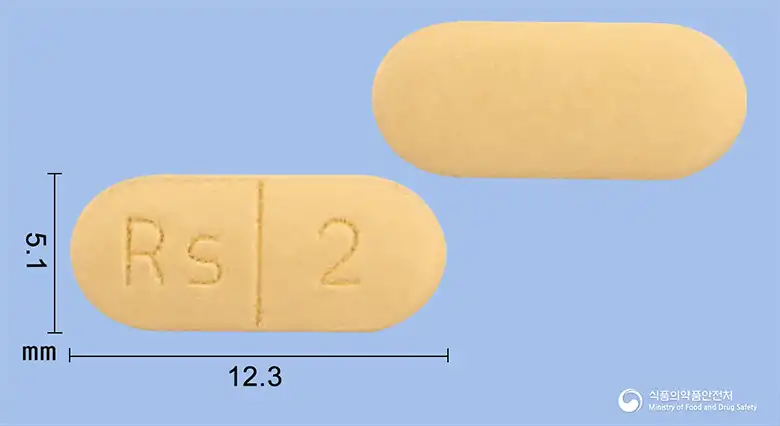
Risperidone 2mg
Tablet · Prescription medication
Myungin Pharmaceutical Co., Ltd.
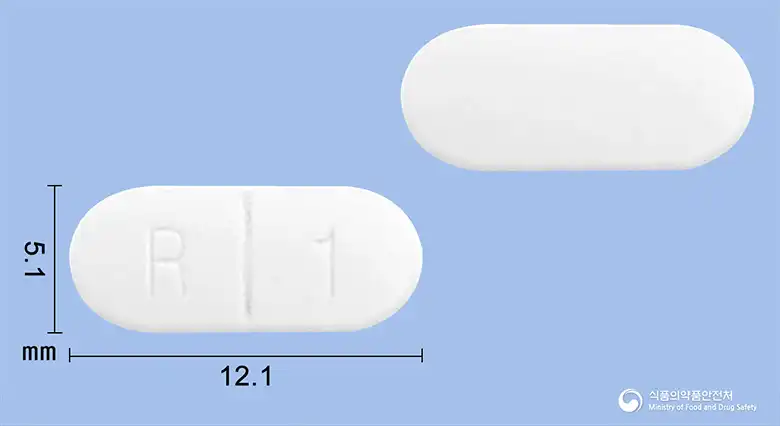
Risperidone 1mg
Tablet · Prescription medication
Han-in Pharmaceutical Co., Ltd.
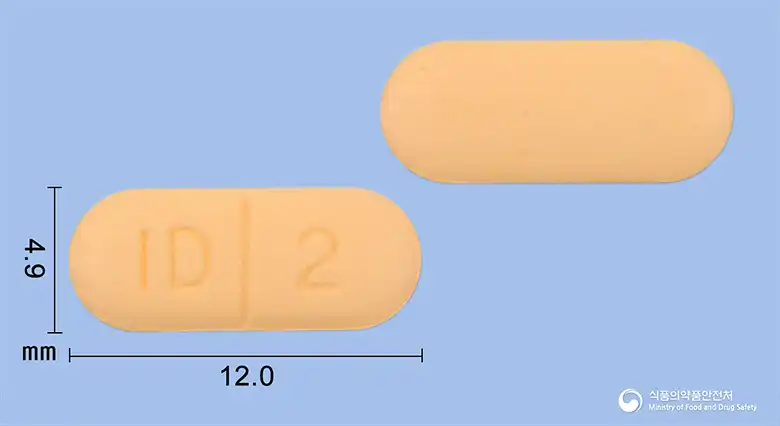
Risperidone 2mg
Tablet · Prescription medication
Ildong Pharmaceutical Co., Ltd.
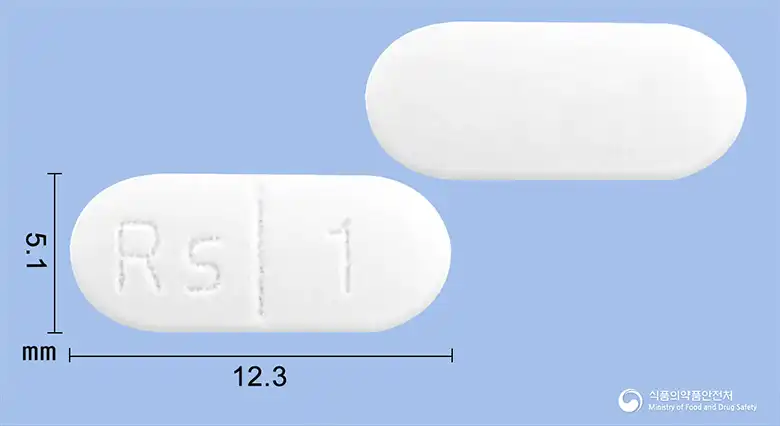
Risperidone 1mg
Tablet · Prescription medication
Myungin Pharmaceutical Co., Ltd.
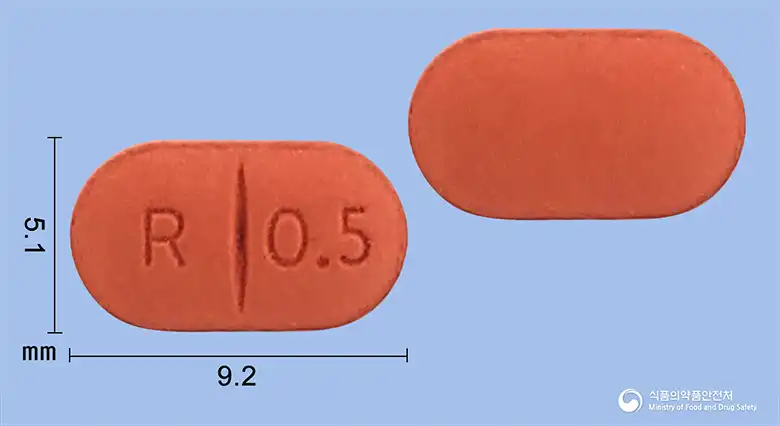
Risperidone 0.5mg
Tablet · Prescription medication
Hwanin Pharmaceutical Co., Ltd.

Risperidone 2mg
Tablet · Prescription medication
Unimed Pharmaceuticals Co., Ltd.
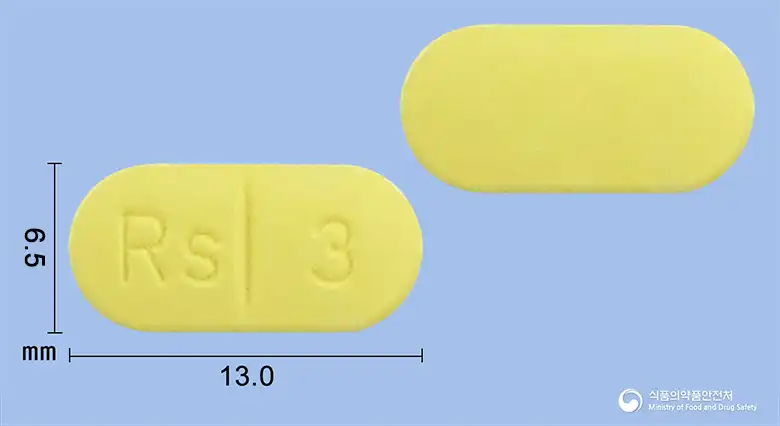
Risperidone 3mg
Tablet · Prescription medication
Myungjin Pharmaceutical Co., Ltd.
Even with the same ingredient, the dose and directions can differ by strength and dosage form. Talk to a doctor or pharmacist before switching from a medication you are already taking.
No questions yet.
For anything that needs medical judgment, consult a doctor or pharmacist.
This drug information is based on data provided by the Korea Ministry of Food and Drug Safety.
Consult a doctor or pharmacist for accurate dosage, administration, and usage instructions.