
 한국어
 English
 日本語
 中文(简体)
Dosage form image
Viewing nowAdrality Patch 10mg/day (Donepezil Hydrochloride Monohydrate)
Donepezil Hydrochloride Hydrate 193.7mg
Prescription medication
Albozen Korea Co., Ltd.
MFDS item code 202502152 · Approved 2025.08.19
Treatment of symptoms of Alzheimer-type dementia
This medicine is used for the treatment of symptoms of Alzheimer's dementia.
The recommended starting dose of this product is 5mg daily. After 4 weeks~6 weeks, the dose may be increased to the maximum recommended dose of 10mg daily. Apply 1 patch to the skin once weekly. Doses exceeding 10mg daily have not been evaluated. Patients receiving oral donepezil 5mg or 10mg may be switched to this product. On the day of the last dose of the oral medication, use the oral medication and the patch together. • Oral donepezil at a dose of 5mg daily: 1 patch of this product (5mg/day) • Oral donepezil at a dose of 10mg daily: 1 patch of this product (10mg/day) • If the dose of oral donepezil is increased to 10mg daily after taking 5mg for 4 weeks~6 weeks, this product may be used at 10mg/day. Women aged 85 years or older with low body weight Since adverse reactions occur more frequently, careful monitoring is required. Elderly women with low body weight should not exceed 1 patch (5mg/day). Each patch delivers 5mg or 10mg of donepezil daily for 7 days (1-week cycle). After 7 days, remove the used patch and apply a new one. Apply only 1 patch at a time. If the patch falls off the skin or a dose is missed, apply a new patch immediately and replace it 7 days later to begin a new 1-week cycle.
This medication is a transdermal patch containing donepezil hydrochloride, used for the treatment of symptoms of Alzheimer's dementia. This medication should not be used in patients with an allergy to donepezil, piperidine derivatives, or any components of the medication, as well as in pregnant women or those who may become pregnant, and nursing mothers. Patients with heart disease or cardiac conduction disorders should use this medication cautiously as it may stimulate the vagus nerve, causing bradycardia or arrhythmias. Patients taking non-steroidal anti-inflammatory drugs or with a history of peptic ulcers should be careful as gastric acid secretion and gastrointestinal motility may be enhanced, worsening symptoms. Patients with asthma or obstructive pulmonary diseases may experience exacerbation of symptoms due to bronchoconstriction and increased mucus secretion, so caution is advised. Patients with extrapyramidal disorders such as Parkinson's disease may have an increased risk of symptom worsening due to the cholinergic nerve stimulation of this medication. Serious side effects reported include syncope, bradycardia, heart block, gastrointestinal bleeding, liver dysfunction, cerebrovascular disorders, movement disorders, neuroleptic malignant syndrome, rhabdomyolysis, respiratory distress, acute pancreatitis, acute renal failure, and sudden death. If symptoms occur, discontinue use immediately and consult a healthcare professional. Common side effects may include headache, dizziness, nausea, vomiting, diarrhea, insomnia, muscle cramps, rash, fatigue, anxiety, hallucinations, etc. This medication is approved for use only in patients with Alzheimer's dementia and should not be used for other types of dementia or memory disorders. During treatment, regular monitoring of heart condition is required, and gastrointestinal symptoms or skin reactions should also be closely observed. Caution is needed when driving or operating machinery, as dizziness or fatigue may occur. Pregnant or nursing women are advised against using this medication, and professional consultation is essential if absolutely necessary. Since this medication is metabolized by specific liver enzymes, drug interactions may occur with concurrent use, so it is crucial to inform healthcare providers about any other medications being taken. In case of overdose, serious symptoms such as nausea, vomiting, severe bradycardia, hypotension, respiratory suppression, and seizures may appear, and emergency treatment is required. Apply the patch to clean and dry skin, and avoid repeating the application to the same area. Change it every 7 days. After use, wash hands thoroughly and be careful not to rub eyes with hands that touched the patch. Store in a refrigerator (2-8 degrees Celsius) in a special container that does not allow light to enter, and keep sealed until use.
Not everyone experiences these, and they can vary from person to person.
This medication is sensitive to light, so it must be stored in a special container that prevents light entry. It is also important to store it at a refrigeration temperature between 2 and 8 degrees Celsius to maintain its efficacy.
A transdermal patch consisting of a blue-colored release liner and a white to cream-colored support with a brownish-yellow embossed rectangular covering with rounded corners.
4 sheets/box [(1 sheet/pack X 4)]
Even with the same ingredient, strength, dosage form and how it is taken can differ.
Donepezil Hydrochloride Hydrate 193.7mg
Prescription medication
Albozen Korea Co., Ltd.
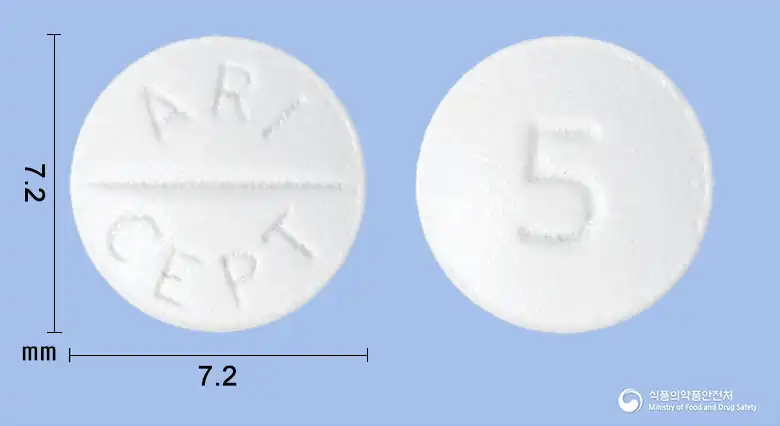
Donepezil Hydrochloride 5mg
Tablet · Prescription medication
HanDoc Co., Ltd.
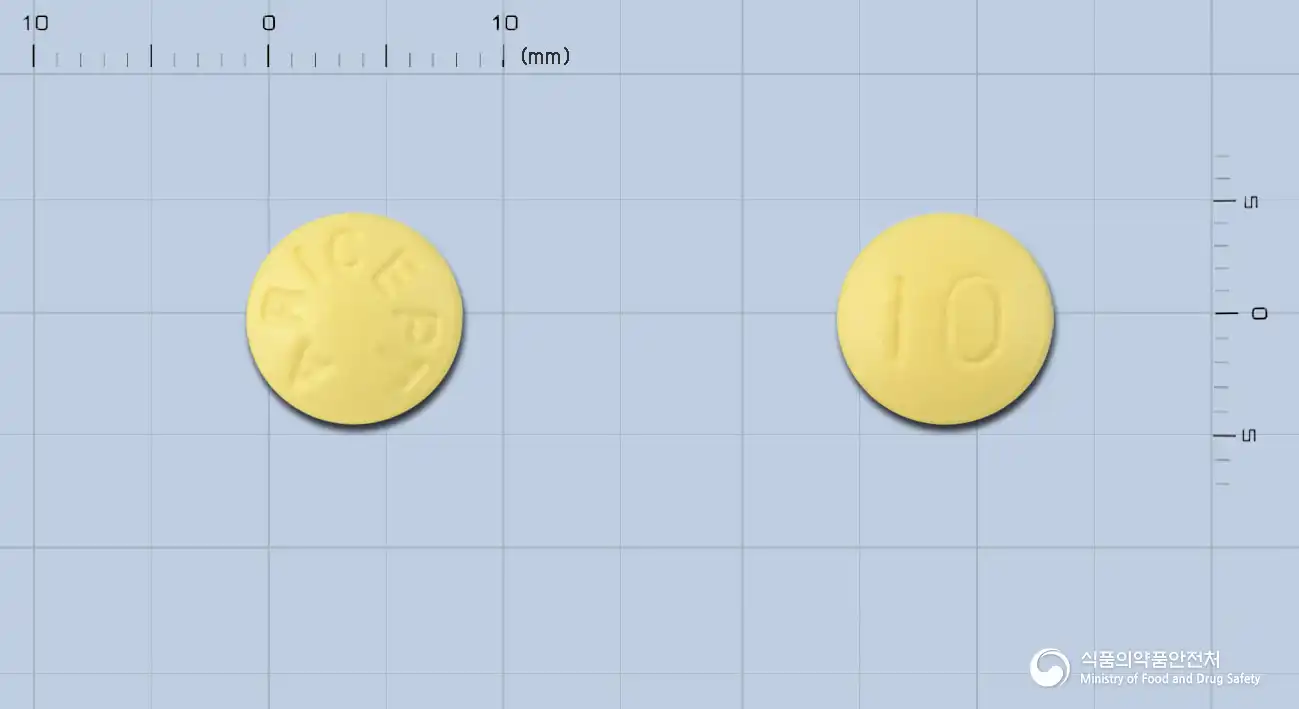
Donepezil Hydrochloride 10mg
Tablet · Prescription medication
Hanmi Pharmaceutical Co., Ltd.

Donepezil Hydrochloride Hydrate 10.43mg
Tablet · Prescription medication
IYun Pharmaceuticals Co., Ltd.
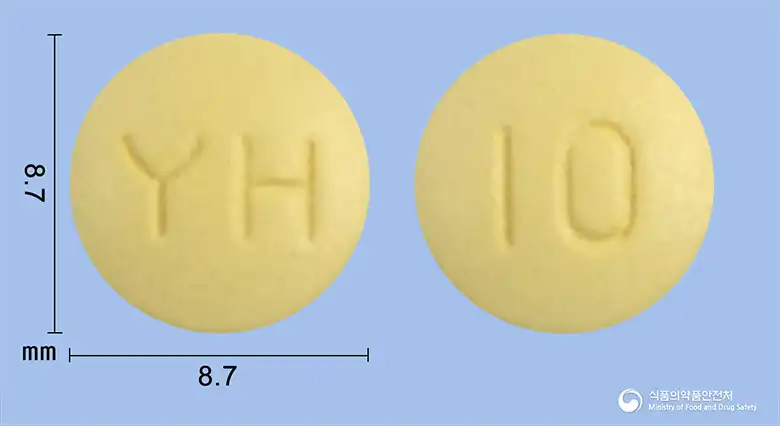
Donepezil Hydrochloride Hydrate 10.43mg
Tablet · Prescription medication
Yuhan Corporation
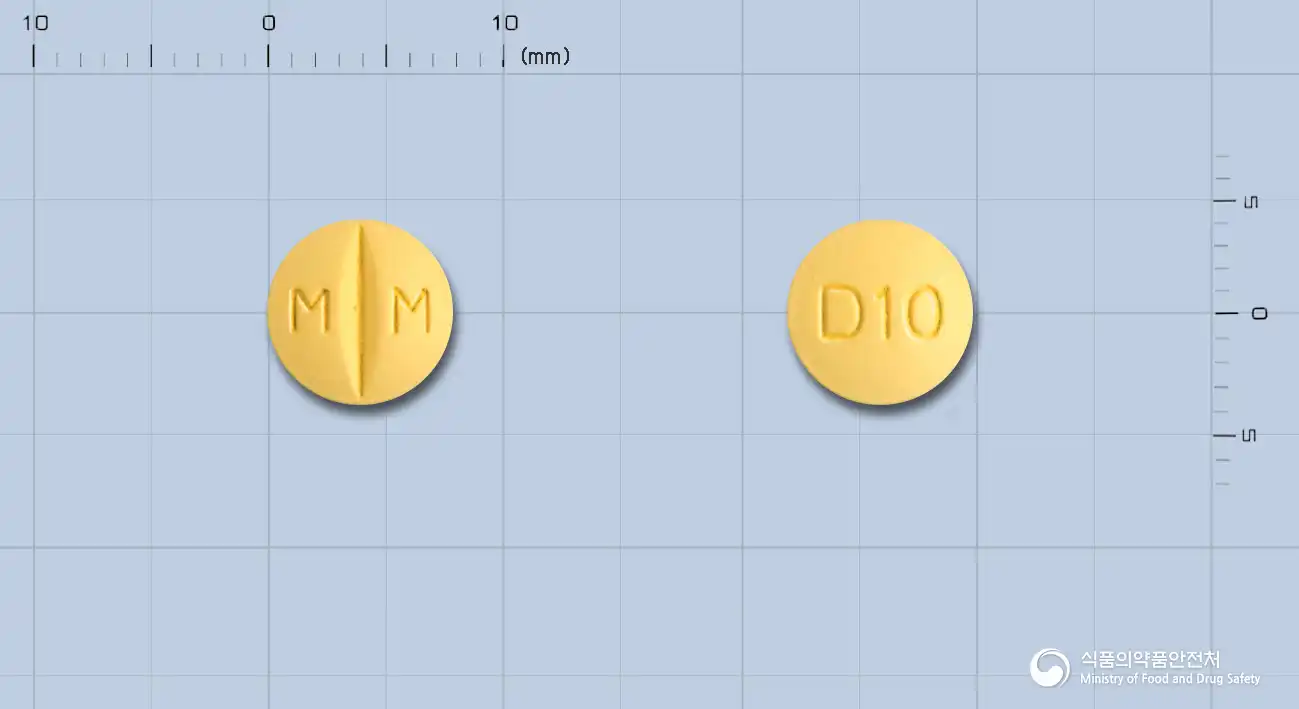
Donepezil Hydrochloride Hydrate 10.43mg
Tablet · Prescription medication
Myungmoon Pharmaceutical Co., Ltd.
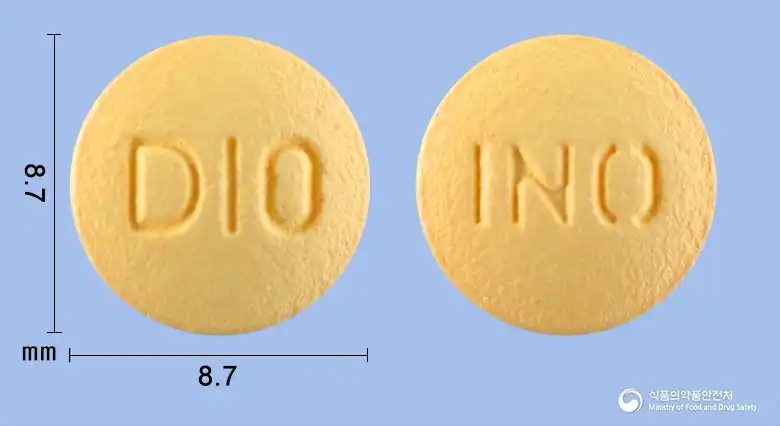
Donepezil Hydrochloride Hydrate 10.43mg
Tablet · Prescription medication
HK inno.N Co., Ltd.
Donepezil Hydrochloride 10mg
Tablet · Prescription medication
Celltrion Pharmaceutical Co., Ltd.
Even with the same ingredient, the dose and directions can differ by strength and dosage form. Talk to a doctor or pharmacist before switching from a medication you are already taking.
No questions yet.
For anything that needs medical judgment, consult a doctor or pharmacist.
This drug information is based on data provided by the Korea Ministry of Food and Drug Safety.
Consult a doctor or pharmacist for accurate dosage, administration, and usage instructions.