
 한국어
 English
 日本語
 中文(简体)
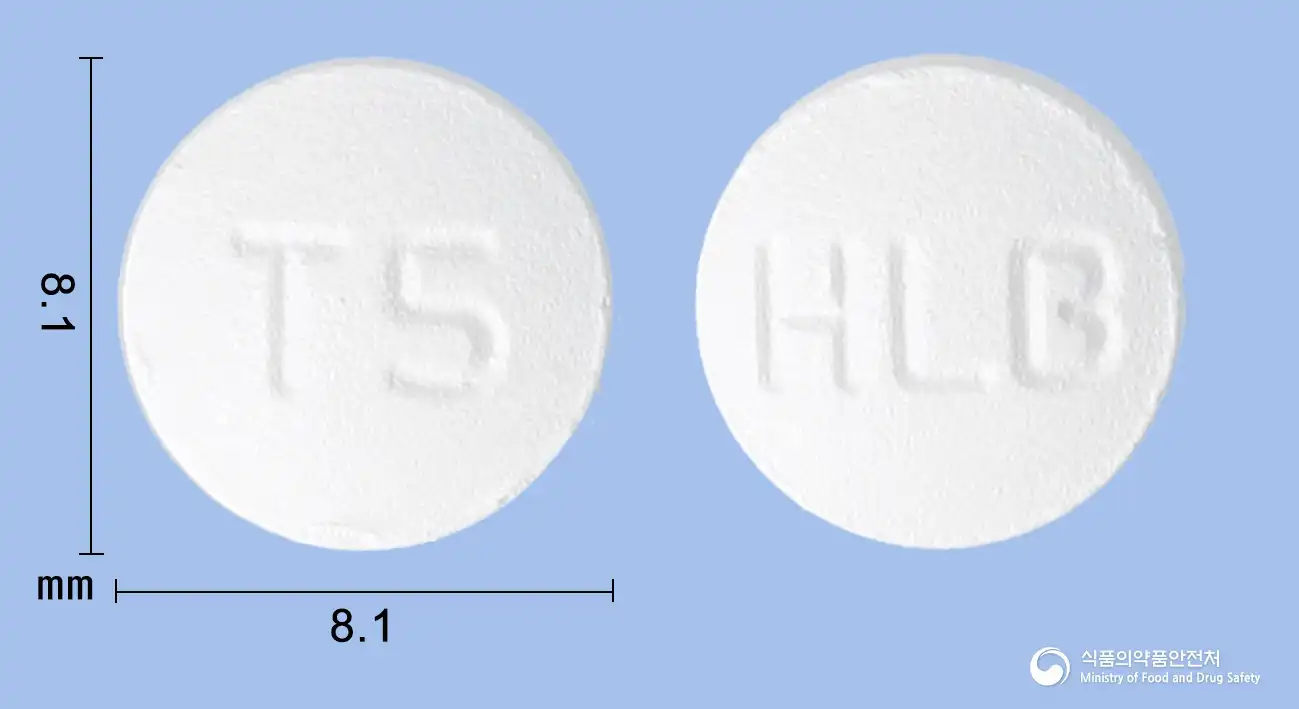 Viewing now
HLB Tofacitinib Tablets 5 mg (Tofacitinib Citrate)
Tofacitinib Citrate 8.078mg
Tablet · Prescription medication
HLB Pharmaceuticals Co., Ltd.
MFDS item code 202502131 · Approved 2025.08.18 · Insurance code 647304720
Treatment of arthritis (rheumatoid and psoriatic), ankylosing spondylitis, and ulcerative colitis
This drug is used in adult patients who do not adequately respond to or cannot tolerate existing therapies. Caution is especially required in patients over 65 years old or those at high cardiovascular risk or with malignancy risks. In rheumatoid arthritis patients, it is used in moderate to severe active states in combination with methotrexate or other non-biological DMARDs, and should not be combined with strong immunosuppressants. In psoriatic arthritis, it targets adults who do not respond to or cannot tolerate DMARDs, and is administered alongside methotrexate. It is also used in patients with ankylosing spondylitis and moderate to severe active ulcerative colitis when existing treatments are ineffective or not tolerated. This drug is utilized as an alternative therapy when existing treatments are not effective for each condition.
Recommended dosage for rheumatoid arthritis, psoriatic arthritis, and ankylosing spondylitis The recommended dose of this product is 5 mg twice daily. Adults: 5 mg twice daily Patients receiving strong CYP3A4 inhibitors (e.g., ketoconazole), or moderate CYP3A4 inhibitors and strong CYP2C19 inhibitors (e.g., fluconazole): 5 mg once daily Patients with moderate or severe renal impairment, or moderate hepatic impairment: 5 mg once daily ALC less than 500 cells/mm3 (confirmed by repeat testing): Discontinue treatment ANC 500-1,000 cells/mm3: Temporarily interrupt treatment. When the ANC is greater than 1,000 cells/mm3, resume this product at 5 mg twice daily. ANC less than 500 cells/mm3: Discontinue treatment Hemoglobin decrease of more than 2 g/dL or hemoglobin less than 8.0 g/dL: Temporarily interrupt treatment until hemoglobin levels return to normal Recommended dosage for ulcerative colitis Adults: Administer 10 mg twice daily for at least 8 weeks, then administer 5 mg or 10 mg twice daily according to treatment response. Use the lowest effective dose for maintenance. If adequate therapeutic benefit is not achieved after administering 10 mg twice daily for 16 weeks, discontinue treatment. Patients receiving strong CYP3A4 inhibitors (e.g., ketoconazole), or moderate CYP3A4 inhibitors and strong CYP2C19 inhibitors (e.g., fluconazole): If receiving this product at 10 mg twice daily, reduce the dose to 5 mg twice daily. If receiving this product at 5 mg twice daily, reduce the dose to 5 mg once daily. Patients with moderate or severe renal impairment, or moderate hepatic impairment: If receiving this product at 10 mg twice daily, reduce the dose to 5 mg twice daily. If receiving this product at 5 mg twice daily, reduce the dose to 5 mg once daily. ALC less than 500 cells/mm3 (confirmed by repeat testing): Discontinue treatment ANC 500-1,000 cells/mm3: If receiving this product at 10 mg twice daily, reduce the dose to 5 mg twice daily. When the ANC is greater than 1,000 cells/mm3, increase the dose again to 10 mg twice daily according to clinical response. If previously receiving this product at 5 mg twice daily, temporarily interrupt treatment. When the ANC is greater than 1,000 cells/mm3, resume this product at 5 mg twice daily. ANC less than 500 cells/mm3: Discontinue treatment Hemoglobin decrease of more than 2 g/dL or hemoglobin less than 8.0 g/dL: Temporarily interrupt treatment until hemoglobin levels return to normal
This medication acts by modulating the immune system to reduce inflammation. However, it increases the risk of serious infections, particularly pneumonia, tuberculosis, and shingles, so infections should be carefully checked and monitored before and during treatment. If an infection is discovered, this medication should be discontinued immediately and treated. In patients over 50 years old with cardiovascular risk factors, the likelihood of cardiovascular issues, such as heart attacks or strokes, may increase. Therefore, these patients should use this medication cautiously, especially avoiding high doses. During treatment, there may be an increased risk of malignancies, particularly lymphomas or lung cancer. Patients who smoke, are elderly, or have a history of cancer should take special care when using this medication. There may also be an increased risk of thrombosis in the blood, meaning a blood clot may form in blood vessels, so patients should report immediately to healthcare providers if they experience symptoms such as leg pain or swelling, or sudden shortness of breath. Patients with impaired liver function or severe liver disease should not use this medication, while those with mild or moderate liver dysfunction may require dose adjustments. Women who are pregnant or may become pregnant should not take this medication, and certain genetic disorders, like lactose intolerance, should also avoid it. Regular blood tests should be conducted to check white blood cell count, lymphocyte count, hemoglobin levels, and liver enzyme levels during treatment; if abnormalities are found, dose adjustments or cessation may be necessary. Additionally, this medication should not be administered with live vaccines, so patients needing vaccinations should consult with their doctor to determine the appropriate timing. Common side effects include headaches, infections, dyspepsia, skin rashes, fatigue, and if serious allergic reactions occur, the medication should be stopped immediately and healthcare providers notified. Finally, this medication also requires dose adjustments in patients with reduced kidney function, so assessing kidney function is important.
Serious infections, pneumonia, shingles, urinary tract infections, sinusitis, bronchitis, nasopharyngitis, pharyngitis, tuberculosis, diverticulitis, pyelonephritis, soft tissue infections, herpes simplex, viral gastroenteritis, viral infections, sepsis, central nervous system tuberculosis, cryptococcal meningitis, urinary sepsis, disseminated tuberculosis, necrotizing fasciitis, bacteremia, staphylococcal bacteremia, Pneumocystis pneumonia, pneumococcal pneumonia, bacterial pneumonia, encephalitis, atypical mycobacterial infection, Mycobacterium avium complex infection, cytomegalovirus infection, bacterial arthritis, anemia, leukopenia, lymphopenia, neutropenia, drug hypersensitivity reactions, hyperlipidemia, dyslipidemia, dehydration, insomnia, headache, paresthesia, hypertension, venous thromboembolism, cough, shortness of breath, sinus congestion, abdominal pain, vomiting, diarrhea, nausea, gastritis, indigestion, hepatic steatosis, rash, acne, erythema, itching, arthralgia, musculoskeletal pain, joint swelling, tendinitis, peripheral edema, fever, fatigue, gamma-glutamyl transferase elevation, increased blood cholesterol, weight gain, increased serum creatine phosphokinase, elevated liver enzymes, elevated aminotransferases, abnormal liver function tests, increased serum creatinine, elevated low-density lipoprotein, ligament sprain, muscle tension, myasthenia, chest discomfort, generalized edema, facial swelling, acute pyelonephritis, peritonsillar abscess, fungal sinusitis, synovitis, rheumatoid nodules, mononeuritis, dizziness, post-herpetic neuralgia, constipation, oral ulcer formation, tachycardia, prostate cancer, dysuria, interstitial lung disease, wet cough, deep vein thrombosis, alopecia, dermatitis, eczema, skin disorders, weight loss, exacerbation of ulcerative colitis, gastroesophageal reflux disease, amenorrhea, atrophic vaginitis, cervical polyp, cervical inflammation, irregular menstruation, onycholysis, skin hyperpigmentation, increased appetite, essential thrombocythemia, uterine leiomyoma, pain, fracture, angioedema, urticaria, anaphylaxis, aseptic meningitis, varicella-zoster virus infection, drug-induced liver injury, liver damage, pulmonary embolism, deep vein thrombosis, arterial thrombosis, lymphoma, lung cancer, breast cancer, melanoma, pancreatic cancer, prostate cancer, malignant melanoma, Epstein-Barr virus-associated lymphoproliferative disorder after organ transplantation
Not everyone experiences these, and they can vary from person to person.
This medication may be sensitive to air and moisture, so it must be stored in a tightly sealed container. Additionally, keep the medication at room temperature between 1°C and 30°C, avoiding extremes of heat or cold.
White circular film-coated tablets
30 tablets/bottle
Even with the same ingredient, strength, dosage form and how it is taken can differ.
Viewing nowTofacitinib Citrate 8.078mg
Tablet · Prescription medication
HLB Pharmaceuticals Co., Ltd.
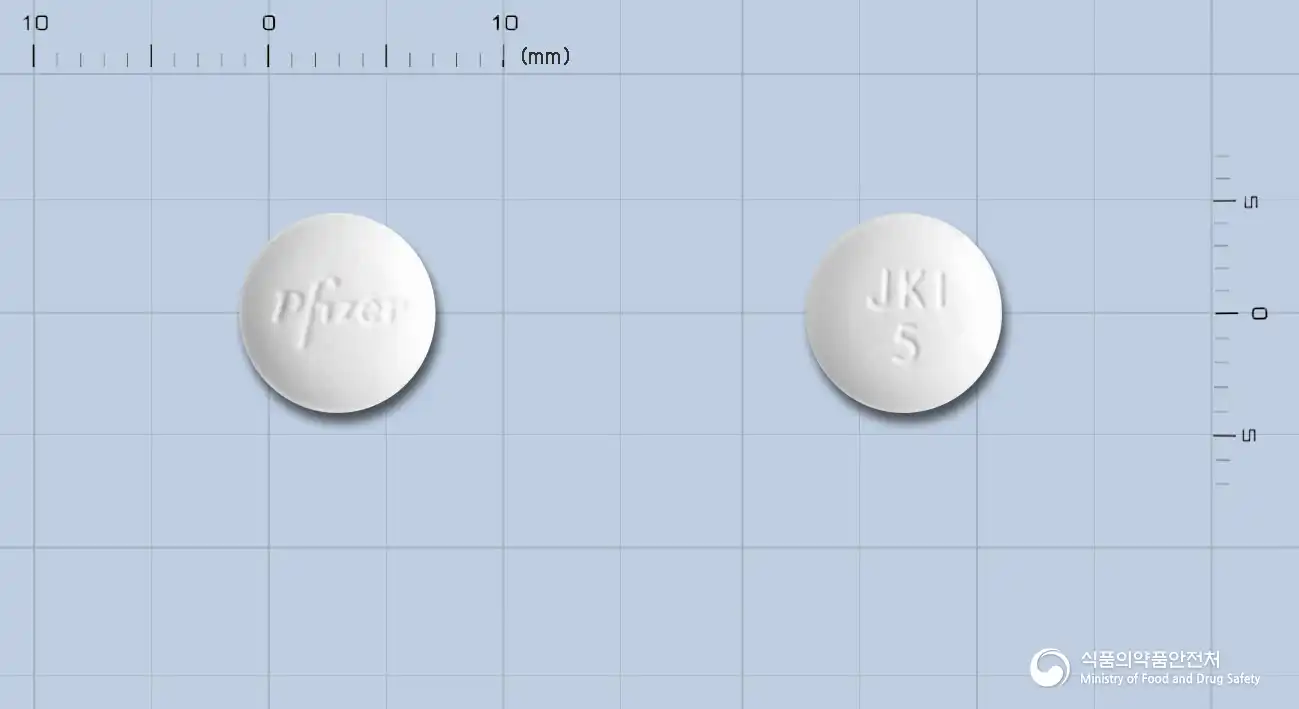
Tofacitinib Citrate 8.078mg
Tablet · Prescription medication
Pfizer Korea Co., Ltd.
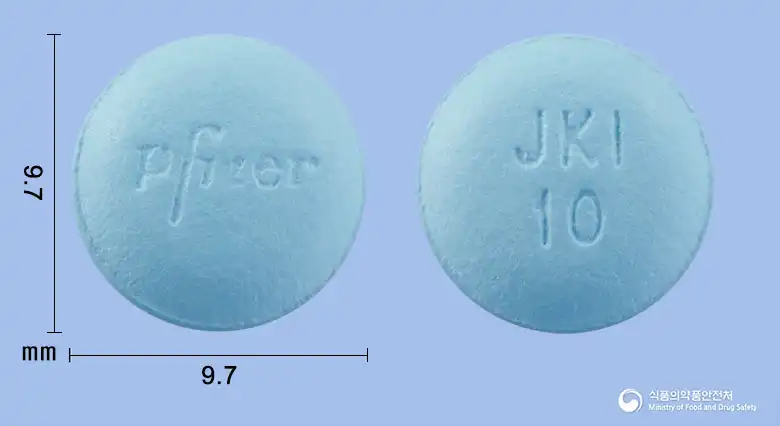
Tofacitinib Citrate 16.155mg
Tablet · Prescription medication
Pfizer Korea Co., Ltd.
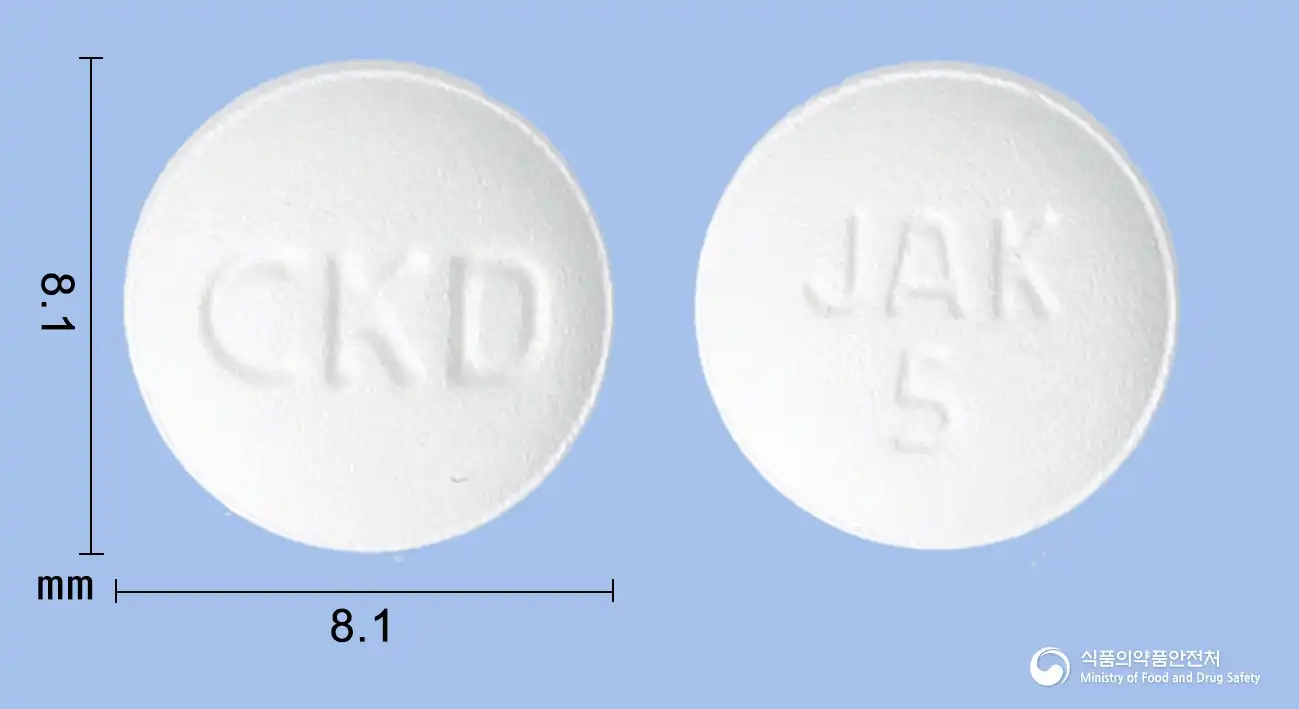
Tofacitinib Citrate
Tablet · Prescription medication
Jongkundang Co., Ltd.
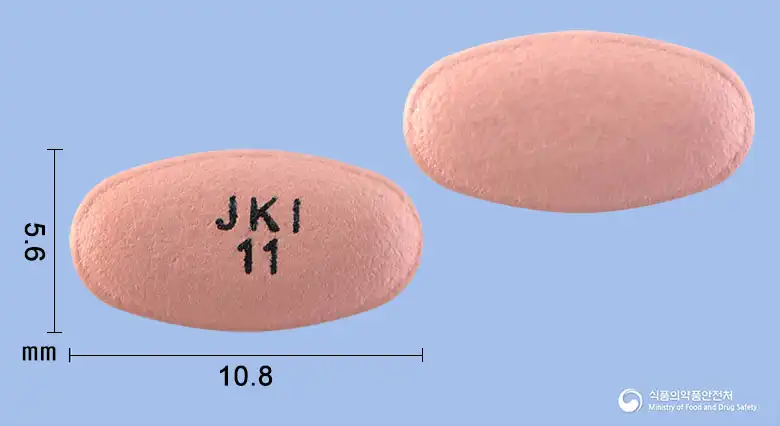
Tofacitinib Citrate 17.771mg
Tablet · Prescription medication
Pfizer Korea Co., Ltd.
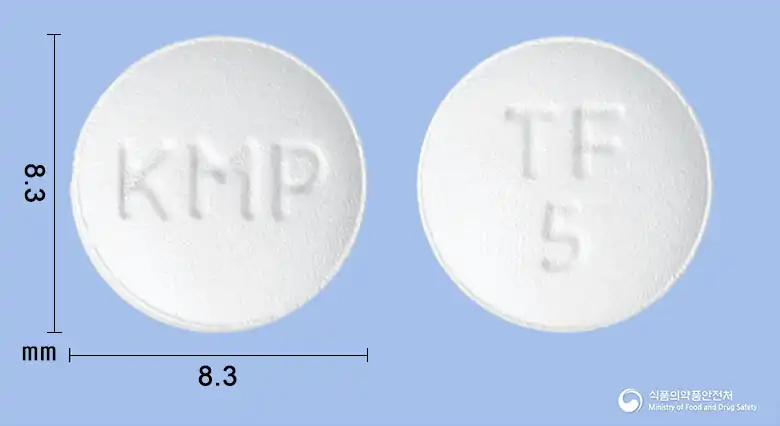
Tofacitinib Citrate 8.078mg
Tablet · Prescription medication
Genufarma Co., Ltd.
Tofacitinib Citrate 8.078mg
Tablet · Prescription medication
Hanpung Pharm Co., Ltd.
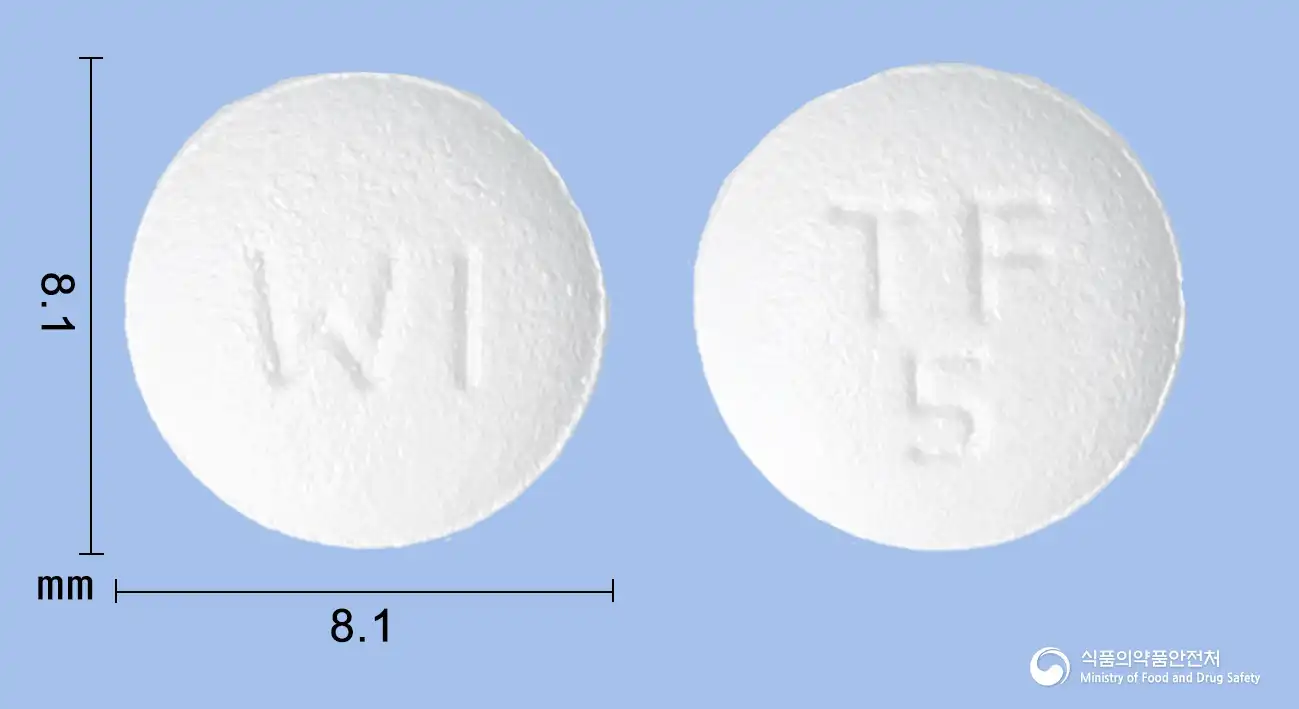
Tofacitinib Citrate 8.078mg
Tablet · Prescription medication
Hanmi Pharmaceutical Co., Ltd.
Even with the same ingredient, the dose and directions can differ by strength and dosage form. Talk to a doctor or pharmacist before switching from a medication you are already taking.
No questions yet.
For anything that needs medical judgment, consult a doctor or pharmacist.
This drug information is based on data provided by the Korea Ministry of Food and Drug Safety.
Consult a doctor or pharmacist for accurate dosage, administration, and usage instructions.