
 한국어
한국어 English
 日本語
日本語 中文(简体)
 Viewing nowCombination
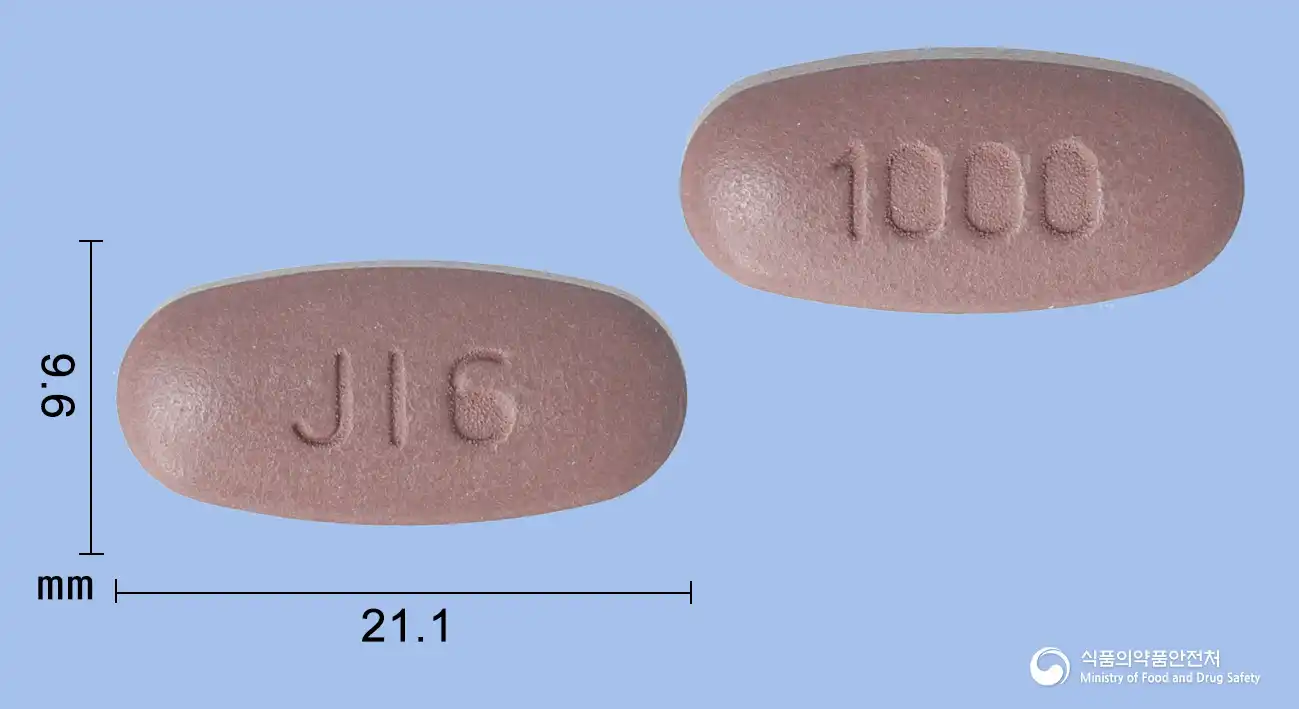
Zefazine Duo Tablet 12.5/1000 mg (Empagliflozin, Metformin Hydrochloride)
Empagliflozin 12.5mg · Metformin Hydrochloride 1000mg
Tablet · Prescription medication · Combination
Jeil Pharmaceutical Co., Ltd.
MFDS item code 202501820 · Approved 2025.07.17 · Insurance code 645406590
Blood sugar control in adults with type 2 diabetes and prevention of cardiovascular events
This medication is used to improve blood sugar control in adults with type 2 diabetes, in conjunction with diet and exercise. It specifically aids in effectively managing blood sugar by combining empagliflozin and metformin. It can also be used in patients whose blood sugar control is insufficient and who have concomitant cardiovascular diseases, in which case, precautions regarding the risk of cardiovascular events must be confirmed. This medication helps with blood sugar control to improve diabetes management.
The recommended dose of this medication is 1 tablet once, twice a day. To reduce gastrointestinal side effects associated with metformin, it should be taken with meals. The dosage should be determined based on the patient's current treatment regimen, efficacy, and tolerance, without exceeding the maximum daily recommended doses of empagliflozin 25 mg and metformin 2000 mg respectively. For patients who cannot achieve adequate blood sugar control with metformin alone or in combination with other medications such as insulin, the recommended dosage is empagliflozin 5 mg twice a day (total daily dose of 10 mg) and the existing dosage of metformin. If good tolerance to empagliflozin 10 mg (total daily dose) is achieved but additional blood sugar control is needed, the dose may be increased to empagliflozin 25 mg (total daily dose). For patients transitioning to this medication from a combination therapy of empagliflozin (total daily dose of 10 mg or 25 mg) and metformin, the existing doses of empagliflozin and metformin should be used. When using this medication in conjunction with sulfonylureas or insulin, a reduction in the dosage of sulfonylureas or insulin should be considered to minimize the risk of occurring hypoglycemia (refer to precautions 4. Adverse reactions and 6. Interactions). This medication should be taken with meals to minimize gastrointestinal side effects associated with metformin. If a dose is missed, it should be taken as soon as remembered. However, do not take double doses at once; in such cases, skip over the missed dose.
This drug can cause severe lactic acidosis, so caution is required, especially in patients with poor kidney function or cardiovascular diseases. Additionally, when used with insulin or sulfonylureas, there is a risk of hypoglycemia, so blood glucose levels should be closely monitored. It should not be administered to patients who have allergies to any components included in this drug or have severe renal impairment, acute infections, heart failure, diabetic ketoacidosis, and other specific conditions. Before and after tests using iodinated contrast agents, this medication should be temporarily discontinued and renal function should be checked before resuming. It is safest for pregnant or breastfeeding women to avoid taking this drug. This medication can be affected by kidney function, so regular renal function tests should be performed before and during treatment. Patients at risk of decreased fluid volume, such as those with dehydration, severe diarrhea, or vomiting, need particular attention. During the course of taking this medication, urinary and genital infections may occur; if symptoms of infection arise, immediate consultation with healthcare professionals is advised. Vitamin B12 levels may decrease, so regular blood tests are recommended for those on long-term treatment. Intake of alcohol can increase the risk of lactic acidosis, therefore excessive drinking should be avoided while taking this medication. Elderly individuals may be at increased risk of side effects due to decreased kidney function, thus dosage adjustments and monitoring of kidney function are necessary. This medication can cause hypoglycemia; therefore, especially when taken with insulin or hypoglycemic agents, blood glucose should be checked frequently. During surgery or acute illnesses, it is safer to temporarily discontinue this drug, and then to resume once stable. Attention is needed while driving or operating machinery as the effects of this medication have not been fully verified. While taking this medication, it is essential to regularly monitor health conditions as instructed by a physician and consult immediately if any unusual symptoms appear.
Hives, severe swelling (angioedema), chest tightness, difficulty breathing, lactic acidosis, ketoacidosis, severe skin reactions (severe rash, blisters, skin peeling, pain in oral/ocular mucosa), angioedema, necrosis of the perineum, severe edema, acute kidney damage, acute kidney failure, acute cholecystitis, autoimmune hepatitis, gallstones, hepatitis, myocardial infarction, cerebral infarction, severe headache (thunderclap headache), seizures, confusion, visual disturbances
Hypoglycemia, urinary tract infection, genital infection, increased urination, nausea, vomiting, diarrhea, abdominal pain, loss of appetite, constipation, abnormal liver function tests, hepatitis, altered taste, itching, rash, erythema, angioedema, abnormal findings in diagnostic tests (decreased vitamin B12, increased serum creatinine, decreased glomerular filtration rate, etc.), decreased fluid volume, thirst, headache, dizziness, fever, weakness, chest discomfort, chest pain, insomnia, anxiety, weight loss, stool changes
Not everyone experiences these, and they can vary from person to person.
This medication should be stored in a tightly closed container to prevent exposure to air or moisture. It is advisable to maintain a storage temperature between 1 and 30 degrees Celsius to preserve its effectiveness.
Dark brownish-purple, biconvex, oval film-coated tablet
Bottle - 60 tablets/bottle, PTP - 60 tablets/box [(10 tablets/PTP x 6)]
Even with the same ingredient, strength, dosage form and how it is taken can differ.
Viewing nowCombinationEmpagliflozin 12.5mg · Metformin Hydrochloride 1000mg
Tablet · Prescription medication · Combination
Jeil Pharmaceutical Co., Ltd.
 Combination
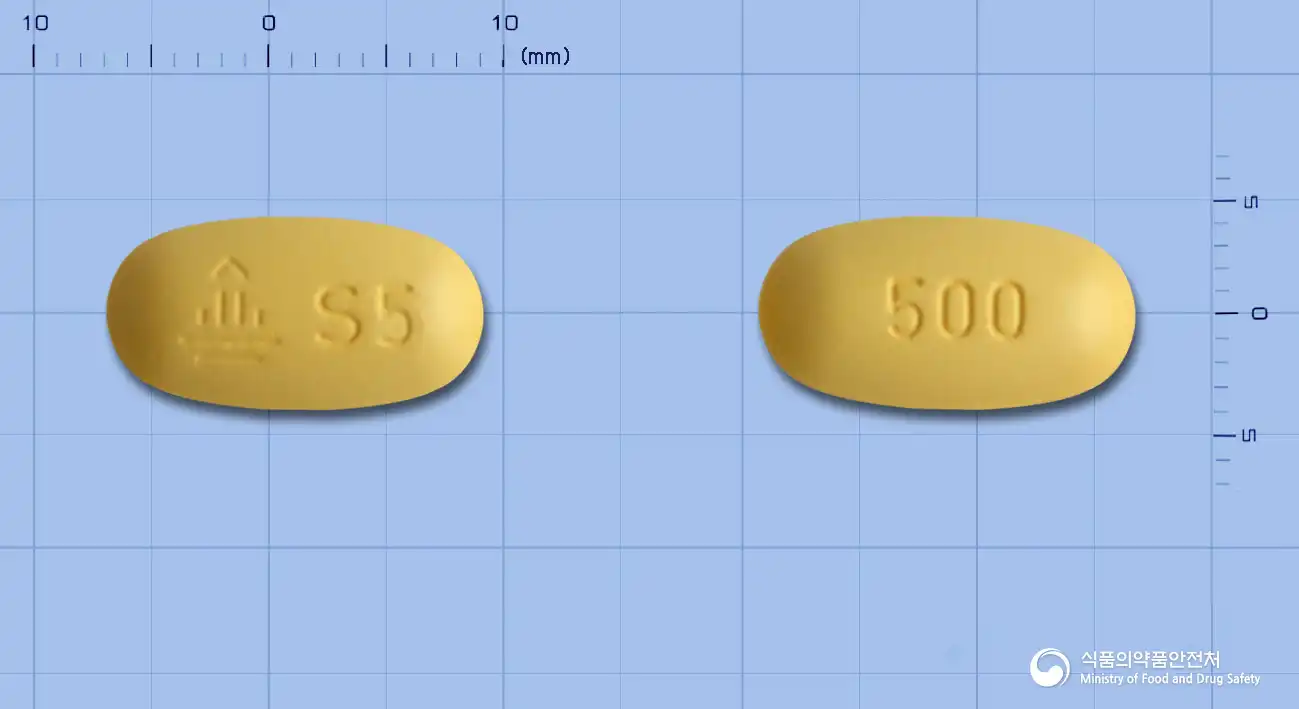
Empagliflozin 5mg · Metformin Hydrochloride 500mg
Tablet · Prescription medication · Combination
Boehringer Ingelheim Korea Co., Ltd.
 Combination
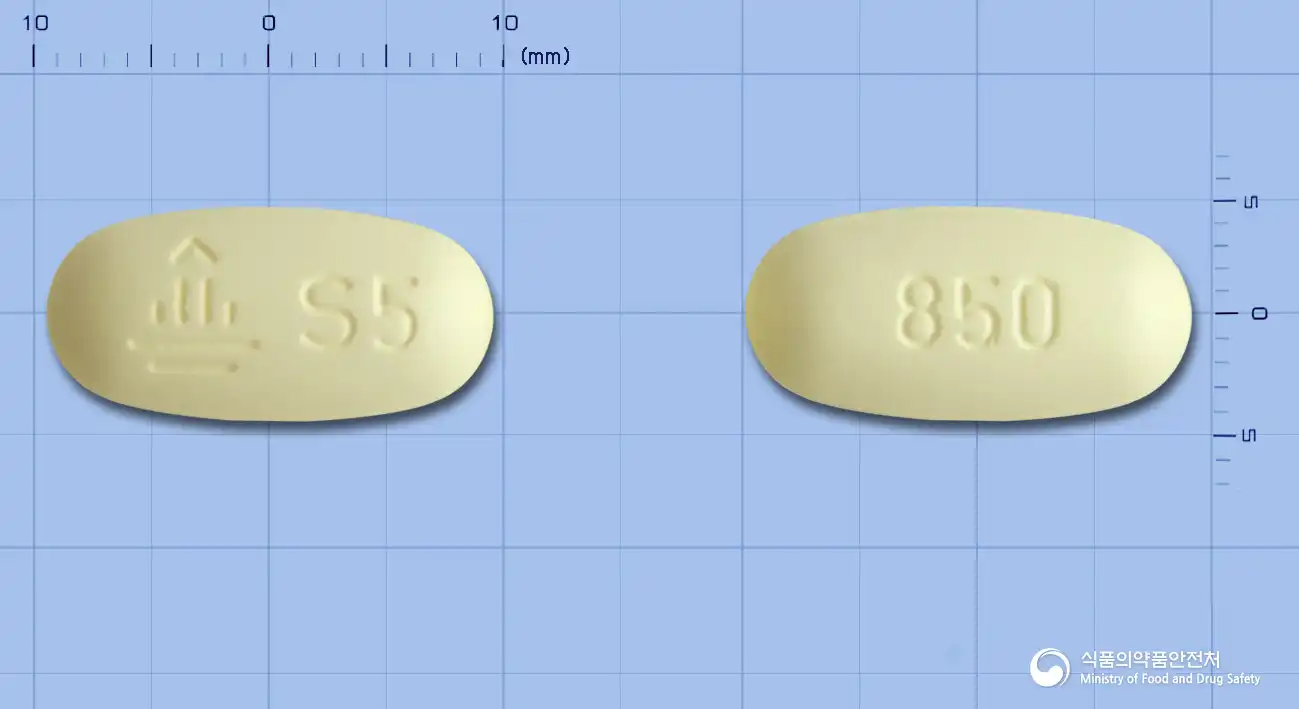
Empagliflozin 5mg · Metformin Hydrochloride 850mg
Tablet · Prescription medication · Combination
Boehringer Ingelheim Korea Co., Ltd.
 Combination
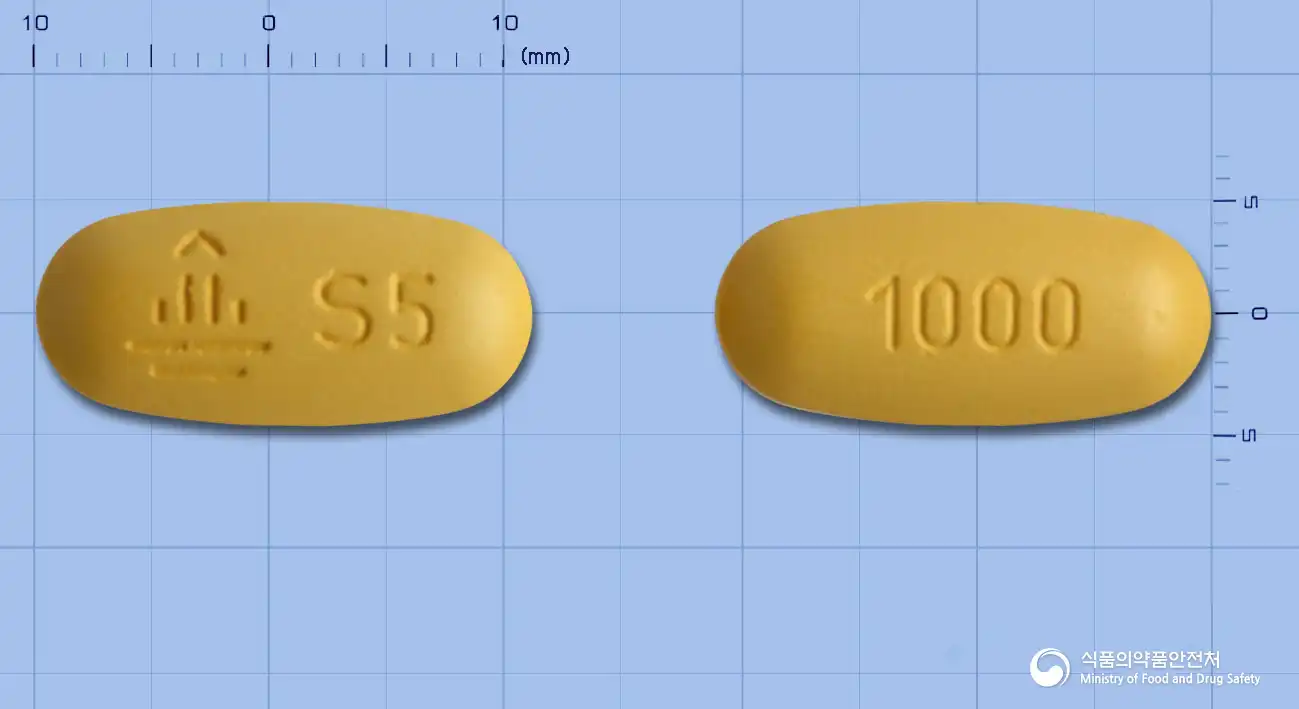
Empagliflozin 5mg · Metformin Hydrochloride 1000mg
Tablet · Prescription medication · Combination
Boehringer Ingelheim Korea Co., Ltd.
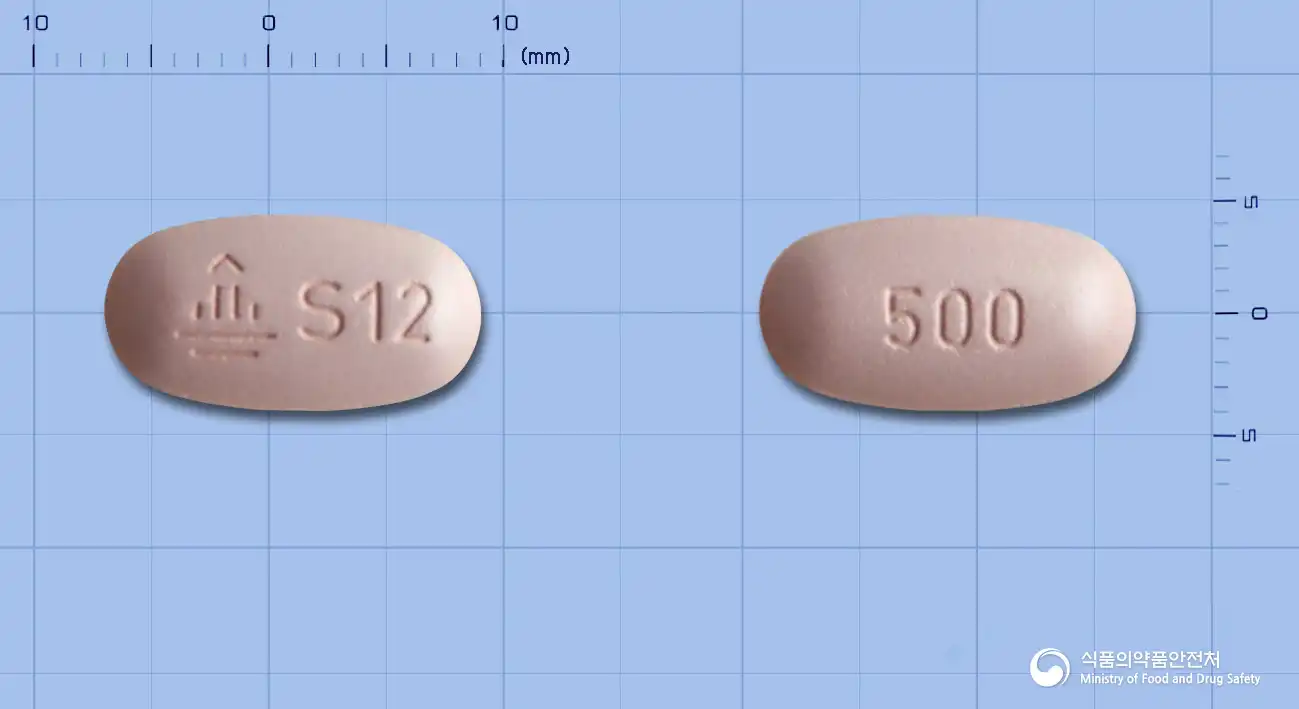 Combination
Empagliflozin 12.5mg · Metformin Hydrochloride 500mg
Tablet · Prescription medication · Combination
Boehringer Ingelheim Korea Co., Ltd.
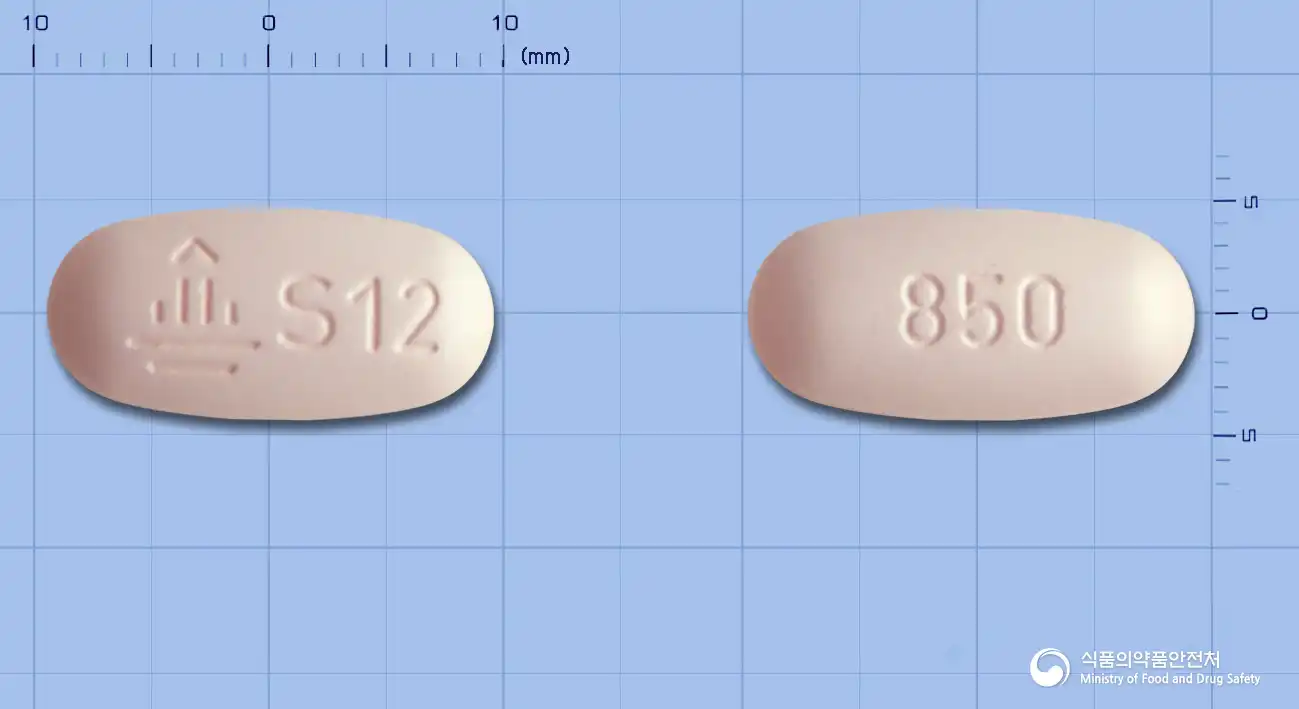 Combination
Empagliflozin 12.5mg · Metformin Hydrochloride 850mg
Tablet · Prescription medication · Combination
Boehringer Ingelheim Korea Co., Ltd.
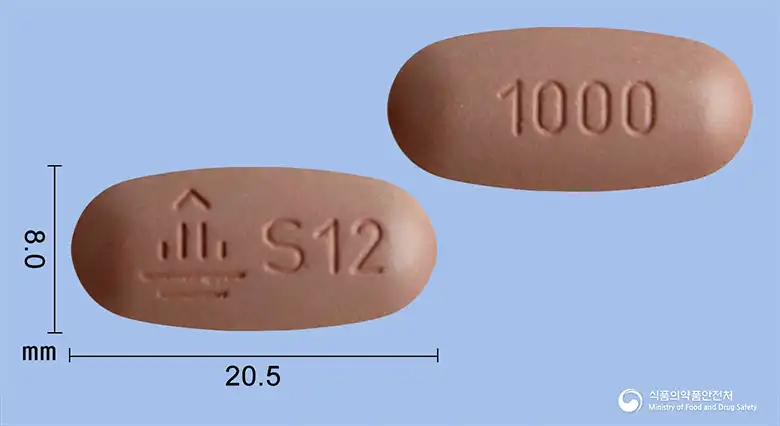 Combination
Empagliflozin 12.5mg · Metformin Hydrochloride 1000mg
Tablet · Prescription medication · Combination
Boehringer Ingelheim Korea Co., Ltd.
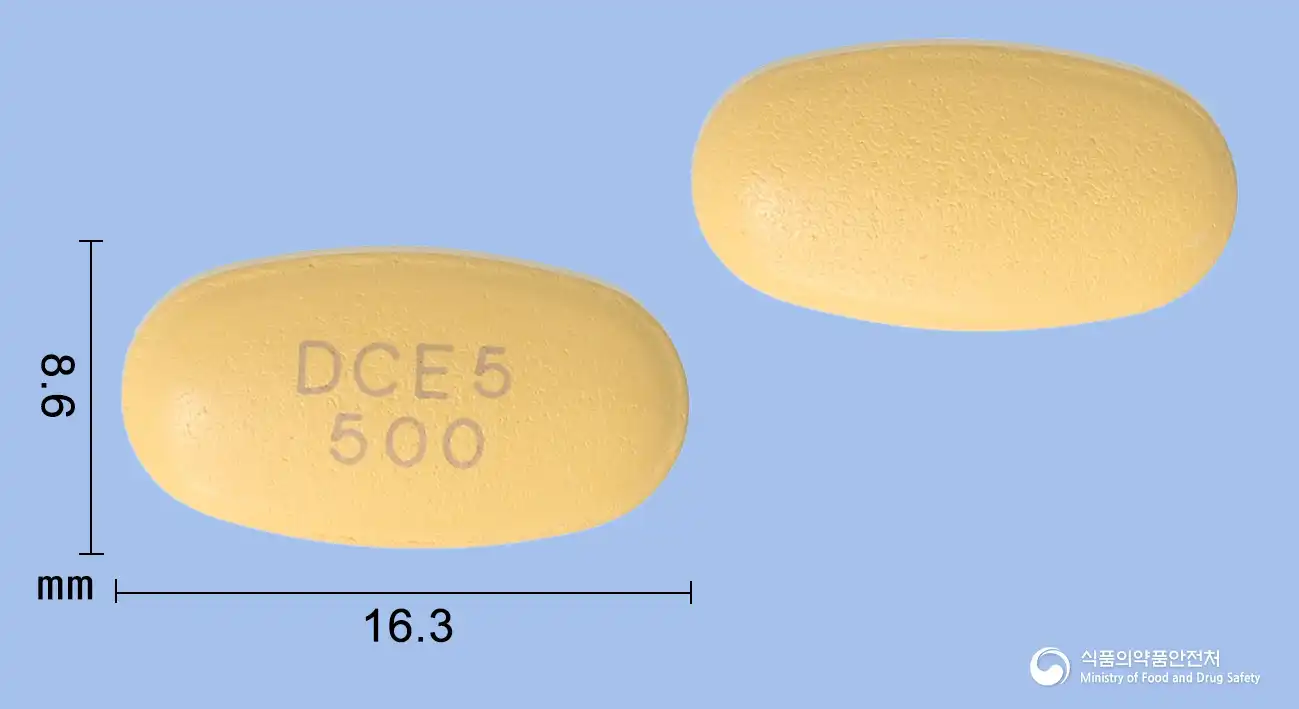 Combination
Empagliflozin 5mg · Metformin Hydrochloride 500mg
Tablet · Prescription medication · Combination
Donggu Bio Pharmaceutical Co., Ltd.
Even with the same ingredient, the dose and directions can differ by strength and dosage form. Talk to a doctor or pharmacist before switching from a medication you are already taking.
No questions yet.
For anything that needs medical judgment, consult a doctor or pharmacist.
This drug information is based on data provided by the Korea Ministry of Food and Drug Safety.
Consult a doctor or pharmacist for accurate dosage, administration, and usage instructions.