Blood glucose control in type 2 diabetes and prevention of cardiovascular events
Who takes it
Adults
Adult dose
The dosage of this medication is determined based on each patient's current treatment, efficacy, and tolerability, ensuring it does not exceed the maximum recommended daily doses of empagliflozin 25 mg and extended-release metformin hydrochloride 2000 mg.
This medication should be taken once daily in the evening with meals to reduce gastrointestinal side effects caused by metformin.
This medication 10/1000 mg extended-release or 25/1000 mg extended-release should be taken once daily, with one tablet each time.
Patients taking this medication 5/1000 mg extended-release or 12.5/1000 mg extended-release should take two tablets simultaneously once daily.
To minimize gastrointestinal side effects associated with metformin, any dose increase should be gradual.
For extended-release properties to be maintained, oral administration should be whole; the drug may be excreted incompletely in feces.
It is not known whether the active ingredients will be included in feces. If a patient repeatedly reports finding this medication in feces, healthcare personnel should evaluate whether blood glucose is being adequately controlled (refer to cautionary notes in section 5. General Precautions).
Patients who cannot achieve adequate blood glucose control with metformin alone or in combination with other drugs such as insulin should start this medication with an initial recommended dosage totaling empagliflozin 10 mg and the existing metformin dosage, and if tolerability for empagliflozin 10 mg is good while additional blood glucose control is necessary, the dosage of empagliflozin may be increased to 25 mg.
Patients transitioning to this medication from a combination therapy involving empagliflozin and metformin should be administered their existing doses of empagliflozin and metformin.
When switching from immediate-release metformin to an extended-release form, blood glucose control should be closely monitored, and dosage adjustments should be made as necessary.
When co-administered with sulfonylureas or insulin, dosage reduction of sulfonylureas or insulin should be considered to reduce the risk of hypoglycemia (refer to cautionary notes 4. Adverse Reactions and 6. Interactions).
Special Populations
Renal Impairment
Periodic evaluation of kidney function before and after administration is recommended due to the need for dose adjustments based on kidney function.
In patients with mild renal impairment [creatinine clearance (CrCl) ≥ 60 mL/min or estimated glomerular filtration rate (eGFR) ≥ 60 mL/min/1.73m2], dose adjustment is not necessary.
In patients with moderate renal impairment [CKD stage 3A, creatinine clearance (CrCl) ≥ 45 mL/min and <60 mL/min or estimated glomerular filtration rate (eGFR) ≥ 45 mL/min/1.73m2 and <60 mL/min/1.73m2], and if side effects are tolerable without other symptoms that increase the risk of lactic acidosis, metformin hydrochloride can be used with dose adjustments as follows:
- The starting dose of extended-release metformin hydrochloride should be either 500 mg or 750 mg administered once daily, so this medication should not be initiated.
The maximum daily dose of metformin hydrochloride is 1000 mg.
If the creatinine clearance (CrCl) falls below 45 mL/min or estimated glomerular filtration rate (eGFR) falls below 45 mL/min/1.73m2, this medication should be discontinued immediately.
Elderly Patients
Patients aged 75 years and older should consider the risks associated with renal function and decreased fluid volume.
Blood glucose control in type 2 diabetes and prevention of cardiovascular events
Type 2 diabetes with difficult blood glucose control
cardiovascular disease
View approved original textHide original text
This medication is used in conjunction with dietary modifications and exercise to improve blood glucose control in adults with type 2 diabetes mellitus. It is especially suitable for patients whose blood glucose levels are not sufficiently controlled and should be used with caution in those with cardiovascular disease. The medication is designed to effectively assist in blood glucose management while ensuring safety in consideration of cardiovascular risks.
How to take
Adult dose
The dosage of this medication is determined based on each patient's current treatment, efficacy, and tolerability, ensuring it does not exceed the maximum recommended daily doses of empagliflozin 25 mg and extended-release metformin hydrochloride 2000 mg.
This medication should be taken once daily in the evening with meals to reduce gastrointestinal side effects caused by metformin.
This medication 10/1000 mg extended-release or 25/1000 mg extended-release should be taken once daily, with one tablet each time.
Patients taking this medication 5/1000 mg extended-release or 12.5/1000 mg extended-release should take two tablets simultaneously once daily.
To minimize gastrointestinal side effects associated with metformin, any dose increase should be gradual.
For extended-release properties to be maintained, oral administration should be whole; the drug may be excreted incompletely in feces.
It is not known whether the active ingredients will be included in feces. If a patient repeatedly reports finding this medication in feces, healthcare personnel should evaluate whether blood glucose is being adequately controlled (refer to cautionary notes in section 5. General Precautions).
Patients who cannot achieve adequate blood glucose control with metformin alone or in combination with other drugs such as insulin should start this medication with an initial recommended dosage totaling empagliflozin 10 mg and the existing metformin dosage, and if tolerability for empagliflozin 10 mg is good while additional blood glucose control is necessary, the dosage of empagliflozin may be increased to 25 mg.
Patients transitioning to this medication from a combination therapy involving empagliflozin and metformin should be administered their existing doses of empagliflozin and metformin.
When switching from immediate-release metformin to an extended-release form, blood glucose control should be closely monitored, and dosage adjustments should be made as necessary.
When co-administered with sulfonylureas or insulin, dosage reduction of sulfonylureas or insulin should be considered to reduce the risk of hypoglycemia (refer to cautionary notes 4. Adverse Reactions and 6. Interactions).
Special Populations
Renal Impairment
Periodic evaluation of kidney function before and after administration is recommended due to the need for dose adjustments based on kidney function.
In patients with mild renal impairment [creatinine clearance (CrCl) ≥ 60 mL/min or estimated glomerular filtration rate (eGFR) ≥ 60 mL/min/1.73m2], dose adjustment is not necessary.
In patients with moderate renal impairment [CKD stage 3A, creatinine clearance (CrCl) ≥ 45 mL/min and <60 mL/min or estimated glomerular filtration rate (eGFR) ≥ 45 mL/min/1.73m2 and <60 mL/min/1.73m2], and if side effects are tolerable without other symptoms that increase the risk of lactic acidosis, metformin hydrochloride can be used with dose adjustments as follows:
- The starting dose of extended-release metformin hydrochloride should be either 500 mg or 750 mg administered once daily, so this medication should not be initiated.
The maximum daily dose of metformin hydrochloride is 1000 mg.
If the creatinine clearance (CrCl) falls below 45 mL/min or estimated glomerular filtration rate (eGFR) falls below 45 mL/min/1.73m2, this medication should be discontinued immediately.
Elderly Patients
Patients aged 75 years and older should consider the risks associated with renal function and decreased fluid volume.
Precautions
This medication is used in the treatment of type 2 diabetes and helps control blood glucose levels.
It can cause a rare side effect known as severe lactic acidosis; therefore, it should not be used in patients with renal function impairment or liver function issues.
Additionally, caution is advised if taken with insulin or sulfonylurea agents due to the risk of hypoglycemia.
Patients with moderate to severe renal impairment, acute infections, dehydration, heart failure, type 1 diabetes, acute or chronic metabolic acidosis should not take this medication.
The medication should be temporarily discontinued before and after using iodine contrast agents during tests, and it should only be resumed after confirming normal kidney function.
This medication can cause side effects such as increased urination, urinary tract infections, and genital infections, so patients should consult a doctor immediately if symptoms of infection appear.
Hypoglycemic symptoms can also occur, so patients should eat regularly, and dose adjustments may be needed when used with drugs that carry a high risk of hypoglycemia.
Elderly patients or those with decreased fluid volume should be closely monitored due to the risk of dehydration and hypotension.
Pregnant or potentially pregnant women and nursing mothers are advised against using this medication.
In cases of overdose, serious side effects such as lactic acidosis may occur, requiring immediate medical treatment, including possible dialysis.
This medication should be swallowed whole without crushing or chewing, and the tablet coating may be excreted in feces, which is normal.
If any unusual symptoms or suspected side effects occur during use, patients should immediately consult their healthcare provider.
Not everyone experiences these, and they can vary from person to person.
Storage
This medication should be stored in a tightly sealed container to protect it from air and moisture. The storage temperature should be maintained at room temperature between 1 and 30 degrees Celsius.
Appearance and packaging
Appearance
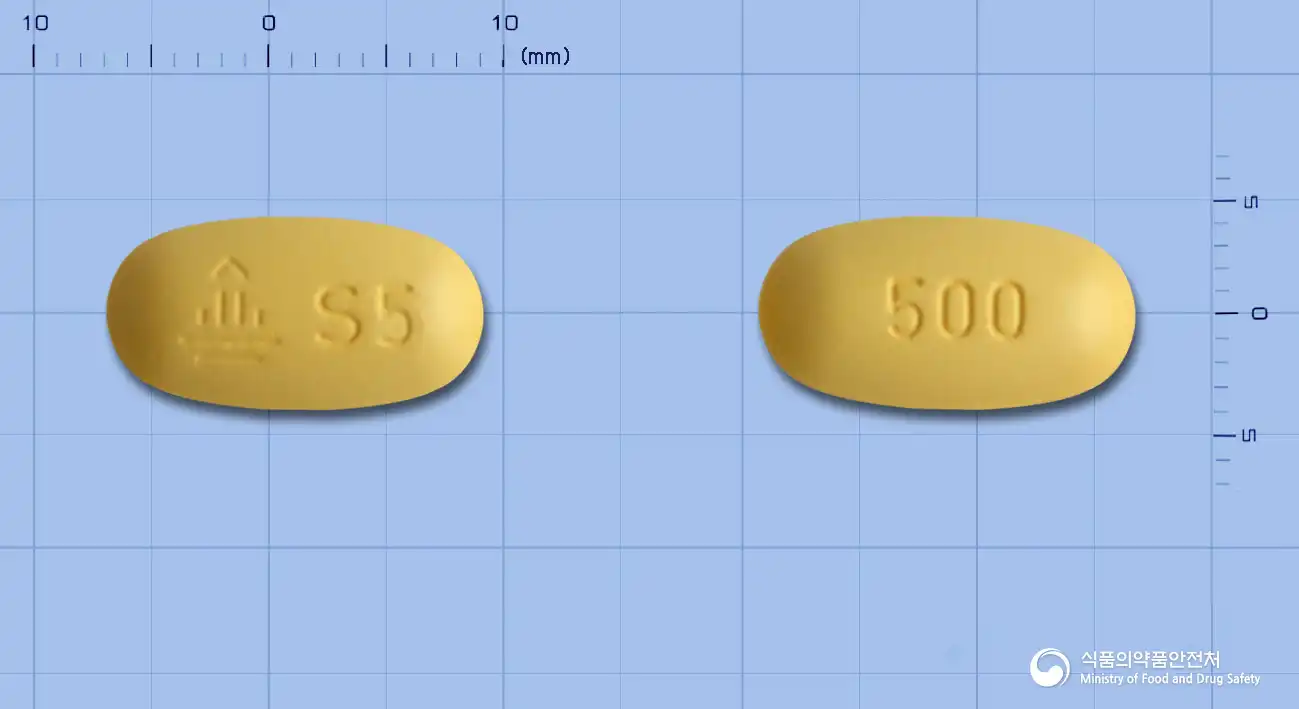
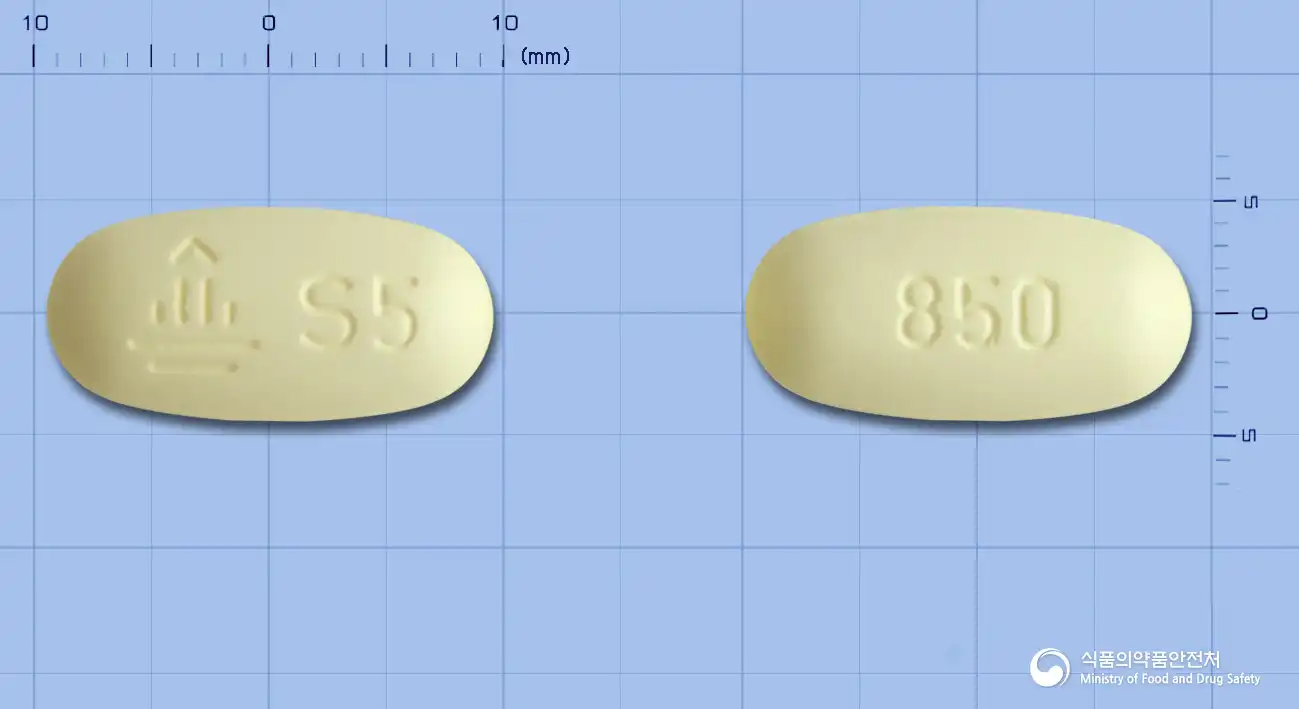
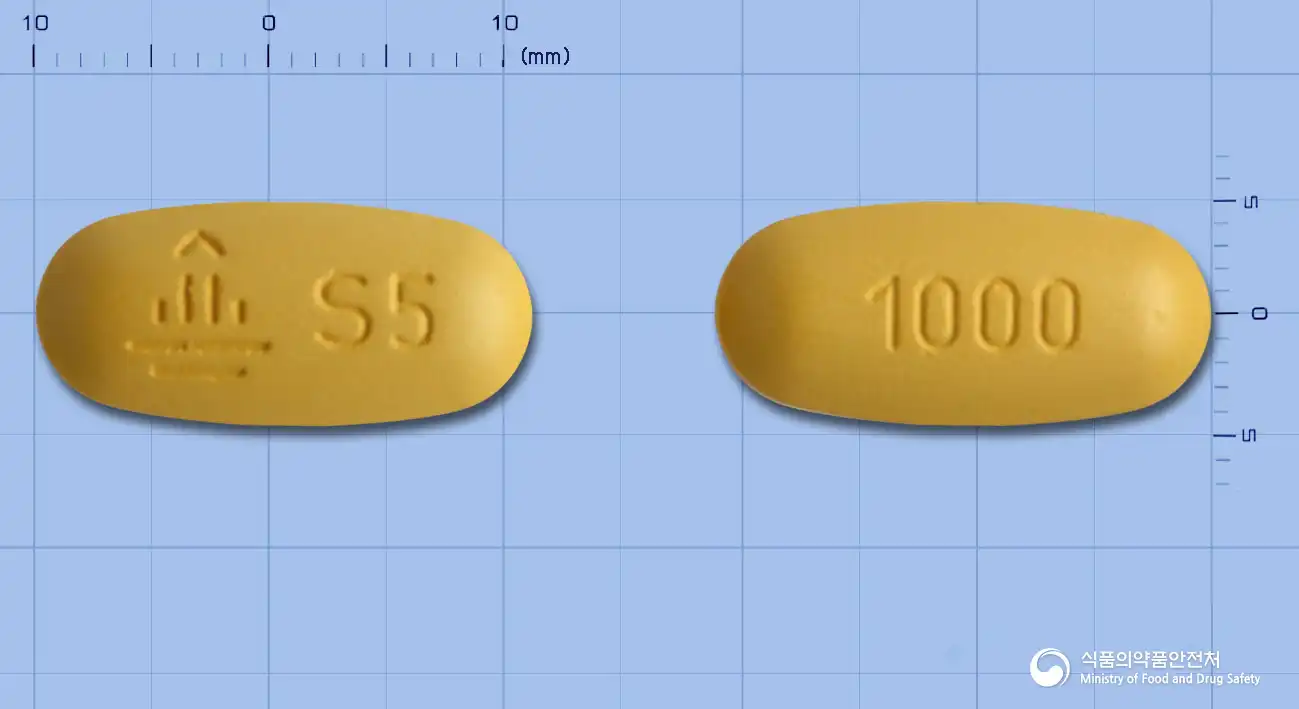
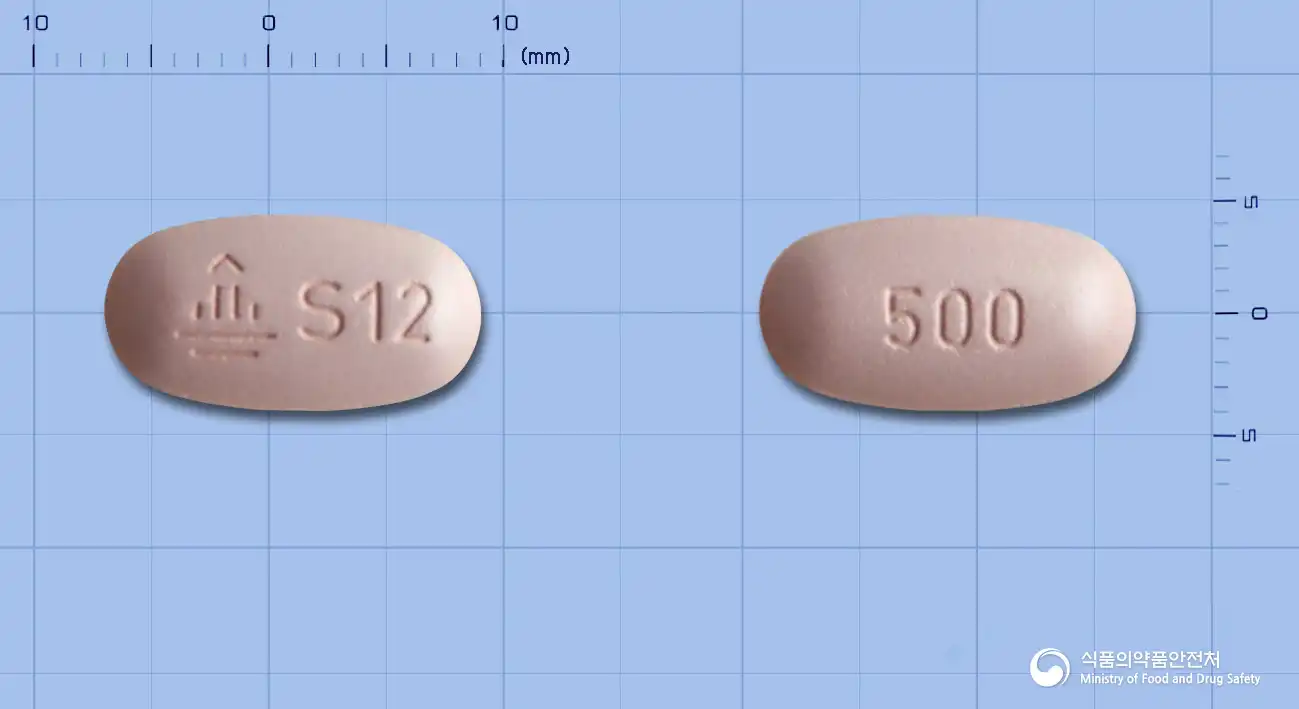
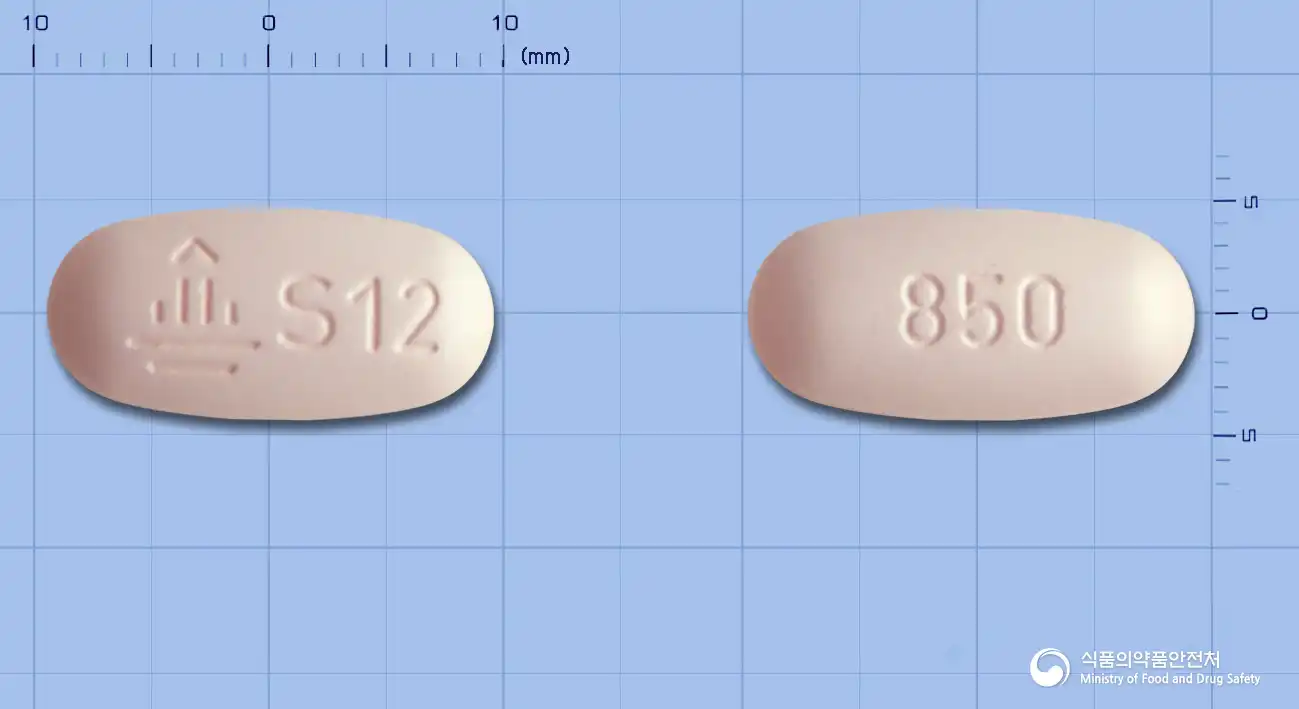
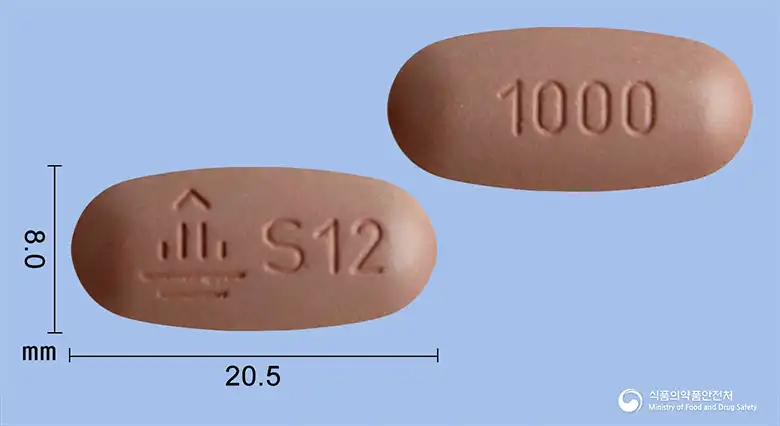
Pale pink, oval-shaped, biconvex, extended-release film-coated tablet
Package unit
30 tablets/bottle
Same-ingredient medicines
Even with the same ingredient, strength, dosage form and how it is taken can differ.
Even with the same ingredient, the dose and directions can differ by strength and dosage form. Talk to a doctor or pharmacist before switching from a medication you are already taking.
Questions about this medicine
No questions yet.
For anything that needs medical judgment, consult a doctor or pharmacist.
This drug information is based on data provided by the Korea Ministry of Food and Drug Safety. Consult a doctor or pharmacist for accurate dosage, administration, and usage instructions.

 한국어
한국어 English
 日本語
日本語 中文(简体)
 Viewing nowCombination