
 한국어
 English
 日本語
 中文(简体)
 Viewing now
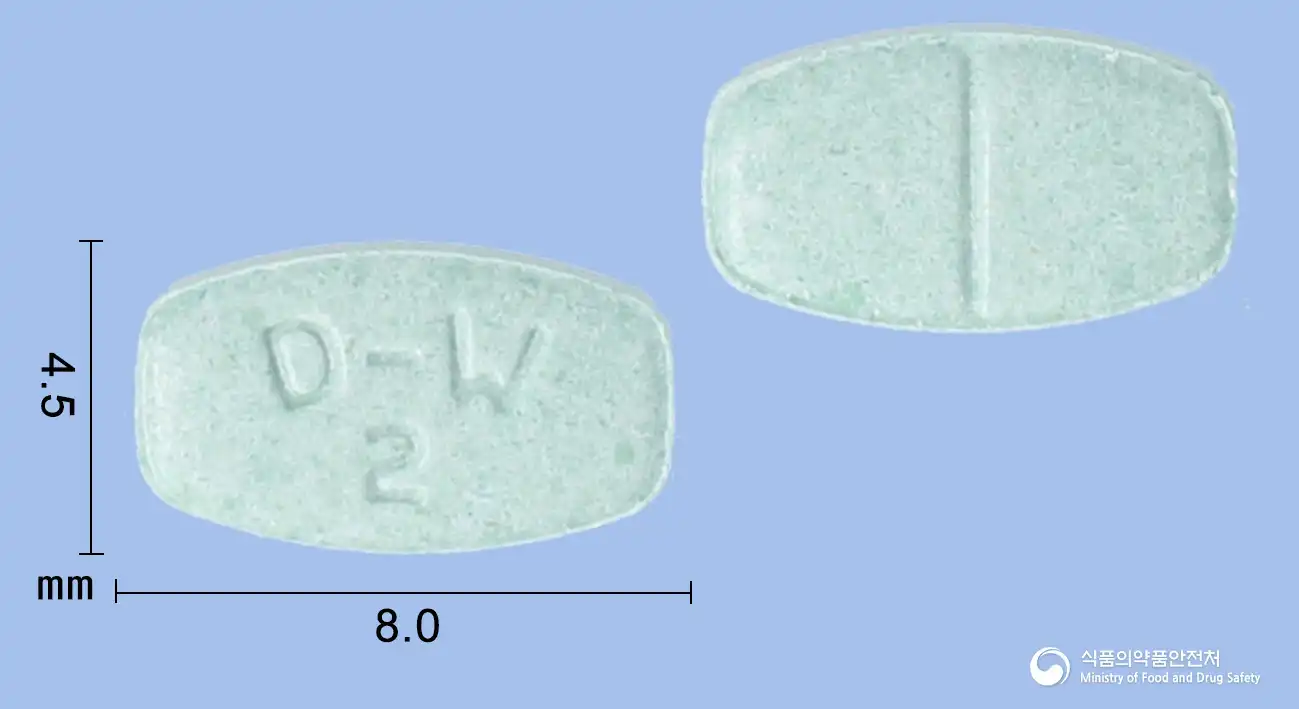
Aripico 2 mg Tablet (Aripiprazole (Micronized))
Aripiprazole Micronized 2mg
Tablet · Prescription medication
Dongwha Pharmaceutical Co., Ltd.
MFDS item code 202501473 · Approved 2025.06.17 · Insurance code 642707860
Treatment of schizophrenia, mood disorders (adjunctive treatment for mania and depression), autism-related irritability, and Tourette disorder
This medication is used for various psychiatric disorders including schizophrenia, acute mania and mixed episodes caused by bipolar disorder, adjunctive treatment of major depressive disorder, and hyperactivity associated with autism spectrum disorder, as well as Tourette's disorder.
1. Schizophrenia Adults: The recommended initial dose is 10 mg or 15 mg once daily, regardless of meals. For the treatment of schizophrenia, the dose of this medicine may be adjusted within the range of 10-30 mg daily. The dose should not be increased before 2 weeks, which is the time required to reach steady state. Maintenance therapy: The efficacy of maintenance therapy for schizophrenia was demonstrated in a clinical trial assessing relapse versus placebo at a dose of 15 mg once daily in patients with schizophrenia who had been stabilized with another antipsychotic medicine for at least 3 months. Patients should be reassessed periodically to determine the need for maintenance therapy. Switching from another antipsychotic medicine: When switching from an existing antipsychotic medicine to this medicine, it is most appropriate to start this medicine while gradually reducing the dose of the existing medicine. The period of overlapping treatment with most antipsychotic medicines should be minimized. 2. Treatment of manic and mixed episodes associated with bipolar disorder Adults: The recommended initial dose, as monotherapy or as adjunctive therapy with lithium or valproate, is 15 mg once daily, regardless of meals. The dose may be increased to 30 mg daily according to clinical response. Doses exceeding 30 mg daily have not been evaluated in clinical trials. Maintenance therapy: The efficacy of maintenance therapy for bipolar I disorder was demonstrated in a clinical trial in patients stabilized with this medicine for at least 6 weeks (15 mg or 30 mg once daily as monotherapy). Patients should be reassessed periodically to determine the need for maintenance therapy. 3. Adjunctive treatment of major depressive disorder - Adults The recommended initial dose for adults taking an existing antidepressant is 2~5 mg once daily, regardless of meals. The efficacy of this medicine as adjunctive treatment for major depressive disorder has been established at doses of 2~15 mg daily. This medicine should be increased gradually by no more than 5 mg at intervals of at least 1 week. Maintenance therapy: Maintenance therapy for adjunctive treatment of major depressive disorder has not been evaluated. Patients should be reassessed periodically to determine the need for maintenance therapy. 6. Dosage adjustment considering CYP450 interactions Dosage adjustment is recommended for patients who are CYP2D6 poor metabolizers and for patients taking a CYP3A4 inhibitor, a CYP2D6 inhibitor, or a strong CYP3A4 inducer (see Table 1). When concomitant medication is discontinued, adjust the dose of aripiprazole to the previous dose; when a CYP3A4 inducer is discontinued, adjust the dose over 1~2 weeks. Thereafter, the dose may be adjusted according to clinical response. (See “Interactions” under Precautions for Use.) Table 1. Dosage adjustment for CYP2D6 poor metabolizers and patients taking a CYP2D6 inhibitor, CYP3A4 inhibitor, or CYP3A4 inducer CYP2D6 poor metabolizers: 1/2 of the usual dose Strong CYP2D6 inhibitors (e.g., quinidine, fluoxetine, paroxetine) or strong CYP3A4 inhibitors (e.g., ketoconazole, itraconazole, clarithromycin): 1/2 of the usual dose Strong CYP3A4 inducers (e.g., carbamazepine, rifampin): 2 times the usual dose over 1~2 weeks However, when aripiprazole is used as adjunctive treatment for major depressive disorder, it should be administered without dose adjustment.
Adolescents with schizophrenia (13-17 years): The recommended dose is 10 mg once daily, regardless of meals. Doses of 10 mg and 30 mg daily were studied in adolescent patients (13-17 years). The initial daily dose was 2 mg, increased to 5 mg after 2 days, and then to 10 mg after another 2 days. Thereafter, the dose was increased in increments of 5 mg. However, a dose of 30 mg daily was not more effective than a dose of 10 mg daily. Adolescents with schizophrenia (13-17 years): Maintenance therapy has not been evaluated in adolescent patients with schizophrenia. Patients should be reassessed periodically to determine the need for maintenance therapy. Long-term safety has not been established with regard to the onset of suicidal symptoms, growth, maturation, and cognitive and behavioral development; therefore, patients should be monitored carefully and regularly. Treatment of manic and mixed episodes associated with bipolar disorder in children (10-17 years): The recommended dose as monotherapy is 10 mg once daily, regardless of meals. Efficacy has been demonstrated at doses of 10 mg or 30 mg daily in pediatric patients (10-17 years) with bipolar I disorder. The initial dose is 2 mg daily, increased to 5 mg after 2 days and then to 10 mg after another 2 days. Thereafter, the dose should be increased in increments of 5 mg. Treatment of manic and mixed episodes associated with bipolar disorder in children (10-17 years): Maintenance therapy has not been evaluated in pediatric patients with bipolar I disorder. Patients should be reassessed periodically to determine the need for maintenance therapy. Long-term safety has not been established with regard to the onset of suicidal symptoms, growth, maturation, and cognitive and behavioral development; therefore, patients should be monitored carefully and regularly. Irritability associated with autistic disorder in children (6-17 years): Efficacy has been demonstrated for this medicine at doses of 5 mg to 15 mg daily in pediatric patients (6-17 years) with autistic disorder. The recommended initial dose is 1 mg or 2 mg once daily; increase the dose to 5 mg daily and, if needed, thereafter to 10 mg or 15 mg daily. Dose adjustments up to 5 mg daily should be made gradually at intervals of at least 1 week. The dose of this medicine should be individualized according to tolerability and response. Irritability associated with autistic disorder in children (6-17 years): Maintenance therapy has not been evaluated in pediatric patients with autistic disorder. Patients should be reassessed periodically to determine the need for maintenance therapy. Long-term safety has not been established with regard to the onset of suicidal symptoms, growth, maturation, and cognitive and behavioral development; therefore, patients should be monitored carefully and regularly. Children with Tourette's disorder (6-18 years): Efficacy has been demonstrated for this medicine at doses of 2 mg to 20 mg daily in pediatric patients (6-18 years) with Tourette's disorder. The initial dose is 2 mg daily, increased gradually in increments of 5 mg at intervals of at least 2 weeks. The dose of this medicine should be individualized according to tolerability and response. Children with Tourette's disorder (6-18 years): Maintenance therapy has not been evaluated in pediatric patients with Tourette's disorder. Patients should be reassessed periodically to determine the need for maintenance therapy. Long-term safety has not been established with regard to the onset of suicidal symptoms, growth, maturation, and cognitive and behavioral development; therefore, patients should be monitored carefully and regularly.
This medication may increase the risk of suicidal thoughts and behaviors in children, adolescents, and young adults with major depressive disorder or other psychiatric disorders, so doctors should carefully assess the necessity and risks of treatment. Patients of all ages taking this medication should be closely monitored for worsening of symptoms, suicidal tendencies, or behavioral changes, and family members or guardians should also observe the patient closely and consult healthcare professionals immediately if any abnormal signs occur. This medication is not approved for the treatment of pediatric depression. Serious side effects, such as Neuroleptic Malignant Syndrome, may occur with this medication, so if high fever, muscle stiffness, altered mental state, or autonomic instability symptoms develop, immediate medical attention is necessary. Long-term use may lead to irreversible tardive dyskinesia, so administration should be at the minimum dose and shortest duration possible, with consultation with a doctor if symptoms arise. There may be an increased risk of cerebrovascular accidents and death in elderly patients with dementia, so this medication is not used for treating dementia patients. It may affect blood sugar control, so diabetic patients should regularly monitor their blood sugar levels and inform their healthcare provider immediately if symptoms of hyperglycemia occur. There is a risk of venous thromboembolism, so patients with risk factors for thrombosis should be carefully monitored and necessary prophylactic measures taken before and during administration of this drug. It should not be given to patients with hypersensitivity to this drug or genetic issues such as lactose intolerance. Caution should be taken when administering to patients with orthostatic hypotension, seizure history, or decreased cognitive and motor abilities, as symptoms such as drowsiness or dizziness may pose risks during driving or operating hazardous machinery. The ability to regulate body temperature may be impaired, so caution is needed with excessive heat exposure or intense physical activity. Patients with dysphagia are at risk for aspiration pneumonia, so caution is advised. Thorough supervision is necessary for patients with inherent suicidal risks, and they should be prescribed the minimal effective dose to reduce the risk of overdose. This medication should not be used for the treatment of Attention Deficit Hyperactivity Disorder (ADHD). Side effects such as nausea, vomiting, constipation, headache, dizziness, anxiety, insomnia, drowsiness, fatigue, weight changes, and others may commonly occur, so consult healthcare professionals for any abnormal symptoms.
Not everyone experiences these, and they can vary from person to person.
This medication must be stored in a tightly sealed container to protect it from air and moisture. The storage temperature should be maintained between 1 degree and 30 degrees Celsius at room temperature.
Green rectangular tablet
30 tablets/bottle, 100 tablets/bottle
Even with the same ingredient, strength, dosage form and how it is taken can differ.
Viewing nowAripiprazole Micronized 2mg
Tablet · Prescription medication
Dongwha Pharmaceutical Co., Ltd.
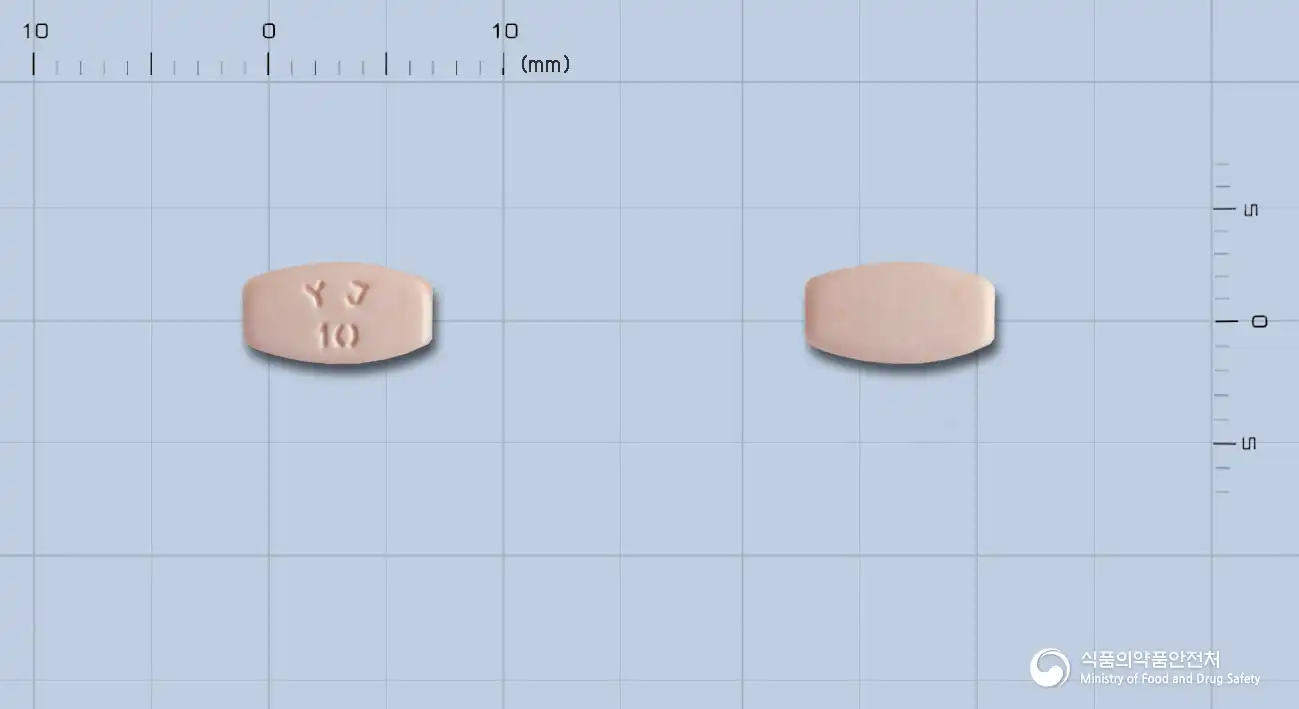
Aripiprazole Micronized 10mg
Tablet · Prescription medication
Youngjin Pharmaceutical Co., Ltd.
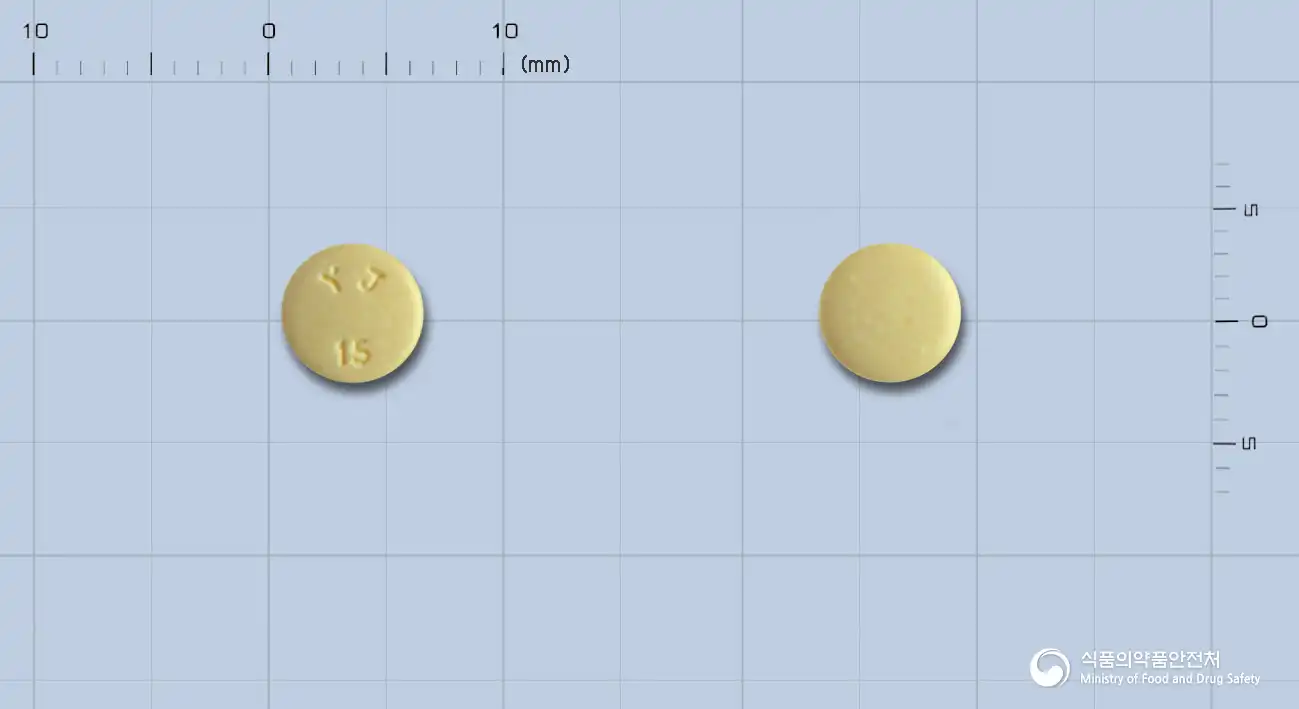
Aripiprazole Micronized 15mg
Tablet · Prescription medication
Youngjin Pharmaceutical Co., Ltd.
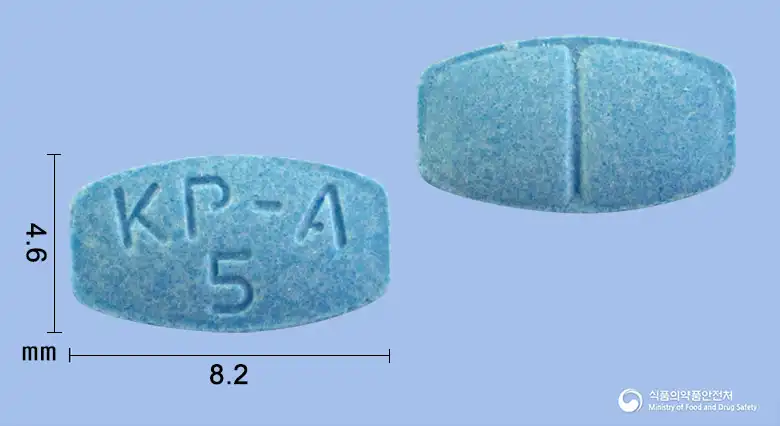
Aripiprazole Micronized 5mg
Tablet · Prescription medication
Korea Pharma Co., Ltd.
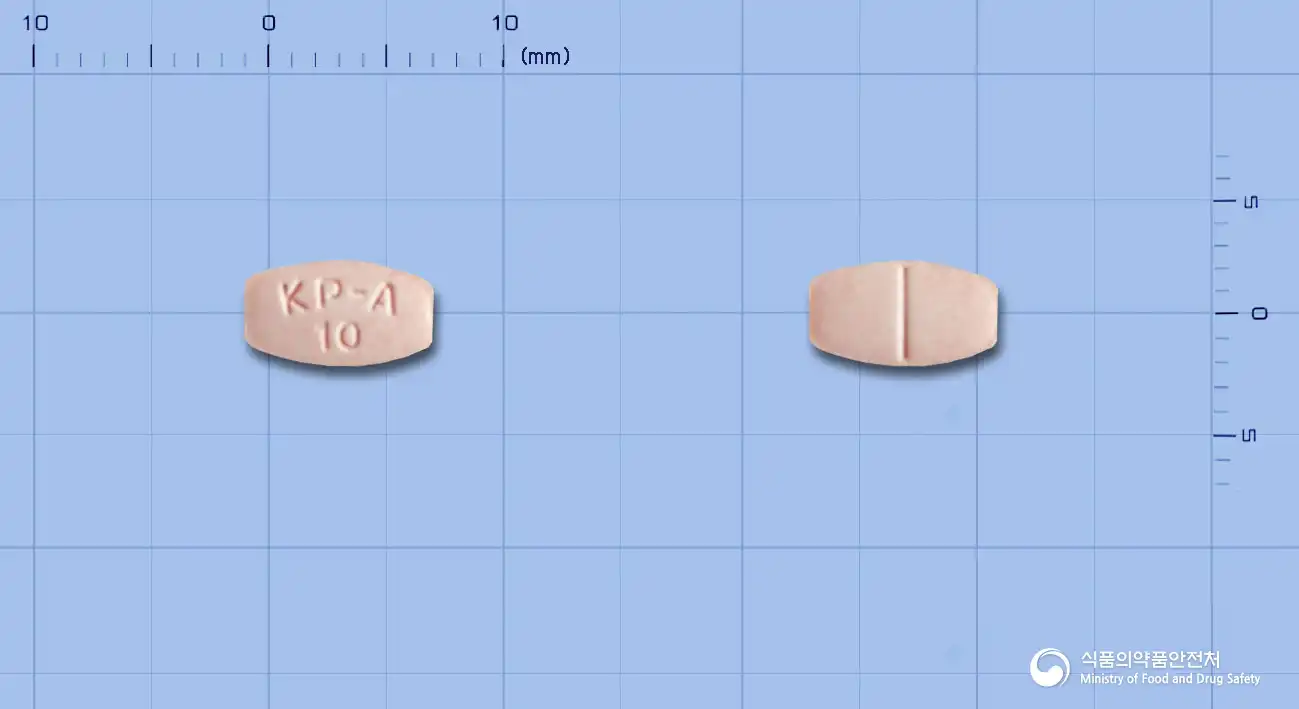
Aripiprazole Micronized 10mg
Tablet · Prescription medication
Korea Pharma Co., Ltd.
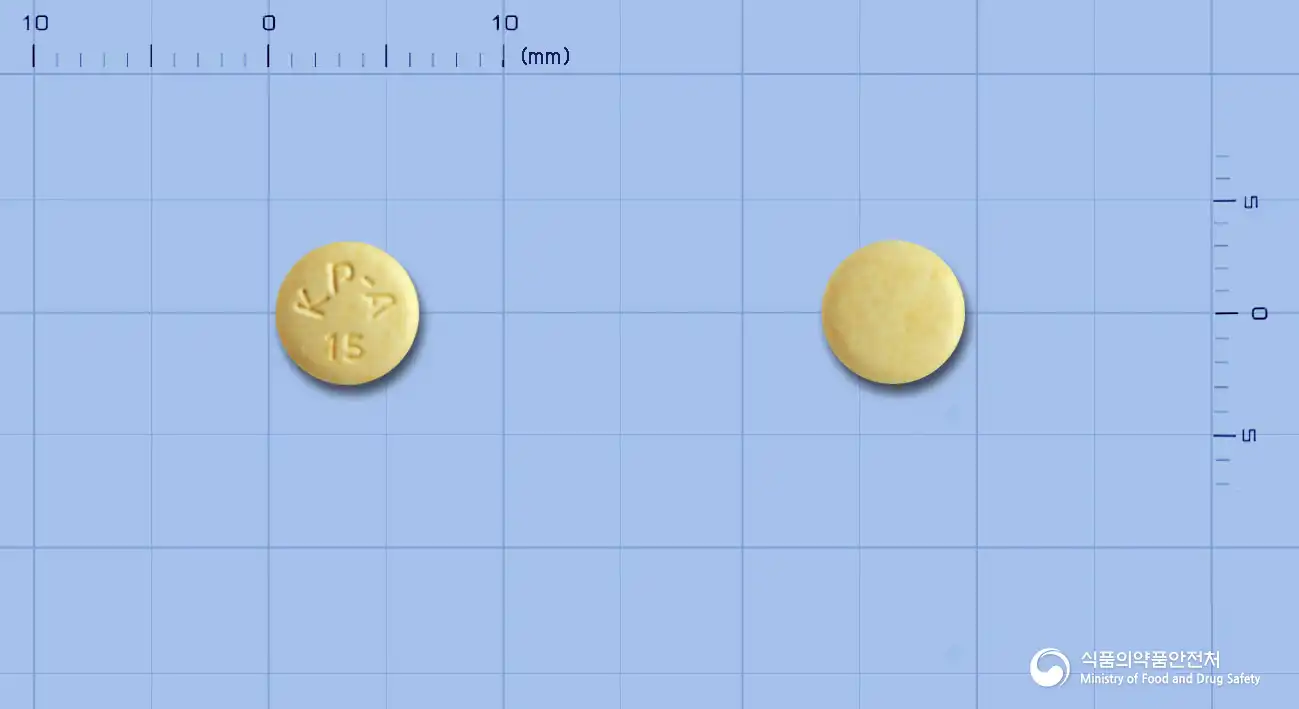
Aripiprazole Micronized 15mg
Tablet · Prescription medication
Korea Pharma Co., Ltd.
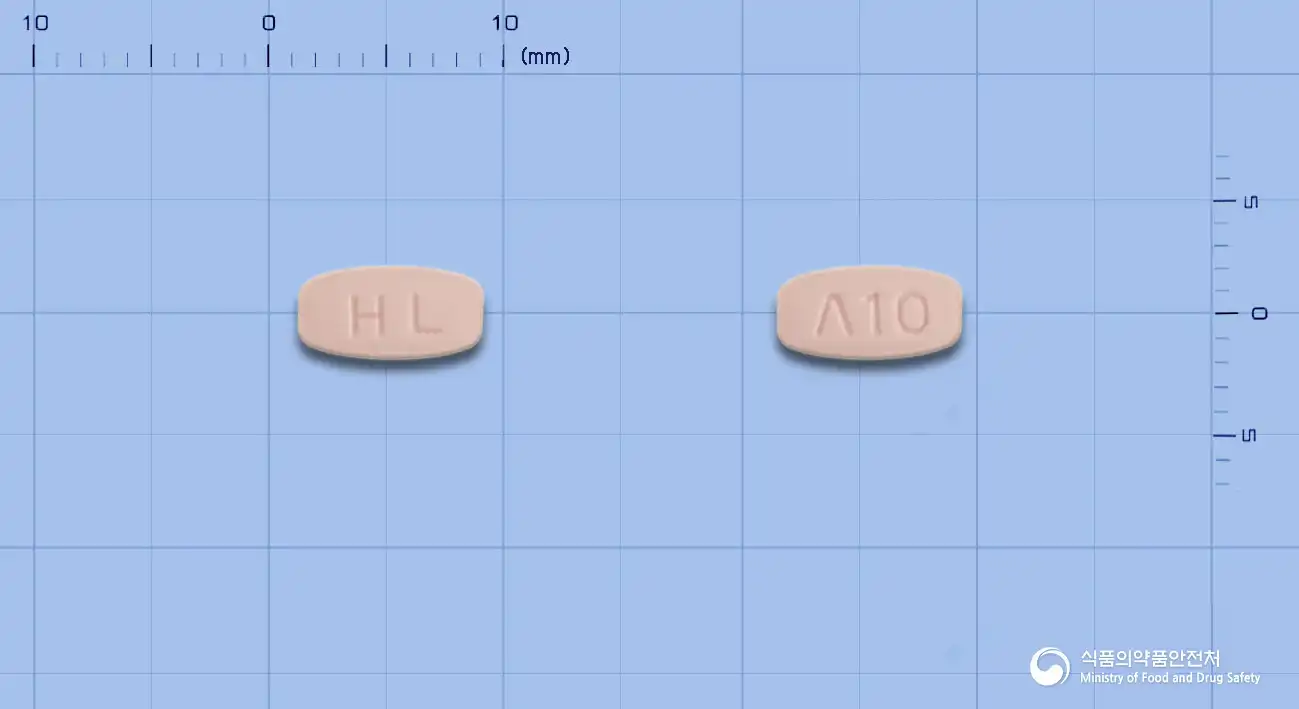
Aripiprazole Micronized 10mg
Tablet · Prescription medication
Hallym Pharmaceuticals Co., Ltd.
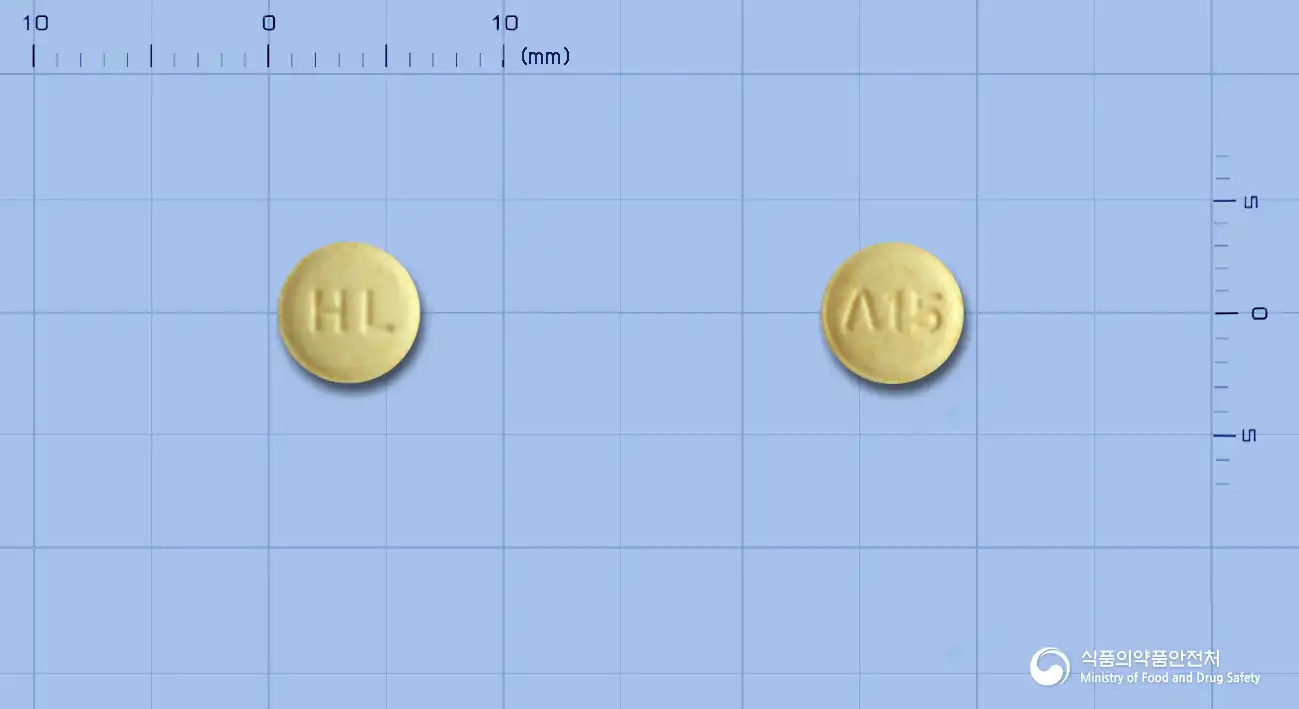
Aripiprazole Micronized 15mg
Tablet · Prescription medication
Hanmira Pharmaceutical Co., Ltd.
Even with the same ingredient, the dose and directions can differ by strength and dosage form. Talk to a doctor or pharmacist before switching from a medication you are already taking.
No questions yet.
For anything that needs medical judgment, consult a doctor or pharmacist.
This drug information is based on data provided by the Korea Ministry of Food and Drug Safety.
Consult a doctor or pharmacist for accurate dosage, administration, and usage instructions.