
 한국어
 English
 日本語
 中文(简体)
 Viewing now
Svenser Extended Release Tablets 25mg (Desvenlafaxine Benzoate)
Desvenlafaxine Benzoate 36.5925mg
Tablet · Prescription medication
Myungin Pharmaceutical Co., Ltd.
MFDS item code 202500935 · Approved 2025.04.21 · Insurance code 651905390
Treatment of major depressive disorder
This medication is used for major depression.
1. Adults 1) Initial treatment The recommended dose of this medicine is 50mg once daily. This medicine may be taken with or without food and should be taken at the same time each day. Swallow the tablet whole with liquid; do not split, crush, chew, or dissolve it in water. Clinical trials did not demonstrate additional benefit at doses exceeding 50mg once daily, and adverse reactions and treatment discontinuations occurred more frequently at higher doses. The dose may be increased only when necessary based on clinical judgment, but should not exceed 200mg once daily. When discontinuing treatment, reduce the dose gradually to minimize withdrawal symptoms. 2) Maintenance treatment Acute episodes of major depression generally require continuous drug therapy for several months or longer. Patients should be regularly reassessed to determine the need for continued treatment. 2. Patients with renal impairment The recommended dose for patients with moderate renal impairment (creatinine clearance 30-50mL/min) is 50mg daily. The recommended dose for patients with severe renal impairment (creatinine clearance less than 30mL/min) or end-stage renal disease (ESRD) is 50mg every other day. Do not administer a supplemental dose after hemodialysis. 3. Patients with hepatic impairment The recommended dose for patients with moderate to severe hepatic impairment is 50mg daily. Dose increases above 100mg daily are not recommended. 4. Discontinuation of treatment Symptoms associated with discontinuation of this medicine and serotonin-norepinephrine reuptake inhibitors (SNRIs) and selective serotonin reuptake inhibitors (SSRIs) have been reported; patients should be monitored for these symptoms when treatment is discontinued. Reduce the dose gradually rather than stopping treatment abruptly. If intolerable withdrawal symptoms occur after dose reduction or discontinuation, resuming the previously prescribed dose may be considered. The physician may then continue to reduce the dose, but at a slower rate. Some patients may need several months or longer to discontinue treatment. 5. Switching from other antidepressants to this medicine Withdrawal symptoms have been reported when switching from other antidepressants, including venlafaxine, to this medicine. Gradual reduction of the dose of the previous antidepressant may be necessary to minimize these symptoms. 6. Use with monoamine oxidase inhibitors (MAOIs) 1) Switching from monoamine oxidase inhibitors (MAOIs) used to treat psychiatric disorders Treatment with this medicine should be started at least 14 days after discontinuing an MAO inhibitor used to treat psychiatric disorders. In addition, allow at least 7 days between discontinuing this medicine and starting an MAO inhibitor (see Precautions for Use, ‘6. Interactions’). 2) Use of this medicine with other MAO inhibitors, such as linezolid or methylene blue: If a patient already receiving this medicine requires urgent treatment with linezolid or intravenous methylene blue, and there are no alternative medicines to linezolid or intravenous methylene blue and the potential benefits of treatment with linezolid or intravenous methylene blue are judged to outweigh the risk of serotonin syndrome, this medicine may be discontinued immediately and linezolid or intravenous methylene blue administered (see Precautions for Use, ‘6. Interactions’).
This medication may increase the risk of suicidal thoughts or behaviors in children, adolescents, and young adults, so careful judgment by the physician and close monitoring by the patient and caregiver is necessary at the beginning of treatment. This medication can cause life-threatening serotonin syndrome when taken with other serotonergic drugs, so caution is required when co-administering. It should not be administered to patients with hypersensitivity or those who have recently taken monoamine oxidase inhibitors, and these drugs should not be combined with it. Patients with hypertension or cardiovascular disease must have their blood pressure and heart rate regularly monitored before and during the use of this medication. Patients with a history of mania, hypomania, or seizure symptoms should use this medication with special caution. Patients with impaired kidney or liver function require dosage adjustments, and particularly severe cases should be administered with greater caution. This medication contains a specific dye (Yellow No. 5), so patients allergic to it should be cautious. During treatment, side effects such as nausea, dizziness, headache, insomnia, anxiety, sweating, constipation, drowsiness, etc. may occur, and if these symptoms are severe, consultation with a physician is advised. Abrupt discontinuation of this medication may lead to withdrawal symptoms, so the dosage should be gradually reduced, and discontinuation should follow medical advice. Sexual dysfunction may occur, so if symptoms persist, consulting healthcare providers is recommended. The risk of bleeding may increase, so caution is required when taken with medications affecting blood coagulation. There is a risk of elevated intraocular pressure, so patients with glaucoma should consult a physician before use. During pregnancy, the potential risks to the fetus should be considered, and this medication should only be used when necessary. In breastfeeding, as the medication can be transmitted through breast milk, consultation with healthcare providers about discontinuation of breastfeeding is necessary. Elderly patients are at higher risk of hyponatremia and orthostatic hypotension, so dosage adjustment and careful monitoring are needed. In case of overdose, immediate visit to a medical institution for appropriate emergency treatment is required, as there are no specific antidotes. This medication should be kept out of reach of children, and transferring it to another container should be avoided.
suicidal thoughts and behaviors, serotonin syndrome, angioedema, increased blood pressure, increased heart rate, nausea, dizziness, headache, vomiting, insomnia, sweating, constipation, drowsiness, decreased appetite, anxiety, certain male erectile dysfunctions, dry mouth, fatigue, chills, agitation, attention deficit, nervousness, abnormal dreams, urinary retention, yawning, blurred vision, pupil dilation, tinnitus, dysgeusia, facial flushing, palpitations, tachycardia, diarrhea, acute pancreatitis, irritability, asthenia, hypersensitivity, weight gain, weight loss, abnormal liver function, increased serum prolactin levels, hyponatremia, musculoskeletal rigidity, headache, paresthesia, syncope, seizures, muscle tone disturbances, withdrawal syndrome, depersonalization, mania, hypomania, hallucinations, bruxism, urination difficulties, epistaxis, rash, hair loss, photosensitivity reaction, angioedema, Stevens-Johnson syndrome, orthostatic hypotension, peripheral coldness, postpartum hemorrhage, abnormal thoughts, choking sensation, chest pain, fever, facial edema, general edema, ineffective medication, pharyngitis, Sjögren's syndrome, vestibular disorders, dysuria, worsening of angina, worsening of rheumatoid arthritis, fracture, drowsiness, unpleasant mood, agitation, sensory impairment, confusion, hypersomnolence, emotional instability, hypomania, visual impairment, hypertension, seizures, visual disturbances, pupil dilation, rhabdomyolysis, vertigo, hepatic necrosis, death, changes in electrocardiogram, bradycardia, hypotension, altered consciousness, pupil dilation, seizures, vomiting, myocardial ischemia, myocardial infarction, coronary artery occlusion requiring revascularization, persistent elevation of blood pressure, systolic orthostatic hypotension, withdrawal symptoms, sexual dysfunction, hyponatremia, interstitial lung disease, eosinophilic pneumonia, exercise performance impairment, judgment impairment, cognitive impairment, motor dysfunction
Not everyone experiences these, and they can vary from person to person.
This medication should be stored in a tightly closed container to prevent exposure to air or moisture, at room temperature between 1 to 30 degrees Celsius. Storing it this way can maintain the effectiveness of the medication for a longer period.
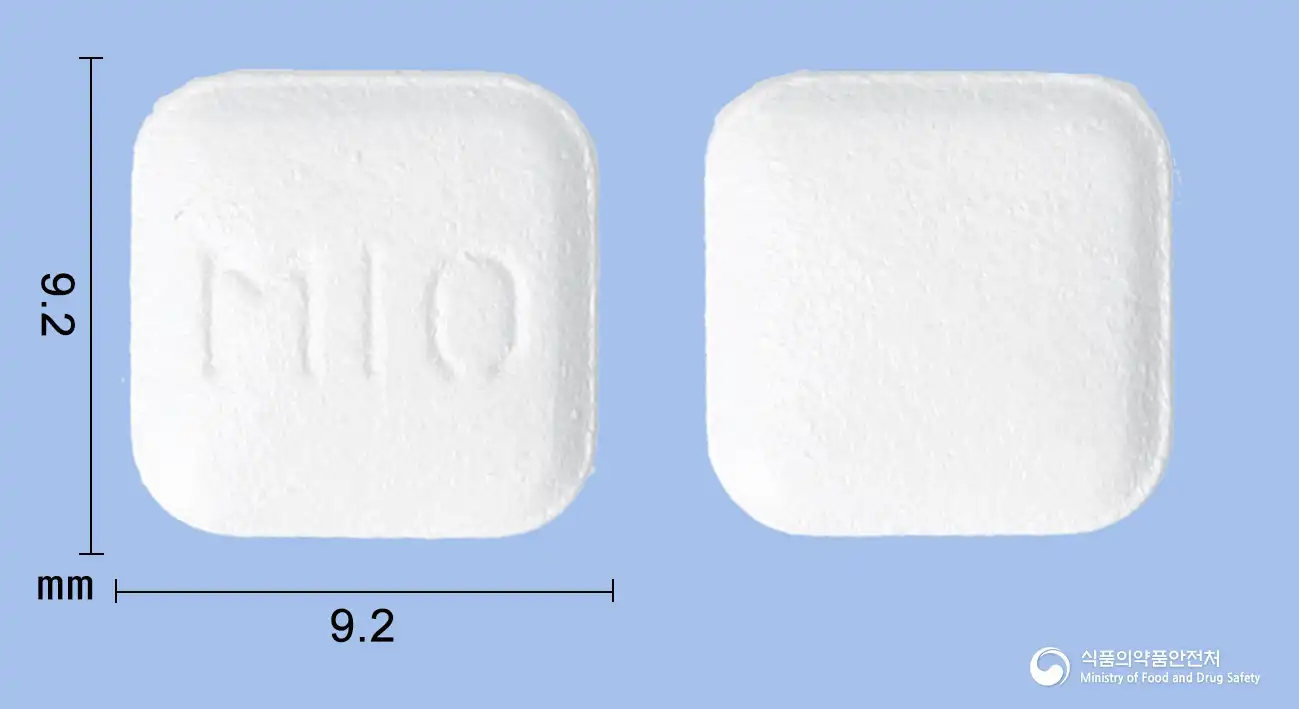
White square-shaped extended-release film-coated tablets
28 tablets/box [(14T/PTP*2)], 30 tablets/bottle, 100 tablets/bottle
Even with the same ingredient, strength, dosage form and how it is taken can differ.
Viewing nowDesvenlafaxine Benzoate 36.5925mg
Tablet · Prescription medication
Myungin Pharmaceutical Co., Ltd.
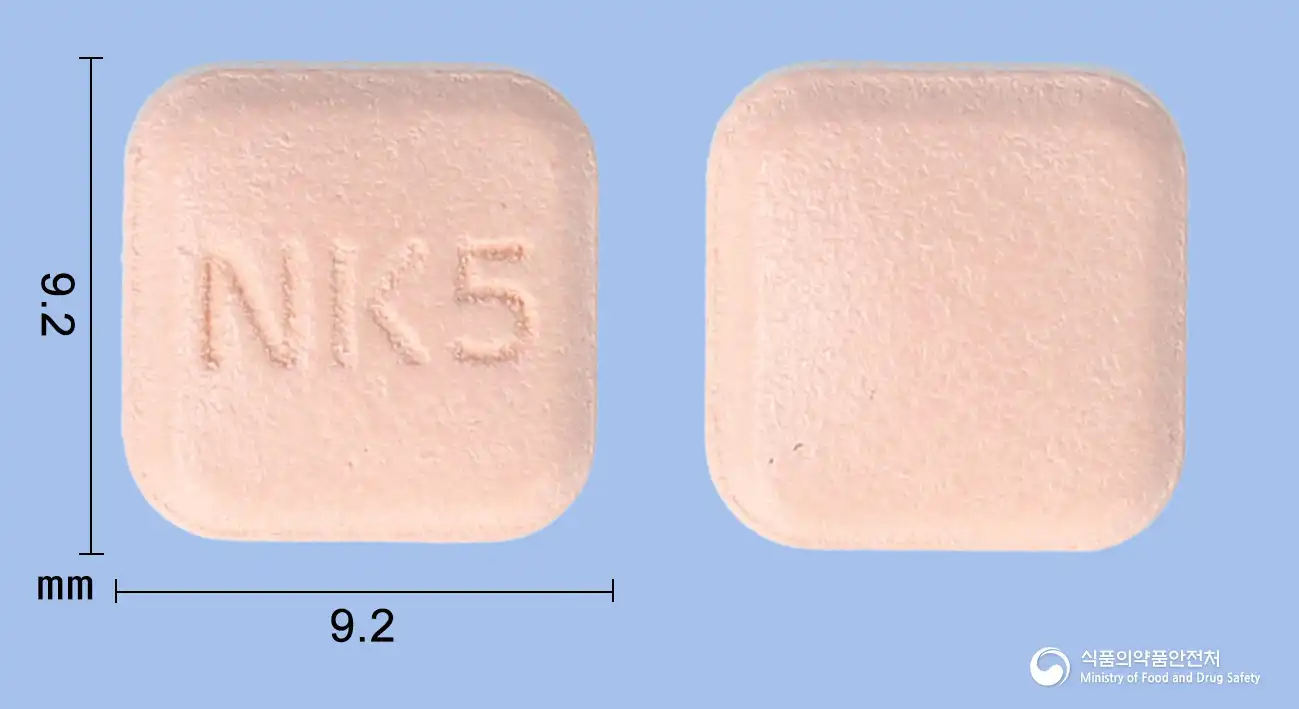
Desvenlafaxine Benzoate 73.185mg
Tablet · Prescription medication
NexPharm Korea Co., Ltd.
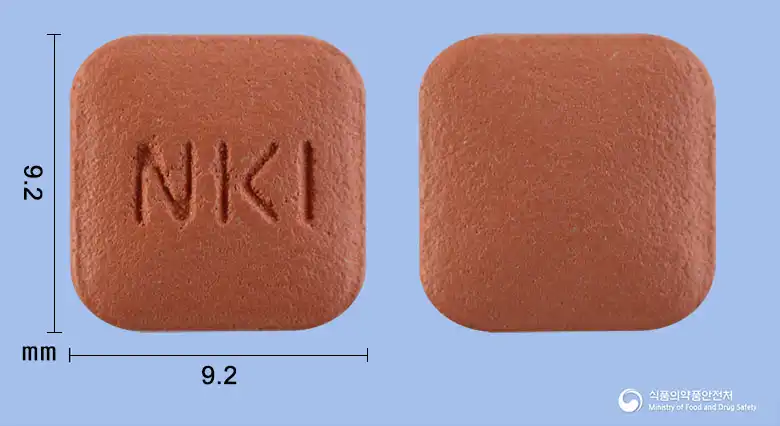
Desvenlafaxine Benzoate 146.37mg
Tablet · Prescription medication
Nexpharm Korea Co., Ltd.
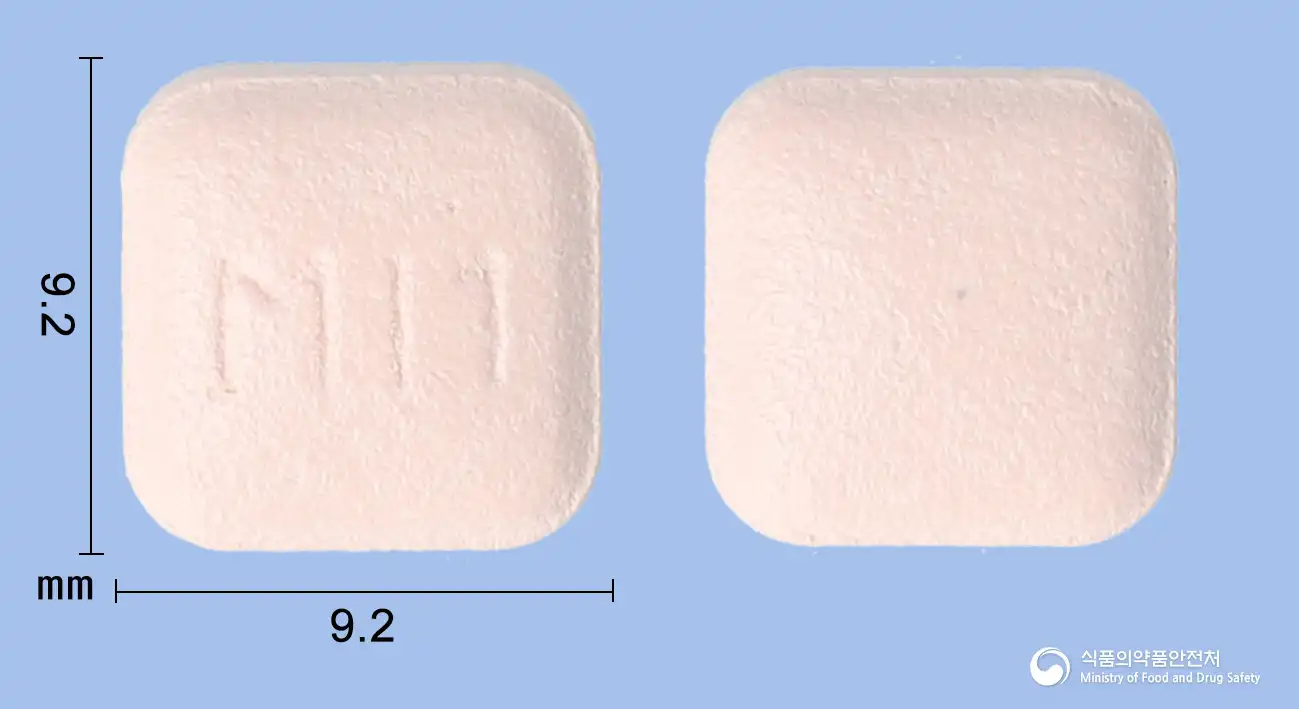
Desvenlafaxine Benzoate 73.185mg
Tablet · Prescription medication
Myeongin Pharmaceutical Co., Ltd.
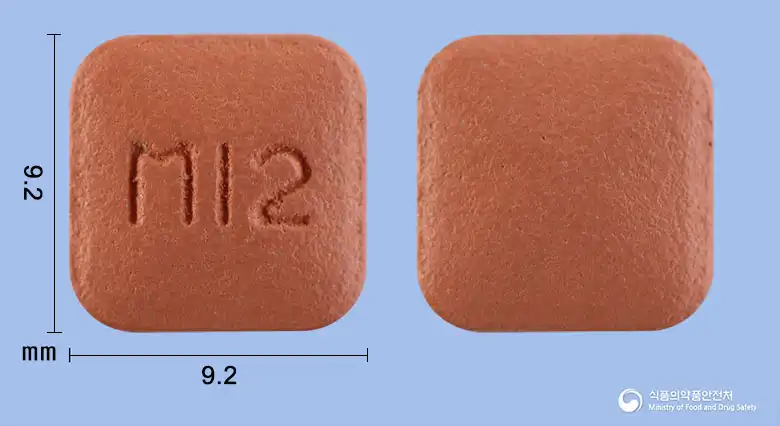
Desvenlafaxine Benzoate 146.37mg
Tablet · Prescription medication
Myungin Pharmaceutical Co., Ltd.
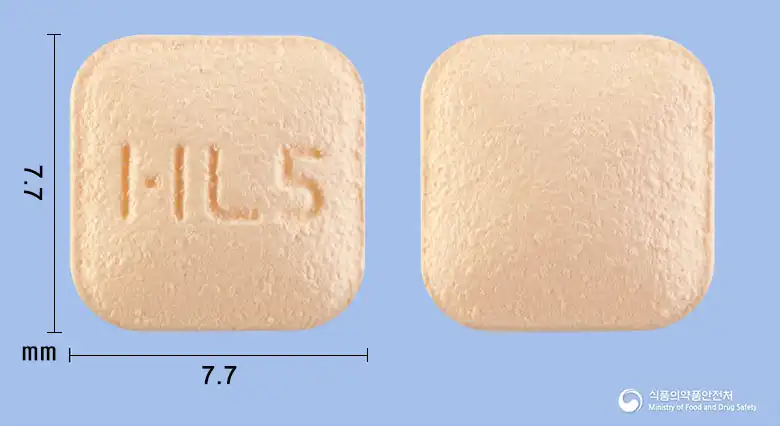
Desvenlafaxine Benzoate 73.185mg
Tablet · Prescription medication
Hankook Pharmaceutical Co., Ltd.
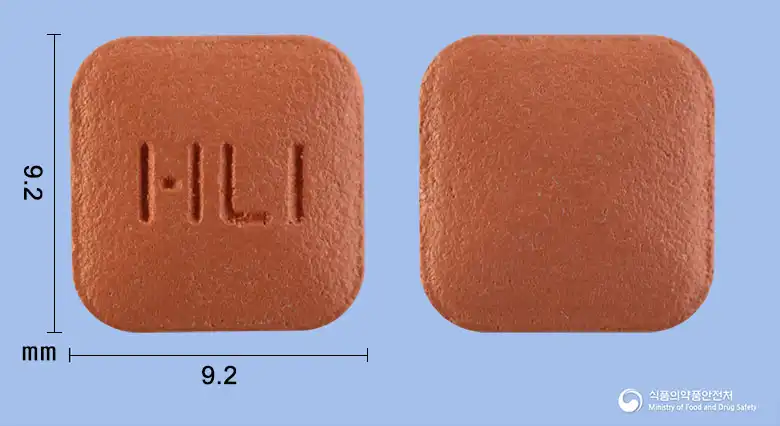
Desvenlafaxine Benzoate 146.37mg
Tablet · Prescription medication
Hanlim Pharmaceuticals Co., Ltd.
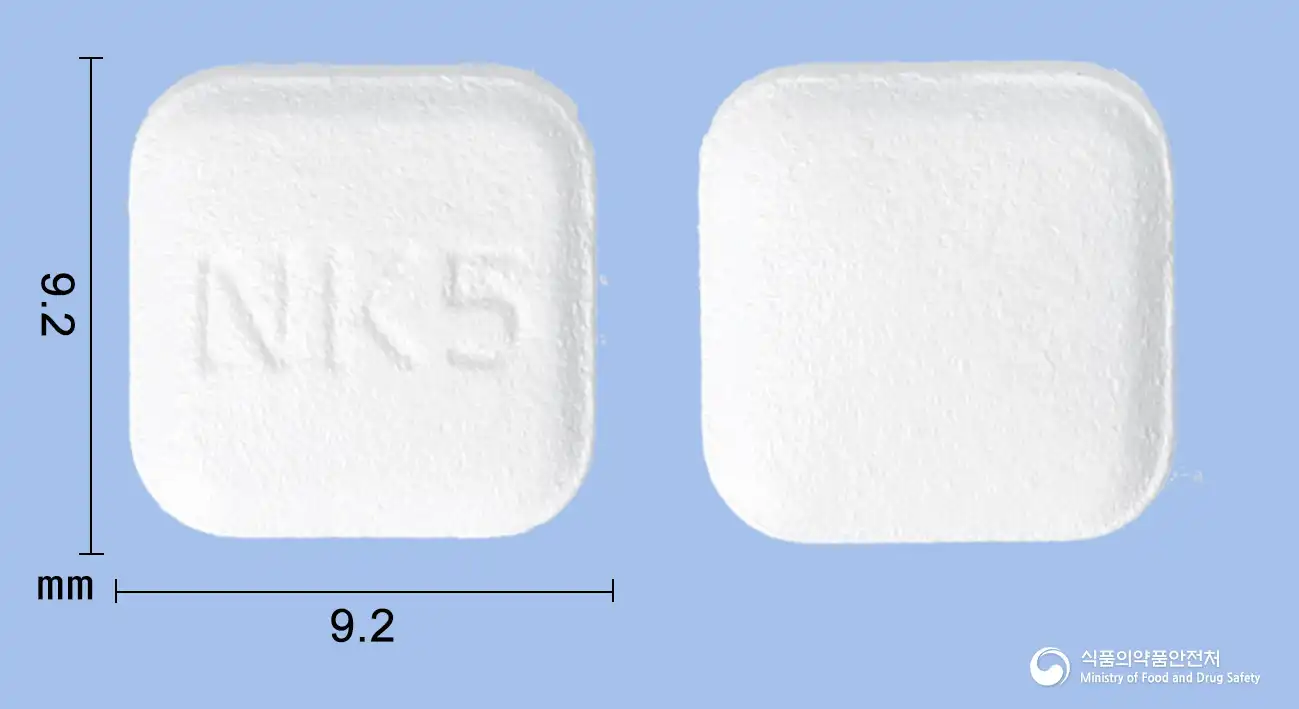
Desvenlafaxine Benzoate 36.5925mg
Tablet · Prescription medication
Nexpam Korea Co., Ltd.
Even with the same ingredient, the dose and directions can differ by strength and dosage form. Talk to a doctor or pharmacist before switching from a medication you are already taking.
No questions yet.
For anything that needs medical judgment, consult a doctor or pharmacist.
This drug information is based on data provided by the Korea Ministry of Food and Drug Safety.
Consult a doctor or pharmacist for accurate dosage, administration, and usage instructions.