
 한국어
 English
 日本語
 中文(简体)
Dosage form image
Viewing nowImabek Tablet 100 Milligrams (Imatinib Mesylate)
Imatinib Mesylate 119.5mg
Tablet · Prescription medication
Daewong Pharmaceutical Co., Ltd.
MFDS item code 202500743 · Approved 2025.03.31
Treatment of hematologic diseases (chronic myeloid leukemia, etc.), gastrointestinal stromal tumors, and dermatofibrosarcoma protuberans
This medication is used for the treatment of chronic phase, accelerated phase, and blast phase of chronic myeloid leukemia confirmed as Philadelphia chromosome positive. Additionally, it is effective as adjuvant therapy for patients with unresectable or metastatic Kit (CD117) positive gastrointestinal stromal tumors and to prevent recurrence after surgery. It is also used in the treatment of refractory conditions such as myelodysplastic syndromes with certain tyrosine kinase mutations sensitive to Imatinib, hypereosinophilia syndrome, chronic eosinophilic leukemia, and dermatofibrosarcoma protuberans. The treatment effect can be expected through improvements in hematologic, cytogenetic responses, and tumor response rates for each condition. This drug plays a critical role in the treatment of complex blood and tumor disorders and contributes to the improvement of patients' conditions.
1. Chronic Myeloid Leukemia (CML) Adults A dose of 400mg once daily is recommended for adult patients with Philadelphia chromosome-positive chronic-phase chronic myeloid leukemia. A dose of 600mg once daily is recommended for adult patients with Philadelphia chromosome-positive accelerated-phase or blast-phase (blast crisis) chronic myeloid leukemia. In the following cases, if there are no severe adverse reactions and no severe neutropenia or thrombocytopenia unrelated to leukemia, an increase from 400mg to 600mg may be considered in adults with chronic-phase disease, or an increase from 600mg to 800mg (400mg twice daily) may be considered in adults with accelerated-phase or blast-phase (blast crisis) disease: Disease progression (at any time) Failure to achieve a satisfactory hematologic response after at least 3 months of treatment Failure to achieve a cytogenetic response after 6-12 months of treatment Loss of a previously achieved hematologic or cytogenetic response 2. Gastrointestinal Stromal Tumor (GIST) A dose of 400mg daily is recommended for adults with Kit (CD 117)-positive, unresectable and/or metastatic malignant gastrointestinal stromal tumor (GIST). A dose of 400mg daily is recommended for adults receiving this drug as adjuvant therapy after surgery to resect a Kit (CD 117)-positive gastrointestinal stromal tumor. The optimal duration of treatment with this drug as adjuvant therapy has not been established. In a clinical trial comparing 1 year and 3 years of treatment with this drug in patients at high risk of GIST recurrence, a treatment duration of 3 years was recommended. 3. The following diseases associated with tyrosine kinases sensitive to imatinib, for which previous drugs or treatment regimens have failed or no clinical treatment with a clear benefit is available: Myelodysplastic syndrome/myeloproliferative disease: A dose of 400mg daily is recommended. Hypereosinophilic syndrome/chronic eosinophilic leukemia: A dose of 100mg daily is recommended. The dose may be increased to 400mg daily. Recurrent or metastatic dermatofibrosarcoma protuberans: 800mg daily (400mg twice daily) 4. Other Take the prescribed dose with a meal and plenty of water to minimize the risk of gastrointestinal irritation. Take doses of 400mg or 600mg once daily, and take an 800mg dose as 400mg twice daily. For patients unable to swallow film-coated tablets, the tablets may be suspended in water or apple juice. Place the required number of tablets in an appropriate amount of beverage and stir. (For 100mg tablets, approximately 50mL of liquid.) Take the suspension of fully disintegrated tablets immediately. Continue treatment until there is evidence of disease progression or unacceptable toxicity. Because the incidence of adverse reactions may increase at higher doses, patients whose dose is increased should be monitored closely. This drug is metabolized mainly in the liver, and the minimum recommended dose for patients with mild, moderate, or severe hepatic impairment is 400mg daily. The dose may be reduced if it is not tolerated. Renal excretion of this drug and its metabolites is minimal. The minimum recommended starting dose for patients with renal impairment or those receiving hemodialysis is 400mg daily. However, caution is required when administering this drug to patients with renal impairment. If the dose is not tolerated, it may be reduced; if it is tolerated but efficacy is insufficient, the dose may be increased. No specific pharmacokinetic studies of this drug have been conducted in elderly patients; however, no significant age-related pharmacokinetic differences were observed in approximately 20% of patients aged 65 years or older who participated in clinical trials. No specific dose is recommended for elderly patients. 5. Dose Adjustment If nonhematologic adverse reactions occur If a severe nonhematologic adverse reaction occurs with the use of this drug, interrupt treatment until the symptoms resolve. Then resume treatment as appropriate according to the initial severity of the adverse reaction. If the bilirubin level rises to more than 3 times the institutional upper limit of normal (IULN), or hepatic transaminases rise to more than 5 times the institutional upper limit of normal (IULN), treatment should be interrupted until the bilirubin level is no more than 1.5 times the institutional upper limit of normal (IULN) and transaminases are below 2.5 times the institutional upper limit of normal (IULN). Treatment may then be continued at a reduced daily dose. Reduce the adult dose from 400mg to 300mg, from 600mg to 400mg, or from 800mg to 600mg. If hematologic adverse reactions occur Hypereosinophilic syndrome and chronic eosinophilic leukemia (initial dose 100mg): ANC < 1.0 × 10⁹/L and/or platelets < 50 × 109/L. Interrupt treatment with this drug until ANC ≥ 1.5 × 10⁹/L and platelet count ≥ 75 × 109/L. Resume treatment with this drug at the previous dose (the dose used before the severe adverse reaction occurred). Chronic-phase chronic myeloid leukemia, myelodysplastic syndrome/myeloproliferative disease, gastrointestinal stromal tumor (initial dose 400mg); hypereosinophilic syndrome/chronic eosinophilic leukemia (dose 400mg): ANC < 1.0 × 10⁹/L and/or platelets < 50 × 109/L. Interrupt treatment with this drug until ANC ≥ 1.5 × 10⁹/L and platelet count ≥ 75 × 109/L. Resume treatment with this drug at the original starting dose of 400mg. If ANC falls again to < 1.0 × 10⁹/L and/or platelet count falls again to < 50 × 109/L, repeat step 1 and resume treatment at the reduced dose of 300mg. Accelerated-phase or blast-phase chronic myeloid leukemia (initial dose 600mg): ANC < 0.5 × 10⁹/L and/or platelets < 10 × 109/L. Determine whether the cytopenia is related to leukemia (bone marrow aspiration or biopsy). If the cytopenia is not related to leukemia, reduce the dose of this drug to 400mg. If the cytopenia persists for 2 weeks, reduce the dose further to 300mg. If the cytopenia persists for 4 weeks and is still not related to leukemia, interrupt treatment with this drug until ANC ≥ 1 × 10⁹/L and platelet count ≥ 20 × 109/L, then resume treatment at a dose of 300mg. Dermatofibrosarcoma protuberans (initial dose 800mg): ANC < 1.0 × 10⁹/L and/or platelets < 50 × 109/L. Interrupt treatment with this drug until ANC ≥ 1.5 × 10⁹/L and platelet count ≥ 75 × 109/L. Resume treatment with this drug at 600mg. If ANC falls again to < 1.0 × 10⁹/L and/or platelet count falls again to < 50 × 109/L, repeat step 1 and resume treatment at the reduced dose of 400mg. 1) Occurring after at least 1 month of treatment
1. Chronic myeloid leukemia (CML) Children For pediatric patients with Philadelphia chromosome-positive chronic-phase, accelerated-phase, or blast-phase chronic myeloid leukemia, a dose of 340mg/m2 per day based on body surface area is recommended (not exceeding a total daily dose of 600mg). It may be administered once daily or in 2 divided doses, in the morning and evening. Other In pediatric patients, this drug may be taken once daily or, optionally, the daily dose may be divided into 2 doses taken in the morning and evening. Dose adjustment Treatment may then be continued at a reduced daily dose. Reduce the pediatric dose from 340mg/m2 to 260mg/m2, or from 260mg/m2 to 200mg/m2. Pediatric chronic-phase chronic myeloid leukemia (starting dose 340mg/m2): ANC < 1.0 × 10⁹/L and/or platelets < 50 × 109/L. Interrupt treatment with this drug until ANC ≥ 1.5 × 10⁹/L and platelet count ≥ 75 × 109/L. Resume treatment at the previous dose (before the severe adverse reaction). If ANC falls again to < 1.0 × 10⁹/L and/or platelet count to < 50 × 109/L, repeat step 1 and resume treatment at the reduced dose of 260mg/m2. Pediatric accelerated-phase or blast-phase chronic myeloid leukemia (starting dose 340mg/m2): ANC < 0.5 × 10⁹/L and/or platelets < 10 × 109/L. Determine whether the cytopenia is related to leukemia (bone marrow aspiration or biopsy). If the cytopenia is not related to leukemia, reduce the dose of this drug to 260mg/m2. If the cytopenia persists for 2 weeks, further reduce the dose to 200mg/m2. If the cytopenia persists for 4 weeks and is still unrelated to leukemia, interrupt treatment with this drug until ANC ≥ 1 × 10⁹/L and platelet count ≥ 20 × 109/L, then resume treatment at a dose of 200mg/m2.
This drug should not be used in patients with hypersensitivity to this drug or other components. Caution is necessary when taken with other medications as there may be drug interactions, particularly when combined with drugs metabolized in the liver, as there is a risk of reduced therapeutic effect. Patients with impaired liver function require close monitoring when using this drug, and liver function should be frequently assessed. Patients taking levothyroxine after thyroid surgery should have their thyroid function examined regularly. Regular weight monitoring is necessary as fluid retention or edema may occur, particularly in patients with heart disease. Patients with a history of heart disease or renal failure should carefully monitor their heart and kidney status, and immediate treatment is necessary if abnormal symptoms occur. There is a risk of gastrointestinal bleeding; if gastrointestinal symptoms appear, consult a physician immediately and consider stopping the medication if necessary. Tumor lysis syndrome may occur, so dehydration should be corrected and uric acid levels managed before treatment. Patients with chronic hepatitis B virus infection need pre-treatment testing and regular monitoring during treatment as there is a risk of hepatitis reactivation; consultation with a specialist is required. Blood tests to check blood cell counts should be performed regularly during treatment, and liver and kidney functions should also be periodically tested. In pediatric patients, growth delays have been reported, so growth status should be closely monitored. Dizziness, drowsiness, and blurred vision may occur when taking this drug, so caution is required when driving or operating machinery.
Neutropenia, thrombocytopenia, anemia, headache, dyspepsia, edema, weight gain, nausea, vomiting, muscle cramps, musculoskeletal pain, diarrhea, rash, fatigue, abdominal pain, herpes zoster, herpes simplex, nasopharyngitis, pneumonia, sinusitis, furunculosis, upper respiratory infection, influenza, urethritis, gastroenteritis, sepsis, fungal infection, tumor bleeding, tumor necrosis, pancytopenia, febrile neutropenia, thrombocytosis, lymphocytopenia, bone marrow suppression, eosinophilia, lymphadenopathy, hemolytic anemia, anorexia, hypokalemia, hyperphagia, hypophosphatemia, decreased appetite, dehydration, gout, hypercalciuria, hypercalcemia, hyperglycemia, hyponatremia, hyperkalemia, hypomagnesemia, insomnia, depression, decreased libido, anxiety, confusion, dizziness, paralysis, taste disturbance, sensory impairment, migraine, drowsiness, syncope, peripheral neuropathy, memory impairment, sciatica, restless legs syndrome, tremor, cerebral hemorrhage, somnolence, increased intracranial pressure, seizures, optic neuritis, eyelid edema, increased lacrimation, conjunctival hemorrhage, conjunctivitis, dry eyes, blurred vision, eye irritation, ocular pain, orbital edema, scleral hemorrhage, retinal hemorrhage, blepharitis, macular edema, cataract, glaucoma, papilledema, vitreous hemorrhage, dizziness, tinnitus, hearing loss, palpitations, tachycardia, congestive heart failure, pulmonary edema, heart failure, arrhythmia, atrial fibrillation, cardiac arrest, myocardial infarction, angina pectoris, pericardial effusion, flushing, bleeding, hypertension, hematoma, subdural hematoma, peripheral coldness, hypotension, Raynaud's phenomenon, dyspnea, epistaxis, cough, pleural effusion, pharyngodynia, pharyngitis, pleuritic pain, pulmonary fibrosis, pulmonary hypertension, pulmonary hemorrhage, distension, abdominal bloating, gastroesophageal reflux, constipation, thirst, gastritis, stomatitis, oral ulcer, gastrointestinal bleeding, belching, hematochezia, esophagitis, ascites, gastric ulcer, hematemesis, cheilitis, dysphagia, pancreatitis, colitis, diverticulitis, bowel obstruction, inflammatory bowel disease, elevated liver enzymes, hyperbilirubinemia, hepatitis, jaundice, liver failure, hepatic necrosis, periorbital edema, dermatitis, eczema, pruritus, facial edema, dry skin, erythema, hair loss, night sweats, photosensitivity rash, pustular rash, contusions, increased sweating, urticaria, petechial hemorrhage, increased incidence of contusions, aplastic anemia, skin hypopigmentation, exfoliative dermatitis, nail brittleness, folliculitis, petechiae, psoriasis, photopigmentation, skin hyperpigmentation, bullous pemphigoid, acute febrile neutrophilic dermatosis, nail discoloration, angioedema, vesicular rash, erythema multiforme, leukocytoclastic vasculitis, Stevens-Johnson syndrome, acute generalized exanthematous pustulosis, arthralgia, joint swelling, joint and muscle stiffness, myasthenia, arthritis, avascular necrosis, chronic kidney failure, renal colic, hematuria, acute renal failure, increased urinary frequency, gynecomastia, erectile dysfunction, menorrhagia, irregular menstruation, sexual dysfunction, mastalgia, breast enlargement, scrotal edema, weakness, fever, generalized edema, chills, rigidity, hemorrhage, chest pain, malaise, weight loss, increased blood creatinine, increased blood creatine phosphokinase, increased blood lactic dehydrogenase, increased blood alkaline phosphatase, increased blood amylase, reactivation of hepatitis B, thrombotic microangiopathy, cerebral edema, vitreous hemorrhage, pericarditis, cardiac tamponade, thrombosis, embolism, anaphylactic shock, acute respiratory failure, interstitial lung disease, colonic obstruction, small bowel obstruction, gastrointestinal perforation, lichen planus keratosis, lichen planus, pemphigus, toxic epidermal necrolysis, DRESS syndrome, pseudoporphyria, rhabdomyolysis, myopathy, hemorrhagic corpus luteum, hemorrhagic ovarian cyst, vitamin B12 deficiency, liver abscess, hypothyroidism, azotemia, nail and toe abnormalities, conjunctival injection, ocular hemorrhage, bronchitis, irritable bowel syndrome, stomatitis, lip blister, lacrimal gland dysfunction, ocular hyperemia, drug intolerance, heat sensation, mucosal inflammation, vesicles, epidermal peeling, skin lesions, neck mass, neuralgia, voiding dysfunction, nausea, vomiting, diarrhea, rash, erythema, edema, swelling, fatigue, muscle cramps, thrombocytopenia, pancytopenia, abdominal pain, headache, decreased appetite, weakness, myalgia, increased CPK, increased bilirubin, gastrointestinal pain, fever, facial swelling, increased transaminases
Not everyone experiences these, and they can vary from person to person.
This medication should be stored in a tightly sealed container to protect it from air and moisture. Additionally, it is advised to store it at room temperature, between 15 degrees and 30 degrees, to maintain its efficacy.
Dark yellow-brown, round film-coated tablet
1 Box - 60 tablets/box [(10 tablets/PTP) X 6]
Even with the same ingredient, strength, dosage form and how it is taken can differ.
Imatinib Mesylate 119.5mg
Tablet · Prescription medication
Daewong Pharmaceutical Co., Ltd.
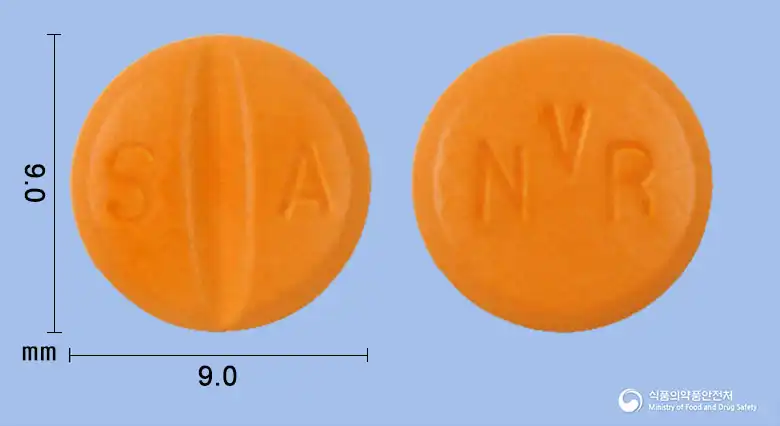
Imatinib Mesylate 119.5mg
Tablet · Prescription medication
Korea Novartis Co., Ltd.
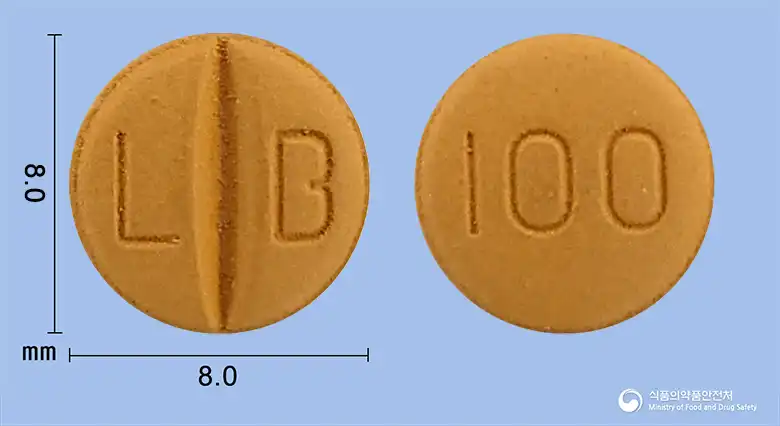
Imatinib Mesylate 119.5mg
Tablet · Prescription medication
Jongkundang Co., Ltd.
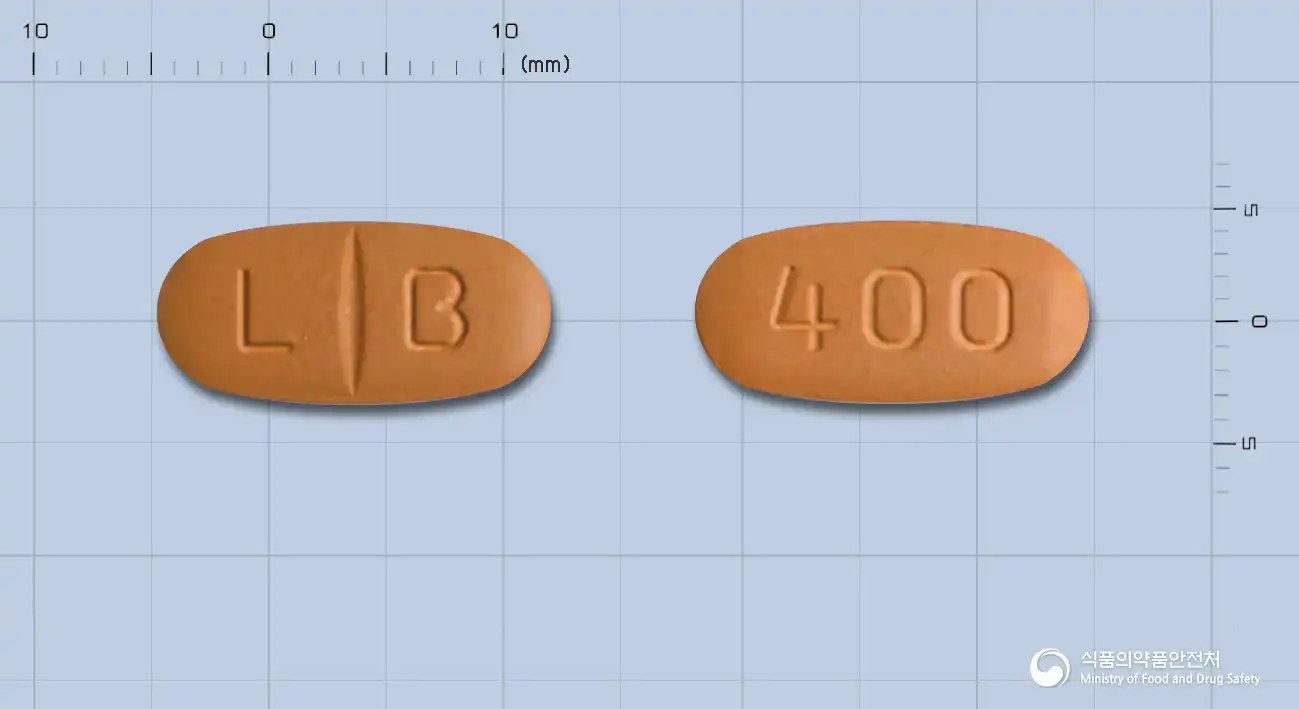
Imatinib Mesylate 478mg
Tablet · Prescription medication
Jongkundang Co., Ltd.
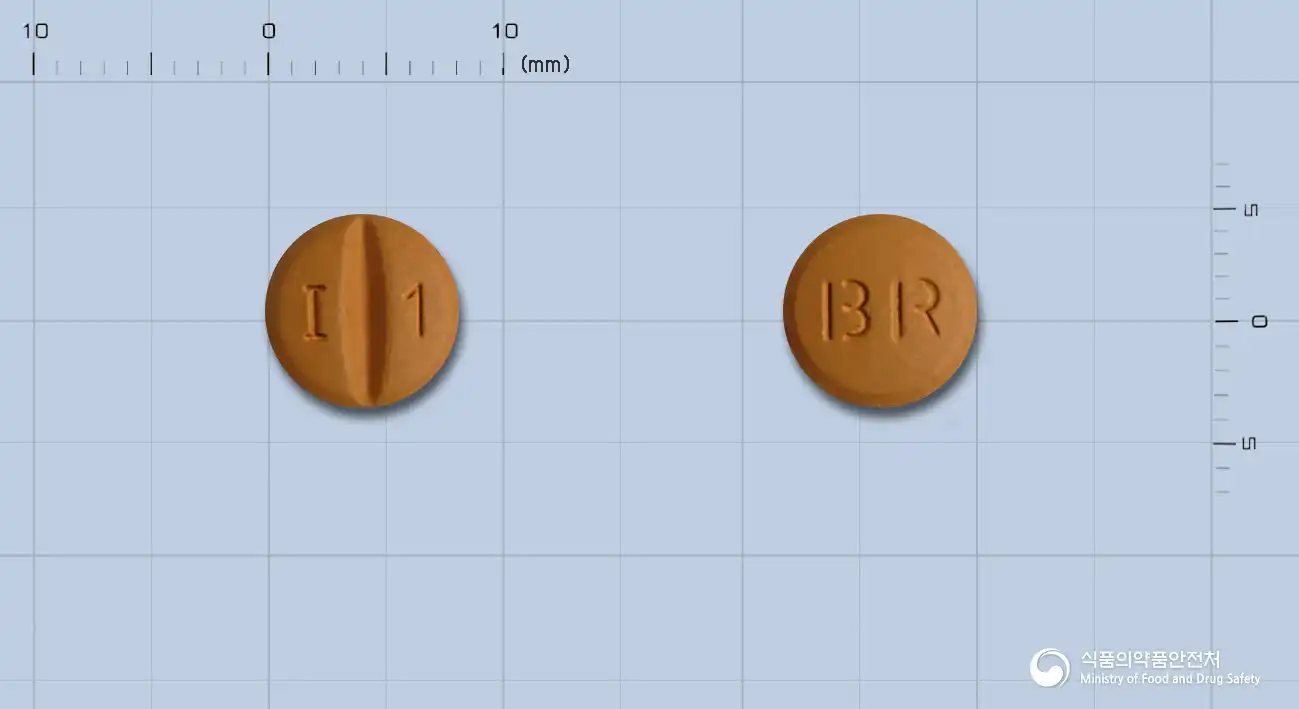
Imatinib Mesylate 119.5mg
Tablet · Prescription medication
Boryung Pharmaceutical Co., Ltd.
Imatinib Mesylate
Prescription medication
IlDong Pharmaceutical Co., Ltd.
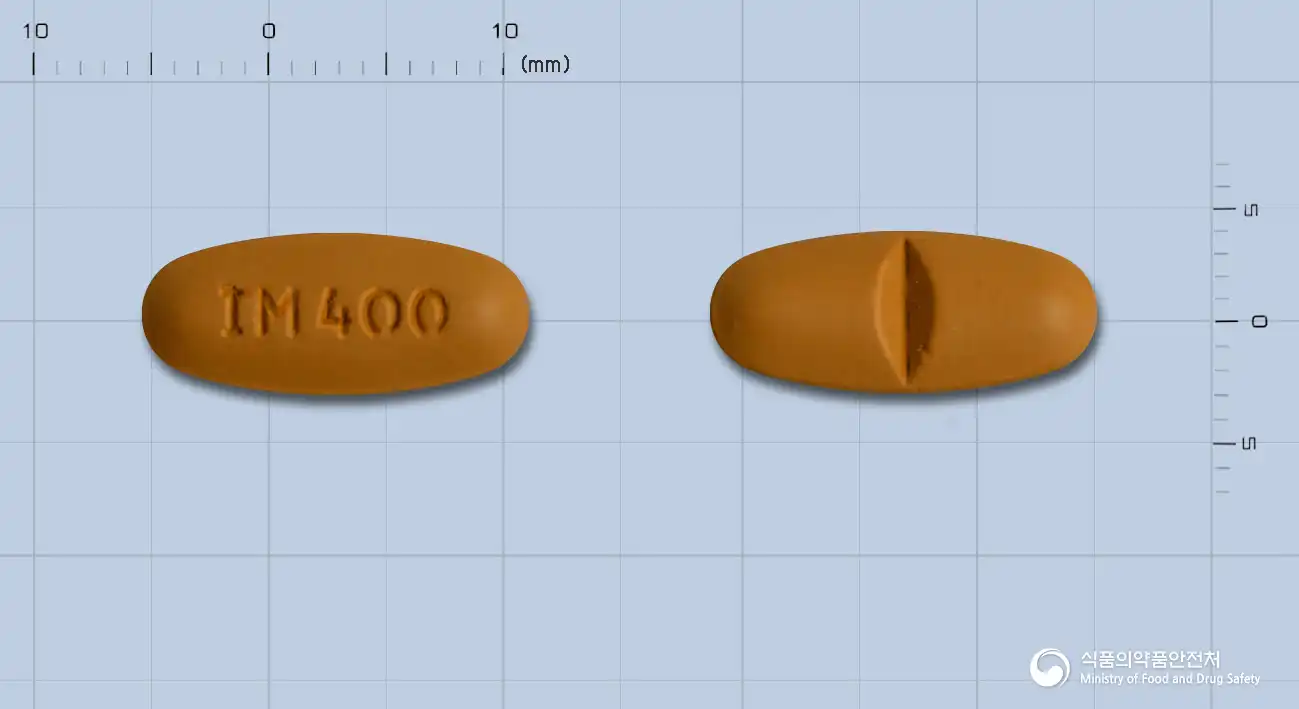
Imatinib Mesylate 478mg
Tablet · Prescription medication
Hanmi Pharmaceutical Co., Ltd.
Imatinib Mesylate
Prescription medication
Il Dong Pharmaceutical Co., Ltd.
Even with the same ingredient, the dose and directions can differ by strength and dosage form. Talk to a doctor or pharmacist before switching from a medication you are already taking.
No questions yet.
For anything that needs medical judgment, consult a doctor or pharmacist.
This drug information is based on data provided by the Korea Ministry of Food and Drug Safety.
Consult a doctor or pharmacist for accurate dosage, administration, and usage instructions.