
 한국어
 English
 日本語
 中文(简体)
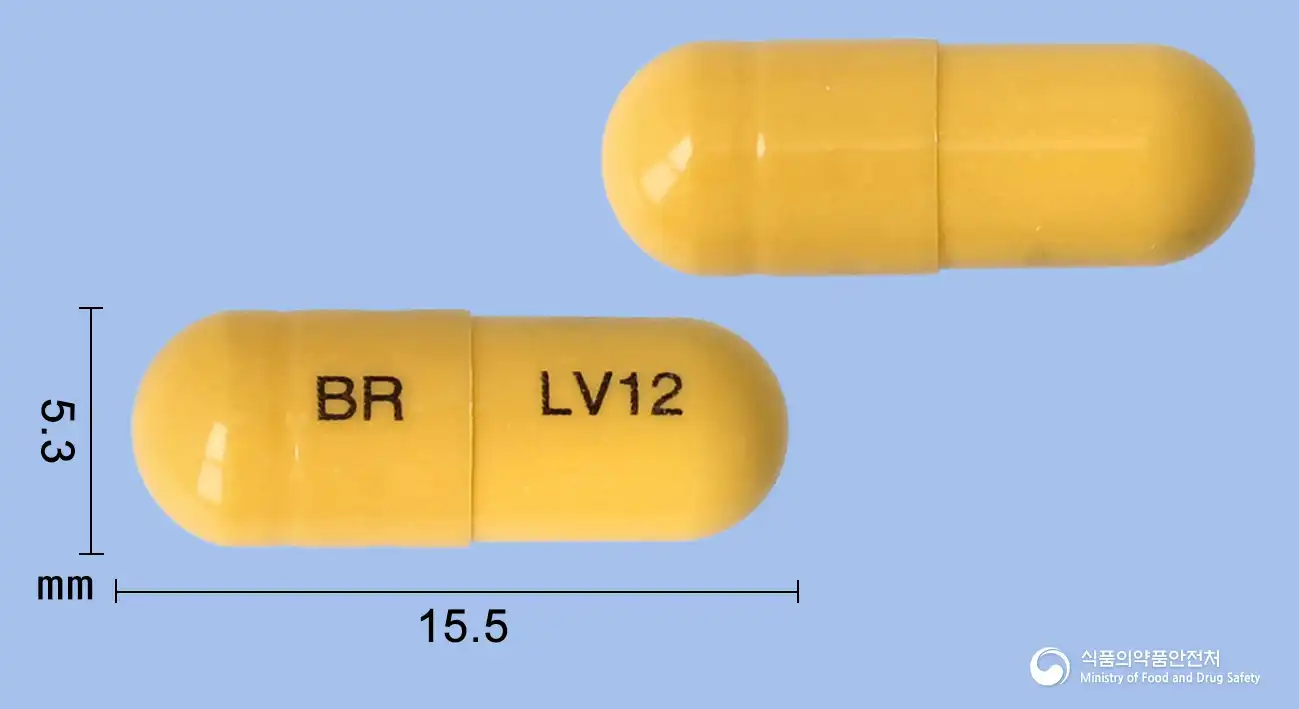 Viewing now
Lenvatinib Capsule 12mg (Lenvatinib Mesylate Dimethyl Sulfoxide)
Lenvatinib Mesylate Dimethylsulfoxide 16.896mg
Hard capsule · Prescription medication
Boryung Co., Ltd.
MFDS item code 202500249 · Approved 2025.02.06 · Insurance code 641908590
Treatment of cancer (including thyroid cancer, hepatocellular carcinoma, and endometrial cancer)
This medication is used for the treatment of various types of cancer. Firstly, it is effective in patients with progressive differentiated thyroid cancer that does not respond to radioactive iodine therapy. It is also suitable as a first-line treatment for patients with unresectable hepatocellular carcinoma. In patients with endometrial cancer who have previously received systemic therapy and for whom surgery or radiation therapy is difficult, it is used in combination with pembrolizumab for those without a specific genetic status. Additionally, it is used in combination with pembrolizumab as first-line treatment for progressive renal cell carcinoma. This medication provides a positive therapeutic effect for cancer treatment.
Treatment with this drug should be initiated and supervised by a specialist with sufficient knowledge and experience in cancer therapy. Treatment should continue until the patient no longer derives clinical benefit or unacceptable toxicity occurs. Take this drug orally once daily at the same time each day, regardless of meals. If a dose is missed at the scheduled time and less than 12 hours remain until the next day's dose, skip the missed dose. Do not take a double dose the next day. The patient's caregiver should not open the capsules to avoid repeated exposure to the contents of the capsules. The capsules may be swallowed whole or dissolved in a small cup. To dissolve in liquid, do not break or crush the capsules; place them in one tablespoon of water for at least 10 minutes and stir for at least 3 minutes. After drinking the suspension, add one tablespoon of water to the cup, swirl it several times to rinse, and drink the rinse. Differentiated thyroid cancer: The recommended dose of this drug in adults is 24mg once daily. The daily dose may be adjusted as needed to manage adverse reactions (see section “2) Dose adjustment” below). Take this drug orally once daily at the same time each day, regardless of meals. Hepatocellular carcinoma: The recommended dose of this drug is based on body weight. Patients weighing 60kg or more: 12mg Patients weighing less than 60kg: 8mg Continue administration of this drug once daily until disease progression or unacceptable toxicity occurs. There is no clinical evidence for the use of a 10mg dose in hepatocellular carcinoma. Endometrial cancer: The recommended dose of this drug is 20mg orally once daily, continued until disease progression or unacceptable toxicity occurs. Pembrolizumab, administered in combination, is given as an intravenous infusion of 200mg over 30 minutes every 3 weeks. Refer to the prescribing information for pembrolizumab for information on its recommended dosage. Renal cell carcinoma: The recommended dose of this drug is 20mg orally once daily, administered in combination with pembrolizumab 200mg as an intravenous infusion over 30 minutes every 3 weeks. The combination should be administered until disease progression or unacceptable toxicity occurs, or for a maximum of 2 years. After 2 years of combination therapy, this drug may be administered as a single agent until disease progression or unacceptable toxicity occurs. Refer to the prescribing information for pembrolizumab for information on its recommended dosage. Temporary interruption, dose adjustment, or discontinuation of this drug may be necessary to manage adverse reactions. Mild to moderate adverse reactions (e.g., Grade 1 or Grade 2) generally do not warrant discontinuation of this drug, except when the patient cannot tolerate them despite appropriate management. For severe adverse reactions (e.g., Grade 3) or intolerable adverse reactions, temporarily withhold this drug until symptoms resolve or improve, then resume treatment at a reduced dose as shown in Tables 1 and 2. Optimal medical treatment for nausea, vomiting, and diarrhea should be provided before dose reduction or temporary interruption of this drug. Gastrointestinal toxicity should be actively managed to reduce the risk of developing renal impairment or renal failure (see Precautions for Use 4. General Precautions 4) Renal Impairment and Renal Failure). Grade 3 hypertension: Temporarily withhold for Grade 3 hypertension that persists despite appropriate antihypertensive treatment; resume at a reduced dose if hypertension is controlled to Grade 2 or lower Grade 4 hypertension: Permanently discontinue Grade 3 cardiac dysfunction: Temporarily withhold until improvement to Grade 0-1 or baseline; resume at a reduced dose or discontinue, depending on the severity and persistence of the adverse reaction Grade 4 cardiac dysfunction: Permanently discontinue Arterial thrombotic events, all grades: Permanently discontinue Grade 3 or Grade 4 hepatotoxicity: Temporarily withhold until improvement to Grade 0-1 or baseline; resume at a reduced dose or discontinue, depending on the severity and persistence of hepatotoxicity; permanently discontinue for hepatic failure Grade 3 or Grade 4 renal failure or renal impairment: Temporarily withhold until improvement to Grade 0-1 or baseline; resume at a reduced dose or discontinue, depending on the severity and persistence of renal impairment Proteinuria ≥2g/24 hours: Temporarily withhold until reduced to 2g/24 hours or less; resume at a reduced dose; permanently discontinue for nephrotic syndrome Gastrointestinal perforation, all grades: Permanently discontinue Grade 3 or Grade 4 fistula formation: Permanently discontinue QT prolongation >500 ms or an increase of >60 ms from baseline: Temporarily withhold until improvement to ≤480 ms or baseline; resume at a reduced dose Reversible posterior leukoencephalopathy syndrome (RPLS), all grades: Temporarily withhold until complete recovery; resume at a reduced dose or discontinue, depending on the severity and persistence of neurological symptoms Other adverse reactions: Persistent or intolerable Grade 2-3 adverse reactions, Grade 4 laboratory abnormalities: Temporarily withhold until improvement to Grade 0-1 or baseline; resume at a reduced dose Other adverse reactions, Grade 4 adverse reactions: Permanently discontinue a NCI CTCAE version 4.0 Recommended dose reductions of this drug in the event of an adverse reaction: Differentiated thyroid cancer: First dose reduction 20mg once daily; second dose reduction 14mg once daily; third dose reduction 10mg once daily Hepatocellular carcinoma, body weight ≥ 60kg: First dose reduction 8mg once daily; second dose reduction 4mg once daily; third dose reduction 4mg once every other day Hepatocellular carcinoma, body weight < 60kg: First dose reduction 4mg once daily; second dose reduction 4mg once every other day; third dose reduction discontinue treatment Endometrial cancer: First dose reduction 14mg once daily; second dose reduction 10mg once daily; third dose reduction 8mg once daily Renal cell carcinoma: First dose reduction 14mg once daily; second dose reduction 10mg once daily; third dose reduction 8mg once daily When this drug is administered in combination with pembrolizumab, adjust the dose of one or both drugs as appropriate. Temporarily withhold, reduce the dose, or permanently discontinue this drug according to Tables 1 and 2. Refer to the prescribing information for pembrolizumab for additional dose adjustment information. For life-threatening adverse reactions (e.g., Grade 4), treatment should be permanently discontinued. Laboratory abnormalities that are considered not to be life-threatening are excluded; in such cases, they should be managed in accordance with severe adverse reactions (e.g., Grade 3). Reduced tolerability of this drug has tended to occur in patients aged 75 years or older, Asian patients, patients with comorbidities (e.g., hypertension, hepatic impairment, or renal impairment), and patients weighing less than 60kg (see Precautions for Use 3. Adverse Reactions 3) Individual Adverse Reactions). Patients with hypertension: Blood pressure should be controlled before treatment with this drug is initiated, and should be monitored regularly during treatment. If necessary, hypertension should be managed as shown in Table 3 (see Precautions for Use 4. General Precautions 1) Hypertension). 140mmHg ≤ systolic blood pressure <160mmHg or 90mmHg ≤ diastolic blood pressure <100mmHg: If the patient is not receiving antihypertensive medication, initiate antihypertensive therapy while continuing this drug; if the patient is receiving antihypertensive medication, increase the dose of the current antihypertensive medication or initiate additional antihypertensive therapy while continuing this drug Systolic blood pressure ≥160mmHg or diastolic blood pressure ≥100mmHg despite appropriate antihypertensive therapy: 1. Withhold this drug; 2. Resume treatment at a dose reduced by one level in patients whose systolic blood pressure is ≤150mmHg and diastolic blood pressure is ≤95mmHg and who have been receiving stable antihypertensive therapy for at least 48 hours (see Table 1 in the Dosage and Administration section) If life-threatening consequences occur (malignant hypertension, neurological deficit, hypertensive crisis): Prompt intervention is required. Discontinue this drug and initiate appropriate medical management Differentiated thyroid cancer, hepatic impairment: No initial dose adjustment based on hepatic function is required in patients with mild (Child-Pugh A) or moderate (Child-Pugh B) hepatic impairment. An initial dose of 14mg daily is recommended for patients with severe (Child-Pugh C) hepatic impairment. Further dose adjustment may be necessary depending on individual tolerability. Hepatocellular carcinoma, hepatic impairment: Dose adjustment is not recommended for patients with mild hepatic impairment. This drug has not been studied in patients with moderate or severe hepatic impairment. Endometrial cancer, hepatic impairment: Dose adjustment is not recommended for patients with mild or moderate (Child-Pugh A or B) hepatic impairment. The recommended dose of this drug in patients with severe (Child-Pugh C) hepatic impairment is 10mg orally once daily. Renal cell carcinoma, hepatic impairment: Dose adjustment is not recommended for patients with mild or moderate (Child-Pugh A or B) hepatic impairment. The recommended dose of this drug in patients with severe (Child-Pugh C) hepatic impairment is 10mg orally once daily. Differentiated thyroid cancer, renal impairment: No initial dose adjustment based on renal function is required in patients with mild or moderate renal impairment. An initial dose of 14mg daily is recommended for patients with severe renal impairment. Further dose adjustment may be necessary depending on individual tolerability. Patients with end-stage renal disease have not been studied, and administration of this drug is not recommended. Hepatocellular carcinoma, renal impairment: Patients with severe renal impairment and patients with end-stage renal disease have not been studied. Endometrial cancer, renal impairment: Dose adjustment is not recommended for patients with mild or moderate renal impairment. The recommended dose of this drug in patients with severe renal impairment is 10mg orally once daily. Renal cell carcinoma, renal impairment: Dose adjustment is not recommended for patients with mild or moderate renal impairment. The recommended dose of this drug in patients with severe renal impairment (creatinine clearance less than 30mL/min according to the Cockcroft-Gault equation) is 10mg orally once daily. No initial dose adjustment based on age is necessary. Available data in patients aged 75 years or older are limited. No initial dose adjustment based on race is required. Available data in patients of races other than White and Asian are limited.
Under 2 years of age: This medication must not be administered to children under 2 years of age because of safety concerns identified in animal studies (see 11. Other, 1) Results of nonclinical safety studies in Precautions for Use). Aged 2 years to under 18 years: No data are available for children aged 2 years to under 18 years, and safety and efficacy have not been established.
This drug should not be used in patients with allergies to the active ingredients or excipients. Also, it is safe for nursing women to avoid taking this medication. Patients with hypertension or a history of thromboembolism should take this drug with caution. Patients with brain metastases or those with surgical wounds that have not fully healed also need to be cautious. In cases where tumors invade the carotid artery or jugular vein, there is a risk of bleeding, so care should be taken. This medication contains specific pigments, and those allergic to them should be particularly cautious. Taking this medication may result in various side effects including hypertension, diarrhea, decreased appetite, weight loss, fatigue, vomiting, stomatitis, speech difficulties, headaches, and skin abnormalities on the palms and soles. Serious adverse reactions such as cardiac dysfunction, myocardial infarction, pulmonary embolism, liver dysfunction, kidney impairment, bleeding, and reduction in blood cells may also occur, and immediate consultation with a physician is necessary if symptoms arise. Blood pressure, liver and kidney function, and thyroid function should be regularly monitored, and treatment adjustments may be necessary if abnormalities are found. Particularly, this medication may interfere with wound healing, so it should be discontinued for a certain period before and after surgery. Women of childbearing potential should use effective contraception during and for at least one month after taking this medication. Patients with a history of cardiovascular disease should carefully evaluate the risks and benefits before taking this medication. There is an increased risk of bleeding while taking this drug; therefore, any symptoms of bleeding should be promptly reported to the healthcare provider. Electrolyte imbalances may occur, so calcium, potassium, and magnesium levels should be checked regularly and supplemented if necessary. This medication has limited experience in children, so it should be administered with caution in pediatric patients. Elderly patients are at a higher risk of experiencing side effects, hence require careful monitoring.
Urinary tract infection, perineal abscess, thrombocytopenia, leukopenia, neutropenia, lymphopenia, splenic infarction, hypothyroidism, increased serum thyroid-stimulating hormone, hypocalcemia, hypokalemia, weight loss, decreased appetite, dehydration, hypomagnesemia, hypercholesterolemia, tumor lysis syndrome, insomnia, dizziness, headache, taste disturbance, cerebrovascular accident, reversible posterior leukoencephalopathy syndrome, monoparesis, transient cerebral ischemic attack, myocardial infarction, heart failure, prolonged QT interval on ECG, decreased ejection fraction, hemorrhage, hypertension, hypotension, aneurysms and arterial dissection, dysarthria, pulmonary embolism, pneumothorax, diarrhea, gastrointestinal and abdominal pain, vomiting, nausea, oral inflammation, oral pain, constipation, dyspepsia, dry mouth, anal perforation, bloating, increased lipase, increased amylase, pancreatitis, increased serum bilirubin, hypoalbuminemia, increased alanine aminotransferase, increased aspartate aminotransferase, liver failure, hepatic encephalopathy, increased serum alkaline phosphatase, liver dysfunction, increased gamma-glutamyl transferase, cholecystitis, hepatocellular damage, hepatitis, hand-foot erythema and sensory disturbance syndrome, rash, hair loss, hyperkeratosis, back pain, arthralgia, myalgia, limb pain, musculoskeletal pain, jaw bone necrosis, proteinuria, renal failure cases, renal impairment, increased serum creatinine concentration, elevated blood urea nitrogen concentration, nephrotic syndrome, fatigue, weakness, peripheral edema, malaise, impaired wound healing, gastrointestinal fistula, lymph node abscess, folliculitis, urethritis, seizures, sensory decline, peripheral sensory neuropathy, deterioration of general health status, generalized edema, peripheral swelling, acute cholangitis, acute cholecystitis, arterial embolism, inadequate blood pressure control, decreased liver function tests, reduced eating, dermatitis, dry skin, perioral dermatitis, urticaria, dysphagia, gastritis, anal fissure, gingival swelling, flank pain, atelectasis, malignant neoplasm progression, eye discharge, eyelid edema, orbital edema, delirium, sleep disturbances, frequent menstruation, ureterolithiasis, palpitations, hyperthyroidism, pruritus, muscle weakness, cough, productive cough, hepatic encephalopathy, movement disorders, acute kidney injury, urinary abnormalities, increased aspartate aminotransferase, deterioration of performance status in Eastern Cooperative Oncology Group, increased international normalized ratio, elevated C-reactive protein, increased leukocyte count, increased blood creatinine, increased hematocrit, liver failure, hepatorenal syndrome, pneumonia, spontaneous bacterial peritonitis, liver abscess, Clostridium difficile infection, hypothyroidism, tinnitus, hearing loss, auditory impairment, necrotizing pneumonia, sudden death, soft tissue infection, laryngitis, lung abscess, skin exfoliation, acne, hyperhidrosis, skin ulcers, decreased platelet count, pancytopenia, acute kidney injury, hematuria, gum pain, bloody stools, rectal bleeding, hematoma, hemorrhoidal bleeding, laryngeal bleeding, petechial hemorrhage, intracranial tumor bleeding, nosebleeds, hemoptysis, hematuria, gum bleeding, bloody stools, rectal bleeding, hematoma, hemorrhoidal bleeding, laryngeal bleeding, petechial hemorrhage, intracranial tumor bleeding, hemoptysis, pulmonary vein bleeding, pulmonary obstruction, pulmonary inflammation, adrenal insufficiency, dyspnea, pneumonia, cardiopulmonary arrest, sepsis, arrhythmia, autoimmune hepatitis, myocarditis, nephritis, aneurysm rupture, subarachnoid hemorrhage, atrial fibrillation, malignant pleural effusion, intestinal perforation, lower gastrointestinal bleeding, malignant gastrointestinal obstruction, multiple organ dysfunction syndrome, myelodysplastic syndrome, right ventricular dysfunction, myocardial infarction, angina pectoris
Not everyone experiences these, and they can vary from person to person.
This medication should be stored in a tightly closed container to keep out air and moisture, and it is recommended to be kept at room temperature between 1°C and 30°C. This way, the effectiveness of the medication can be well maintained.
A yellow capsule filled with white to pale yellow granules
30 capsules/box [10 capsules/Alu-Alu x 3]
Even with the same ingredient, strength, dosage form and how it is taken can differ.
Viewing nowLenvatinib Mesylate Dimethylsulfoxide 16.896mg
Hard capsule · Prescription medication
Boryung Co., Ltd.
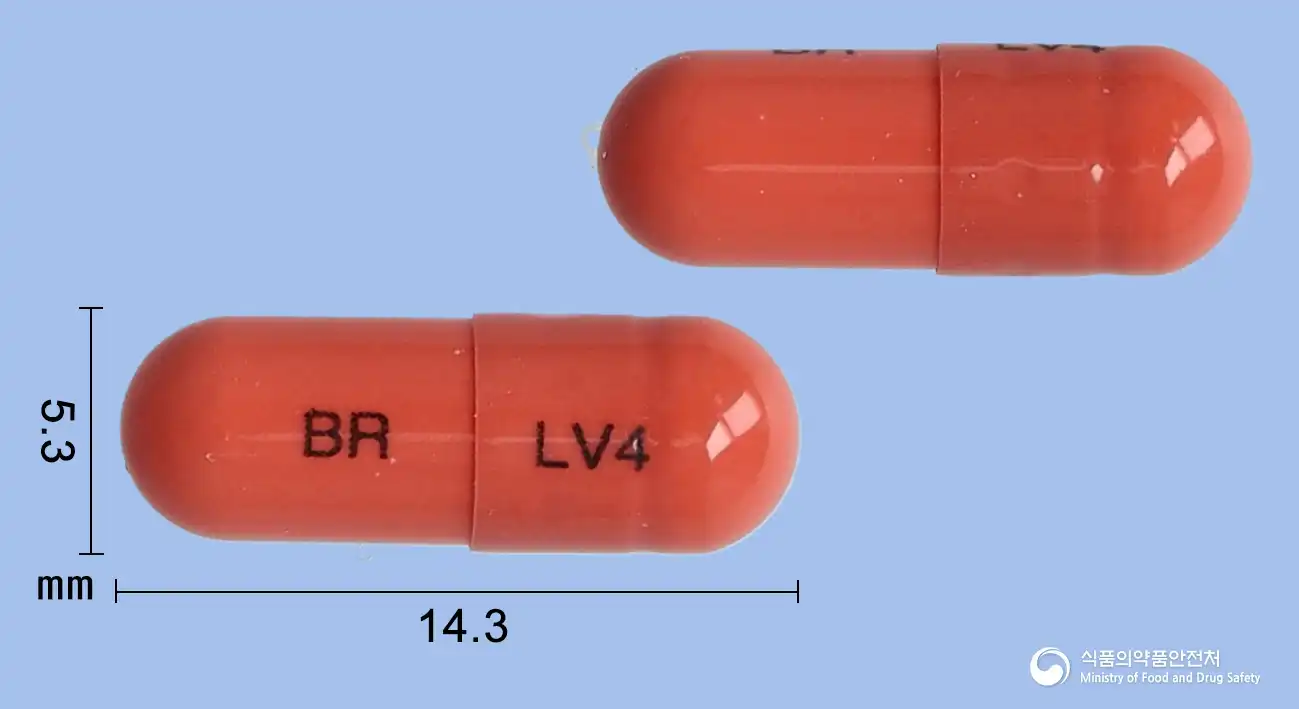
Lenvatinib Mesylate Dimethylsulfoxide 5.632mg
Hard capsule · Prescription medication
Boryung Pharmaceutical Co., Ltd.
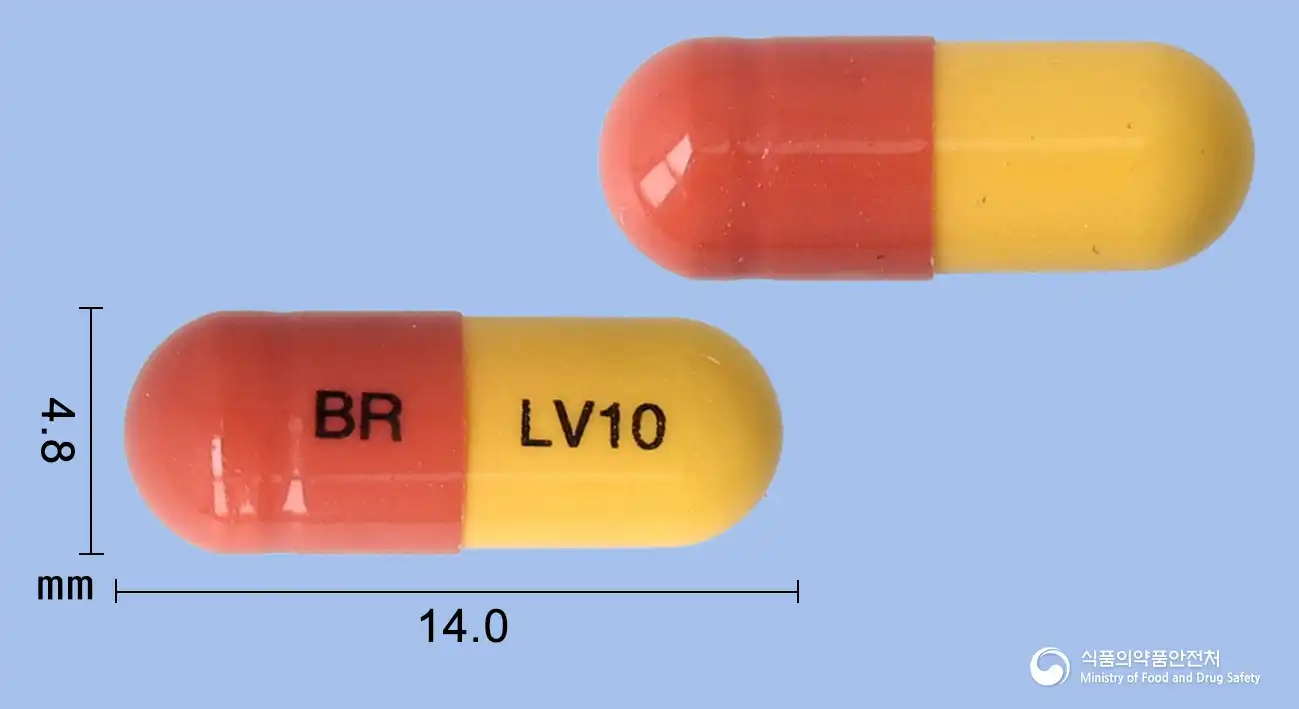
Lenvatinib Mesylate Dimethylsulfoxide 14.08mg
Hard capsule · Prescription medication
Boryung Pharmaceutical Co., Ltd.
Even with the same ingredient, the dose and directions can differ by strength and dosage form. Talk to a doctor or pharmacist before switching from a medication you are already taking.
No questions yet.
For anything that needs medical judgment, consult a doctor or pharmacist.
This drug information is based on data provided by the Korea Ministry of Food and Drug Safety.
Consult a doctor or pharmacist for accurate dosage, administration, and usage instructions.