
 한국어
 English
 日本語
 中文(简体)
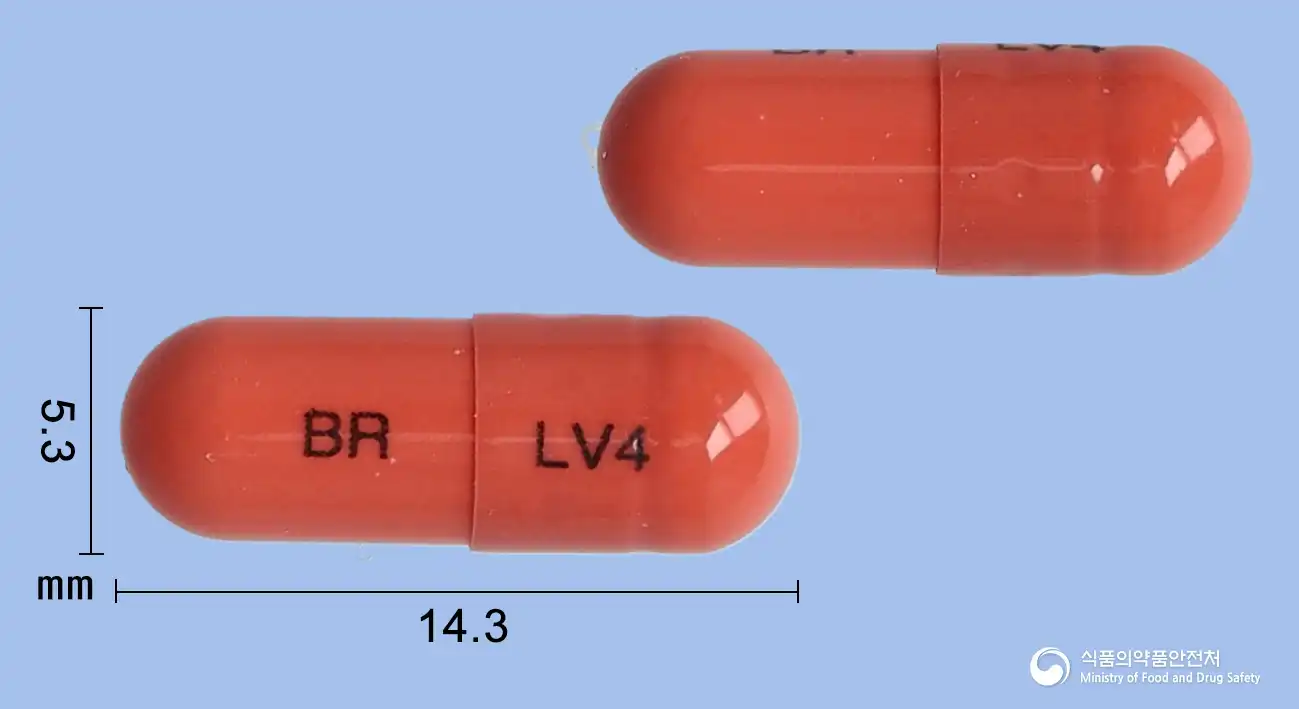 Viewing now
Lenvatinib Capsule 4 mg (Lenvatinib Mesilate Dimethyl Sulfoxide)
Lenvatinib Mesylate Dimethylsulfoxide 5.632mg
Hard capsule · Prescription medication
Boryung Pharmaceutical Co., Ltd.
MFDS item code 202500247 · Approved 2025.02.06 · Insurance code 641908570
Treatment of thyroid cancer, hepatocellular carcinoma, and genitourinary cancers (endometrial and renal cell carcinoma)
This medication is used for patients with localized recurrent or metastatic differentiated thyroid cancer that does not respond to radioactive iodine. It is also effective as a first-line treatment for unresectable hepatocellular carcinoma. For patients with advanced endometrial cancer who have received prior systemic therapy and whose disease has progressed, it can be used in combination with pembrolizumab when surgery or radiation therapy is not appropriate. Additionally, it is used in combination with pembrolizumab for first-line treatment of advanced renal cell carcinoma. This drug plays an important role in the treatment of various cancers and helps improve the therapeutic efficacy for patients.
This medicine should be taken orally once daily at the same time each day, regardless of meals. If you miss a dose at the scheduled time, skip that day's dose if fewer than 12 hours remain until the next day's dose. Do not take a double dose the next day. The capsule may be swallowed whole or dissolved in a small cup. To dissolve it in liquid, do not break or crush the capsule; leave it in one tablespoon of water for at least 10 minutes, then stir for at least 3 minutes. Drink the suspension, then add one tablespoon of water to the cup, swirl it several times to rinse, and drink the rinse. Differentiated thyroid cancer: The recommended dose of this medicine in adults is 24mg once daily. Hepatocellular carcinoma: Patients weighing 60kg or more: 12mg Hepatocellular carcinoma: Patients weighing less than 60kg: 8mg Hepatocellular carcinoma: Continue administration of this medicine once daily until disease progression or unacceptable toxicity occurs. Endometrial cancer: The recommended dose of this medicine is 20mg orally once daily, continued until disease progression or unacceptable toxicity occurs. Pembrolizumab, administered in combination, is given by intravenous infusion over 30 minutes every 3 weeks at a dose of 200mg. Renal cell carcinoma: The recommended dose of this medicine is 20mg orally once daily, administered in combination with pembrolizumab 200mg by intravenous infusion over 30 minutes every 3 weeks. Continue the combination until disease progression or unacceptable toxicity occurs, or for up to 2 years. After 2 years of combination therapy, this medicine may be given as a single agent until disease progression or unacceptable toxicity occurs. Differentiated thyroid cancer dose reductions: 20mg once daily, 14mg once daily, 10mg once daily Hepatocellular carcinoma dose reductions, body weight ≥ 60kg: 8mg once daily, 4mg once daily, 4mg every other day Hepatocellular carcinoma dose reductions, body weight < 60kg: 4mg once daily, 4mg every other day, discontinue treatment Endometrial cancer dose reductions: 14mg once daily, 10mg once daily, 8mg once daily Renal cell carcinoma dose reductions: 14mg once daily, 10mg once daily, 8mg once daily Decreased tolerability of this medicine has tended to occur in patients aged 75 years or older, Asian patients, patients with comorbidities (such as hypertension, hepatic impairment, or renal impairment), and patients weighing less than 60kg. No initial dose adjustment based on age is necessary. Available data in patients aged 75 years or older are limited. Differentiated thyroid cancer, hepatic impairment: No initial dose adjustment based on liver function is necessary in patients with mild (Child-Pugh A) or moderate (Child-Pugh B) hepatic impairment. An initial dose of 14mg daily is recommended for patients with severe (Child-Pugh C) hepatic impairment. Further dose adjustments may be necessary depending on individual tolerability. Hepatocellular carcinoma, hepatic impairment: Dose adjustment is not recommended for patients with mild hepatic impairment. This medicine has not been studied in patients with moderate or severe hepatic impairment. Endometrial cancer, hepatic impairment: Dose adjustment is not recommended for patients with mild or moderate (Child-Pugh A or B) hepatic impairment. The recommended dose of this medicine for patients with severe (Child-Pugh C) hepatic impairment is 10mg orally once daily. Renal cell carcinoma, hepatic impairment: Dose adjustment is not recommended for patients with mild or moderate (Child-Pugh A or B) hepatic impairment. The recommended dose of this medicine for patients with severe (Child-Pugh C) hepatic impairment is 10mg orally once daily. Differentiated thyroid cancer, renal impairment: No initial dose adjustment based on kidney function is necessary in patients with mild or moderate renal impairment. An initial dose of 14mg daily is recommended for patients with severe renal impairment. Further dose adjustments may be necessary depending on individual tolerability. Patients with end-stage renal disease have not been studied, and administration of this medicine is not recommended. Hepatocellular carcinoma, renal impairment: Patients with severe renal impairment and end-stage renal disease have not been studied. Endometrial cancer, renal impairment: Dose adjustment is not recommended for patients with mild or moderate renal impairment. The recommended dose of this medicine for patients with severe renal impairment is 10mg orally once daily. Renal cell carcinoma, renal impairment: Dose adjustment is not recommended for patients with mild or moderate renal impairment. The recommended dose of this medicine for patients with severe renal impairment (creatinine clearance less than 30mL/min by the Cockcroft-Gault equation) is 10mg orally once daily. Patients aged 75 years or older: No initial dose adjustment based on age is necessary. Available data in patients aged 75 years or older are limited. No initial dose adjustment based on race is required.
Children under 2 years of age: This medication must not be administered to children under 2 years of age because of safety concerns identified in animal studies. Children aged 2 years to under 18 years: No data are available, and safety and efficacy have not been established.
This drug should not be administered to patients with allergies to the active ingredient or excipients. Also, women who are breastfeeding should not take this drug. Caution is needed for patients with hypertension or a history of thrombosis, those with brain metastases, and those with unhealed surgical wounds. Patients with tumor infiltration in the carotid artery or jugular vein should also be careful. This medication contains specific dyes, so patients allergic to these components should exercise caution. Common side effects during treatment include hypertension, diarrhea, loss of appetite, weight loss, fatigue, vomiting, stomatitis, speech difficulties, headaches, palmoplantar erythrodysesthesia syndrome, and more. Serious side effects such as heart function decline, arterial thromboembolism, liver dysfunction, renal failure, and bleeding can also occur, so regular monitoring is necessary. Blood pressure should be measured frequently starting one week after the initiation of treatment, and if hypertension worsens, drug or dose adjustments may be needed. Women who are capable of becoming pregnant should implement effective contraception during and for at least one month after discontinuing this drug. This medication can delay wound healing, so it should be discontinued for a certain period before and after surgery. If diarrhea or dehydration occurs, treatment should be sought immediately, and in severe cases, discontinuation of the drug may be necessary. QT interval should be monitored through electrocardiograms, and electrolyte abnormalities should be routinely checked and corrected. Regular checks of liver function, kidney function, blood pressure, and thyroid function are required during the use of this drug. Elderly patients or those with pre-existing liver or kidney problems are at higher risk of side effects and require extra caution. If any abnormal symptoms occur during the use of this drug, immediate consultation with a physician is advised.
Urinary tract infection, perineal abscess, thrombocytopenia, leukopenia, neutropenia, lymphopenia, splenic infarction, hypothyroidism, increased serum thyroid-stimulating hormone, hypocalcemia, hypokalemia, weight loss, decreased appetite, dehydration, hypomagnesemia, hypercholesterolemia, tumor lysis syndrome, insomnia, dizziness, headache, dysgeusia, cerebrovascular accident, reversible posterior leukoencephalopathy syndrome, unilateral incomplete paralysis, transient cerebral ischemic attack, myocardial infarction, heart failure, prolonged QT interval in electrocardiogram, decreased ejection fraction, hemorrhage, hypertension, hypotension, aneurysm and arterial dissection, dysphonia, pulmonary embolism, pneumothorax, diarrhea, gastrointestinal and abdominal pain, vomiting, nausea, oral inflammation, oral pain, constipation, dyspepsia, xerostomia, anal perforation, distension, increased lipase, increased amylase, pancreatitis, increased serum bilirubin, hypoalbuminemia, increased alanine aminotransferase, increased aspartate aminotransferase, liver failure, hepatic encephalopathy, increased serum alkaline phosphatase, abnormal liver function, increased gamma-glutamyl transferase, cholecystitis, hepatocyte damage, hepatitis, hand-foot-and-mouth erythema syndrome, rash, hair loss, hyperkeratosis, back pain, arthralgia, myalgia, limb pain, musculoskeletal pain, jawbone necrosis, proteinuria, cases of renal failure, renal impairment, increased serum creatinine level, increased blood urea nitrogen level, nephrotic syndrome, fatigue, weakness, peripheral edema, malaise, impaired wound healing, gastrointestinal fistula, lymph node abscess, folliculitis, urethritis, seizure, sensory loss, peripheral sensory neuropathy, deterioration in overall health condition, generalized edema, peripheral swelling, dermatitis, dry skin, perioral dermatitis, urticaria, dysphagia, gastritis, anal fissure, gingival swelling, flank pain, atelectasis, progression of malignant neoplasm, eye discharge, eyelid edema, periorbital edema, delirium, sleep disturbance, frequent menstruation, ureteral stones, palpitations, hyperthyroidism, candidiasis, localized infection, onychomycosis, athlete's foot, increased blood adrenocorticotropic hormone, increased urine protein/creatinine ratio, hydronephrosis, urogenital symptoms, urethral pain, autoimmune disorders, tremors, diseases, vesicular dermatitis, skin erosion, melanosis, tinnitus, hearing loss, auditory impairment, necrotizing pneumonia, sudden death, pneumonia, acute kidney injury, acute myocardial infarction, colitis, intestinal perforation, lower gastrointestinal bleeding, malignant gastrointestinal obstruction, multiple organ dysfunction syndrome, myelodysplastic syndrome, right ventricular dysfunction, heart failure, myocarditis, cardiogenic shock, cardiopulmonary failure, cardiac hypertrophy, pulmonary inflammation, lung abscess, cough, productive cough, movement disorders, skin peeling, acne, sweating, skin ulcers, hyperglycemia, hypoglycemia, hyperkalemia, hypercalcemia, hypermagnesemia, hyponatremia, hypophosphatemia, hypertriglyceridemia, hypercholesterolemia, hyperbilirubinemia, hepatotoxicity, hepatitis, hepatorenal syndrome, hepatic coma, metabolic encephalopathy, hepatitis, decreased liver function test, liver enzyme abnormalities, hepatocyte damage, hepatotoxicity, liver failure, hepatic encephalopathy, hepatitis, abnormal liver function, hepatocyte damage, hepatotoxicity, liver failure, hepatic encephalopathy, hepatitis, abnormal liver function, hepatocyte damage, hepatotoxicity, liver failure, hepatic encephalopathy, hepatitis, abnormal liver function, hepatocyte damage, hepatotoxicity, liver failure, hepatic encephalopathy, hepatitis, abnormal liver function, hepatocyte damage, hepatotoxicity, liver failure, hepatic encephalopathy, hepatitis, abnormal liver function, hepatocyte damage, hepatotoxicity, liver failure, hepatic encephalopathy, hepatitis, abnormal liver function, hepatocyte damage, hepatotoxicity, liver failure, hepatic encephalopathy, hepatitis, abnormal liver function, hepatocyte damage, hepatotoxicity, liver failure, hepatic encephalopathy, hepatitis, abnormal liver function, hepatocyte damage, hepatotoxicity, liver failure, hepatic encephalopathy, hepatitis, abnormal liver function, hepatocyte damage, hepatotoxicity, liver failure, hepatic encephalopathy, hepatitis, abnormal liver function, hepatocyte damage, hepatotoxicity, liver failure, hepatic encephalopathy, hepatitis, abnormal liver function, hepatocyte damage, hepatotoxicity, liver failure, hepatic encephalopathy, hepatitis, abnormal liver function, hepatocyte damage, hepatotoxicity, liver failure, hepatic encephalopathy, hepatitis, abnormal liver function, hepatocyte damage, hepatotoxicity, liver failure, hepatic encephalopathy, hepatitis, abnormal liver function, hepatocyte damage, hepatotoxicity, liver failure, hepatic encephalopathy, hepatitis, abnormal liver function, hepatocyte damage, hepatotoxicity, liver failure, hepatic encephalopathy, hepatitis, abnormal liver function, hepatocyte damage, hepatotoxicity, liver failure, hepatic encephalopathy, hepatitis, abnormal liver function, hepatocyte damage, hepatotoxicity, liver failure, hepatic encephalopathy, hepatitis, abnormal liver function, hepatocyte damage, hepatotoxicity, liver failure, hepatic encephalopathy, hepatitis, abnormal liver function, hepatocyte damage, hepatotoxicity, liver failure, hepatic encephalopathy, hepatitis, abnormal liver function, hepatocyte damage, hepatotoxicity, liver failure, hepatic encephalopathy, hepatitis, abnormal liver function, hepatocyte damage
Not everyone experiences these, and they can vary from person to person.
This medication is sensitive to air and moisture, so it should be stored in a tightly sealed container. The recommended storage temperature is at room temperature between 1 to 30 degrees Celsius.
A capsule with an upper and lower orange part filled with white to off-white granules.
Alu-Alu - 30 capsules/box [10 capsules/Alu-Alu x 3]
Even with the same ingredient, strength, dosage form and how it is taken can differ.
Viewing nowLenvatinib Mesylate Dimethylsulfoxide 5.632mg
Hard capsule · Prescription medication
Boryung Pharmaceutical Co., Ltd.
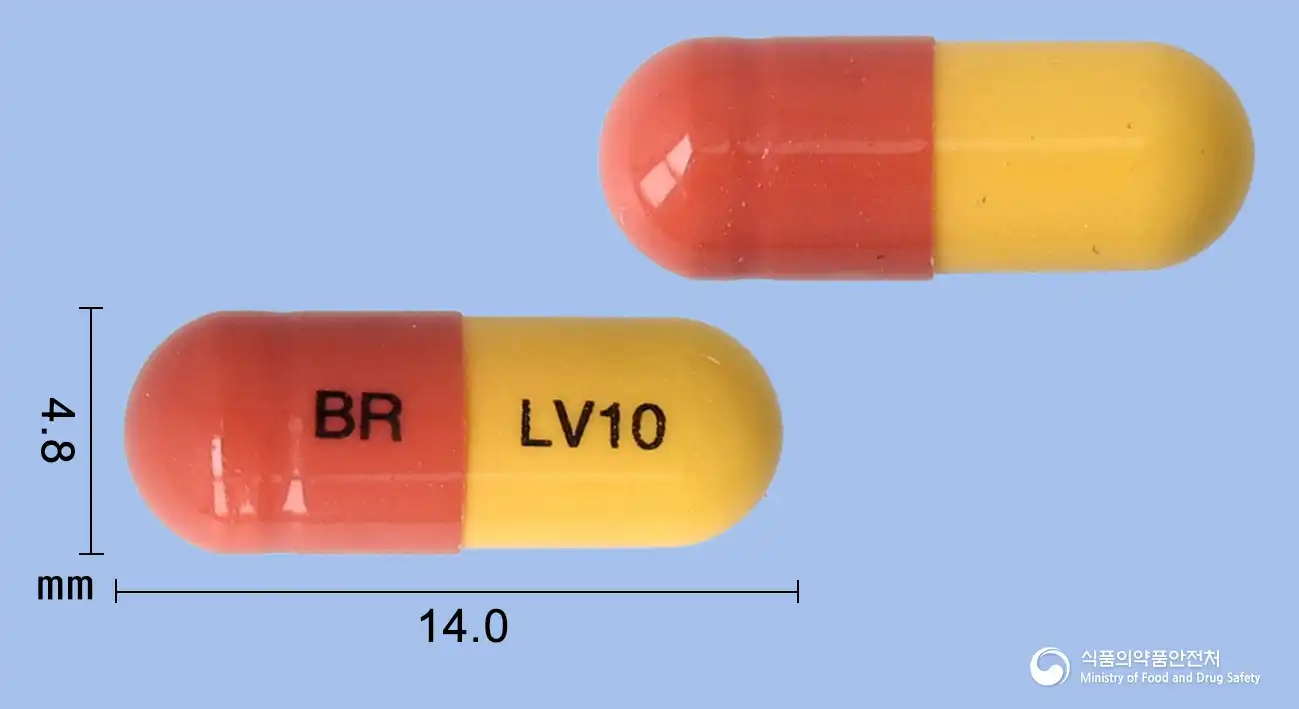
Lenvatinib Mesylate Dimethylsulfoxide 14.08mg
Hard capsule · Prescription medication
Boryung Pharmaceutical Co., Ltd.
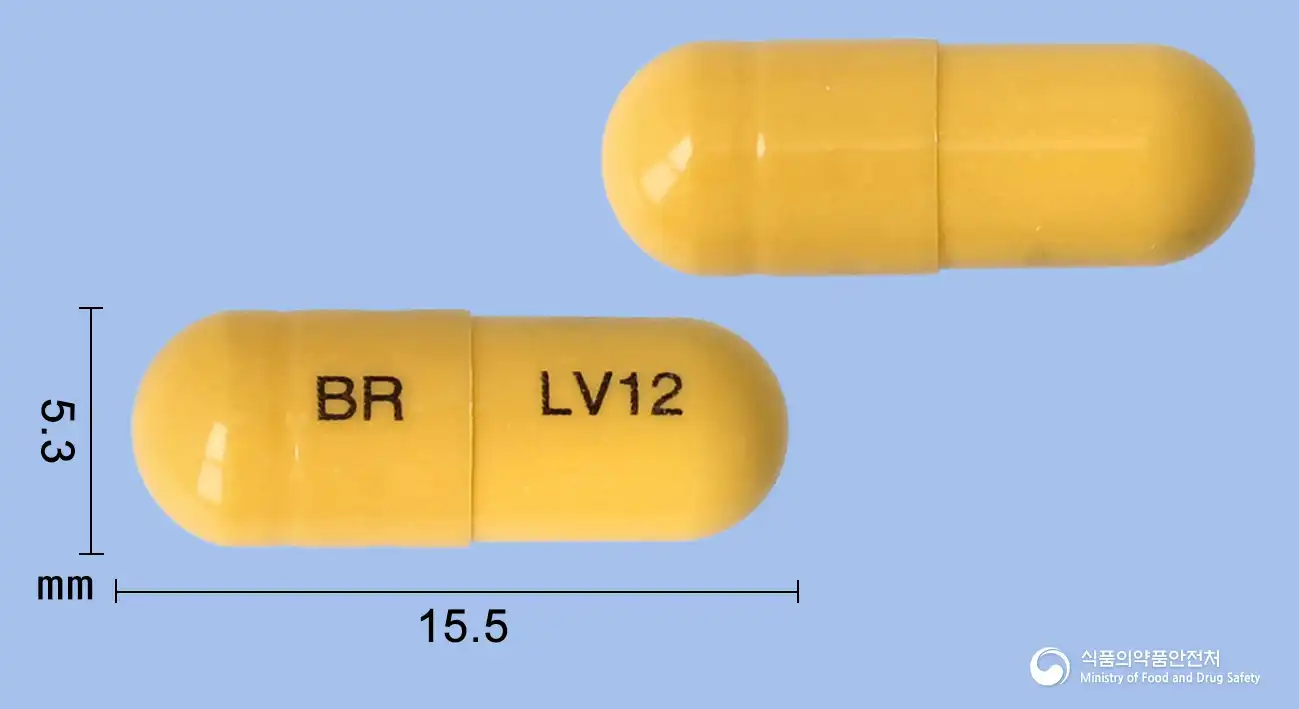
Lenvatinib Mesylate Dimethylsulfoxide 16.896mg
Hard capsule · Prescription medication
Boryung Co., Ltd.
Even with the same ingredient, the dose and directions can differ by strength and dosage form. Talk to a doctor or pharmacist before switching from a medication you are already taking.
No questions yet.
For anything that needs medical judgment, consult a doctor or pharmacist.
This drug information is based on data provided by the Korea Ministry of Food and Drug Safety.
Consult a doctor or pharmacist for accurate dosage, administration, and usage instructions.