
 한국어
 English
 日本語
 中文(简体)
 Viewing now
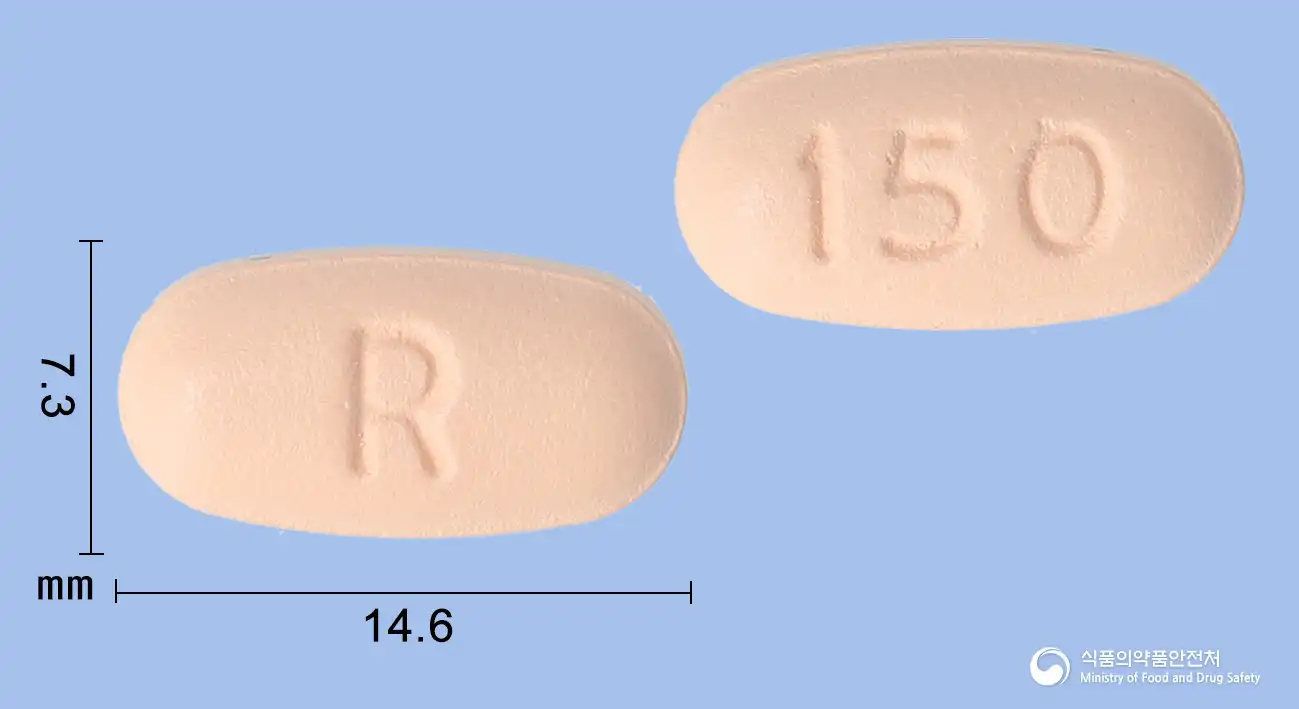
Tavalisse 150 mg (Fostamatinib Disodium Hydrate)
Fostamatinib Disodium Hexahydrate 189.3mg
Tablet · Prescription medication
JW Pharmaceutical Corp.
MFDS item code 202500147 · Approved 2025.01.20 · Insurance code 644915260
Treatment of chronic immune thrombocytopenia in adults with an inadequate response to previous treatment
This medication is used to treat thrombocytopenia in adult patients with chronic immune thrombocytopenia (ITP) who have not had sufficient response to prior treatments. It helps improve platelet counts in chronic ITP patients thereby reducing the risk of bleeding. Therefore, this medication plays an important role in managing symptoms associated with thrombocytopenia and enhancing the treatment outcomes for patients.
1. Recommended Dosage The recommended starting dosage is 100mg twice daily as fostamatinib. This drug is administered orally, regardless of meals. If the platelet count does not increase to at least 50x109/L(50,000/μL) after administration of the recommended starting dosage for at least 4 weeks, increase the dosage to 150mg twice daily. To reduce the risk of bleeding, administer the lowest dosage that can achieve and maintain a platelet count of at least 50x109/L(50,000/μL). The maximum dosage of this drug is 150mg twice daily. If a dose of this drug is missed, instruct the patient to take the prescribed dosage at the next scheduled dosing time. 3. Dosage Adjustment for Management of Adverse Reactions Dosage adjustment of this drug is recommended according to patient safety and tolerability. Temporary interruption, dosage reduction, or permanent discontinuation may be required to manage adverse reactions. Table 1 below shows the dosage reduction schedule for the total daily dosage. Refer to Table 1 and adjust the dosage appropriately by one dose level at a time. Table 1. Dosage Reduction Schedule Daily dosage Dosage regimen Morning Evening 300mg/day 150mg 150mg 200mg/day 100mg 100mg 150mg/day 150mga) - 100mg/dayb) 100mga) - a) If administered once daily, administer in the morning. b) Discontinue this drug if a reduction to below 100mg/day is required. If hypertension, hepatic impairment, neutropenia, or diarrhea occurs during administration of this drug, adjust the dosage according to the criteria below. Table 2. Recommended Dosage Adjustments for Management of Adverse Reactions Hypertension Systolic blood pressure 130 – 139mmHg or diastolic blood pressure 80– 89mmHg • In patients at high cardiovascular risk, initiate antihypertensive therapy or increase the dosage, and adjust as needed until blood pressure is controlled. • If blood pressure is not controlled after 8 weeks despite appropriate treatment, reduce the daily dosage of this drug by one dose level, referring to Table 1. Systolic blood pressure 140mmHg or higher or diastolic blood pressure 90mmHg or higher • Initiate antihypertensive therapy or increase the dosage, and adjust as needed until blood pressure is controlled. • If blood pressure remains at 140/90mmHg or higher after 8 weeks despite appropriate treatment, reduce the daily dosage of this drug by one dose level, referring to Table 1. • If blood pressure is 160/100mmHg or higher after 1 week despite intensive antihypertensive therapy, temporarily or permanently discontinue this drug. Hypertensive crisis: systolic blood pressure 180mmHg or higher or diastolic blood pressure 120mmHg or higher • Temporarily or permanently discontinue this drug. • Initiate antihypertensive therapy or increase the dosage, and adjust as needed until blood pressure is controlled. If blood pressure falls below the target, resume this drug at the same daily dosage. • If blood pressure is 160/100mmHg or higher after 1 week despite intensive antihypertensive therapy, discontinue this drug. Hepatotoxicity AST or ALT at least 3 times and less than 5 times the upper limit of normal (ULN) If the patient has symptoms (e.g., nausea, vomiting, abdominal pain) • Temporarily interrupt this drug. • Perform liver function tests every 72 hours until ALT and AST levels are no longer elevated (less than 1.5 x ULN) and total bilirubin is less than 2 x ULN. • Resume this drug at a daily dosage reduced by one dose level, referring to Table 1. If the patient is asymptomatic • Perform liver function tests every 72 hours until ALT and AST levels are less than 1.5 x ULN and total bilirubin is less than 2 x ULN. • If AST or ALT and total bilirubin levels remain in this category (AST/ALT 3 – 5 x ULN, total bilirubin less than 2 x ULN), temporarily interrupt or reduce the dosage of this drug. • If this drug was temporarily interrupted, when AST, ALT, and total bilirubin levels recover (less than 1.5 x ULN) and total bilirubin remains less than 2 x ULN, resume this drug at a daily dosage reduced by one dose level, referring to Table 1. AST or ALT at least 5 times the upper limit of normal and total bilirubin less than 2 times the upper limit of normal • Temporarily interrupt this drug. • Perform liver function tests every 72 hours. • Continue liver function tests until AST and ALT levels recover (less than 1.5 x ULN) and total bilirubin remains less than 2 x ULN; when AST and ALT decrease, resume this drug at a daily dosage reduced by one dose level, referring to Table 1. • Discontinue this drug if AST or ALT remains at 5 x ULN or higher for more than 2 weeks. AST or ALT at least 3 times the upper limit of normal and total bilirubin greater than 2 times the upper limit of normal • Discontinue this drug. Increased unconjugated (indirect) bilirubin without abnormalities in other liver function tests • An isolated increase in unconjugated (indirect) bilirubin is due to UGT1A1 inhibition; therefore, continue administration of this drug with frequent monitoring. Diarrhea • If diarrhea occurs, promptly initiate symptomatic treatment (e.g., dietary changes, hydration, antidiarrheal agents) until symptoms resolve. • Temporarily interrupt this drug if symptoms are severe (Grade 3a) or higher. • When symptoms improve to mild (Grade 1), resume this drug at a daily dosage reduced by one dose level, referring to Table 1. Neutropenia • If the absolute neutrophil count decreases (below 1.0 x 10⁹/L) and remains decreased for 72 hours, temporarily interrupt this drug until the neutrophil count recovers (above 1.5 x 10⁹/L). • If the neutrophil count has recovered (above 1.5 x 10⁹/L), resume this drug at a daily dosage reduced by one dose level, referring to Table 1. 4. Discontinuation of Treatment If the platelet count does not increase sufficiently to prevent clinically significant bleeding despite 12 weeks of treatment with this drug, discontinue this drug. 5. Administration in Patients with Renal Impairment No dosage adjustment of this drug is required in patients with renal impairment. 6. Administration in Patients with Hepatic Impairment 1) In patients with severe hepatic impairment (Child-Pugh Class C), the blood concentration of unbound R406, the principal active metabolite of this drug, may increase; therefore, carefully determine whether to administer this drug. If treatment is required, consider reducing the initial dosage and administer with caution while carefully monitoring the patient's condition. In patients with mild or moderate hepatic impairment (Child-Pugh Class A and B), monitor liver function during treatment with this drug. Dosage adjustment may be required depending on platelet count and tolerability (see Tables 1 and 2).
This medication may cause hypertension, so blood pressure must be measured frequently until stabilized and subsequently checked regularly every two weeks. Patients with preexisting hypertension may have a higher risk of blood pressure increases while taking this medication, thus requiring closer monitoring. If blood pressure rises, antihypertensive medications should be initiated or dosages increased for control, and if blood pressure remains high, the dosage of this medication may need to be lowered or discontinued. Additionally, this medication may commonly cause diarrhea; therefore, if symptoms of diarrhea occur, they should be managed with dietary adjustments, adequate hydration, and use of antidiarrheal agents if necessary. If diarrhea worsens, the medication may need to be discontinued or the dosage lowered. Women who are pregnant or may become pregnant should avoid this medication as it poses risks to the fetus, requiring strict contraception, and should discontinue use immediately upon pregnancy. Individuals with allergies to this medication or who are pregnant should not take it. Patients with a history of thrombosis, severe liver impairment, and elderly patients should use this medication with caution and be closely monitored. Regular liver function tests are recommended as liver enzyme levels may increase, necessitating dosage adjustments or discontinuation if levels become significantly elevated. Neutropenia may occur, so monitoring blood counts is important to prevent infection risk, and dosage adjustments may be required as needed. Bleeding risks are also associated, so if bleeding symptoms occur, dosage reduction or discontinuation may be necessary. This medication can interact with other drugs, particularly certain antibiotics, antifungals, and anticonvulsants; therefore, caution should be exercised and consulting a doctor is advised when used in conjunction with these agents. Women of childbearing potential should test for pregnancy before treatment, and effective contraception should be maintained during treatment and for at least one month afterward. This medication is not indicated for use in children or adolescents under 18 years of age, and use in elderly patients should be approached with caution. In the case of overdose, there are no antidotes, so the dosage should be reduced or discontinued, and the patient's condition closely monitored. This medication is sensitive to moisture, so it must be stored properly after opening, kept out of reach of children, and should not be transferred to other containers.
Not everyone experiences these, and they can vary from person to person.
This medication should be stored at room temperature between 1°C and 30°C, in a tightly closed container to prevent air exposure. Proper storage will help maintain the medication's efficacy for a longer duration.
Pale yellowish-red oval film-coated tablet
60 tablets/PTP [10 tablets/PTP x 6]
Even with the same ingredient, strength, dosage form and how it is taken can differ.
Viewing nowFostamatinib Disodium Hexahydrate 189.3mg
Tablet · Prescription medication
JW Pharmaceutical Corp.
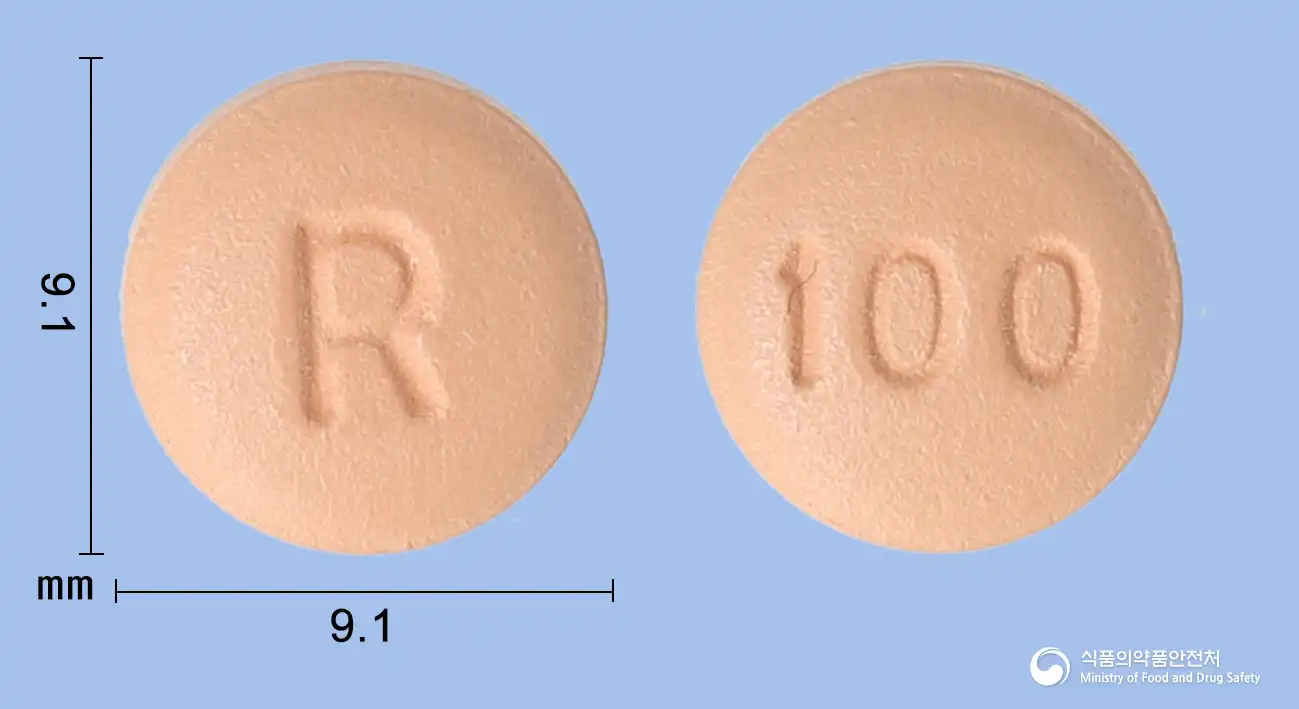
Fostamatinib Disodium Hexahydrate 126.2mg
Tablet · Prescription medication
JW Pharmaceutical Corp.
Even with the same ingredient, the dose and directions can differ by strength and dosage form. Talk to a doctor or pharmacist before switching from a medication you are already taking.
No questions yet.
For anything that needs medical judgment, consult a doctor or pharmacist.
This drug information is based on data provided by the Korea Ministry of Food and Drug Safety.
Consult a doctor or pharmacist for accurate dosage, administration, and usage instructions.