
 한국어
 English
 日本語
 中文(简体)
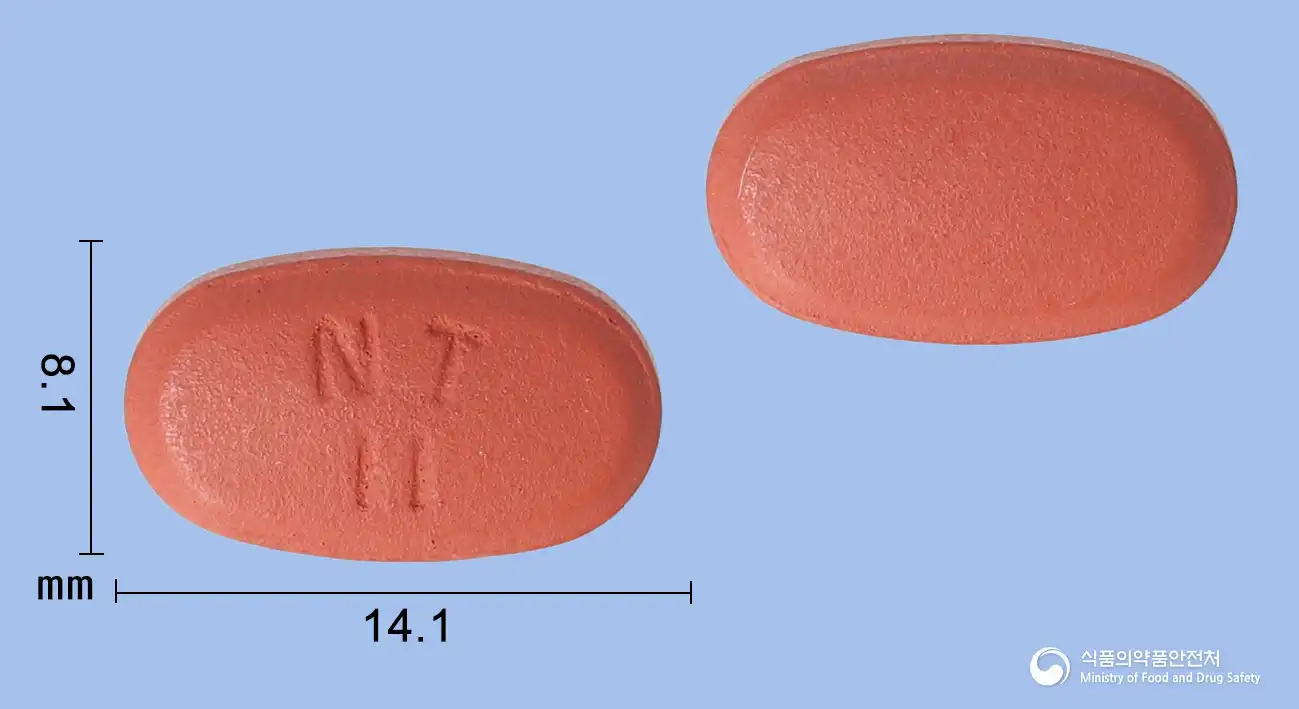 Viewing now
Nintevro Tablets 150 mg (Nintedanib Mesylate)
Nintedanib Esylate 180.6mg
Tablet · Prescription medication
Youngjin Pharmaceutical Co., Ltd.
MFDS item code 202402952 · Approved 2024.12.12 · Insurance code 642405270
Inhibits progression of systemic sclerosis-associated interstitial lung disease; treatment of progressive fibrosing interstitial lung disease
This medication is used to delay the decline of lung function due to interstitial lung disease associated with systemic sclerosis, and for the treatment of progressive phenotype of chronic fibrotic interstitial lung disease, except for idiopathic pulmonary fibrosis.
The recommended dose for adults is 150 mg twice daily, 12 hours apart. Take immediately after a meal. Swallow the tablet whole with water; do not chew or crush it. Only if the 150 mg twice-daily regimen is not well tolerated, a dose of 100 mg twice daily is recommended. If a dose is missed, take the recommended dose at the next scheduled time. Do not take an additional dose. Do not exceed the recommended daily dose of 300 mg. <Dose adjustment> If management of an adverse reaction (see Precautions for Use) is needed along with treatment of symptoms, the dose may be reduced or treatment temporarily interrupted until the adverse reaction has improved to a level at which treatment can continue. Treatment with this medicine may then be resumed at the recommended dose (150 mg twice daily) or the reduced dose (100 mg twice daily). If the 100 mg twice-daily dose is not well tolerated, treatment with this medicine should be discontinued. If treatment is temporarily interrupted because aminotransferase levels (AST or ALT) exceed 3 times the upper limit of normal (ULN) but are less than 5 times the ULN, treatment may be resumed at the reduced dose (100 mg twice daily) once aminotransferase levels have returned to baseline, and the dose may subsequently be increased to the recommended dose (150 mg twice daily) (see Precautions for Use). Discontinue treatment with this medicine if aminotransferase levels (AST or ALT) exceed 5 times the ULN, or exceed 3 times the ULN with signs or symptoms of severe liver injury. <Elderly patients> No differences in safety or efficacy were observed in patients aged 65 years and older compared with patients younger than 65 years. No dose adjustment is necessary for elderly patients aged 65 years and older. Patients aged 75 years and older may require dose reduction to manage adverse reactions. <Patients with renal impairment> Less than 1% of a single dose of this medicine was excreted through the kidneys. No adjustment of the starting dose is necessary in patients with mild to moderate renal impairment. The safety, efficacy, and pharmacokinetic properties of this medicine have not been studied in patients with severe renal impairment (creatinine clearance less than 30 mL/min). <Patients with hepatic impairment> This medicine is eliminated primarily (>90%) through biliary/fecal excretion. Exposure increased in patients with hepatic impairment (Child-Pugh A, Child-Pugh B). In patients with mild hepatic impairment (Child-Pugh A), the recommended dose is 100 mg twice daily, 12 hours apart; treatment interruption or discontinuation should be considered to manage adverse reactions. Use of this medicine is not recommended in patients with moderate (Child-Pugh B) or severe (Child-Pugh C) hepatic impairment.
Nintedanib is not approved for the treatment of pediatric patients.
This medication should not be used in patients with an allergy to the ingredients, in women who are pregnant or breastfeeding, or in patients with moderately severe or higher liver dysfunction. Caution should be exercised when prescribing this medication to patients with gastrointestinal disorders such as diarrhea, nausea, or vomiting, patients at high risk for bleeding, those with thrombosis, patients who have recently undergone abdominal surgery, preoperative or postoperative patients, patients with hypertension, and those with prolonged QT intervals. The most commonly reported side effects when taking this medication include diarrhea, nausea, vomiting, abdominal pain, loss of appetite, weight loss, and elevated liver enzymes. If severe diarrhea occurs, adequate hydration and the use of antidiarrheal agents may be necessary, and if symptoms persist, the dosage may be reduced or temporarily discontinued. Due to potential liver dysfunction, regular liver function tests should be conducted before starting treatment and for the first few months thereafter, and if liver enzymes are significantly elevated, dosage adjustments or discontinuation may be necessary. Renal impairment may occur, so renal status should be periodically checked, and dosage adjustments or discontinuation may be necessary if indicated. This drug may increase the risk of bleeding, so caution is needed when administering it to patients at high risk for bleeding. Blood pressure may increase, so blood pressure should be measured and managed regularly, particularly in patients at high risk for cardiovascular disease. This drug could cause serious gastrointestinal issues such as gastrointestinal perforation, so patients with a history of abdominal surgery or peptic ulcers should be particularly cautious. This medication can potentially harm the fetus if used during pregnancy; therefore, pregnancy should be avoided, and if pregnancy is confirmed during use, it should be discontinued immediately. Breastfeeding women are recommended to discontinue breastfeeding while taking this medication. This drug may interact with other medications; caution is needed when used with strong P-gp inhibitors or inducers, and smoking may reduce the efficacy of this medication, so quitting smoking is advisable. It is best to take this medication immediately after a meal, keep it out of the reach of children, and do not crush the tablets. In case of overdose, there is no specific antidote, so immediate medical attention should be sought for appropriate measures.
Diarrhea, nausea, vomiting, abdominal pain, decreased appetite, weight loss, increased liver enzymes, pancreatitis, drug-induced liver damage, elevated alanine aminotransferase (ALT), elevated aspartate aminotransferase (AST), elevated alkaline phosphatase (ALKP), elevated gamma-glutamyl transferase (GGT), hyperbilirubinemia, hypertension, bleeding, thrombocytopenia, hair loss, headache, proteinuria, skin ulcer, fatigue, fever, back pain, dizziness, rash, itching, renal failure, aneurysm, arterial dissection, reversible posterior leukoencephalopathy syndrome, irritable bowel syndrome, stomatitis, dyspepsia, gastrointestinal disorders, asthenia, cough, cystitis, nephrotic syndrome, thrombotic microangiopathy (TMA)
Not everyone experiences these, and they can vary from person to person.
This medication should be stored in a tightly closed container to prevent exposure to air or moisture and kept at room temperature, between 1°C and 30°C, for safety.
Brown oval film-coated tablets
Bottle - 60 tablets/bottle, PTP - 60 tablets/PTP [(10 tablets/PTP X 6)]
Even with the same ingredient, strength, dosage form and how it is taken can differ.
Viewing nowNintedanib Esylate 180.6mg
Tablet · Prescription medication
Youngjin Pharmaceutical Co., Ltd.
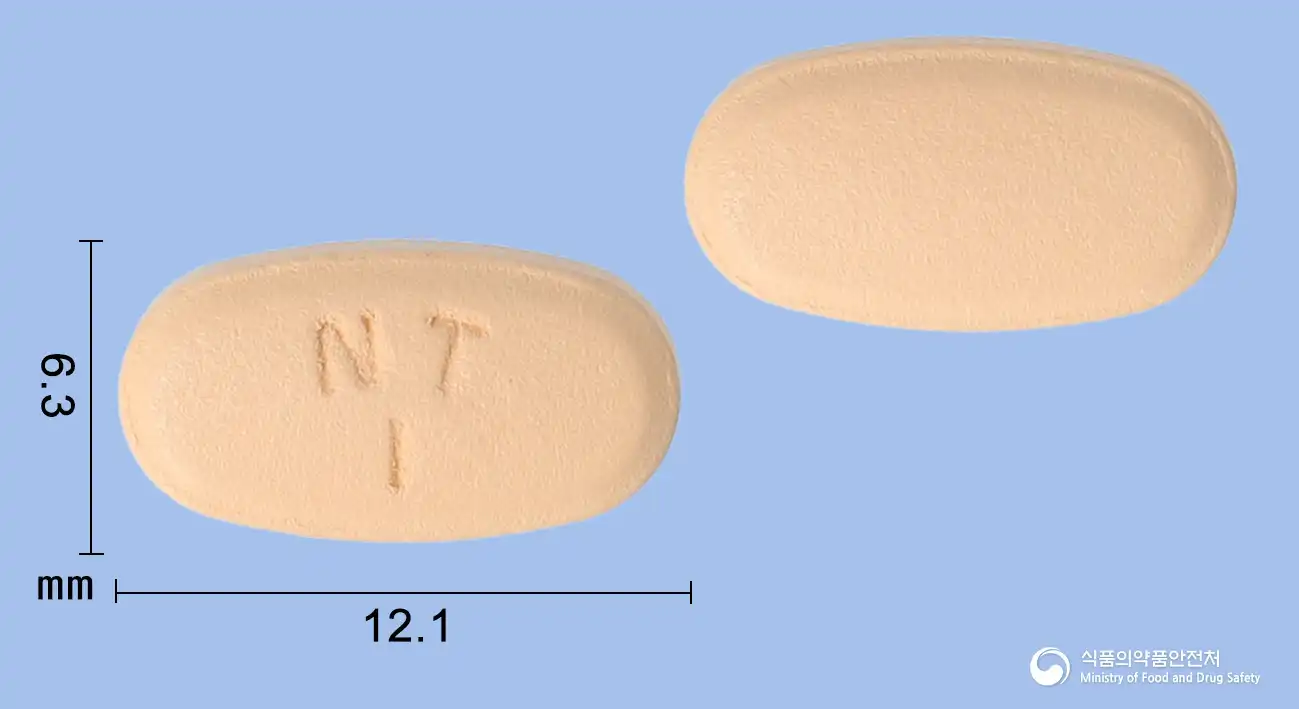
Nintedanib Esylate 120.4mg
Tablet · Prescription medication
Youngjin Pharm Co., Ltd.
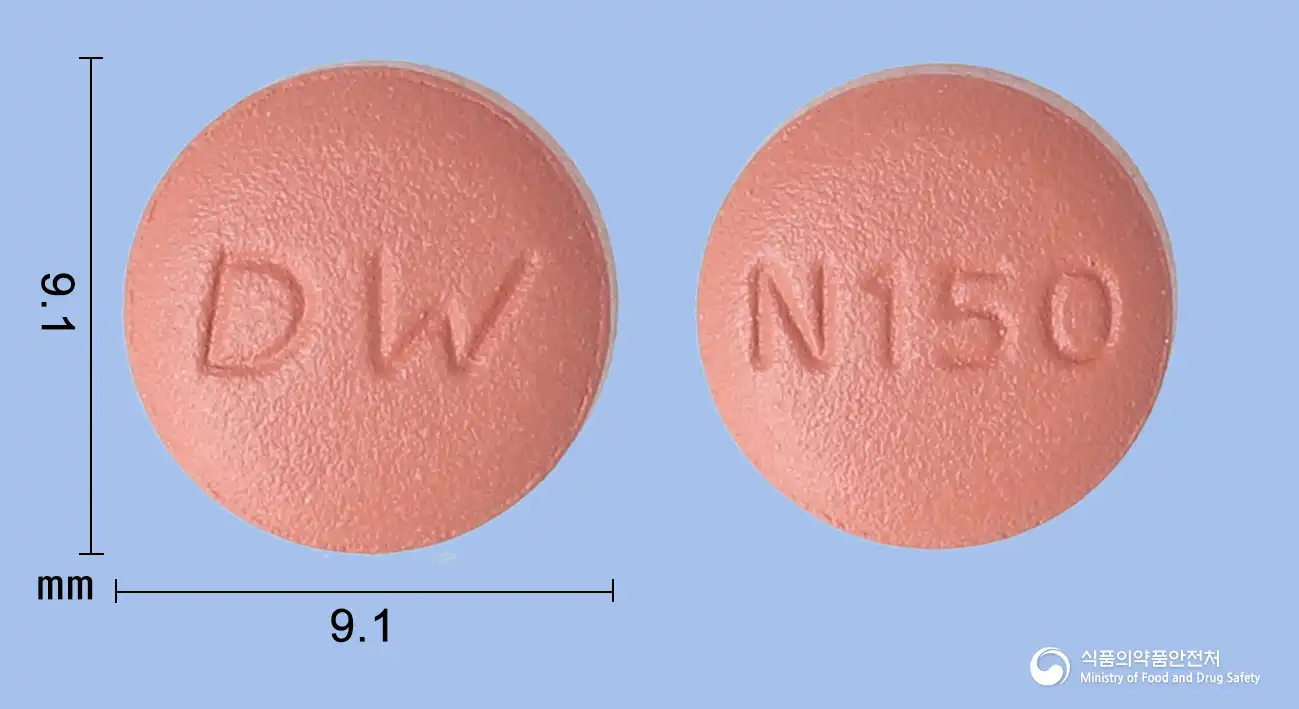
Nintedanib Esylate 180.6mg
Tablet · Prescription medication
Daewoong Pharmaceutical Co., Ltd.
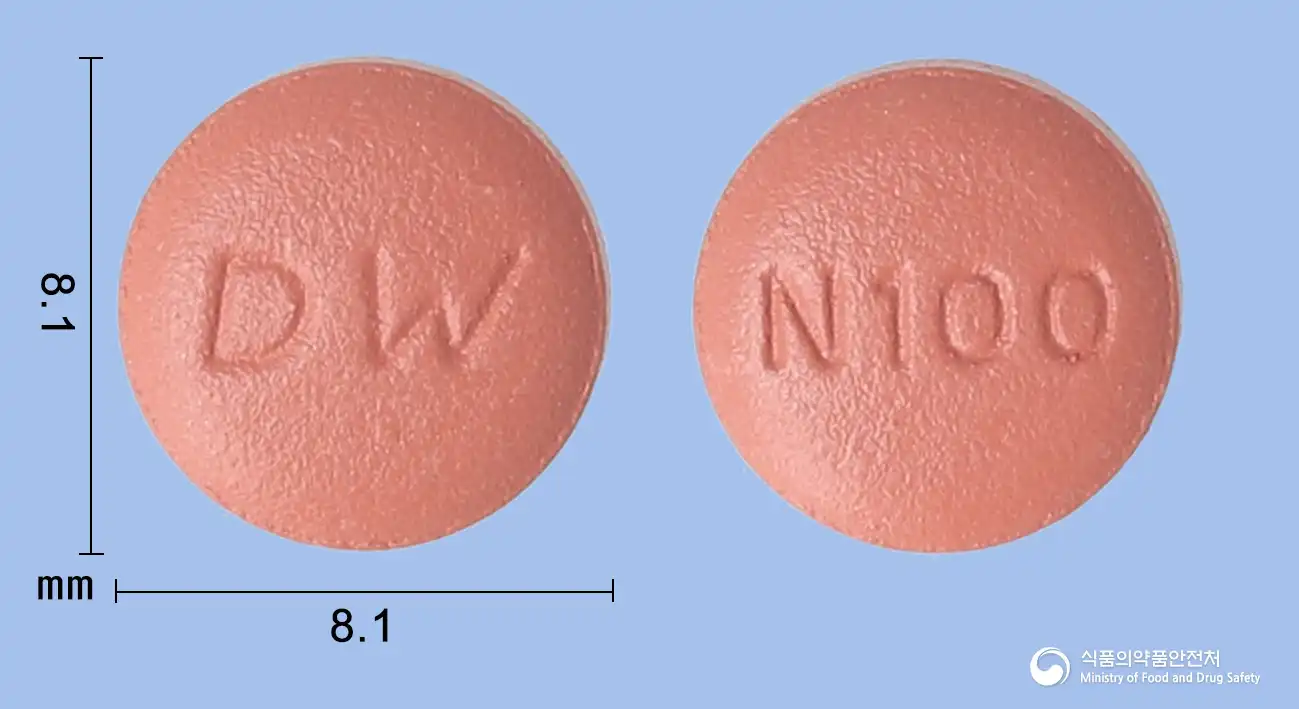
Nintedanib Esylate 120.4mg
Tablet · Prescription medication
Daewoong Pharmaceutical Co., Ltd.
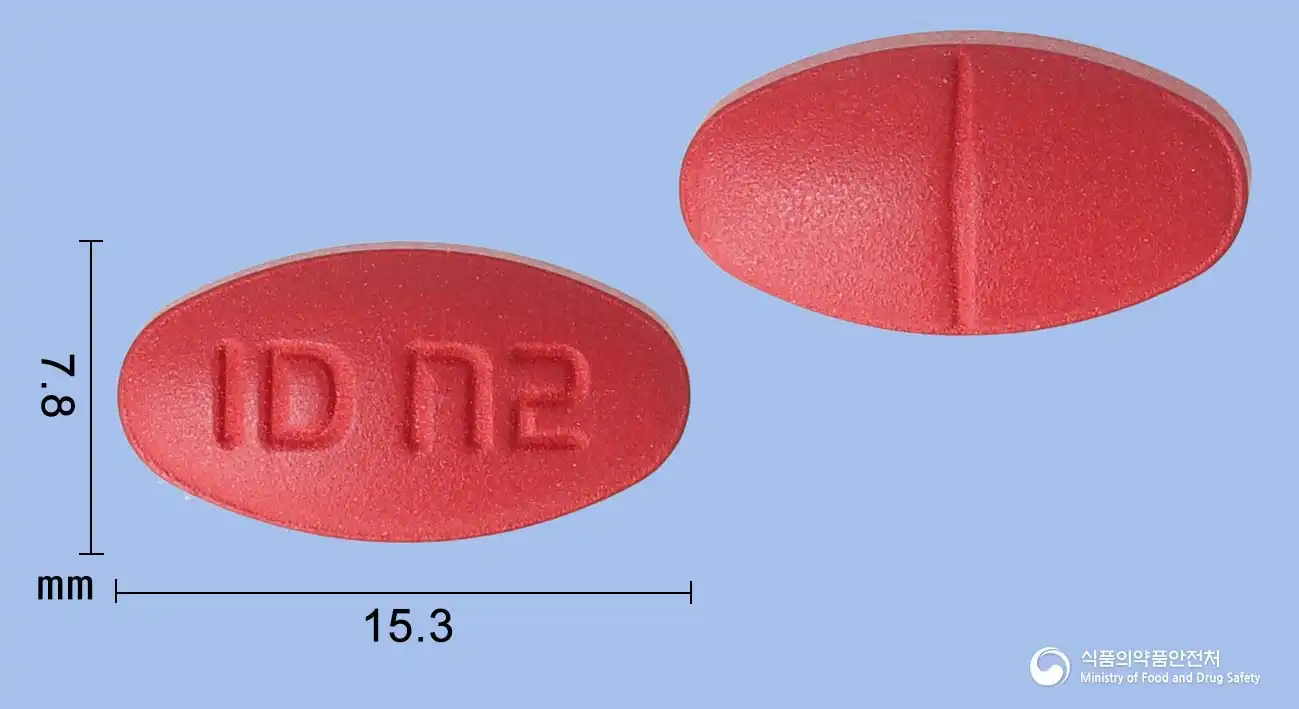
Nintedanib Esylate 180.6mg
Tablet · Prescription medication
Ildong Pharmaceutical Co., Ltd.
Nintedanib Esylate 120.4mg
Tablet · Prescription medication
Hwanin Pharmaceutical Co., Ltd.
Nintedanib Esylate 180.6mg
Tablet · Prescription medication
Hwanin Pharmaceutical Co., Ltd.
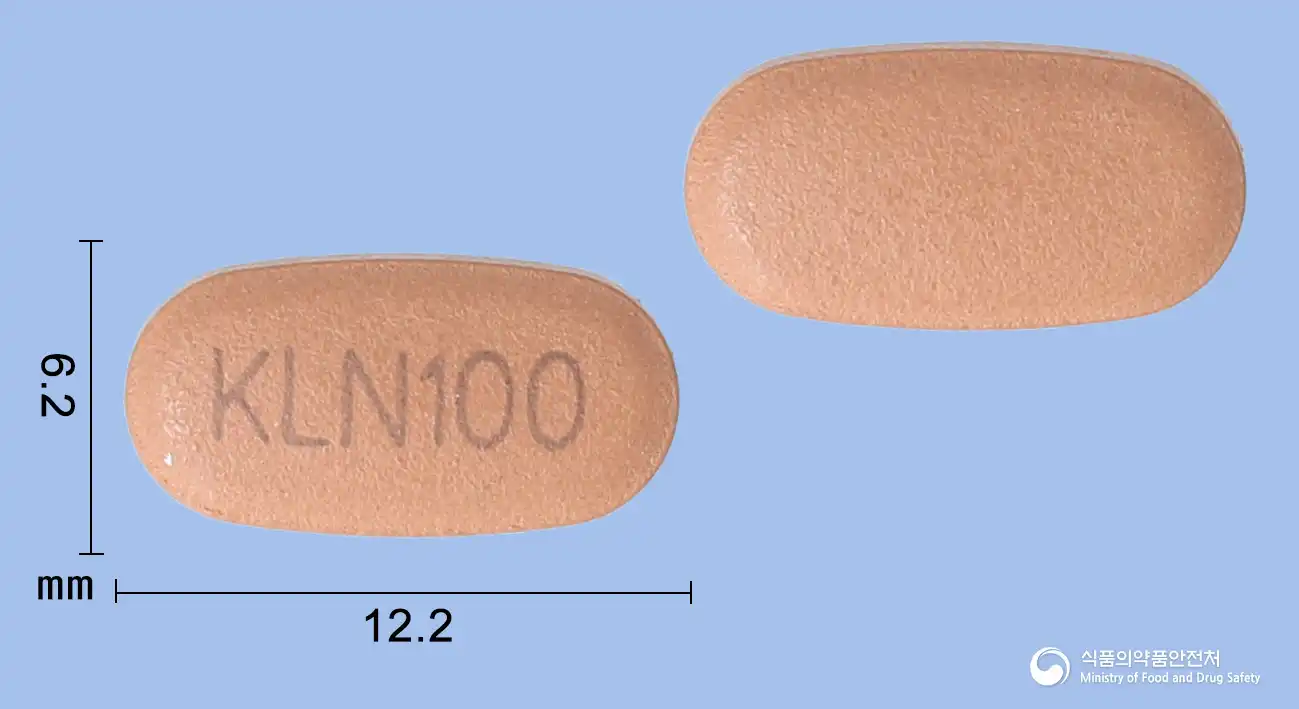
Nintedanib Esylate 120.4mg
Tablet · Prescription medication
Kolon Pharmaceutical Co., Ltd.
Even with the same ingredient, the dose and directions can differ by strength and dosage form. Talk to a doctor or pharmacist before switching from a medication you are already taking.
No questions yet.
For anything that needs medical judgment, consult a doctor or pharmacist.
This drug information is based on data provided by the Korea Ministry of Food and Drug Safety.
Consult a doctor or pharmacist for accurate dosage, administration, and usage instructions.