
 한국어
 English
 日本語
 中文(简体)
 Viewing now
Mirtazapine Tablets 30 mg (Mirtazapine)
Mirtazapine 30mg
Tablet · Prescription medication
Korea Pharma Co., Ltd.
MFDS item code 202402772 · Approved 2024.11.25 · Insurance code 653007040
Treatment of major depressive disorder
This medicine is used to treat major depression. It helps alleviate symptoms of depression and improve mood and emotional state.
The therapeutic dose of this drug should be adjusted according to the patient's clinical condition, and the lowest effective dose possible should be administered. The initial dose of mirtazapine is 15mg per day, and the dose may need to be increased until an appropriate clinical response is achieved. The usual effective daily dose is 15~45 mg of this drug. Since clearance of this drug may be reduced in patients with moderate to severe renal impairment (creatinine clearance < 40 mL/min), caution should be exercised when prescribing it. Since clearance of this drug may be reduced in patients with hepatic impairment, caution should be exercised when prescribing it. In particular, since it has not been studied in patients with severe hepatic impairment, caution should be exercised when prescribing it. The recommended dose is the same as for adults. When increasing the dose, careful monitoring is required to achieve a satisfactory and safe response. When discontinuing an MAO inhibitor used to treat psychiatric disorders and initiating treatment with this drug, an interval of at least 14 days must be allowed. Conversely, when initiating an MAO inhibitor to treat psychiatric disorders, at least 14 days must have elapsed after discontinuing this drug. Treatment with this drug should not be initiated in patients receiving linezolid or intravenous methylene blue because of the increased risk of serotonin syndrome. In patients requiring other interventional procedures, including hospitalization, or treatment of a more urgent psychiatric condition, use should be considered. It may be necessary to urgently administer linezolid or intravenous methylene blue to a patient already receiving this drug. If no alternative to linezolid or intravenous methylene blue is available and the benefits of treatment with linezolid or intravenous methylene blue are judged to outweigh the risk of serotonin syndrome for a particular patient, this drug may be discontinued immediately and linezolid or intravenous methylene blue administered. Patients should be monitored for symptoms of serotonin syndrome for 2 weeks after receiving linezolid or intravenous methylene blue, or until 24 hours after the last dose, whichever occurs first. Treatment with this drug may be restarted 24 hours after the last dose of linezolid or intravenous methylene blue. The risks associated with administration of methylene blue by nonintravenous routes (oral tablets or local injection) or intravenous administration of this drug at doses of 1mg/kg or less are unclear. Nevertheless, clinicians should be aware of the possibility of emergency symptoms of serotonin syndrome with these uses. Since the half-life of this drug is 20∼40 hours, once-daily dosing is sufficient, and, if possible, it should be taken at a consistent time in the evening before going to bed. The daily dose of this drug may also be divided into equal doses taken once in the morning and once in the evening. To allow sufficient time to evaluate the therapeutic response to the dose of this drug, the dose should not be changed at intervals of less than 1~2 weeks. At an appropriate dose, a therapeutic response is seen within 2~4 weeks; if the response is insufficient, the dose may be increased up to the maximum dose. If there is no response after continuing treatment for an additional 2~4 weeks, treatment should be discontinued. Treatment should be continued for at least 4∼6 months, until the patient's symptoms have completely resolved. Thereafter, gradual discontinuation is recommended to avoid withdrawal symptoms. This drug is taken orally. Swallow it with water without chewing.
Children and adolescents under 18 years of age: Do not use this medicine.
This drug is primarily used as an antidepressant for the treatment of depression. While taking this medication, suicidal tendencies may increase, so careful judgment and continuous observation by a physician are necessary, especially for young patients between the ages of 18 and 24. This medication can rarely cause agranulocytosis, a condition where white blood cell count decreases dramatically, so if sore throat, fever, or infection symptoms occur during use, consult a doctor immediately. Additionally, treatment should be stopped if there are symptoms of liver dysfunction or jaundice. This medication contains aspartame, an artificial sweetener, so patients with certain genetic disorders such as phenylketonuria should not take it. This drug can cause serious side effects if combined with certain medications, so it should not be taken with MAO inhibitors or some antibiotics and antifungal drugs. Patients with impaired liver or kidney function, epilepsy, diabetes, and heart disease should use this drug with caution and strictly follow the physician’s instructions. While taking this medication, side effects such as drowsiness, dizziness, increased appetite, and weight gain may commonly occur, so caution is advised for activities such as driving or operating machinery. It is also recommended to avoid alcohol consumption. Pregnant or breastfeeding women should consult a doctor before taking this medication, and its use is not recommended for children and adolescents as safety and efficacy have not been established. In case of overdose, symptoms such as loss of orientation and arrhythmias may occur, requiring immediate medical attention.
Not everyone experiences these, and they can vary from person to person.
This medication should be stored in a tightly closed container that does not allow light to enter, and kept between 2 to 30 degrees Celsius in a dry place. Storing the medication this way helps maintain its effectiveness for a long time.
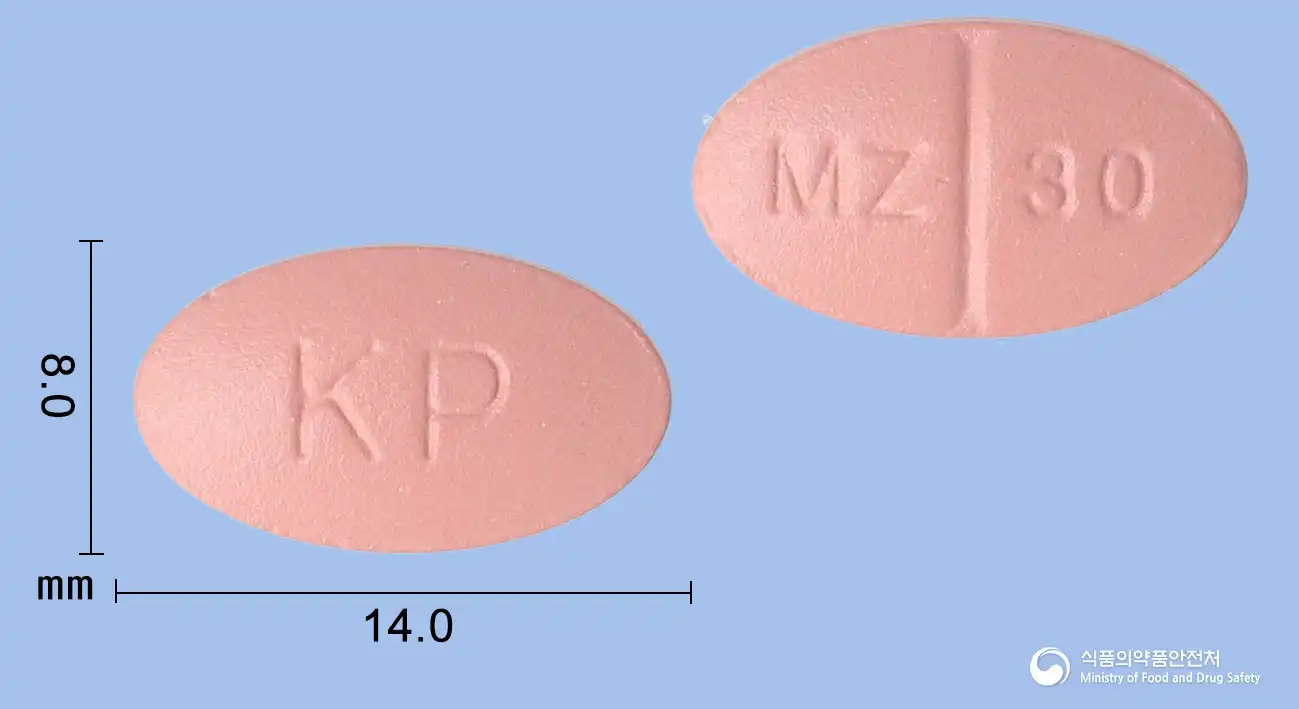
Brownish-red oval film-coated tablet
30 tablets/bottle, 100 tablets/bottle
Even with the same ingredient, strength, dosage form and how it is taken can differ.
Viewing nowMirtazapine 30mg
Tablet · Prescription medication
Korea Pharma Co., Ltd.
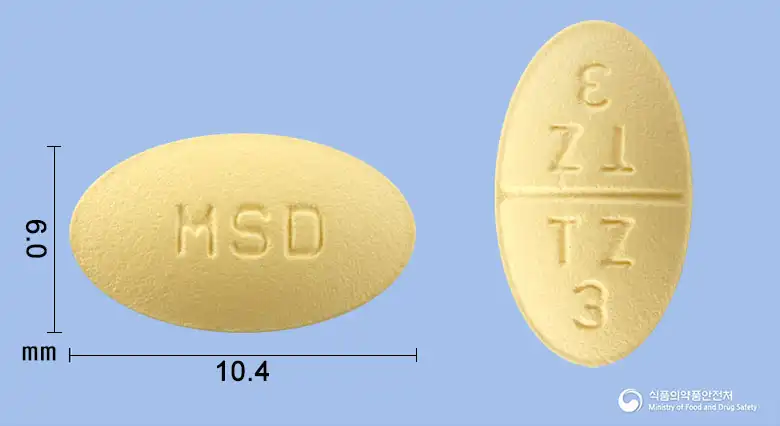
Mirtazapine 15mg
Tablet · Prescription medication
Korea Organon Co., Ltd.
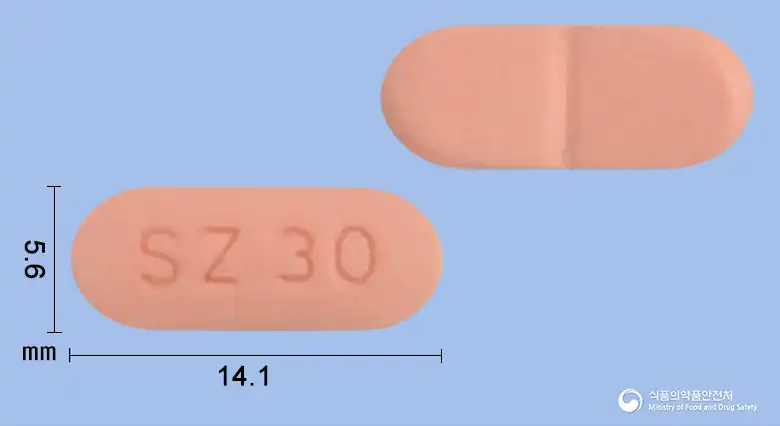
Mirtazapine 30mg
Tablet · Prescription medication
Samil Pharmaceutical Co., Ltd.
Mirtazapine
Prescription medication
Korea Novartis Co., Ltd.
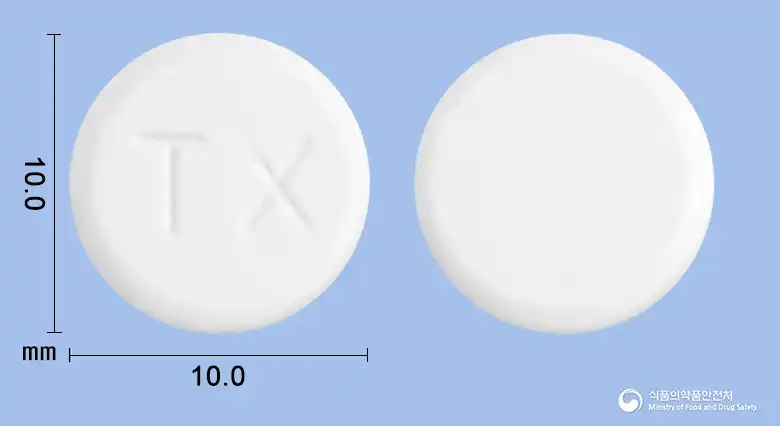
Mirtazapine 30mg
Orally disintegrating Tablet · Prescription medication
Samil Pharmaceutical Co., Ltd.
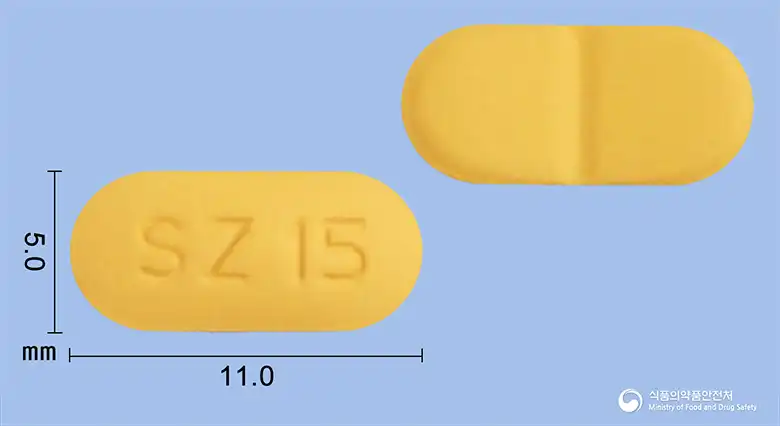
Mirtazapine 15mg
Tablet · Prescription medication
SamIl Pharmaceutical Co., Ltd.
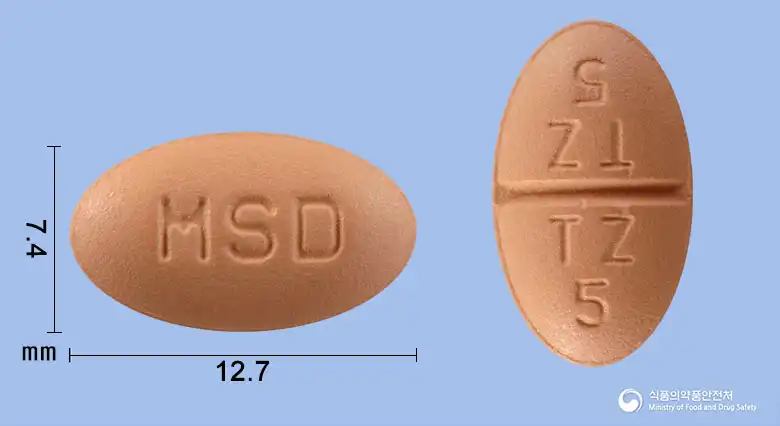
Mirtazapine 30mg
Tablet · Prescription medication
Korea Organon Co., Ltd.
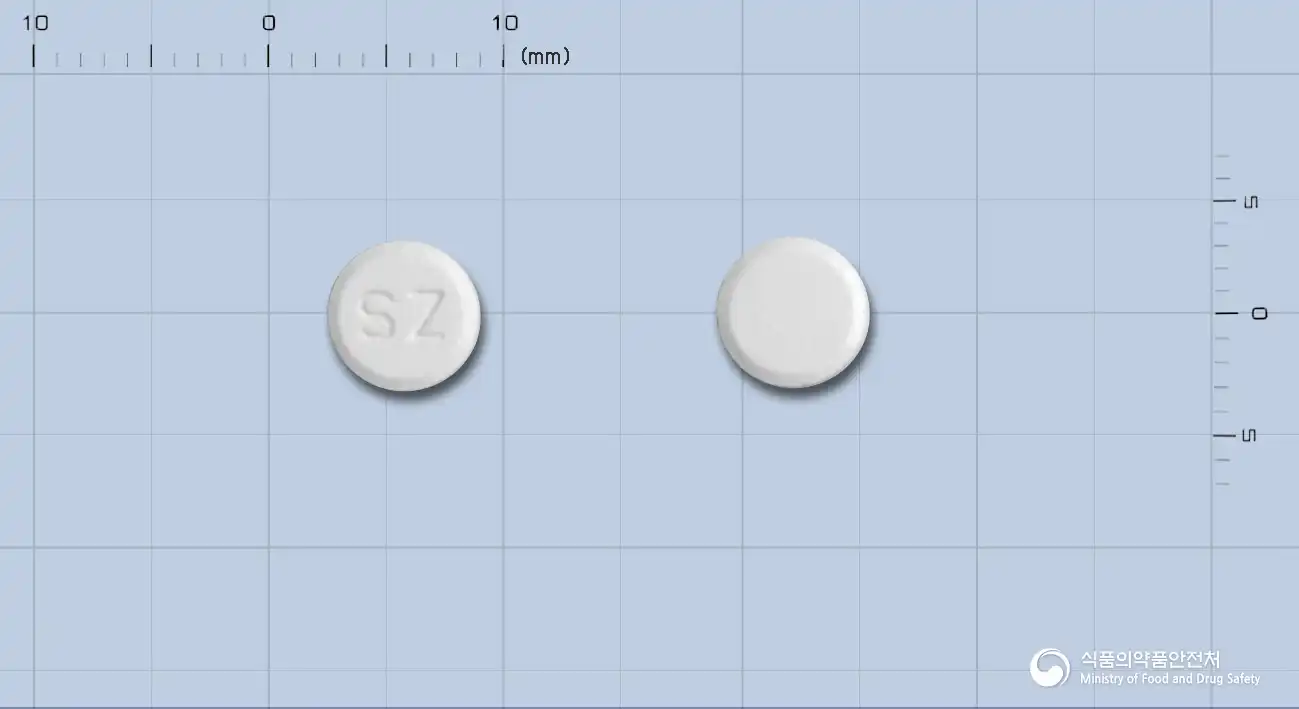
Mirtazapine 15mg
Orally disintegrating Tablet · Prescription medication
Samil Pharmaceutical Co., Ltd.
Even with the same ingredient, the dose and directions can differ by strength and dosage form. Talk to a doctor or pharmacist before switching from a medication you are already taking.
No questions yet.
For anything that needs medical judgment, consult a doctor or pharmacist.
This drug information is based on data provided by the Korea Ministry of Food and Drug Safety.
Consult a doctor or pharmacist for accurate dosage, administration, and usage instructions.