
 한국어
 English
 日本語
 中文(简体)
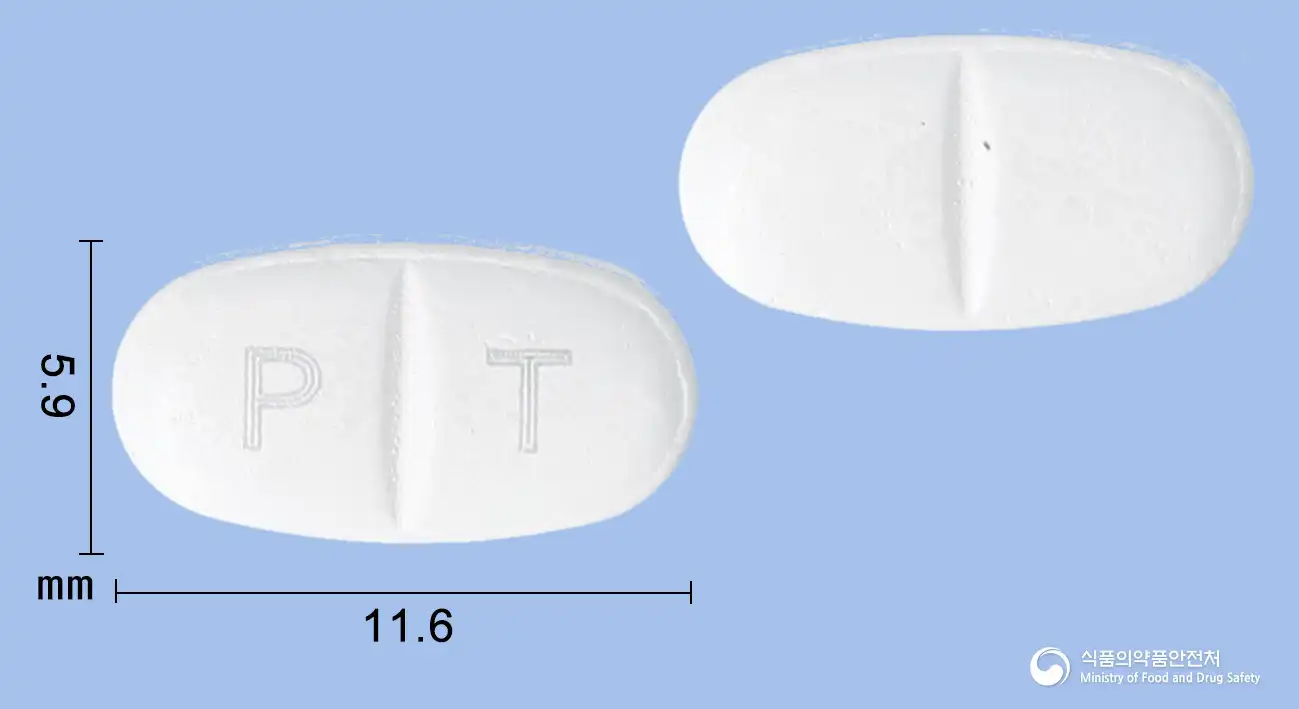 Viewing now
Cetrin Tablet 50 mg (Montelukast Hydrate (Micronized))
Pranlukast Hydrate 50mg
Tablet · Prescription medication
Hanwha Pharmaceutical Co., Ltd.
MFDS item code 202402633 · Approved 2024.11.07 · Insurance code 651602970
Treatment of bronchial asthma and allergic rhinitis
This drug is used to alleviate the symptoms of bronchial asthma and allergic rhinitis.
Adults: Administer 50 mg of pranlukast hydrate orally twice daily after breakfast and dinner. Adjust the dose as appropriate according to symptoms.
This drug should not be used by individuals with allergic reactions to this drug or its components. Additionally, since it contains lactose, individuals with genetically determined lactose intolerance or related conditions should not use it. During use, severe allergic reactions such as shock or anaphylaxis may occur, so careful observation is necessary, and if symptoms such as low blood pressure or difficulty breathing arise, stop taking the drug immediately and seek treatment. Blood-related problems can lead to decreased white blood cell or platelet count, so if symptoms such as fever or bleeding occur, the medication should be stopped. Liver dysfunction may occur, so if the skin or eyes turn yellow or liver enzyme levels rise, this should be reported immediately. If respiratory issues arise leading to cough or difficulty breathing, stop taking the drug and receive necessary treatment. Muscle aches or weakness may occur, and in severe cases, rhabdomyolysis may happen, so if these symptoms appear, stop the medication. If hypersensitivity reactions such as skin rashes or itching occur, medication should be discontinued, and healthcare professionals should be consulted. Psychological symptoms such as tremors, seizures, anxiety, headache, drowsiness, and dizziness may arise. Gastrointestinal symptoms such as nausea, abdominal pain, diarrhea, and loss of appetite may also occur. Irregular heartbeats or fast heart rates may rarely occur. Urinary abnormalities or urinary disorders may develop, so these symptoms should be monitored. Additionally, various side effects such as weight gain, hair loss, and menstrual irregularities have been reported. Particularly when treating bronchial asthma or allergic rhinitis, it is important to closely observe for adverse reactions. This drug is not intended for immediate relief of asthma attacks, so bronchodilators or corticosteroids should be used if an attack occurs. If long-term corticosteroid treatment is ongoing, the steroid dosage should be gradually adjusted using this drug, and sudden discontinuation should be avoided. Also, during the use of this drug, serious symptoms such as vasculitis may rarely appear, so eosinophil counts and related symptoms should be carefully monitored. It may impact mental health, so if symptoms like depression or suicidal thoughts occur, healthcare professionals should be informed immediately. Care should be taken to avoid prolonged use if no efficacy is observed. This drug may interact with medications metabolized in the liver, so other medications should be discussed with healthcare providers when taken together. Women who are pregnant or may become pregnant should use this drug only when the benefits of treatment outweigh the risks, as safety has not been fully established. Safety has not been established for children, newborns, or low birth weight infants, so it should be used cautiously. Elderly patients may have decreased physical function, so special care should be taken, including adjusting the dosage.
Not everyone experiences these, and they can vary from person to person.
This drug should be stored in a tightly closed container to prevent air or moisture ingress, and it is recommended to keep it at room temperature between 1 and 30 degrees Celsius. By storing it this way, the efficacy of the drug can be maintained and degradation can be prevented.
White or light yellow film-coated tablet with a score line, rectangular shape
300 tablets/bottle, 30 tablets/bottle
Even with the same ingredient, strength, dosage form and how it is taken can differ.
Viewing nowPranlukast Hydrate 50mg
Tablet · Prescription medication
Hanwha Pharmaceutical Co., Ltd.
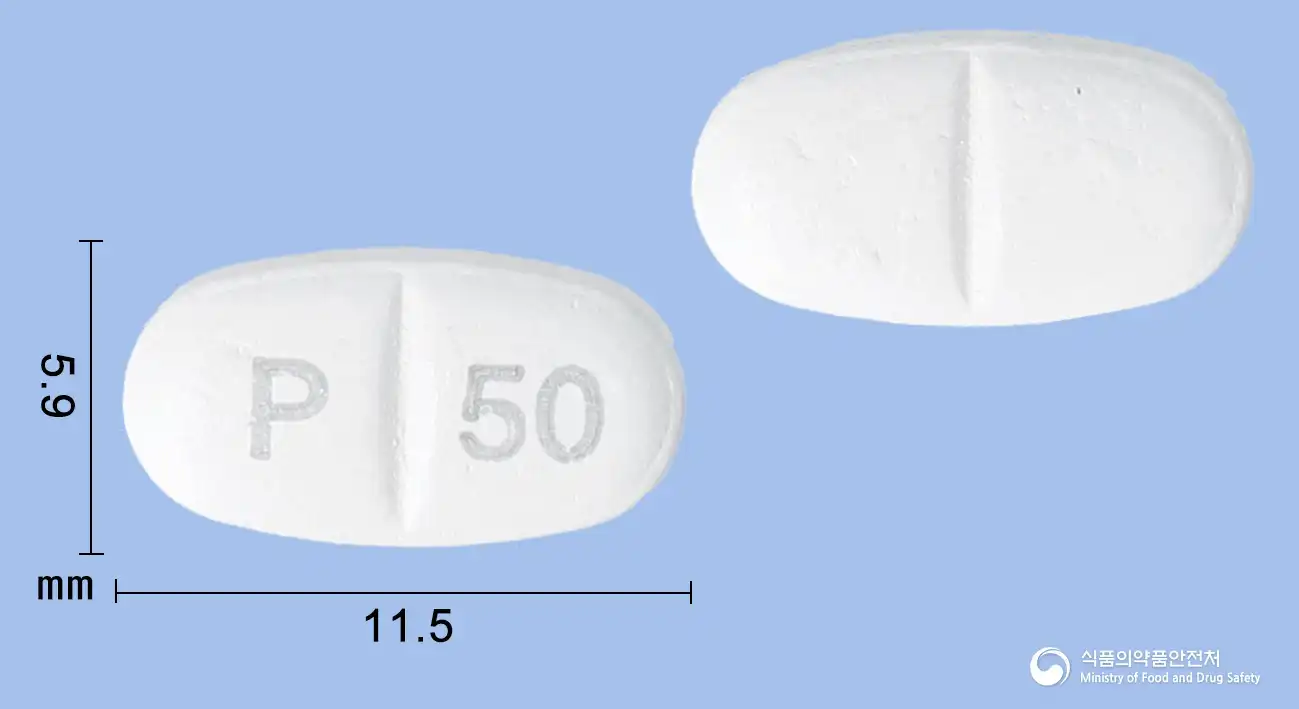
Pranlukast Hydrate 50mg
Tablet · Prescription medication
Dongkwang Pharmaceutical Co., Ltd.
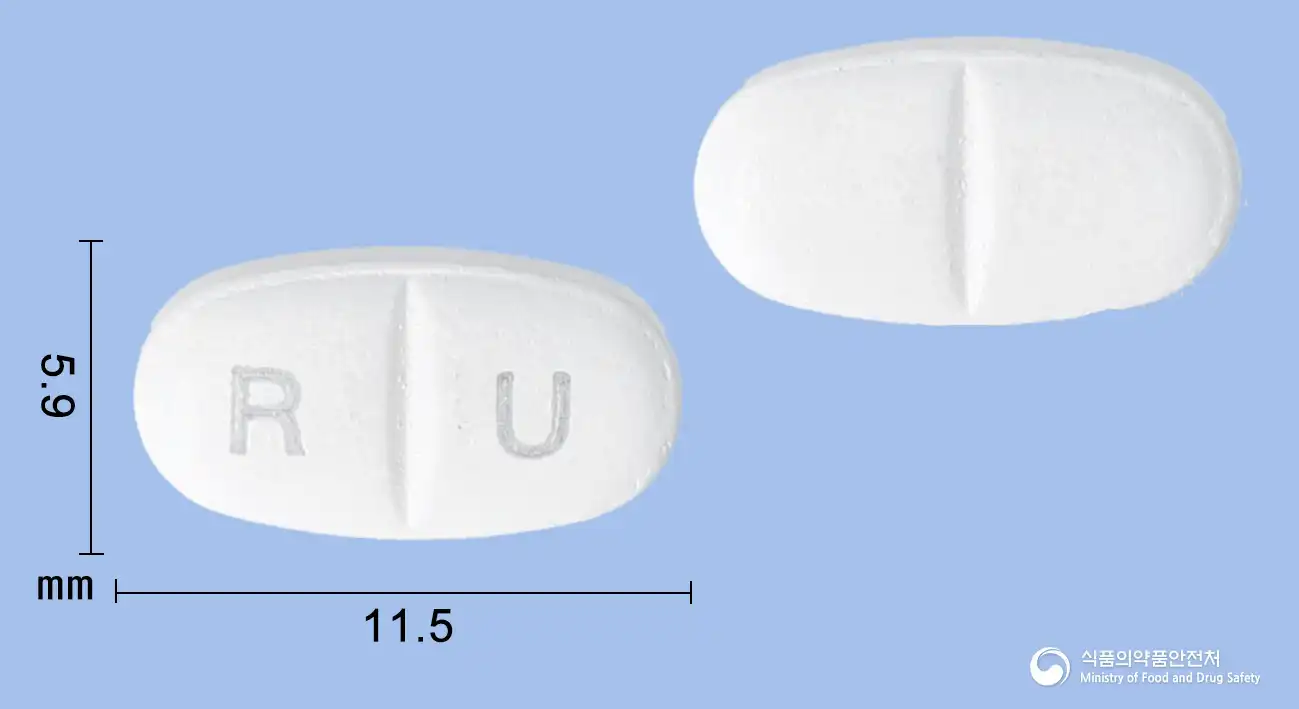
Pranlukast Hydrate 50mg
Tablet · Prescription medication
Austin Pharmaceutical Co., Ltd.
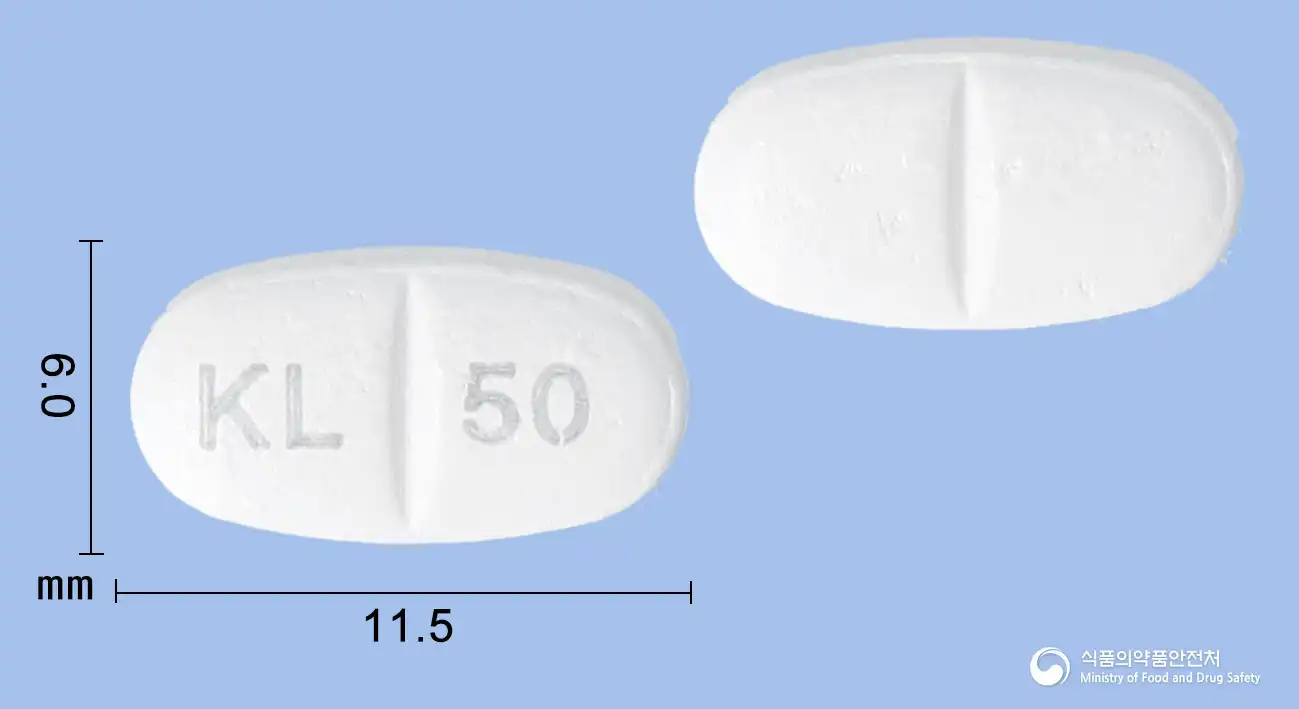
Pranlukast Hydrate 50mg
Tablet · Prescription medication
Kolon Pharmaceutical Co., Ltd.
Even with the same ingredient, the dose and directions can differ by strength and dosage form. Talk to a doctor or pharmacist before switching from a medication you are already taking.
No questions yet.
For anything that needs medical judgment, consult a doctor or pharmacist.
This drug information is based on data provided by the Korea Ministry of Food and Drug Safety.
Consult a doctor or pharmacist for accurate dosage, administration, and usage instructions.