한국어
 English
 日本語
 中文(简体)
 Viewing now
Regorafenib 40 mg Tablet (Regorafenib)
Regorafenib 40mg
Tablet · Prescription medication
Boryung Pharmaceutical Co., Ltd.
MFDS item code 202402626 · Approved 2024.11.06 · Insurance code 641908530
Treatment of metastatic colorectal cancer, advanced gastrointestinal stromal tumors, and hepatocellular carcinoma
This medication is used for the treatment of patients with metastatic colorectal cancer who have previously received fluoropyrimidine-based chemotherapies, anti-VEGF, and anti-EGFR treatments. Additionally, it is applicable for the treatment of patients with metastatic or unresectable locally advanced gastrointestinal stromal tumors (GIST) who have experienced treatment with imatinib and sunitinib. Finally, it is also used for the treatment of patients with hepatocellular carcinoma who have received sorafenib treatment.
The recommended daily dose is 160 mg of regorafenib (equivalent to 4 tablets of this medicine, each containing 40 mg), taken orally once daily. The treatment cycle is 4 weeks: 3 weeks of treatment followed by 1 week off treatment. Take this medicine after a light meal at the same time each day. Swallow the tablets whole with water. If you forget to take a dose, take it as soon as you remember; do not take 2 doses in 1 day to make up for the dose missed the previous day. Continue treatment with this medicine until disease progression or unacceptable toxicity occurs. Depending on the safety and tolerability of each patient, temporary treatment interruption and/or dose reduction may be required. Dose changes should be made in increments of 1 tablet (40 mg). The minimum recommended daily dose is 80 mg. The maximum daily dose is 160 mg. Follow the recommendations below for dose adjustment. Temporarily interrupt treatment with this medicine in the following cases: - Recurrent Grade 2 hand-foot skin reaction (HFSR), or no improvement within 7 days despite dose reduction; for Grade 3 HFSR, interrupt treatment for at least 7 days. - Grade 2 symptomatic hypertension - Grade 3 or 4 adverse reactions - Worsening infection of any grade Reduce the dose of this medicine to 120 mg in the following cases: - First occurrence of Grade 2 HFSR - After recovery from a Grade 3 or 4 adverse reaction (excluding infection) - Grade 3 aspartate aminotransferase or alanine aminotransferase (AST or ALT) elevation; restart treatment with this medicine if the potential benefit outweighs the risk of hepatotoxicity. Reduce the dose of this medicine to 80 mg in the following cases: - Recurrence of Grade 2 HFSR at a dose of 120 mg - After recovery from a Grade 3 or 4 adverse reaction at a dose of 120 mg (for hepatotoxicity of the same grade, see the section on permanent discontinuation; for infection, see the section on temporary interruption) Permanently discontinue this medicine in the following cases: - Intolerance to a dose of 80 mg - Aspartate aminotransferase or alanine aminotransferase (AST or ALT) levels exceeding 20 times the upper limit of normal (ULN) - Elevated aspartate aminotransferase or alanine aminotransferase (AST or ALT) levels (greater than 3 times the upper limit of normal) accompanied by elevated bilirubin levels (greater than 2 times the upper limit of normal) - Recurrence of aspartate aminotransferase or alanine aminotransferase (AST or ALT) levels exceeding 5 times the upper limit of normal at a dose of 120 mg - Occurrence of a Grade 4 adverse reaction; restart treatment with this medicine only if the potential benefit outweighs the risk. Adverse reactions are graded according to the NCI CTCAE Version 3.0 criteria. Patients with hepatic impairment No clinically significant differences in exposure were observed between patients with normal hepatic function and those with mild hepatic impairment (Child-Pugh A) or moderate hepatic impairment (Child-Pugh B). No dose adjustment is required for patients with mild or moderate hepatic impairment. Close monitoring of overall safety is recommended for these patients. This medicine has not been studied in patients with severe hepatic impairment (Child-Pugh C); use in these patients is not recommended. Patients with renal impairment Based on available clinical data, no difference in exposure related to this medicine was observed between patients with mild renal impairment and those with normal renal function. No dose adjustment is required for patients with mild or moderate renal impairment.
This drug can have serious effects on liver function, so liver function tests must be performed before starting treatment. Particularly, during the first two months after starting treatment, liver function tests should be conducted every two weeks, and thereafter at least once a month. If liver dysfunction is detected, drug administration may need to be temporarily halted or the dosage reduced. Pregnant women should avoid this medication as it may be harmful to the fetus, and women of childbearing potential as well as men should use effective contraception during treatment and for 8 weeks after stopping the medication. This drug should not be used if there is an allergy to it or any of its components. Patients with weak liver function must be more cautious when using this medication and should undergo regular liver function tests. There may be an increased risk of infection, so any signs of infection should be discussed with a physician immediately. The risk of bleeding may also increase, so frequent blood tests should be performed if bleeding is easy or if anticoagulants are being taken. Patients with a history of heart disease should regularly check their heart condition and may need to stop the medication if symptoms of ischemia or myocardial infarction occur. This drug may cause skin rashes or hand and foot skin reactions, so if symptoms are severe, consultation with a physician is necessary. Hypertension may develop, so blood pressure should be measured frequently and adequate treatment received as necessary. Severe side effects such as neurological symptoms or gastrointestinal perforations and fistulas can occur, so medical personnel should be notified immediately upon the onset of symptoms. Patients scheduled for surgery are advised to discontinue this medication at least 2 weeks prior to the surgery. There are many interactions with other medications, so it is crucial to inform healthcare providers of any medications being taken. This drug should not be used during pregnancy or lactation, and breastfeeding must be interrupted. In case of overdose, drug administration should be stopped immediately and appropriate treatment should be received according to medical guidance. This drug must be kept out of reach of children and stored away from moisture.
Fatal drug-induced liver injury, liver failure, hepatocellular injury, abnormal liver function tests, hepatotoxicity, infection, bleeding, coronary ischemia, myocardial infarction, pain, skin reactions of hands and feet, weakness, fatigue, diarrhea, decreased appetite and food intake, hypertension, headache, tremors, peripheral neuropathy, reversible posterior leukoencephalopathy syndrome, hyperammonemic encephalopathy, speech disorders, stomatitis, vomiting, nausea, taste disturbance, dry mouth, gastroesophageal reflux disease, gastroenteritis, gastrointestinal perforation, gastrointestinal fistula, pancreatitis, hyperbilirubinemia, elevated transaminases, severe liver damage, rash, hair loss, dry skin, exfoliative dermatitis, nail abnormalities, erythema multiforme, Stevens-Johnson syndrome, toxic epidermal necrolysis, muscle cramps, proteinuria, hypersensitivity reaction, high fever, myositis, weight loss, elevated amylase, elevated lipase, abnormal INR, thrombocytopenia, anemia, leukopenia, thrombotic microangiopathy, hypothyroidism, hypokalemia, hypophosphatemia, hypocalcemia, hyponatremia, hypomagnesemia, hyperuricemia, dehydration, myocardial ischemia, hypertensive crisis, thrombocytopenia, neutropenia, lymphopenia, pneumonia, urinary tract infection, nasopharyngitis, mucocutaneous and systemic fungal infections, epistaxis, cerebral hemorrhage, respiratory tract bleeding, urogenital tract bleeding, sepsis, soft tissue infection, Clostridium difficile colitis, device-related infections, perinephric abscess, perirectal abscess, abdominal pain, abdominal distention, vomiting, pneumonia, fever, fatigue, peripheral edema, hepatitis, jaundice, toxic hepatitis, hepatorenal syndrome, hydronephrosis, acute kidney injury, azotemia, hematuria, urinary stones, cough, pleural effusion, pneumothorax, respiratory function loss, rash, maculopapular rash, increased alanine aminotransferase, increased conjugated bilirubin, myasthenia, pathologic fractures, fever-induced neutropenia, acidosis, insomnia, anxiety, vaginal-rectal fistula, vaginal bleeding, hypertension, hypovolemic shock, deep vein thrombosis, hypotension, appendiceal abscess, groin abscess, atrial fibrillation, supraventricular tachycardia, dry eyes, xerophthalmia, vulvar discomfort, vesicles, pruritus, chills, deterioration of condition, localized edema, edema, confusion, depressed mood, depression, dizziness, postural instability, cerebellar infarction, sensory abnormalities, radiculopathy, drowsiness, vocal cord paralysis, arthralgia, increased alkaline phosphatase, increased adrenocorticotropic hormone in the blood, increased serum creatinine, increased C-reactive protein
Not everyone experiences these, and they can vary from person to person.
This medication should be stored in a tightly closed container to protect it from air and moisture. The storage temperature should be maintained at room temperature between 1 degree and 30 degrees Celsius.
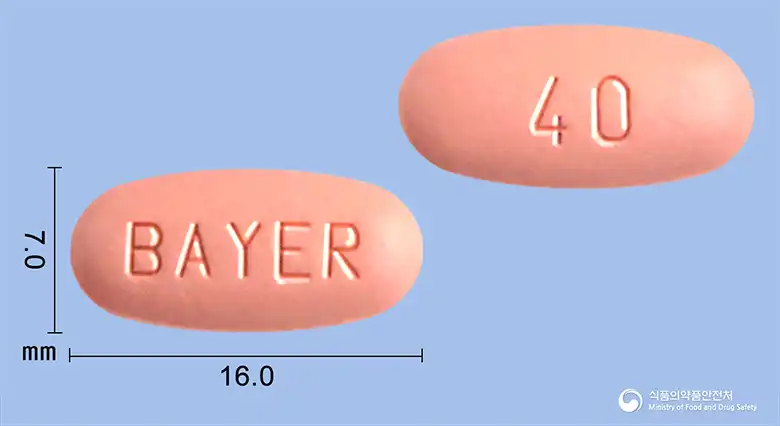
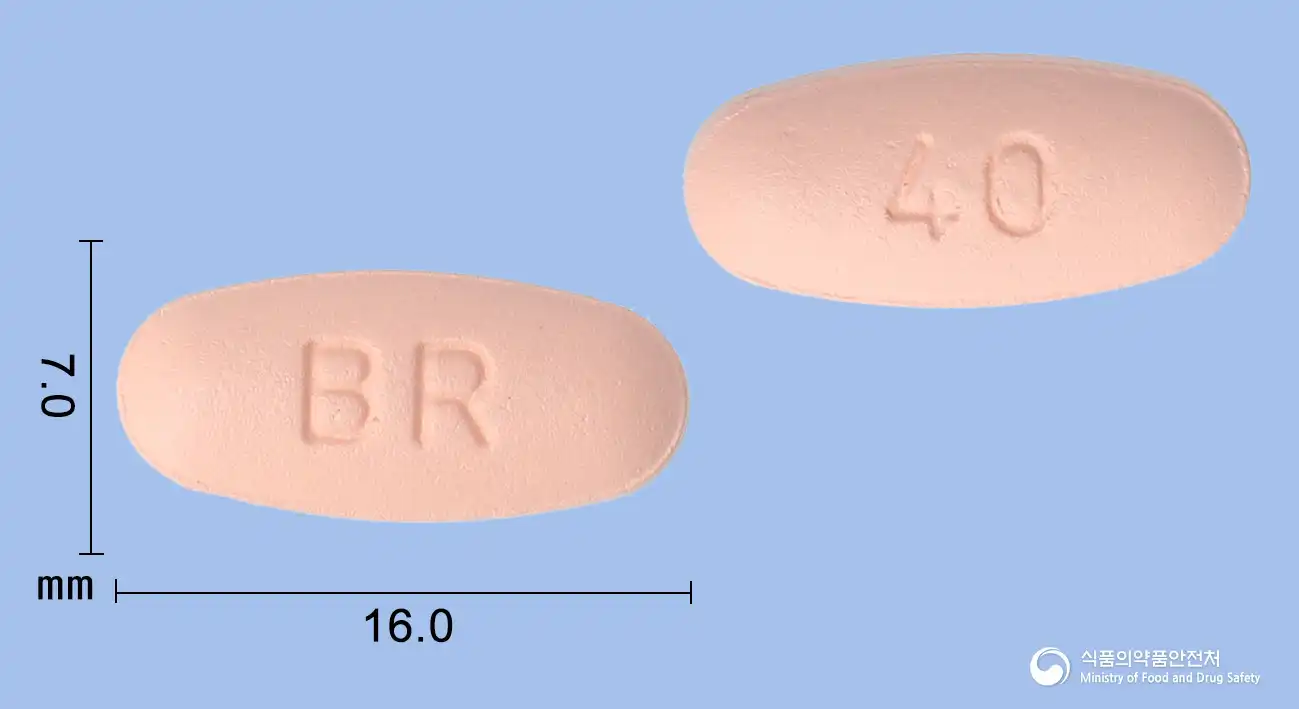
Light pink oval film-coated tablet
PTP - 28 tablets/PTP
Even with the same ingredient, strength, dosage form and how it is taken can differ.
Even with the same ingredient, the dose and directions can differ by strength and dosage form. Talk to a doctor or pharmacist before switching from a medication you are already taking.
No questions yet.
For anything that needs medical judgment, consult a doctor or pharmacist.
This drug information is based on data provided by the Korea Ministry of Food and Drug Safety.
Consult a doctor or pharmacist for accurate dosage, administration, and usage instructions.