
 한국어
 English
 日本語
 中文(简体)
 Viewing now
Omzara Tablets 200 mg (Momelotinib Hydrochloride Hydrate)
Momelotinib Hydrochloride Hydrate 243.88mg
Tablet · Prescription medication
GlaxoSmithKline Co., Ltd.
MFDS item code 202402297 · Approved 2024.09.24
Treatment of intermediate- or high-risk myelofibrosis in adults with anemia
This medication is used to treat intermediate or high-risk myelofibrosis in adults with anemia. This includes primary myelofibrosis, myelofibrosis after polycythemia vera, and myelofibrosis after essential thrombocythemia. These conditions are diseases that affect bone marrow function due to problems in blood cell production, and this medication helps alleviate symptoms and suppress disease progression. Patients can expect improvements in anemia and quality of life through this treatment. Thus, this medication is effective for the treatment of myelofibrosis.
This medicine is administered orally at a dose of 200mg once daily. It may be taken with or without food. If a dose of this medicine is missed, take the scheduled dose the following day. 1. Dose adjustment Dose adjustment should be considered for hematologic and nonhematologic toxicity (Table 1). Discontinue this medicine if the 100mg once-daily dose is not tolerated. Table 1. Dose adjustment for adverse reactions Hematologic toxicity Thrombocytopenia Baseline platelet count ≥100 × 109/L, platelet count 20 × 109/L ~ <50 × 109/L: Reduce the daily dose by 50mg from the last administered dose. Baseline platelet count ≥100 × 109/L, platelet count <20 × 109/L: Temporarily interrupt treatment until the platelet count recovers to 50 × 109/L. Resume treatment at a daily dose reduced by 50mg from the last administered dose.b Baseline platelet count ≥50 × 109/L ~ <100 × 109/L, platelet count <20 × 109/L: Temporarily interrupt treatment until the platelet count recovers to 50 × 109/L. Resume treatment at a daily dose reduced by 50mg from the last administered dose.b Baseline platelet count <50 × 109/L, platelet count <20 × 109/L: Temporarily interrupt treatment until the platelet count recovers to baseline. Resume treatment at a daily dose reduced by 50mg from the last administered dose.b Neutropenia ANC <0.5 × 10⁹/L: Temporarily interrupt treatment until ANC ≥0.75 × 10⁹/L. Resume treatment at a daily dose reduced by 50mg from the last administered dose.b Nonhematologic toxicity Hepatotoxicity (unless there is another clear cause) ALT and/or AST >5 × ULN (if abnormal at baseline, >5 × baseline) and/or total bilirubin >2 × ULN (if abnormal at baseline, >2 × baseline): Temporarily interrupt treatment until ALT and AST recover to ≤2 × ULN or baseline values and total bilirubin recovers to ≤1.5 × ULN or the baseline value. Resume treatment at a daily dose reduced by 50mg from the last administered dose.b If an increase in ALT or AST to >5 × ULN recurs, permanently discontinue this medicine. Other nonhematologic toxicity Grade 3 or higher nonhematologic toxicityC Grade 2 or higher bleedingC Temporarily interrupt treatment until the toxicity recovers to Grade 1 or lower or baseline values. Resume treatment at a daily dose reduced by 50mg from the last administered dose.b a If clinically appropriate, restart treatment or gradually increase the dose up to a maximum of 200mg once daily. b If the last administered dose was 100mg, treatment may be restarted at 100mg. 2. Patients with renal impairment No dose adjustment is necessary in patients with renal impairment (see Precautions for Use ‘12.2. Pharmacokinetic Properties 5) Special Populations’). 3. Patients with hepatic impairment No dose adjustment is necessary in patients with mild or moderate hepatic impairment. The recommended starting dose of this medicine in patients with severe hepatic impairment (Child-Pugh Class C) is 150mg once daily (see Precautions for Use ‘12.2. Pharmacokinetic Properties 5) Special Populations’).
This medication should not be used by patients with allergies to this drug or its components. This medication contains lactose, so patients with genetic issues such as galactose intolerance, lactase deficiency, and glucose-galactose malabsorption should not take it. During treatment with this medication, side effects such as diarrhea, decreased platelet count, nausea, headache, dizziness, fatigue, weakness, abdominal pain, and cough may frequently occur. In particular, patients should have regular blood tests, as platelet counts may significantly decrease, increasing the risk of bleeding, and dosage adjustments or discontinuation may be necessary. There may be an increased risk of infections during treatments, so patients should inform healthcare providers immediately if symptoms of infection such as fever, cough, diarrhea, and vomiting occur. Patients with chronic hepatitis B should regularly monitor and manage liver function and viral status before and during treatment with this drug. Elderly patients over 65 or those at risk of cardiovascular disease should carefully consider the possibility of heart-related side effects when taking this medication. This drug may increase the risk of thrombotic events, so symptoms such as leg pain, swelling, and shortness of breath should prompt immediate consultation with a healthcare provider. Women who are pregnant or planning to become pregnant should avoid taking this medication, and effective contraception must be used during treatment. Nursing women should also discontinue breastfeeding while taking this medication, as it can transfer to breast milk. This medication has not been confirmed to be safe and effective for use in children and adolescents under 18 years of age. Patients with severely impaired liver or kidney function should discuss dosage adjustments with healthcare providers. Dizziness or blurred vision may occur while taking this medication, so caution should be taken when driving or operating machinery. This medication may interact with other medications, so patients should inform their healthcare provider of any other drugs they are taking. Keep out of reach of children and do not transfer to another container for safety.
Not everyone experiences these, and they can vary from person to person.
This medication is sensitive to air and moisture, so it should be stored in a tightly sealed container. Additionally, it is important to store it in a cool place below 30 degrees Celsius to maintain its effectiveness.
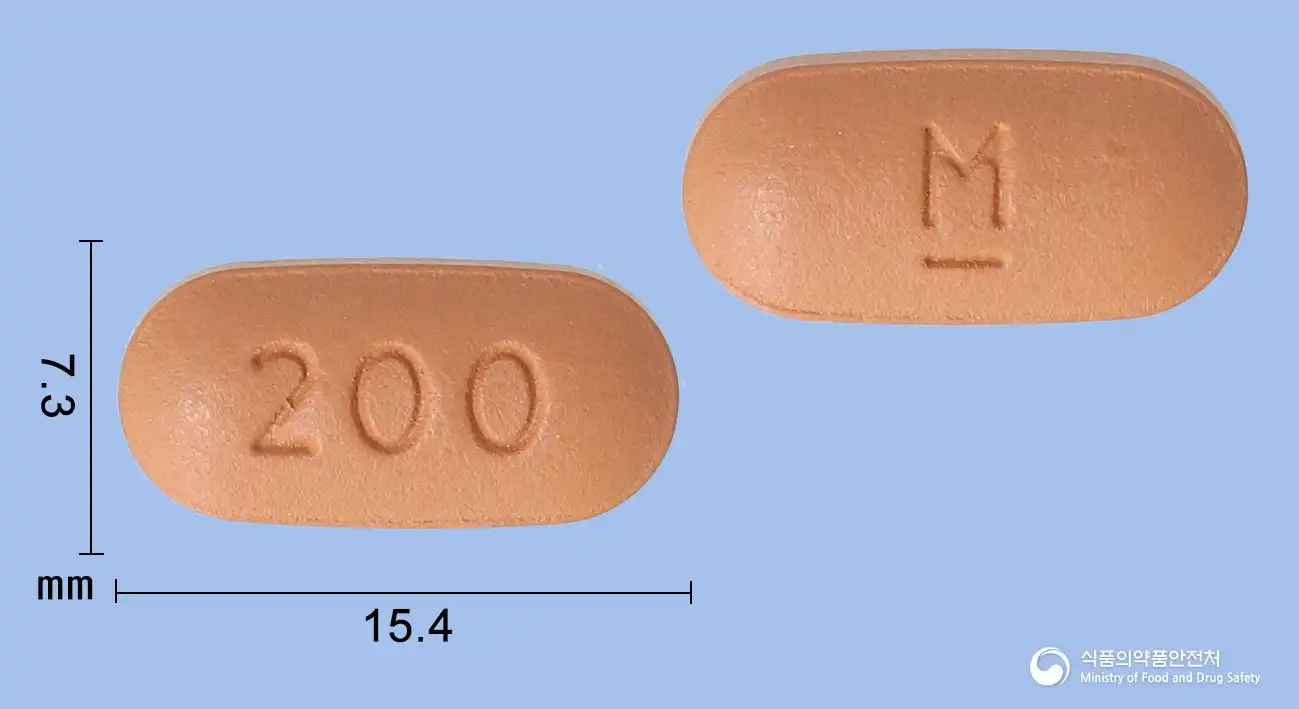
Brown capsule-shaped film-coated tablets
30 tablets/bottle
Even with the same ingredient, strength, dosage form and how it is taken can differ.
Viewing nowMomelotinib Hydrochloride Hydrate 243.88mg
Tablet · Prescription medication
GlaxoSmithKline Co., Ltd.
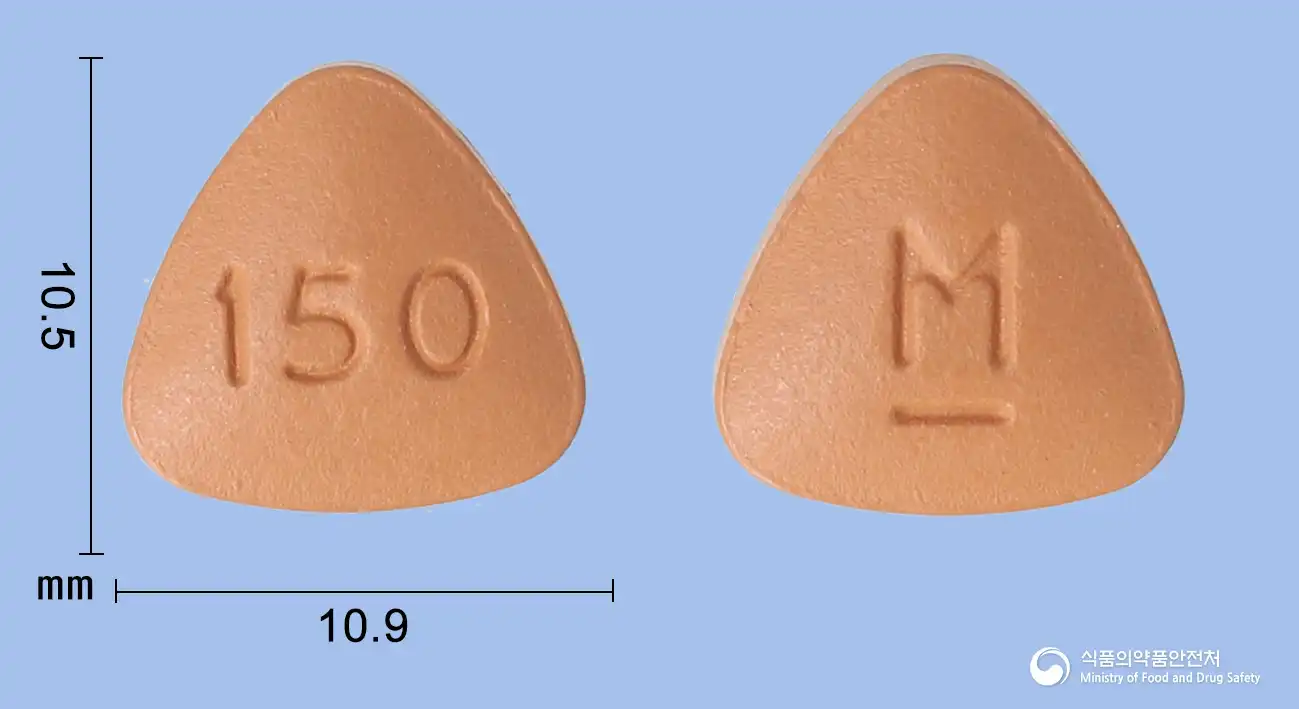
Momelotinib Hydrochloride Hydrate 182.91mg
Tablet · Prescription medication
GlaxoSmithKline Co., Ltd.
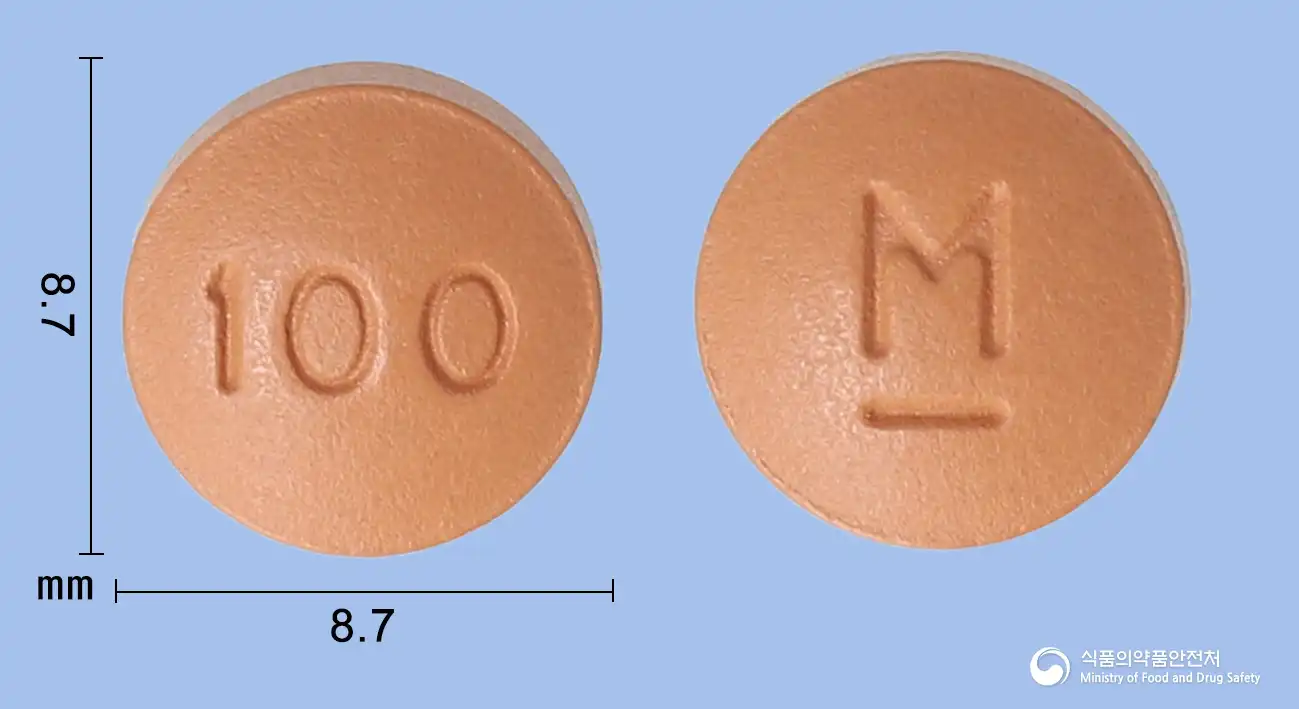
Momelotinib Hydrochloride Hydrate 121.94mg
Tablet · Prescription medication
GlaxoSmithKline Co., Ltd.
Even with the same ingredient, the dose and directions can differ by strength and dosage form. Talk to a doctor or pharmacist before switching from a medication you are already taking.
No questions yet.
For anything that needs medical judgment, consult a doctor or pharmacist.
This drug information is based on data provided by the Korea Ministry of Food and Drug Safety.
Consult a doctor or pharmacist for accurate dosage, administration, and usage instructions.