
 한국어
 English
 日本語
 中文(简体)
 Viewing now
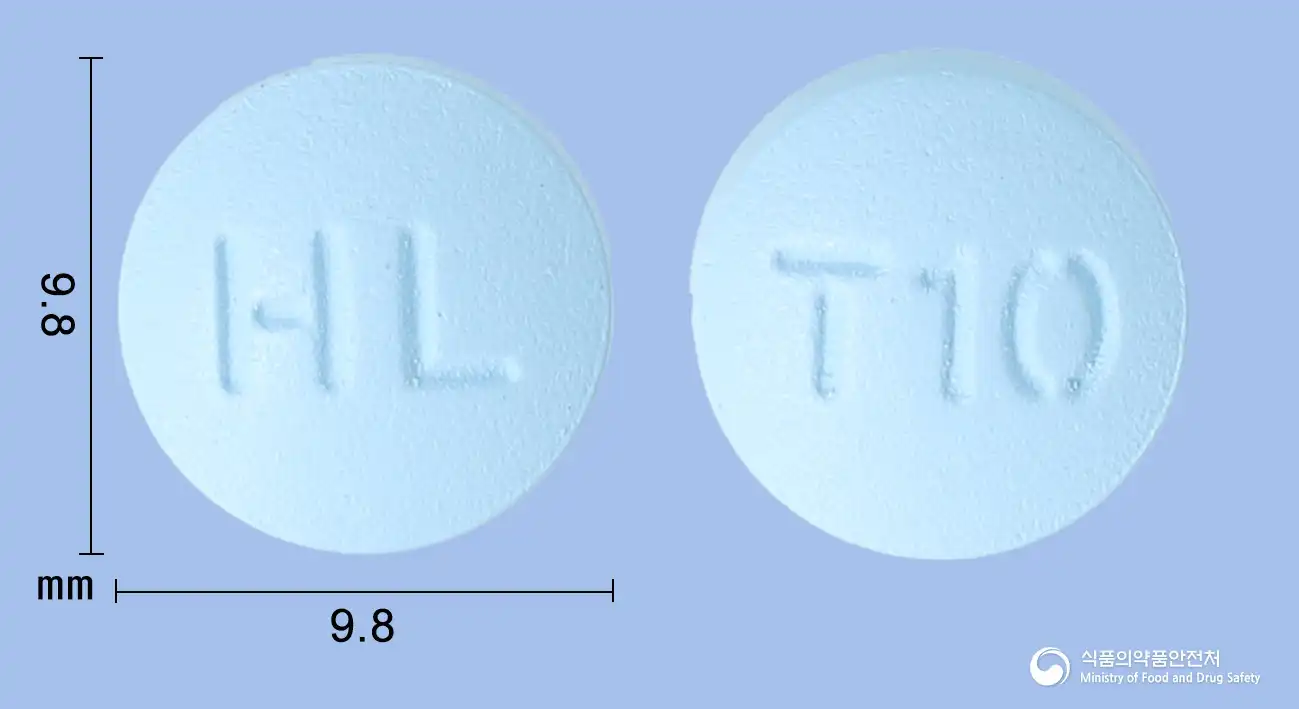
JAKPAZ Tablet 10 mg (Tofacitinib)
Tofacitinib 10mg
Tablet · Prescription medication
Hanlim Pharmaceutical Co., Ltd.
MFDS item code 202402077 · Approved 2024.08.28
Treatment of moderate to severe active ulcerative colitis in adults
This medication is used only in patients aged 18 and older with moderate to severe active ulcerative colitis who have not responded adequately or have lost response to conventional treatments such as corticosteroids, azathioprine, and 6-mercaptopurine, or biologic agents. Additionally, caution should be exercised in elderly patients over 65 years, patients at high risk for cardiovascular issues, and patients at risk for malignancies, and this medication should not be used in combination with other potent immunosuppressants. Therefore, this medication is used for the treatment of moderate to severe ulcerative colitis.
This medicine may be administered orally with or without food. Administer 10 mg per dose twice daily for at least 8 weeks, then administer 5 mg or 10 mg twice daily according to treatment response. Use the minimum effective dose for maintenance therapy. Discontinue treatment if an adequate therapeutic benefit is not observed after administering 10 mg per dose twice daily for 16 weeks. For patients receiving any of the following medicines: • A strong CYP3A4 inhibitor (e.g., ketoconazole), or • A moderate CYP3A4 inhibitor and a strong CYP2C19 inhibitor (e.g., fluconazole) If the patient is receiving 10 mg per dose twice daily, reduce the dose to 5 mg per dose twice daily. If the patient is receiving 5 mg per dose twice daily, reduce the dose to 5 mg once daily. For the following patients: • Patients with moderate or severe renal impairment • Patients with moderate hepatic impairment* If the patient is receiving 10 mg per dose twice daily, reduce the dose to 5 mg per dose twice daily. If the patient is receiving 5 mg per dose twice daily, reduce the dose to 5 mg once daily. ALC less than 500 cells/mm3 (confirmed by repeat testing) Discontinue treatment ANC 500-1,000 cells/mm3 If the patient received 10 mg per dose twice daily, reduce the dose to 5 mg per dose twice daily. When the ANC is greater than 1,000 cells/mm3, increase the dose again to 10 mg per dose twice daily, depending on clinical response. If the patient received 5 mg per dose twice daily, temporarily interrupt treatment. When the ANC is greater than 1,000 cells/mm3, resume treatment at 5 mg per dose twice daily. ANC less than 500 cells/mm3 Discontinue treatment Decrease in hemoglobin level of more than 2 g/dL or hemoglobin level below 8.0 g/dL Temporarily interrupt treatment until the hemoglobin level returns to normal 10mg is not recommended for maintenance therapy.
This medication suppresses the immune system, which increases the risk of serious infections. Therefore, if infection symptoms appear, you should consult a doctor immediately, and the use of this medication can be discontinued until the infection is controlled. Tuberculosis screening must be conducted before and during treatment, and if latent tuberculosis is detected, treatment should be started prior to using this medication. Special care is required for elderly patients over 65 years or patients at risk for cardiovascular diseases, as the risk of cardiovascular mortality may increase. Due to the risk of malignancies, careful use is required in patients with a history of cancer or smoking. There is a risk of thrombosis, especially pulmonary embolism or deep vein thrombosis, so if symptoms of thrombosis appear, you should inform your doctor immediately. Pregnant women or women who may become pregnant should not use this medication and effective contraceptive methods must be used during treatment. Dose adjustment is necessary for patients with decreased liver or kidney function, and this medication should not be used in patients with severe liver dysfunction. It is safe not to co-administer this medication with other immunosuppressants or biologics. During treatment, regular blood tests and liver function tests should be performed to monitor for abnormalities. Additionally, live vaccine administration should be avoided while taking this medication, and breastfeeding women are advised to discontinue breastfeeding or this medication. If new symptoms of infection or allergic reactions occur while taking this medication, inform your healthcare provider immediately. There is no specific antidote for overdose, so appropriate treatment should be received at a hospital immediately.
Not everyone experiences these, and they can vary from person to person.
This medication may be sensitive to air or moisture, so it should be stored in a tightly closed container. It is advisable to maintain a storage temperature between 1 and 30 degrees Celsius.
Blue round film-coated tablets
28 tablets/bottle
Even with the same ingredient, strength, dosage form and how it is taken can differ.
Viewing nowTofacitinib 10mg
Tablet · Prescription medication
Hanlim Pharmaceutical Co., Ltd.
Tofacitinib 5mg
Tablet · Prescription medication
Bivocron Pharmaceutical Co., Ltd.
Tofacitinib 5mg
Tablet · Prescription medication
Hana Pharmaceutical Co., Ltd.
Tofacitinib 5mg
Tablet · Prescription medication
Samik Pharmaceutical Co., Ltd.
Tofacitinib 5mg
Tablet · Prescription medication
Lightpharmtech Co., Ltd.
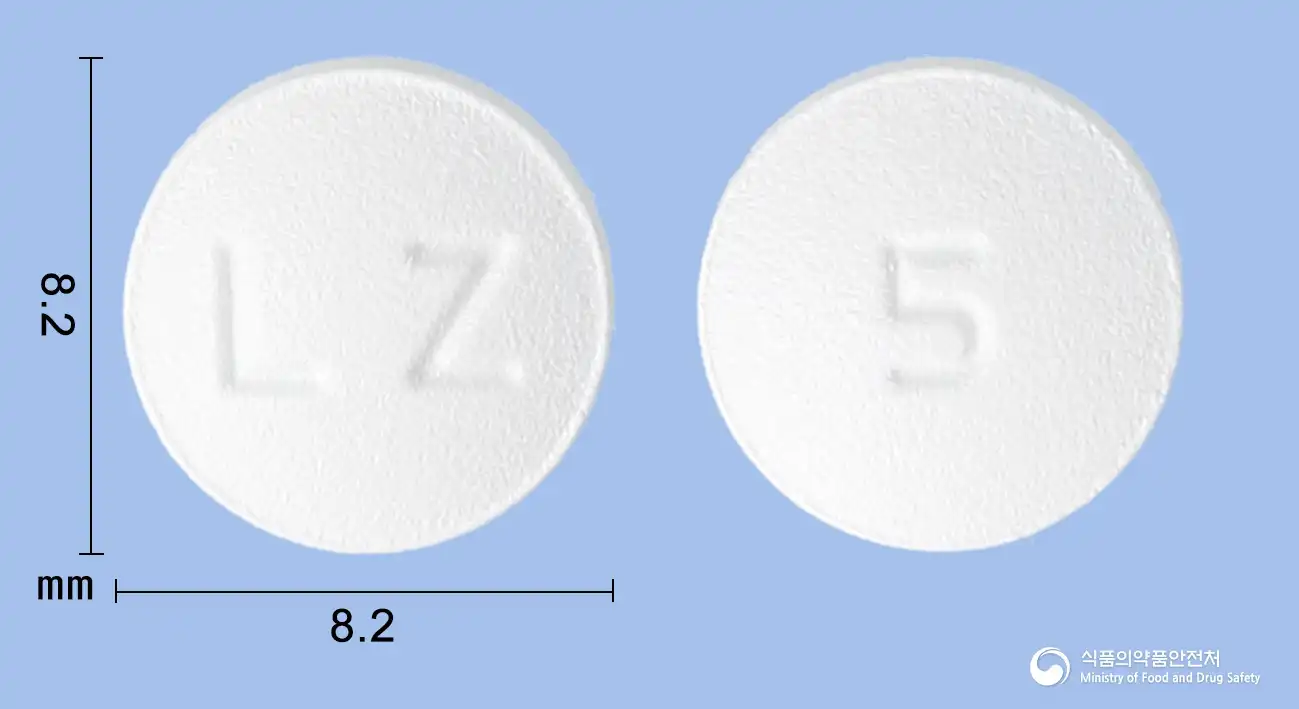
Tofacitinib 5mg
Tablet · Prescription medication
Il-Yang Pharmaceutical Co., Ltd.
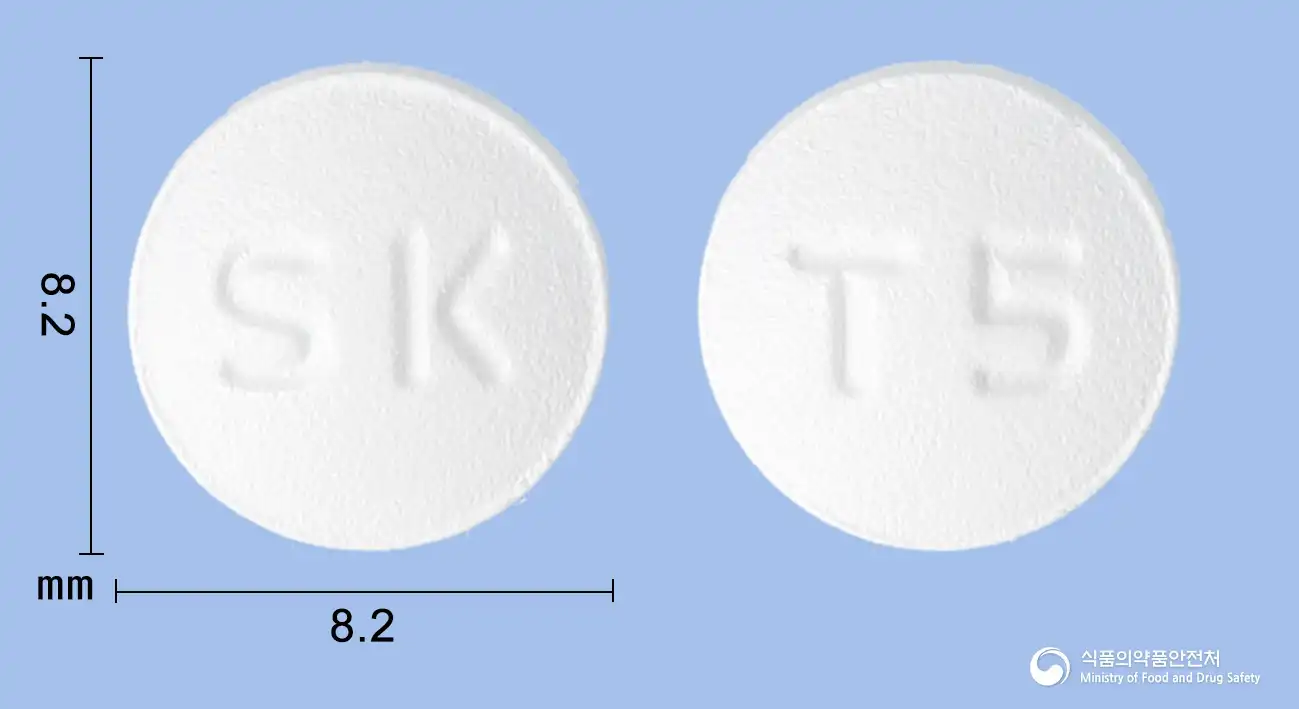
Tofacitinib 5mg
Tablet · Prescription medication
SK Chemicals Co., Ltd.
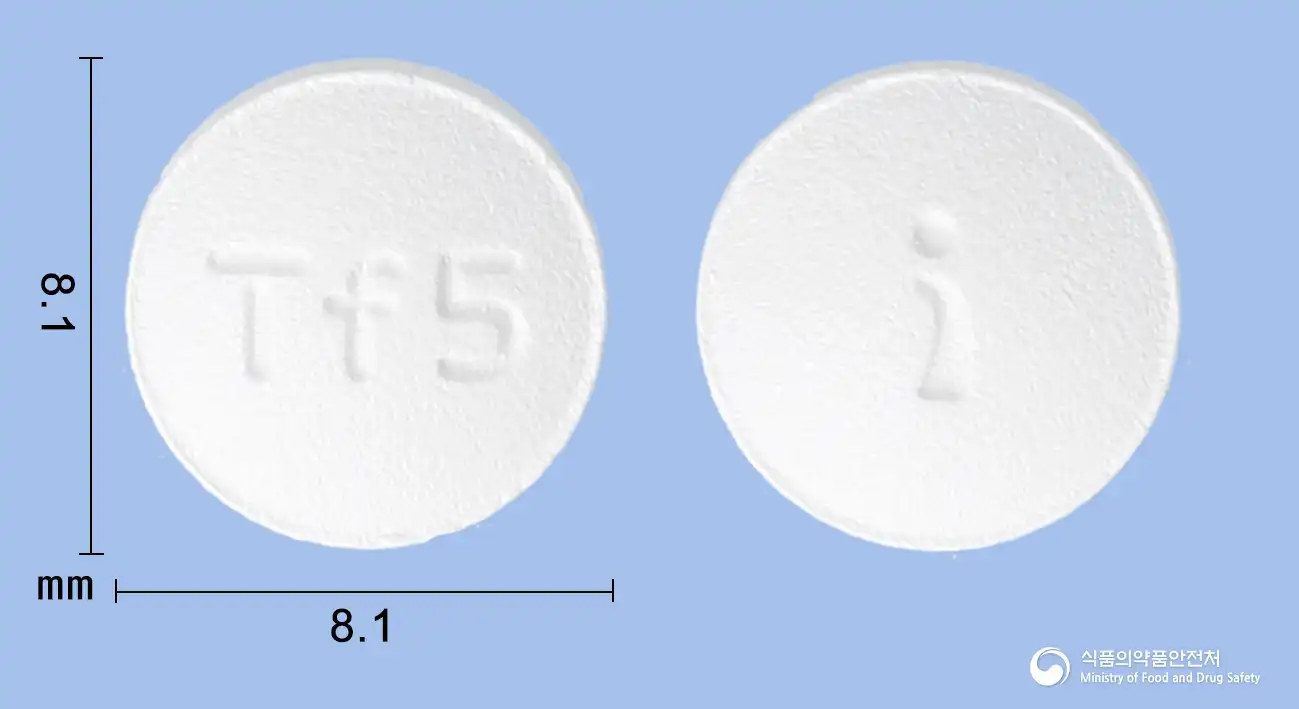
Tofacitinib 5mg
Tablet · Prescription medication
Unimed Pharmaceutical Co., Ltd.
Even with the same ingredient, the dose and directions can differ by strength and dosage form. Talk to a doctor or pharmacist before switching from a medication you are already taking.
No questions yet.
For anything that needs medical judgment, consult a doctor or pharmacist.
This drug information is based on data provided by the Korea Ministry of Food and Drug Safety.
Consult a doctor or pharmacist for accurate dosage, administration, and usage instructions.