
 한국어
 English
 日本語
 中文(简体)
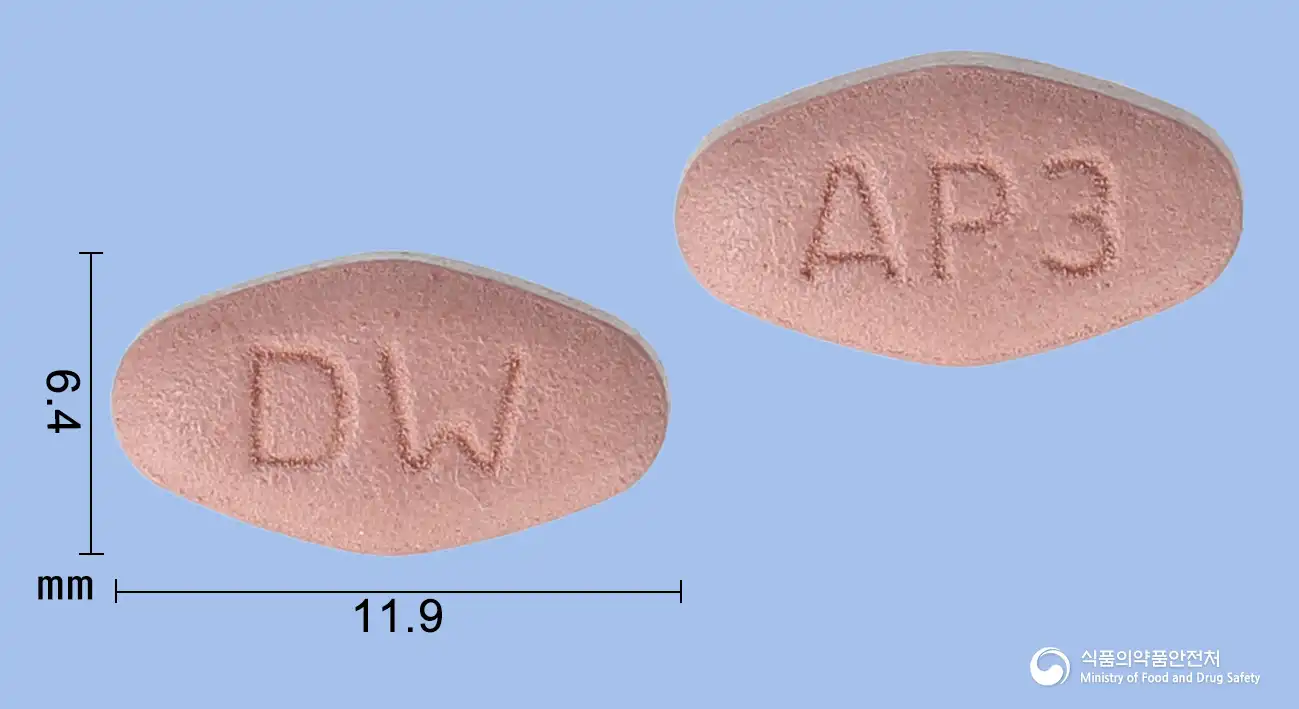 Viewing now
Absorla Tablet (Apremilast)
Apremilast 30mg
Tablet · Prescription medication
Daewoong Pharmaceutical Co., Ltd.
MFDS item code 202400867 · Approved 2024.04.17 · Insurance code 641608000,641608010
Treatment of plaque psoriasis and active psoriatic arthritis
This medication is used in adults with active psoriatic arthritis who have had an inadequate response to or are intolerant to prior disease-modifying antirheumatic drug therapy. Additionally, it can effectively treat adult patients with moderate to severe plaque psoriasis requiring phototherapy or systemic therapy. This medication helps improve both psoriatic arthritis and plaque psoriasis symptoms.
The maintenance dose of this medication is 30 mg orally twice daily, approximately 12 hours apart. When restarting treatment after the initial administration, it may be administered without gradually increasing the dose. Table 1. Dosage and administration schedule for initial administration Day 1: 10 mg in the morning Day 2: 10 mg in the morning, 10 mg in the evening Day 3: 10 mg in the morning, 20 mg in the evening Day 4: 20 mg in the morning, 20 mg in the evening Day 5: 20 mg in the morning, 30 mg in the evening Day 6 onward: 30 mg in the morning, 30 mg in the evening No dosage adjustment is necessary for patients with mild or moderate renal impairment. Data in patients with moderate renal impairment are limited. For patients with severe renal impairment (creatinine clearance of 30ml/min or less, calculated using the Cockcroft-Gault equation), reduce the dose to 30 mg once daily. For initial administration in patients with severe renal impairment, gradual dose escalation is recommended using only the morning dose schedule specified in Table 1 and omitting the evening doses. No dosage adjustment is necessary for patients with hepatic impairment.
This medication should not be used in individuals who are allergic to this medication or its components, or in women who are pregnant or breastfeeding. Furthermore, it should not be administered to patients who are genetically unable to digest lactose. Caution is required when administering to patients with impaired renal function, and dosage adjustments may be necessary for patients with severe renal impairment. Gastrointestinal symptoms such as diarrhea, nausea, and vomiting are common when taking this medication, so patients should consult their doctor if symptoms are severe. Weight loss may occur, so regular weight monitoring is advised, and if unexplained weight loss occurs, medical consultation should be sought. Depression, mood changes, or suicidal thoughts may occur, so patients with a history of mental health issues should use with caution, and both patients and families should be vigilant for these symptoms. The effectiveness of this medication may be reduced when taken with certain potent medications, so be sure to inform your healthcare provider of any other medications being taken. Women planning pregnancy or with a possibility of becoming pregnant should consult with a healthcare provider before taking this medication, and it should be avoided during pregnancy. Breastfeeding women should avoid taking this medication, and its safety and efficacy in pediatric patients have not been established. No special dose adjustments are needed for the elderly, but care should be taken for any adverse reactions that occur. If any severe side effects or abnormal reactions occur while taking this medication, healthcare professionals should be notified immediately, and there may be a need to discontinue the medication. Keep out of reach of children, and store in the original container.
Not everyone experiences these, and they can vary from person to person.
This medication may be sensitive to air and moisture, so it should be stored in a tightly closed container. The recommended storage temperature is room temperature between 1 and 30 degrees Celsius. This will help maintain the medication's effectiveness and safety over time.
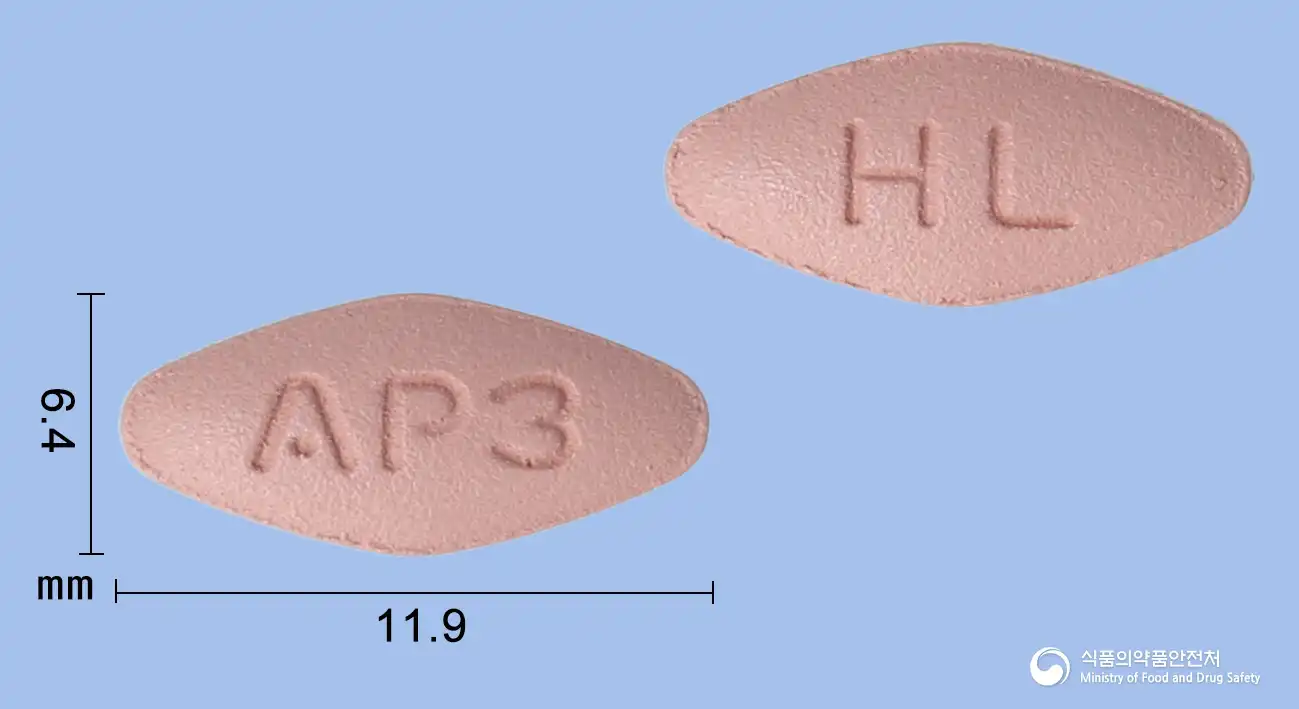
10mg: Pink diamond-shaped film-coated tablet 20mg: Brown diamond-shaped film-coated tablet 30mg: Light brown diamond-shaped film-coated tablet
Starter pack - 4 tablets/PTP [10mg], Starter pack - 4 tablets/PTP [20mg], Starter pack - 19 tablets/PTP [30mg], 30mg - 28 tablets/box [(14 tablets/PTP)x2], 30mg - 56 tablets/box [(14 tablets/PTP)x4]
Even with the same ingredient, strength, dosage form and how it is taken can differ.
Viewing nowApremilast 30mg
Tablet · Prescription medication
Daewoong Pharmaceutical Co., Ltd.
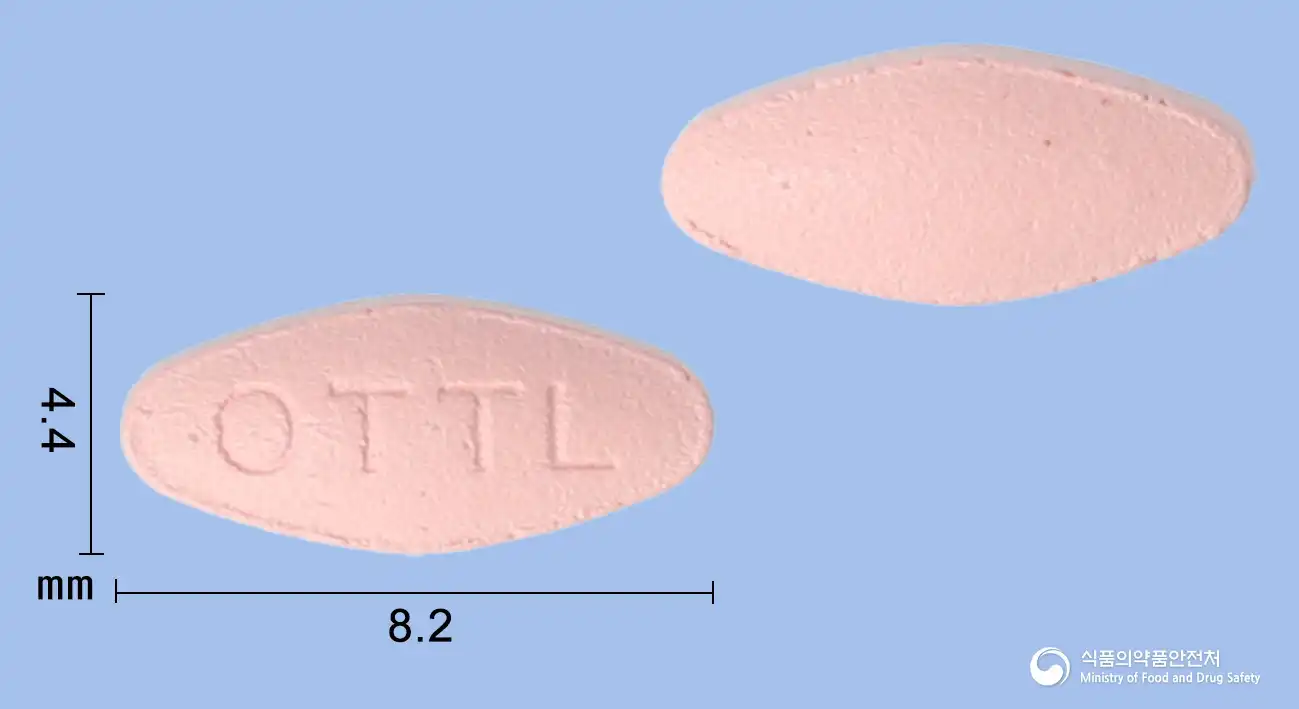
Apremilast 10mg
Tablet · Prescription medication
Dong-A ST Co., Ltd.
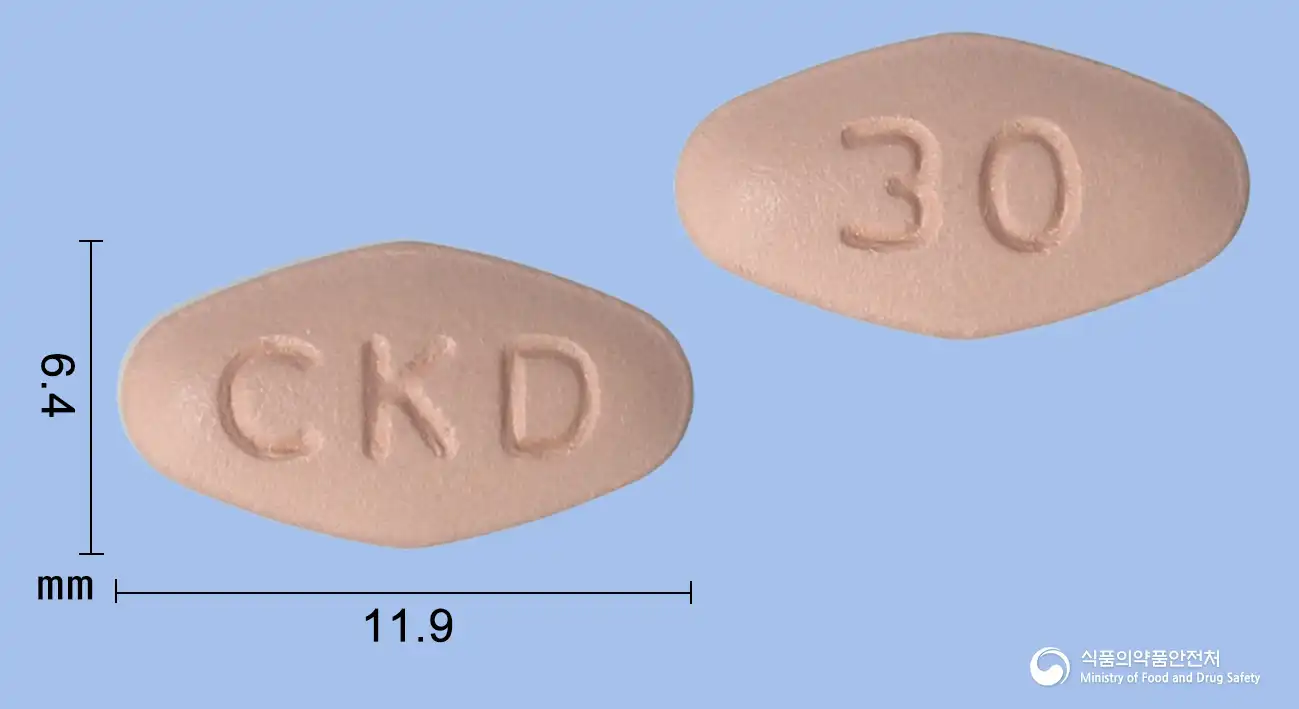
Apremilast 10mg
Tablet · Prescription medication
Jongkundang Co., Ltd.
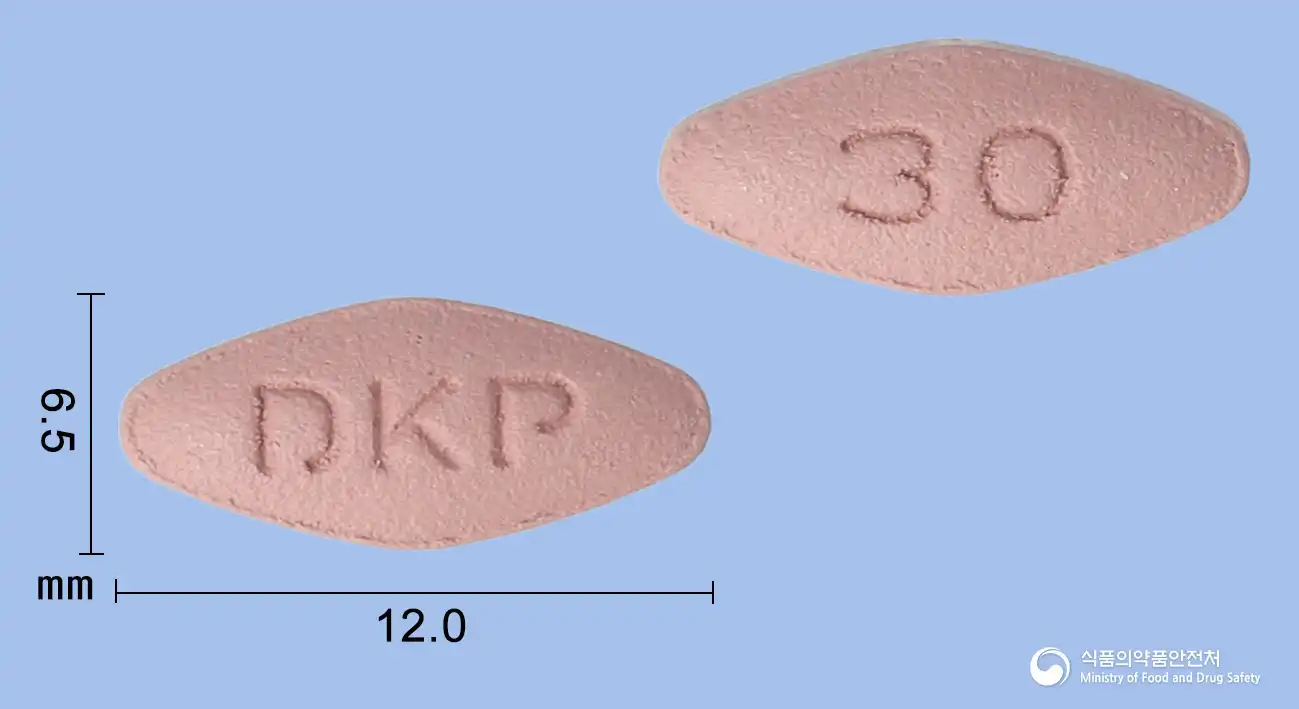
Apremilast 30mg
Tablet · Prescription medication
Donggu Bio Pharmaceutical Co., Ltd.
Apremilast 30mg
Tablet · Prescription medication
Hanlim Pharmaceutical Co., Ltd.
Even with the same ingredient, the dose and directions can differ by strength and dosage form. Talk to a doctor or pharmacist before switching from a medication you are already taking.
No questions yet.
For anything that needs medical judgment, consult a doctor or pharmacist.
This drug information is based on data provided by the Korea Ministry of Food and Drug Safety.
Consult a doctor or pharmacist for accurate dosage, administration, and usage instructions.